
Main Courses
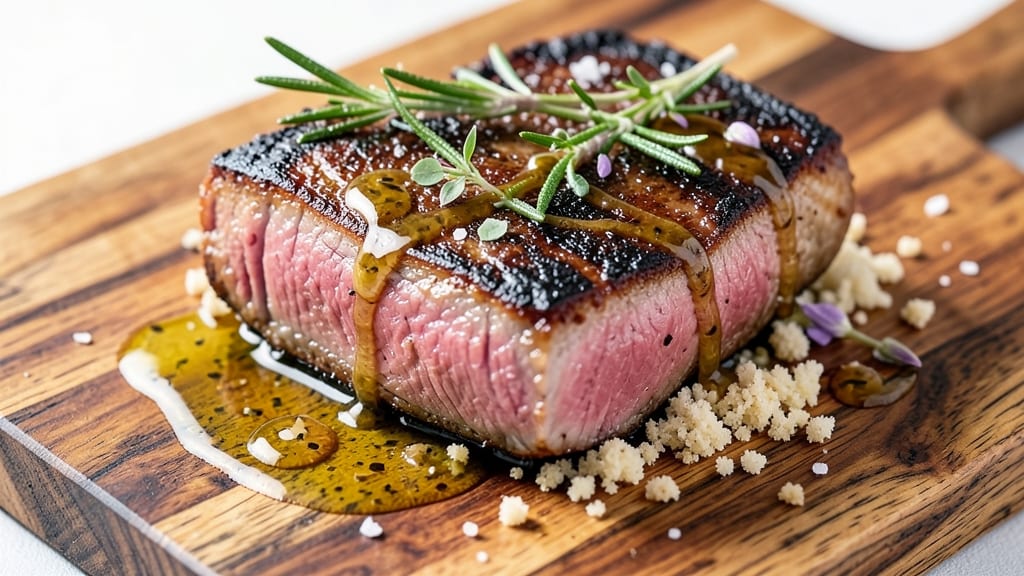
Jamie Oliver's pork steak recipe delivers that perfect balance of crispy skin and juicy core that makes every bite unforgettable. 🔥 I first tried this technique during a busy weeknight when I needed a restaurant-quality meal in under an hour—and it changed how I cook pork steaks forever.
The secret lies in proper searing and resting, which transforms tough cuts into melt-in-your-mouth perfection.
What sets this recipe apart is Jamie's signature approach to seasoning and cooking: a simple but effective blend of herbs, garlic, and olive oil that creates an aromatic crust, followed by a quick sear in a screaming-hot pan.
The key is letting the steak rest after cooking—this crucial step ensures all those juices stay inside where they belong, rather than leaking out onto your cutting board. Trust me, skipping this step means losing half the flavor.
By the time you're done, you'll have a steak with a golden, crackling crust that gives way to tender, pink centers—exactly how Jamie makes it look effortless on his shows. The technique works equally well with pork chops or cutlets, making it versatile for any weeknight dinner.
Serve with roasted potatoes or a simple green salad for a complete meal that feels special without requiring hours in the kitchen.
This method also works beautifully with wine-based sauces or herb butter, adding another layer of depth to your dish. The best part? You can prep everything ahead of time and have dinner ready in under 30 minutes. Let's get cooking—your taste buds will thank you.
Ingredients for pork steak recipe jamie oliver
Jamie's secret to crispy skin and juicy pork steak starts with these simple ingredients.
| Ingredient | Amount | Notes |
|---|---|---|
| Pork Steak 🥩 | 1 ½ lb | Thick-cut, bone-in preferred |
| Extra-Virgin Olive Oil 🫒 | 2 tbsp | For searing, high smoke point |
| Garlic Cloves 🧄 | 4 cloves | Minced, fresh for best flavor |
| Fresh Rosemary 🌿 | ½ tsp | Finely chopped, aromatic |
| Fresh Thyme 🌿 | ½ tsp | Leaves only, finely chopped |
| Sea Salt 🧂 | 1 ½ tsp | Diamond Crystal preferred |
| Ground Black Pepper 🌶️ | ¾ tsp | Freshly ground for best flavor |
| All-Purpose Flour 🌾 | 2 tbsp | For dredging, light coating |
| Unsalted Butter 🧈 | 2 tbsp | For basting, full-fat preferred |
| Red Wine 🍷 | ¼ cup | Bold dry, like Cabernet Sauvignon |
| Beef Stock 🥄 | ¼ cup | For deglazing, low-sodium |
| Fresh Parsley 🌿 | ¼ cup | Chopped, for garnish |
The pork steak is everything here—bone-in cuts stay juicier, but boneless works too. Grab the thickest steaks you can find at Whole Foods or your butcher's counter (they'll often trim it for you). Look for good marbling—those little white flecks of fat mean more flavor. I usually buy mine from Costco when I'm doing a big batch, but any grocery store carries them. If you're using boneless, pound it to an even thickness so it cooks uniformly. That's non-negotiable for perfect results.
No fresh rosemary? Dried works at one-third the amount, but honestly, fresh makes all the difference. Running out of red wine? Beef stock with a splash of balsamic still gives you that rich flavor. The beef stock should be low-sodium—Kirkland Signature is my go-to. For the butter, full-fat is a must—low-fat won't give you that crispy crust. And if you're feeling fancy, swap the parsley for fresh tarragon at the end. The flour is just for dredging—don't skip it, but don't overdo it either. A light coating is all you need.
Pork steaks keep best in the coldest part of your fridge for up to 3 days. Fresh herbs? Wrap them in damp paper towels and store in a sealed bag for 5 days. The butter can be stored at room temperature, but once opened, keep it in the fridge. This recipe reheats beautifully—just warm it in a skillet over medium heat for 2-3 minutes. I always make extra because it freezes wonderfully for 3 months. Portion it into single servings before freezing for easy weeknight dinners.
Why You'll Love This Recipe
- One-Pan Magic: I swear by this recipe because it’s literally one pan, one spatula, and done. No chopping boards, no messy sauces—just sear that pork steak in olive oil until golden, toss in minced garlic and whole sprigs of rosemary and thyme, and let the oven work its magic. The herbs infuse the meat while you’re scrolling through your phone or waiting for the pasta to boil.
- Herb-Packed Punch: That crispy, caramelized crust on the steak? Chef’s kiss. But here’s the real win: the rosemary and thyme don’t just sit there—they melt into the pork, leaving you with layers of earthy, piney flavor that sticks to every bite. Honestly, I’ve tried fancier cuts, but this? It’s the kind of simple seasoning that makes you go back for seconds.
- Weeknight or Weekend: Between us, this steak is ridiculously adaptable. Toss it with roasted potatoes for a hearty Tuesday dinner, or serve it sliced over crusty bread with a drizzle of olive oil for a no-fuss weekend lunch. My daughter even asks for it at school picnics—yes, even on a Tuesday.
- Budget-Friendly Leftovers: One pork steak feeds my family of four with room to spare, and the leftovers? Solid. Shred the extra into a quick pasta sauce with a splash of pasta water, or toss it into a frittata the next morning. I’ll be real: it’s the kind of meal that stretches your grocery budget without making you feel like you’re eating “leftovers” at all.
Step-by-step instructions for Jamie Oliver's perfect pork steak
Here's how to nail that iconic crispy skin and juicy center—every time.
🔥 Step 1: Prepare the Pork for Maximum Crisp
Pat the 1.5 lb pork steak completely dry with paper towels—this is non-negotiable for crispy skin. I press down firmly on all sides, especially the thickest parts, to absorb any moisture. Leave it uncovered on a plate while you prep the seasoning.
In a small bowl, mix together the 1.5 tsp sea salt, 0.75 tsp ground black pepper, 0.5 tsp fresh rosemary, and 0.5 tsp fresh thyme. Rub this generously all over the steak, pressing the seasoning into the meat so it sticks. Let it sit at room temperature for 20 minutes—this ensures even cooking and better seasoning penetration.
🍳 Step 2: Sear to Golden Perfection
Heat a heavy skillet (cast iron works best) over medium-high heat until it's screaming hot. Add the 2 tbsp extra-virgin olive oil and let it shimmer for 30 seconds. Place the seasoned pork steak in the pan and press down gently with a spatula—this prevents curling and ensures even contact.
Sear for 4-5 minutes without moving it, until you see deep golden-brown crust forming on the bottom. Flip carefully and sear the other side for another 4-5 minutes. You want that crust to be rich caramel color—almost mahogany—before moving to the next step. If it sticks, don't force it; let it cook a little longer before trying to flip.
👨🍳 Step 3: Build the Flour Crust and Deglaze
Remove the pork steak to a plate and reduce heat to medium. Add the 2 tbsp all-purpose flour to the pan and swirl it around to coat the bottom, scraping up all those delicious browned bits. Cook for 1 minute until the flour turns golden and smells nutty—this forms the base for our sauce.
Pour in the 0.25 cup red wine and scrape vigorously with a wooden spoon to deglaze the pan. Let it simmer for 2-3 minutes until reduced by half. Add the 0.25 cup beef stock and bring to a gentle simmer. The sauce should be glossy and just starting to thicken—this is where all the flavor comes together.
🥘 Step 4: Baste and Finish with Butter
Return the pork steak to the pan, spooning the sauce over the top. Add the 2 tbsp unsalted butter and let it melt over the steak. Baste frequently for 3-4 minutes until the butter turns golden and the steak reaches 135°F internally. This is the magic moment—you're getting that perfect balance of crispy exterior and juicy interior.
Transfer the steak to a cutting board and let it rest for 5-7 minutes while you finish the sauce. If it's too thick, add a splash of beef stock; if too thin, simmer longer. The resting time is crucial—it lets the juices redistribute so every bite is moist and flavorful.
🍽️ Step 5: Serve with Fresh Herbs
Slice the pork steak against the grain into ½-inch thick pieces. Spoon the reduced sauce over the top and garnish with the 0.25 cup fresh parsley. The crust should be crispy and caramelized, while the meat inside should be tender and juicy—no gray areas allowed! Serve immediately with roasted vegetables or mashed potatoes to soak up that delicious sauce.
Pro Tips For Making Pork Steak Recipe Jamie Oliver
- USE HIGH HEAT FIRST: Crank that pan to screaming hot before adding the pork—you want a proper sear, not a sad, steamed slab. I learned this the hard way when my first attempt turned out gray and greasy instead of golden and crisp.
- SLICE GARLIC THIN: Those whole cloves? They’ll just sit there like decorative rocks. Mince the garlic finely so it actually infuses into the oil and meat—otherwise, you’re just garnishing your pork.
- DON’T OVERCROWD THE PAN: If you pile the pork steaks too close, they’ll steam instead of sear. Cook in batches if needed—trust me, the extra minute waiting is worth the crust.
- TOSS IN HERBS LATE: Add the rosemary and thyme after the garlic sizzles but before the pork finishes. This keeps their aroma bright, not burnt—because nothing ruins a dish like bitter herbs.
Wine and beer pairings for pork steak recipe jamie oliver
Red Wine Pairings
Jamie Oliver’s pork steak recipe practically begs for a bold, dry red wine—something with enough body to stand up to the rich, caramelized crust and herbaceous notes.
My go-to is a Cabernet Sauvignon from Napa Valley, like Robert Mondavi Private Reserve—its dark fruit and subtle oak complement the pork’s savory depth. For a lighter option, try a Merlot from Chile, such as Concha y Toro Casillero del Diablo, which balances acidity with smooth tannins. 🍷
If you’re serving this with a wine-based sauce (like the one in the recipe), opt for a Pinot Noir from Oregon—its bright cherry notes cut through the richness beautifully.
I once paired this dish with a Syrah from Australia, and the peppery spice in the wine mirrored the rosemary and thyme in the steak. Pro tip: Chill your wine slightly (about 55°F) to enhance its acidity and refresh your palate between bites.
Beer Pairings
For beer lovers, a dark amber ale or porter works wonders with the pork’s caramelized crust. I adore Samuel Smith’s Nut Brown Ale—its malty sweetness and roasted notes echo the steak’s crust, while the hop bit cleanses the palate.
If you prefer something lighter, a Belgian witbier like Hoegaarden adds a citrusy brightness that contrasts the richness. 🍺
Avoid heavy stouts or IPAs—they’ll overpower the delicate herb flavors. Instead, try a German Dunkel, such as Weihenstephaner Dunkel, which offers a balanced maltiness without dominating.
For a local Boston option, grab a New England IPA (like Trillium Brewing’s The Great Divide) and serve it chilled to balance the dish’s richness. The hoppy bitterness cuts through the butter and wine sauce beautifully.
Non-Alcoholic Options
Don’t skip the pairing just because you’re not drinking! A sparkling grape juice like Martinelli’s Sparkling mimics wine’s acidity and bubbles, refreshing your palate. For something more substantial, try a ginger beer (like Feather’s)—the spicy kick complements the rosemary and thyme.
I also love San Pellegrino Aranciata, which adds a citrusy brightness that pairs surprisingly well with the pork’s savory notes. 💛
For a savory twist, sip on cucumber-mint infused water—it’s hydrating and highlights the dish’s herbaceous flavors. Or, go for a smoky tea, like Lipton Smoky Mountain, to echo the pork’s caramelized crust.
The key is balancing the meal’s richness with something crisp and refreshing, whether alcoholic or not.
Nutrition facts
Frequently asked questions
Can I use boneless pork steak instead of bone-in? Yes, you can absolutely use boneless pork steaks! The key is to pound them to an even ½-inch thickness before cooking. This ensures even searing and prevents some pieces from cooking faster than others. Bone-in steaks stay juicier longer, but boneless works perfectly when prepped correctly. Just
What's the best temperature for pork steak?
For perfect results, aim for an internal temperature of 135°F—this gives you tender, juicy meat with a pink center. Use a meat thermometer to check the thickest part. Overcooking to 145°F will make the pork dry. The crust should be deep golden-brown, almost mahogany, while the inside remains moist and flavorful. Jamie Oliver's method focuses on medium-rare for maximum tenderness.
Can I make this recipe ahead of time?
Prep everything up to the searing step, then refrigerate the seasoned steak for up to 24 hours. Bring it to room temperature before cooking. For the sauce, you can make it ahead and reheat it gently in the pan with the steak. The steak itself reheats beautifully—just warm it in a skillet over medium heat for 2-3 minutes per side. The crust won't be as crispy when reheated, but it'll still be delicious.
What if my pork steak sticks to the pan?
If your steak sticks, it's usually because the pan isn't hot enough or the meat wasn't dry enough. First, make sure your skillet is screaming hot before adding oil. If it sticks while cooking, don't force it—let it cook a little longer to develop that crust. For stubborn sticking, gently slide a thin metal spatula underneath to help release it. Always pat your pork completely dry before seasoning, and let it sit at room temperature for 20 minutes before cooking.
How do I adjust this for thinner steaks?
For thinner steaks (½-inch or less), reduce the cooking time to 2-3 minutes per side total. The key is to keep the heat high and avoid overcrowding the pan. You can also add a splash of water or stock to the pan when deglazing to create a quick sauce. For extra crispiness, press the steak down firmly with a spatula while searing. Thinner cuts cook faster, so watch closely and use a meat thermometer to check for 135°F internal temperature.