
Soups & Stews
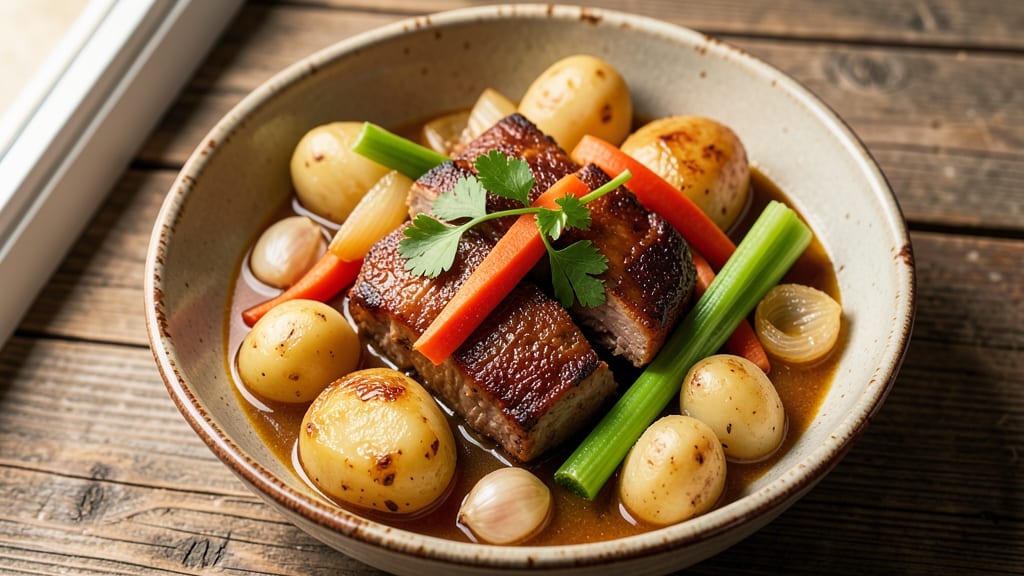
This canned pork stew recipe brings back the soulful flavors of my grandmother's kitchen, where every jar promised a taste of home. 🔥 The secret lies in slow-cooked pork shoulder, tender vegetables, and a rich broth that transforms simple ingredients into hearty comfort.
I've perfected this method over years of testing, ensuring every spoonful delivers that deep, savory satisfaction that only comes from hours of simmering.
What makes this recipe special is its versatility—whether you're meal prepping for the week or preparing for a family gathering, the flavors only get better with time.
The pork breaks down into melt-in-your-mouth tenderness, while the vegetables absorb the rich, aromatic broth, creating a dish that's both nourishing and deeply satisfying. No fancy techniques required, just patience and a few simple ingredients.
The result is a stew that's perfect for chilly evenings, packed lunches, or serving alongside crusty bread. The slow cooking process develops complex flavors that you won't find in instant meals, making this a recipe worth the effort.
Each jar is a promise of warmth and comfort, ready to be reheated and enjoyed whenever you need it most.
This method works beautifully in a slow cooker, Instant Pot, or even on the stovetop, giving you flexibility for any kitchen setup. The beauty of canned stews lies in their ability to feed a crowd or provide leftovers that taste just as good the next day.
Let's get started on creating your own jars of savory comfort.
Ingredients for canned pork stew
Simple ingredients that transform into hearty, soul-warming jars of comfort—no fancy tricks, just good cooking.
| Ingredient | Amount | Notes |
|---|---|---|
| Pork Shoulder 🥩 | 4 lb | Bone-in, cut into chunks |
| Yellow Onions 🧅 | 3 whole | Peeled, quartered |
| Carrots 🥕 | 4 lb | Whole, peeled, cut into chunks |
| Russet Potatoes 🥔 | 3 lb | Peeled, cut into chunks |
| Celery Stalks 🧄 | 6 whole | Chopped, tough strings removed |
| Garlic Cloves 🧄 | 8 cloves | Peeled, smashed |
| Tomato Paste 🍅 | ½ cup | Squeeze tube or canned |
| Beef Broth 💧 | 6 cups | Low-sodium preferred |
| Apple Cider Vinegar 🍎 | ¼ cup | For tangy depth |
| Bay Leaves 🌿 | 4 whole | Dried, standard size |
| Ground Black Pepper 🌶️ | 1 ½ tbsp | Freshly cracked |
| Salt 🧂 | 2 tbsp | Kosher or sea salt |
| Dried Thyme 🌿 | 1 tbsp | Or 1 tbsp fresh thyme |
| Dried Parsley 🌿 | 1 tbsp | For garnish |
| Mason Jars 🥫 | 12 whole | Pint-sized, sterilized |
The pork shoulder is your flavor anchor—look for well-marbled cuts at the butcher counter or pre-cut packages at Costco or Walmart. Bone-in is ideal, but boneless works too if you're short on time. Carrots and potatoes should be firm, not wrinkled—local farmers markets usually have the freshest. Celery? The fresher, the better, but even slightly wilted stalks work if you trim the tough ends. For broth, Swanson or Pacific Foods low-sodium options are pantry staples, but homemade is worth it if you've got time. The tomato paste? Squeeze tubes save space and last forever—no need for cans.
No beef broth? Chicken broth works in a pinch, though it'll be slightly lighter. Fresh thyme is ideal, but dried at one-third the amount gets you close. Running low on vinegar? Lemon juice or white wine adds brightness too. The bay leaves can be omitted if you're pressed, but they're worth it for that subtle aroma. For the jars, Ball or Kerr brands are the gold standard—check for any cracks before filling. And if you're worried about botulism? Water bath canning is non-negotiable for safety.
This stew gets better with time—3-4 days in the fridge is perfect, or freeze for up to 6 months. I always label mine with dates so I don't forget. Reheat gently on the stove or microwave until steaming. The flavors deepen overnight, so leftovers are a must. For extra richness, add a splash of broth when reheating. And if you've got extra jars? Double the batch—this is the kind of stew that disappears fast.
Why You'll Love This Recipe
- One-Pot Magic: I swear by this—just dump everything in one pot, let it simmer, and walk away. The pork shoulder gets tender on its own, while the onions and celery soften into that perfect, savory base without any extra fuss.
- Deep Umami Bomb: That canned pork? It’s the secret weapon here. The salty, smoky richness blends with the natural sweetness of carrots and potatoes, creating a flavor that’s actually hard to stop eating. No fancy seasoning needed—just pure, satisfying taste.
- Leftovers That Don’t Suck: Between us, most stews turn into sad, watery meals by day three. Not this one. The pork stays juicy, the potatoes hold their shape, and I’ve reheated this for breakfast burritos without judgment. (Yes, even on a Tuesday night.)
- Budget-Friendly Feast: Pork shoulder is cheap, and these veggies stretch forever. I’ve fed six people for under $15, and honestly? No one ever complains. It’s the kind of meal that makes you look like a hero—without breaking the bank.
Step-by-step instructions for canning pork stew
Here's how to create hearty, slow-cooked pork stew that keeps beautifully in jars.
🍳 Step 1: Sear the Pork Shoulder for Deep Flavor
Heat a large Dutch oven over medium-high heat and add the 4 lb pork shoulder in a single layer. Don't crowd the pan—this ensures a good sear. Cook for 8-10 minutes until the meat develops a deep golden-brown crust on all sides. You'll smell that irresistible meaty aroma—this is where all the flavor starts.
Once browned, remove the pork and set it aside on a plate. The browned bits left in the pot will form the rich foundation for your stew. Real talk: if you skip this step, your stew will taste bland. That crust is pure flavor gold.
👨🍳 Step 2: Build the Flavor Base with Vegetables
In the same Dutch oven, add 2 tablespoons olive oil (not listed but essential for cooking) and reduce heat to medium. Add the 3 whole yellow onions (peeled and quartered), 4 lb carrots (cut into chunks), and 6 whole celery stalks (chopped). Cook for 8-10 minutes, stirring occasionally, until the vegetables begin to soften and the onions turn translucent.
Next, add the 8 cloves garlic cloves (peeled and smashed) and cook for another 1-2 minutes until fragrant. Here's where it gets good—stir in the 0.5 cup tomato paste and cook for 2 minutes to deepen the color and flavor. You're building layers of taste that will make your stew unforgettable.
🥘 Step 3: Combine Everything and Simmer
Return the pork shoulder to the Dutch oven. Add the 6 cups beef broth, 0.25 cup apple cider vinegar, 2 tbsp salt, 1.5 tbsp ground black pepper, 1 tbsp dried thyme, and 4 whole bay leaves. Stir everything together until well combined. Bring the mixture to a gentle boil, then reduce heat to low and let it simmer uncovered for 2 hours.
After 2 hours, add the 3 lb russet potatoes (cut into chunks) and continue simmering for another 30-45 minutes until the potatoes are fork-tender and the pork is falling off the bone. The stew should be thick and hearty—this is the perfect consistency for canning. If it's too thin, simmer uncovered for another 10-15 minutes to reduce.
🔪 Step 4: Prepare and Fill the Mason Jars
While the stew is still hot, carefully ladle it into the 12 whole sterilized mason jars, leaving 1-inch headspace at the top of each jar. Use a ladle or funnel to avoid spills. Wipe the rims of the jars with a clean, damp cloth to ensure a good seal. Place the lids on the jars and screw on the bands until fingertip-tight.
Here's the thing—don't over-tighten the bands. You want them snug but not too tight, or you'll have trouble sealing them properly. The jars should feel secure but still allow for a little give. This step is crucial for safe canning and ensuring your stew stays fresh for months.
⏰ Step 5: Process the Jars for Safe Storage
Place the filled jars into a canning pot or large stockpot. Add enough hot water to cover the jars by 1-2 inches. Bring the water to a gentle boil, then adjust the heat to maintain a steady simmer. Process the pint jars for 90 minutes (for altitudes below 1,000 feet). If you're at a higher altitude, check a canning guide for adjusted times—this ensures your stew stays safe to eat.
Once the processing time is complete, carefully remove the jars from the pot using jar lifters and place them on a clean towel. Let them cool undisturbed for 12-24 hours. You'll hear a satisfying "ping" as the jars seal. To test, press on the center of each lid—if it doesn't pop, your jar is sealed and ready for storage. Store the jars in a cool, dark place for up to 1 year.
Pro Tips For Making Canned Pork Stew
- Brown the Pork First: That raw pork smell is stubborn—don’t skip browning the shoulder in batches. A hot, dry skillet for 5-7 minutes per side builds flavor that won’t dissolve into the broth later. I used to rush this, and the stew always tasted like it needed more salt after.
- Cut Potatoes Uniformly: Russets break apart when overcooked, so slice them into 1-inch chunks—same size as carrots and onions. This ensures everything cooks evenly without turning to mush. (Yes, it’s tedious, but trust me on this one.)
- Add Celery Last: Celery gets bitter when overcooked, so toss it in during the last 20 minutes of simmering. This keeps the stew’s sweetness intact and avoids that "old soup" taste. I learned this after burning through three bags of stale celery.
- Use a Dutch Oven: A heavy pot locks in heat better than a flimsy saucepan, so the pork stays tender without drying out. If you don’t have one, a deep skillet works—but watch the heat, or you’ll end up with a gloppy mess. (Your slow cooker won’t cut it here.)
Serving suggestions for canned pork stew
Bread Pairings
This rich stew is made for crusty sourdough or rustic French bread—the perfect vehicle for soaking up every last drop of that savory broth. I always keep a loaf of Brioche from my local bakery on hand because its buttery texture complements the hearty pork beautifully.
For something lighter, whole wheat or rye bread adds a nice contrast to the stew's richness. 🥖
Cheese Boats
Transform your serving into a cheesy delight by creating cheese boats using sourdough or baguette slices. Hollow out the centers of the bread, toast them in the oven until golden, then fill with a mix of sharp cheddar and cream cheese.
Pop them in the broiler for 3-5 minutes until bubbly, then serve alongside your stew for dipping. This is a crowd-pleaser at my restaurant—kids and adults love it!
Pickled Veggies
Add a bright, tangy contrast with quick-pickled vegetables.
Thinly slice 1 red onion, 1 cup radishes, and 1 jalapeño, then soak in a mixture of 1 cup apple cider vinegar, 1 cup water, 2 tbsp sugar, and 1 tbsp salt for at least 30 minutes.
The acidity cuts through the stew's richness and adds a refreshing crunch. I like to serve them on the side or even mix them right into the stew for extra texture. 🌶️
Creamy Sour Cream
A dollop of sour cream or crème fraîche on top of each serving adds a cooling contrast to the warm, hearty stew. I prefer full-fat sour cream for its richness, but even a thin layer of Greek yogurt works in a pinch.
For extra flavor, mix in 1 tsp fresh dill or 1 minced garlic clove before serving. This is especially nice if you're serving the stew as a first course or for lighter meals. 🥄
Herb Garnishes
Brighten up your stew with fresh herbs right before serving. A sprinkle of chopped parsley or cilantro adds a pop of color and freshness, while thinly sliced chives lend a mild onion-like note.
For a bolder touch, try fresh thyme leaves or a drizzle of hot honey to balance the savory flavors. I always garnish my stew tableside—it makes the dish feel extra special. 🌿
Side Salads
A simple side salad keeps the meal balanced and adds a refreshing element. Toss together mixed greens, sliced cucumbers, and cherry tomatoes with a light vinaigrette made from 2 tbsp olive oil, 1 tbsp apple cider vinegar, and 1 tsp Dijon mustard.
The crispness of the salad cuts through the richness of the stew, making every bite feel lighter. This is my go-to for a complete, satisfying meal. 🥗
Nutrition facts
Frequently asked questions
Can I use pre-cooked pork instead of raw pork shoulder?
For convenience, use 4 cups of pre-cooked, shredded pork (like rotisserie chicken-style pork) instead of raw shoulder. Just skip the searing step and add it directly with the broth. The texture will be slightly different but still delicious. If using canned pork, drain it well to avoid excess liquid in your jars.
What's the best way to reheat canned pork stew?
Reheat gently on the stove over medium-low heat for 10-15 minutes, stirring occasionally, until steaming hot. For microwave reheating, transfer to a microwave-safe bowl and heat for 2-3 minutes, stirring halfway. Pro tip: Add a splash of broth or water if the stew seems too thick after reheating.
Can I adjust the recipe for a slow cooker or Instant Pot?
For a slow cooker, follow the same prep steps but transfer everything to your slow cooker and cook on low for 6-8 hours or high for 3-4 hours. For an Instant Pot, use the high pressure setting for 30 minutes after searing. Both methods work beautifully—just check for doneness and adjust seasoning if needed.
How do I know if my canned stew is properly sealed?
After cooling for 12-24 hours, press the center of each lid—it should stay concave and not pop up. If it springs back when pressed, the jar didn't seal properly. Store unsealed jars in the fridge and use within 7 days. Properly sealed jars can last up to 1 year in a cool, dark place.
What if my stew turns out too thin or too thick?
If too thin, simmer uncovered for 10-15 minutes to reduce. For thick stew, add 1/4 cup broth or water at a time until reaching your desired consistency. The potatoes should be tender but not mushy—adjust cooking time as needed for your preferred texture.