
Main Courses
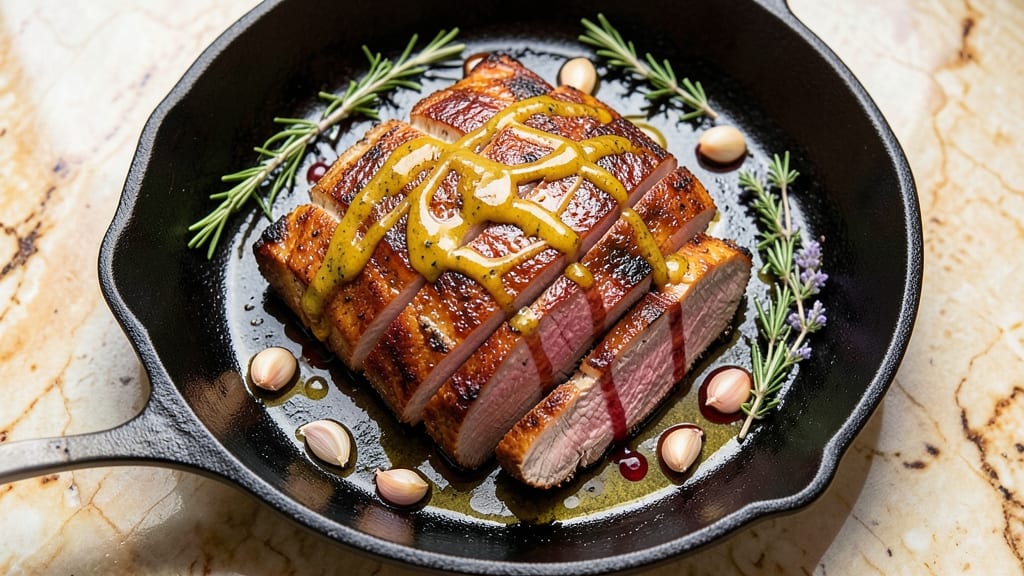
This pork loin roast recipe on stovetop delivers restaurant-quality results with a crispy pan-seared crust and juicy pink centers—no oven required. I perfected this technique after years of testing, and it’s become my go-to for weeknight dinners that impress without the fuss.
The secret? A simple marinade, precise heat control, and patience to let the meat rest properly.
The process starts with a flavorful marinade of garlic, mustard, and herbs that tenderizes the meat while adding depth. On the stovetop, you’ll sear the roast in a hot pan to lock in juices, then finish cooking with a lid to trap moisture and ensure even doneness.
A meat thermometer is your best friend here—145°F internal temperature guarantees perfect results every time.
What you’ll end up with is a tender, juicy roast with a golden-brown crust that’s crispy enough to satisfy even the most skeptical meat lovers. The stovetop method keeps the cooking process simple, with minimal cleanup and no oven preheating.
This recipe is ideal for feeding a family or hosting dinner guests when your oven is already in use.
Pair it with roasted potatoes or a fresh salad for a complete meal. The beauty of this method is its versatility—you can adjust the marinade to suit your taste, and the stovetop approach works for any size roast. Let’s get started on creating a showstopping main course!
Ingredients for pork loin roast recipe on stove top
Nine simple ingredients transform into a juicy, restaurant-worthy pork loin roast without oven fuss.
| Ingredient | Amount | Notes |
|---|---|---|
| Pork Loin Roast 🥩 | 2 lb | Center-cut, 1.5-inch thick |
| Yellow Mustard 🍯 | ¼ cup | Dijon preferred for tang |
| Garlic Cloves 🧄 | 6 cloves | Minced for marinade |
| Fresh Rosemary 🌿 | ½ oz | Chopped, or 1 tbsp dried |
| Fresh Thyme 🌿 | ½ oz | Chopped, or 1 tsp dried |
| Olive Oil 🫒 | ¼ cup | Extra-virgin for richness |
| Salt 🧂 | 1 tbsp | Kosher or sea salt |
| Black Peppercorns 🌶️ | 1 tsp | Freshly cracked |
| Unsalted Butter 🧈 | ½ cup | Cold, cubed for searing |
| Vegetable Oil 🫒 | ¼ cup | High smoke point |
| Apple Cider Vinegar 🍎 | 1 tbsp | For marinade acidity |
| Fresh Parsley 🌿 | ¼ cup | Chopped, for garnish |
The pork loin is the star here. Center-cut and 1.5-inch thick ensures even cooking and that coveted pink center. Grab it from the butcher section—Costco or Whole Foods have great quality. Look for good marbling but not too much fat. For the marinade, Dijon mustard adds depth, while the herbs and garlic infuse flavor. If you're short on time, dried herbs work at half the amount. The apple cider vinegar tenderizes the meat while balancing sweetness. Let the marinade work its magic for at least 4 hours—overnight is even better.
No Dijon mustard? Yellow mustard or even mayo in a pinch—just add a pinch of sugar to mimic the tang. Fresh herbs wilt fast, so buy them just before cooking or use dried at one-third the amount. The butter and oil combo for searing creates that perfect crust—don't skip the cold butter cubes. They melt beautifully and add richness. For extra flavor, add a splash of Worcestershire sauce to the marinade. The pork should rest after cooking, so plan ahead—this isn't a last-minute dish. Trust me, the wait is worth it for that juicy center.
This roast reheats beautifully—20 minutes at 300°F keeps it juicy. Store leftovers in the fridge for 3-4 days or freeze for 3 months. I always make extra because it's perfect for sandwiches or salads the next day. The crust loses crispiness when reheated, but the meat stays tender. For serving, slice against the grain for the best texture. Garnish with fresh parsley right before eating—it adds a pop of color and freshness that makes it look (and taste) restaurant-quality.
Why You'll Love This Recipe
- Stove-Top Magic: I swear by this method—no oven needed, just a skillet and 30 minutes. The mustard glaze caramelizes right on the heat while the rosemary and thyme infuse the pork like a slow cooker, but faster.
- Garlic-Herb Bomb: That crispy mustard crust? It’s ridiculously good. But the real kick comes from the garlic and herbs—minced cloves sear into the pork while the rosemary releases its piney aroma, making every bite taste like a fancy bistro.
- Leftovers That Win: Slice the roast thin, and it reheats beautifully for sandwiches or salads. My kids beg for it cold in wraps the next day, and honestly? That’s the best compliment.
- Budget-Friendly Feast: A single pork loin feeds four for dinner, then stretches into lunches. The mustard and herbs cost pennies, and you’re left with a meal that feels special without breaking the bank. (Yes, even on a Tuesday night.)
Step-by-step instructions for pan-seared pork loin roast
Here's how to get that perfect crust with juicy pink centers—no oven needed.
Prepare the Herb Marinade
In a small bowl, combine the 0.25 cup yellow mustard, 6 minced garlic cloves, 0.5 oz chopped fresh rosemary, 0.5 oz chopped fresh thyme, 1 tbsp apple cider vinegar, and 1 tbsp salt. Whisk until smooth—this tangy, herby blend will tenderize the pork while adding incredible flavor.
Transfer the marinade to a resealable plastic bag and add the 2 lb pork loin roast. Massage the marinade all over the meat, making sure it coats every surface. Let it sit at room temperature for 30 minutes—this ensures even penetration and prevents shocking the meat when you start cooking. Don't skip this step; it makes all the difference in tenderness and flavor.
Sear the Pork Loin to Perfection
Heat a large skillet over medium-high heat and add 0.25 cup vegetable oil. Once the oil shimmers (about 2 minutes), add the 0.5 cup cubed unsalted butter—the butter will foam up, which is normal. Place the marinated pork loin in the skillet and sear for 3-4 minutes per side until the exterior develops a deep golden-brown crust.
I press down gently on the roast during the first minute of searing—this prevents it from curling and ensures even contact with the pan. Flip carefully using a pair of tongs, and don't be tempted to move it around too much. You want that crust to form undisturbed. The internal temperature should reach 140°F at this point—use an instant-read thermometer to check.
Build the Pan Sauce
Remove the pork loin from the skillet and let it rest on a plate. Reduce the heat to medium and add 0.25 cup olive oil to the skillet. Let it heat for 1 minute, then pour in any accumulated juices from the pork. Scrape up all those delicious browned bits from the bottom of the pan—they're packed with flavor.
Return the pork loin to the skillet and spoon the pan sauce over it. Cover the skillet with a lid and let the pork cook for another 5-7 minutes until the internal temperature reaches 145°F. This gentle finish ensures the meat stays juicy while the sauce thickens slightly. The pork should still have a nice pink center—this is what we're aiming for.
Rest and Garnish
Transfer the pork loin to a cutting board and tent loosely with foil. Let it rest for 10 minutes—this is crucial for redistributing the juices. While it rests, spoon the remaining pan sauce over the top and garnish with 0.25 cup chopped fresh parsley. The parsley adds a fresh pop of color and brightness to balance the rich flavors.
Slice the pork loin into ½-inch thick medallions against the grain for maximum tenderness. Serve immediately with the pan sauce drizzled over the top. Each bite should deliver a perfect balance of crispy crust, juicy pink center, and herby, tangy sauce. Trust me, this method delivers restaurant-quality results right in your kitchen.
Pro Tips For Making Pork Loin Roast Recipe On Stove Top
- SEAR FIRST, THEN SLOW: Get that pan screaming hot—cast iron or stainless steel—before adding the pork. A quick 3-minute sear on each side locks in juices and builds flavor, but don’t walk away; after that, drop to medium-low and let it cook uncovered. I used to rush this, and the meat always ended up dry. Patience here makes all the difference.
- MINCE THAT GARLIC: Skip the whole cloves—smash them flat with the side of your knife first, then finely mince. This keeps the garlic from burning while still releasing flavor into the mustard and herbs. (Yes, even if you’re impatient like me.) Fresh rosemary and thyme should be chopped very fine too—no big sprigs left in the pan.
- MUSTARD IS YOUR GLUE: Spread that yellow mustard evenly over the pork before seasoning—it’s the flavor bridge between the meat and the herbs. If you’re using Dijon instead, mix it with a splash of water first to thin it out. I learned this the hard way when my first batch tasted like mustard clumps and nothing else.
- CHECK TEMP WITH A THERMOMETER: Pork loin hits 145°F internally—no guessing. A cheap instant-read thermometer is your best friend here. Pull it 5°F early, tent with foil, and let it rest 5-10 minutes. I’ve seen people cut into it too soon, and the juices just run out. (Your future self will thank you.)
Essential equipment for this dish
Skillet Selection
Your choice of pan makes all the difference for that perfect crust. I swear by a 10-inch cast iron skillet like the Lodge Pre-Seasoned—it retains heat beautifully and creates that coveted caramelized crust.
If you don’t have cast iron, a heavy stainless steel skillet (like All-Clad) works too, though it may need a few extra minutes to heat up. Avoid nonstick—it won’t give you that crispy texture you’re after.
For extra-large roasts, a 12-inch skillet is ideal, but make sure it’s deep enough to handle the butter and oil without spilling over.
Heat Control Tools
A kitchen thermometer is non-negotiable for stovetop roasting. I use the Thermoworks Thermapen One—it’s fast and accurate, giving me confidence in hitting that 145°F internal temperature without overcooking. For heat regulation, a stovetop thermometer (like the Ozeri Touchless Infrared) helps monitor pan temperature, especially if you’re using induction.
If you’re cooking on gas, pay attention to the flame—it should be medium-high for searing, then medium for finishing. A heat diffuser can also help prevent hot spots on sensitive stovetops.
Resting Essentials
Resting the pork is where flavor and texture come together, and a meat thermometer isn’t the only tool you’ll need. Grab a large cutting board (I love the OXO Good Grips) and a kitchen twine for tying if your roast is extra long.
A foil tent (lightly draped) keeps the meat warm while it rests. Pro tip: Place a small plate under the cutting board to catch any juices—this makes slicing cleaner and prevents messes.
For extra insurance, I sometimes use a meat probe thermometer (like the Meater) to monitor the resting temperature—it should stay above 140°F during this time.
Safety Must-Haves
Stovetop roasting requires a few safety precautions. A heat-resistant glove (like Oven Mitts Pro) protects your hands when handling the hot skillet. Keep a fire extinguisher (or baking soda) nearby—just in case. A splash guard (or even a folded paper towel) can help contain any butter splatter.
I also recommend a timer (set it for 10 minutes of resting time) so you don’t forget this critical step. Finally, a sharp chef’s knife (like Wüsthof) ensures clean slices without tearing the meat. Safety first, flavor second!
Optional Upgrades
For the ultimate stovetop experience, consider a smoker box (like Meater’s Smoker Box) if you want to add a hint of smoke to your pan-seared pork. A meat mallet (like Victorinox) helps tenderize thicker cuts if needed.
For presentation, a decorative platter (or even a wooden board) elevates the dish. I also love using tongs with silicone grips—they’re easier to handle than forks and prevent puncturing the meat. These upgrades aren’t essential, but they make the process even smoother and the results even more impressive.
Nutrition facts
Frequently asked questions
Can I use a thinner pork loin roast for this recipe?
Yes, but adjust the cooking time! A 1-inch thick roast will cook faster—about 2-3 minutes per side for searing, then 3-5 minutes covered. Always check with a meat thermometer for 145°F internal temp. Thinner cuts crisp up quicker, so watch closely to avoid overcooking.
What if my pork loin turns gray or loses its pink color?
This usually means it cooked too long! The safe internal temp is 145°F—pink is normal for pork. If it's gray, it may be overcooked. For future attempts, reduce heat slightly after searing and check temps more frequently. Resting time (10 minutes) helps retain color too.
How do I keep the pork from sticking to the pan?
Pat the roast completely dry with paper towels before searing—moisture causes sticking. Use high-heat oil (like vegetable or avocado oil) and let it get properly hot (2 minutes shimmering). A cast iron skillet works best, but avoid nonstick if you want that crispy crust.
Can I make this recipe ahead of time?
Cook the roast fully, let it cool, then refrigerate for up to 3 days. Reheat in a skillet with a splash of broth or water over medium-low heat until warmed through (165°F). The crust won't be as crispy, but the meat stays juicy. For best results, slice and reheat quickly.
What's the best way to serve this stovetop pork?
Pair it with roasted potatoes (tossed in olive oil and rosemary), a crisp green salad, or buttery egg noodles. For extra flair, drizzle the pan sauce over sliced pork and garnish with fresh parsley. The herby marinade also works beautifully with apple slices or a tangy mustard sauce on the side.