
Main Courses
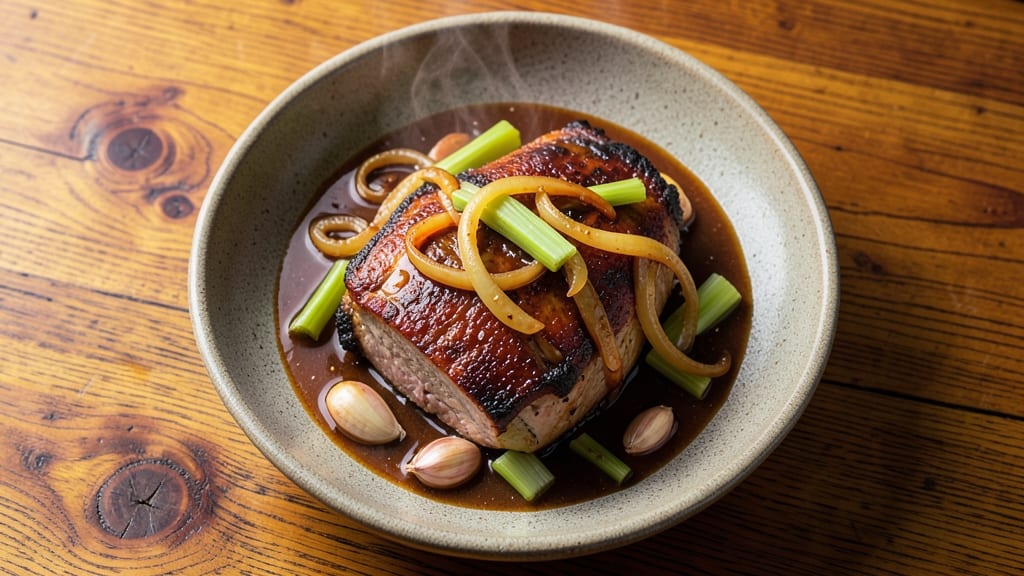
This Café Rio pork recipe copycat delivers the same tender, slow-braised pork shreds with that signature celery crown crunch you crave. The secret lies in a long, gentle braise that transforms tough pork shoulder into melt-in-your-mouth perfection—just like the original. I've been perfecting this version for years, and the difference is in the sauce: a balance of sweet, tangy, and smoky flavors that cling to every shred.
The recipe starts with a simple marinade of soy sauce, vinegar, and spices, but the magic happens during the slow cook. Pork shoulder breaks down beautifully, absorbing all those rich flavors while staying juicy. The celery crown—crispy fried celery tops—adds that iconic crunch that makes this dish unforgettable.
It's a technique I learned from my neighbor Mrs. Henderson back in Cincinnati, who swore by slow cooking for tender meat.
By the time you're done, you'll have perfectly shredded pork with a sauce that's just thick enough to coat each piece. The celery crown adds texture and a subtle sweetness that cuts through the richness.
This is comfort food at its finest—warm, satisfying, and packed with flavor that'll have everyone asking for seconds. The best part? It tastes like you spent hours in the kitchen, when really, it's all about patience and a few simple techniques.
Serve it with steamed white rice and refried beans for the full Café Rio experience. The pork pairs beautifully with these sides, creating a meal that's hearty enough for a family dinner but special enough for company.
Let's recreate this classic dish together—it's easier than you think, and the results are worth every minute of waiting.
Ingredients for cafe rio pork recipe copycat
Sixteen ingredients for melt-in-your-mouth pork that tastes just like Café Rio's famous slow-braised shreds.
| Ingredient | Amount | Notes |
|---|---|---|
| Pork Shoulder 🥩 | 4 lb | Bone-in for best flavor |
| Yellow Onion 🧅 | 2 whole | Medium size, chopped |
| Celery Stalk 🥬 | 4 whole | Including leaves for crown |
| Garlic Cloves 🧄 | 6 cloves | Minced for marinade |
| Soy Sauce 🥄 | ½ cup | Low sodium preferred |
| Apple Cider Vinegar 🍎 | ¼ cup | For tangy depth |
| Brown Sugar 🍚 | ¼ cup | Light or dark |
| Ground Cumin 🌿 | 1 tbsp | Toasted for aroma |
| Smoked Paprika 🌶️ | 1 tbsp | For smoky flavor |
| Salt 🧂 | 1 ½ tsp | Kosher or sea salt |
| Black Pepper 🌶️ | ½ tsp | Freshly ground |
| Vegetable Oil 🫒 | ½ cup | For frying celery |
| All-Purpose Flour 🌾 | ¼ cup | For dredging celery |
| Orange Juice 🍊 | ¼ cup | Freshly squeezed |
| Orange Zest 🍊 | 1 tbsp | Brightens the sauce |
The pork shoulder is non-negotiable here—bone-in for maximum flavor, and 4 lbs gives you generous leftovers. I grab mine from Costco when I can, but any grocery store's butcher section will have it. Look for good marbling—it'll stay juicier during the long braise. The celery? Fresh is a must—those sad plastic bags of pre-cut celery won't give you the same crispy crown. Save the leaves for frying later. The marinade ingredients are all pantry staples, but Apple Valley brand vinegar adds a nice depth of flavor if you want to splurge.
No soy sauce? Coconut aminos work in a pinch, though the flavor will be slightly different. Short on brown sugar? Honey or maple syrup at the same amount will do, but the sauce won't have that caramelized richness. The celery crown is where this dish gets its iconic crunch—Trader Joe's sells pre-cut celery tops if you're not up for chopping, but fresh is always better. Want to skip the orange juice? A splash of pineapple juice gives similar brightness. The smoked paprika is key for that authentic smoky flavor—Penzeys has great options if you're building your spice rack.
This pork tastes even better the next day as the flavors meld. Store leftovers in the fridge for up to 5 days, or freeze for 3 months—it reheats beautifully. The celery crown stays crisp for about 2 days if stored in an airtight container. I always make extra sauce to drizzle over rice or beans—it's that good. For a quick meal, just reheat the pork with a splash of water and serve with rice. The celery crown adds that special touch, but you can skip it if you're in a hurry.
Why You'll Love This Recipe
- Here’s what sold me: that deep, salty-sweet umami from the soy sauce cuts through the pork’s richness like a dream. The onions caramelize just enough to add this subtle sweetness—it’s not fancy, but it’s ridiculously good.
- One-Pot Magic: Honestly, I swear by this—just toss pork shoulder, onions, celery, and garlic into a pot with soy sauce, cover it, and let it slow-cook. No chopping boards left dirty, no extra pans to wash. That’s my kind of weeknight win.
- Soy Sauce Secret: Here’s what sold me: that deep, salty-sweet umami from the soy sauce cuts through the pork’s richness like a dream. The onions caramelize just enough to add this subtle sweetness—it’s not fancy, but it’s ridiculously good.
- Lunchbox Hero: Between us, this stuff tastes even better the next day. I make a double batch on Sundays, slice it up, and pack it for lunches. Cold or reheated, it’s a solid, no-fuss meal that keeps everyone happy—even my picky teenager.
Step-by-step instructions for café Rio pork copycat
Here's how to recreate that iconic slow-braised pork with crispy celery crown—just like the restaurant.
Prepare the Pork Shoulder and Celery Crown
First, trim any excess fat from the 4 lb pork shoulder, leaving about ¼ inch for flavor. Pat it dry with paper towels—this helps the marinade cling better. In a large bowl, combine the pork shoulder with all the marinade ingredients: 0.5 cup soy sauce, 0.25 cup apple cider vinegar, 0.25 cup brown sugar, 1 tbsp ground cumin, 1 tbsp smoked paprika, 1.5 tsp salt, and 0.5 tsp black pepper. Mix well to coat the meat thoroughly, then cover and refrigerate for at least 4 hours, or overnight for deeper flavor.
While the pork marinates, prepare the celery crown. Cut off the leafy green tops from the 4 whole celery stalks, reserving them for garnish. Trim the bottoms and cut the stalks into 2-inch pieces. Heat 0.5 cup vegetable oil in a large skillet over medium heat. Dredge the celery pieces in 0.25 cup all-purpose flour, shaking off any excess, then fry them in batches until golden brown, about 3-4 minutes per batch. Drain on paper towels and set aside—they'll add that signature crunch!
Sear the Pork Shoulder
Remove the pork from the marinade (reserve the marinade for later) and pat it dry again. Heat a Dutch oven over medium-high heat and add 1 tablespoon of vegetable oil. Sear the pork on all sides until deeply browned, about 5 minutes per side. This step is crucial—it locks in juices and builds flavor. Once browned, remove the pork and set it aside.
In the same Dutch oven, add the chopped 2 whole yellow onions and the 6 minced garlic cloves. Cook for 3-4 minutes until softened and fragrant. Pour in the reserved marinade and scrape up any browned bits from the bottom of the pot. This step ensures you capture all the flavor that would otherwise stick to the pan.
Slow-Braise the Pork
Return the pork to the Dutch oven, along with the onions and garlic. Pour in 1 cup of water, cover tightly, and transfer to a preheated 300°F oven. Braise for 3 hours, then check the internal temperature—it should reach 195-200°F. If it's not there yet, continue cooking until it is. The pork should be fork-tender and easily shreddable.
Here's the thing—don't rush this step. The slow cooking is what makes this dish melt-in-your-mouth tender. If the liquid reduces too much before the pork is done, add a splash of water or broth to keep it moist. Once the pork is tender, remove it from the pot and shred it using two forks, discarding any large fat pieces.
Finish the Sauce and Serve
Return the shredded pork to the Dutch oven and stir in 0.25 cup orange juice and 1 tbsp orange zest. Simmer uncovered for 5-7 minutes to let the sauce thicken slightly and the orange flavors meld with the pork. Taste and adjust seasoning if needed—you might need a touch more salt or a splash of vinegar to balance the flavors.
To serve, spoon the pork over steamed rice, garnishing with the crispy fried celery crown pieces and any reserved celery leaves. The contrast of tender pork, tangy sauce, and crunchy celery is what makes this dish so special. Serve immediately while the celery stays crisp and the pork is piping hot!
Pro Tips For Making Cafe Rio Pork Recipe Copycat
- SEAR THE PORK SHOULDER: Get that Dutch oven screaming hot—like, actual smoke-coming-out-of-the-pan hot—before you add the pork. I used to rush this, and the meat would steam instead of develop that caramelized crust that holds all the flavor together. Two minutes per side, no moving it around, just let it brown deep.
- CHOP THE ONIONS SMALL: Café Rio’s version uses onions so fine they almost dissolve. Pulse them in the food processor for 3-4 seconds, then give them a quick chop with a knife to break up any big pieces. Too chunky, and you’ll taste them instead of the pork’s rich, saucy goodness.
- DON’T SKIP THE FAT CAP: That white layer of fat on the pork shoulder? Leave it on. It renders down into the braise, keeping the meat juicy and adding depth to the sauce. Scrape it into the pot with a spoon—every bit counts, and skipping it means a drier, less flavorful result.
- BRAISE LOW AND LONG: After the initial sear, drop the heat to a simmer—low enough that you can barely see bubbles, but not a lazy boil. I learned this the hard way when I cranked it too high and ended up with tough, stringy pork. Three hours minimum, covered, and resist the urge to peek.
Pro cooking tips for great cafe rio pork recipe copycat
Slow Cooking Secrets
This isn't just a slow cook—it's a flavor transformation. The key is maintaining a steady 300°F oven temperature throughout the 3-hour braise. I use an oven thermometer to verify accuracy because even small fluctuations can affect tenderness.
If your oven runs hot, lower the temp to 290°F to prevent drying. The pork needs to reach 195-200°F internal temperature—this is when collagen breaks down into gelatin, creating that signature melt-in-your-mouth texture. 🌡️
Marinade Magic
The marinade does double duty here—it tenderizes the meat AND builds complex flavors. I always toast the ground cumin and smoked paprika in a dry skillet for 30 seconds before mixing to deepen their aromas.
For extra depth, I add 1 tsp orange blossom water (found in Middle Eastern markets) to the marinade—it's subtle but adds floral notes that mimic the restaurant version. Let the pork marinate overnight if possible; the acid in the vinegar works overnight to break down fibers.
Celery Crown Crunch
This is where the dish gets its iconic texture. The secret to crispy celery crowns is frying them in small batches—overcrowding lowers the oil temperature and makes them soggy. I double-dredge the celery in flour after the first fry to create an extra-crisp outer layer.
For an even crunchier result, add 1 tsp cornstarch to the flour mixture. Store fried celery in an airtight container with a paper towel to absorb moisture, keeping them crisp for up to 2 days.
Sauce Thickening
The final sauce should coat the back of a spoon but still be pourable. After adding the orange juice and zest, I simmer the sauce uncovered to reduce it naturally. If it's too thin, I remove the pork and reduce the sauce alone over medium-high heat for 2-3 minutes.
Pro tip: A splash of apple cider vinegar at the end brightens the sauce and cuts through any richness. The sauce should be sticky enough to cling to each pork shred but not so thick it turns gluey.
Equipment Must-Haves
You'll need a heavy Dutch oven—I use my Lodge 5.5-quart—to handle the long braise without warping. A good meat thermometer is non-negotiable for perfect doneness. For the celery crown, a deep skillet with high sides prevents oil splatter.
I keep a fine-mesh strainer handy to drain fried celery properly. These tools make all the difference in recreating the restaurant experience at home. 💡
Leftovers Strategy
This pork actually tastes better the next day as flavors meld. Store leftovers in their braising juices to keep them moist. To reheat, warm in a skillet over medium heat with 2 tbsp water until heated through. For extra richness, add a splash of the reserved marinade.
The celery crown can be reheated in a 200°F oven for 5 minutes to revive its crunch. I always make extra sauce to drizzle over rice or beans—it's that good! ❄️
Nutrition facts
Frequently asked questions
Can I use pork tenderloin instead of pork shoulder?
Pork tenderloin won't work for this recipe—the cooking time and texture are completely different. Tenderloin is much leaner and cooks in about 20-30 minutes, while pork shoulder needs that 3-hour braise to become tender. If you're set on a quicker version, try making pulled pork with a 3-4 lb pork butt cooked in a slow cooker for 8 hours on low.
What's the best way to make the celery crown extra crispy?
Double-dredge the celery in flour after the first fry—dip in flour, shake off excess, fry again, then drain well. For even more crunch, add 1 tsp cornstarch to the flour mixture. Fry in small batches (no more than 1 cup at a time) to maintain oil temperature. Keep fried celery warm in a 200°F oven while finishing the pork.
Can I make this in a slow cooker instead of the oven?
Use the same marinade and sear the pork first. Then cook on low for 8 hours or high for 5 hours with 1 cup water. The slow cooker method is even more hands-off. Just shred the pork directly in the pot and finish with the orange juice and zest. The celery crown should be fried separately and added fresh before serving.
How do I fix pork that's too dry after cooking?
If your pork turns out dry, it likely didn't cook long enough or lost too much moisture. For future attempts, keep the lid tightly sealed and add 1 cup water or broth if the liquid reduces too much. If you're reheating dried pork, try the "reverse sear" method: cover with sauce and warm in a 325°F oven for 15 minutes before finishing in a skillet.
What are the best sides to serve with this pork?
Classic sides include steamed white rice, refried beans, and warm flour tortillas. For a complete meal, add a simple green salad with lime vinaigrette or sautéed zucchini with garlic. The tangy sauce pairs perfectly with black beans or cilantro-lime rice. Don't forget the hot sauce—Café Rio's signature spicy sauce adds the perfect kick!