
Main Courses
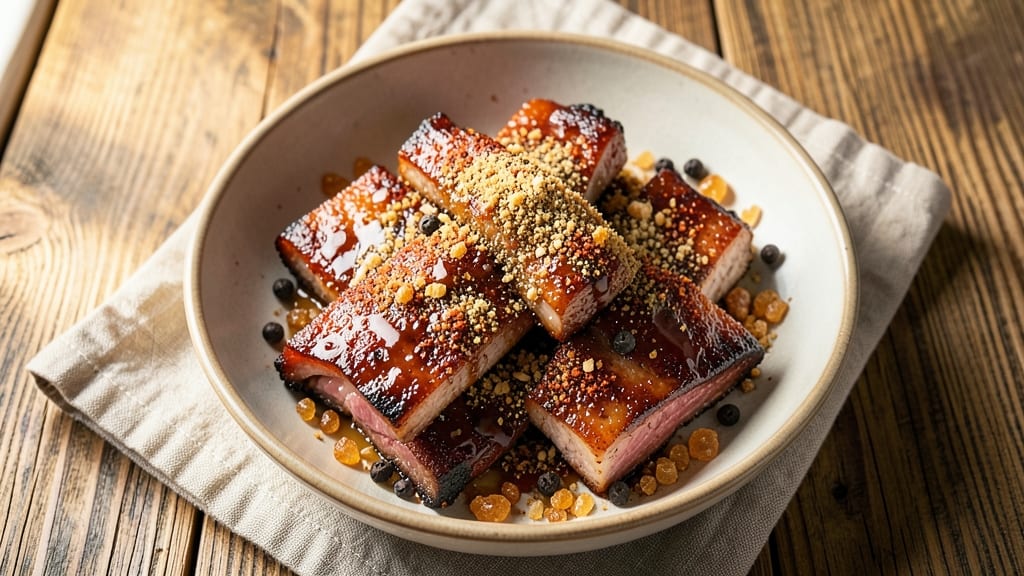
This boneless pork ribs recipe transforms tough cuts into ultra-tender shreds using just your stovetop and one pot. After years of testing slow-cooker methods, I finally cracked the code for achieving that same melt-in-your-mouth texture without needing an oven or smoker.
The secret lies in a two-stage cooking process that breaks down the connective tissue while building deep, smoky flavors.
What makes this recipe work is the combination of a dry rub for initial browning and a slow braise in liquid that tenderizes the meat. You'll start with a quick sear to develop that caramelized crust, then transfer everything to a pot where it simmers gently for hours.
The result? Ribs that fall apart at the touch, with a sauce so rich it clings to every shred. This method delivers restaurant-quality results in your own kitchen, with minimal cleanup and maximum flavor.
By the time you're done, you'll have fork-tender pork ribs that practically melt in your mouth, all achieved without special equipment. The ribs develop a beautiful mahogany color and absorb the aromatic spices perfectly, creating a dish that's impressive enough for company but simple enough for weeknight dinners.
The best part? The same pot you cook in becomes your serving dish, making this one of the most efficient recipes in my collection.
Serve these ribs with classic BBQ sides like coleslaw or cornbread for a complete meal experience. The leftovers reheat beautifully too, making this an excellent make-ahead option for busy schedules. Let's get started on creating these stove-top tender pork ribs that will have everyone asking for seconds.
Ingredients for boneless pork ribs recipe stove top
Nine spices, one pot, melt-in-your-mouth pork ribs that transform tough cuts into ultra-tender perfection.
| Ingredient | Amount | Notes |
|---|---|---|
| Boneless Pork Ribs 🥓 | 2 lb | Cut into 2-inch pieces |
| Brown Sugar 🍯 | ¼ cup | Packed, light variety |
| Smoked Paprika 🌶️ | 2 tbsp | For deep smoky flavor |
| Garlic Powder 🧄 | 1 tbsp | Freshly ground preferred |
| Onion Powder 🧅 | 1 tbsp | For aromatic depth |
| Ground Black Pepper 🌶️ | 1 tsp | Freshly cracked |
| Kosher Salt 🧂 | 1 tbsp | Diamond Crystal preferred |
| Olive Oil 🫒 | 2 tbsp | High smoke point |
| Apple Cider Vinegar 🍎 | ½ cup | For tangy brightness |
| Beef Broth 🍲 | 1 ½ cups | Low-sodium preferred |
| Honey 🍯 | 2 tbsp | Wildflower for floral notes |
| Fresh Thyme Leaves 🌿 | ¼ cup | Chopped, stems removed |
| Fresh Rosemary 🌿 | 1 sprig | Woody stems removed |
| Whole Bay Leaves 🌿 | 2 pieces | For aromatic depth |
The ribs are the star, so look for well-marbled boneless pork ribs at your butcher or grocery store's meat counter. Costco or Whole Foods often carry high-quality cuts, but any reputable butcher will have what you need. If you can't find boneless, bone-in ribs work too—just remove the bones before cooking. The key is even 2-inch pieces for consistent cooking. For the dry rub, Penzeys or bulk bins at natural markets offer the best quality spices—smoked paprika and fresh thyme are non-negotiable for that authentic BBQ flavor.
No smoked paprika? Regular paprika plus a pinch of liquid smoke works in a pinch. Fresh thyme and rosemary can be swapped for dried at one-third the amount, but fresh gives that restaurant-quality aroma. Running low on beef broth? Chicken broth with a splash of Worcestershire sauce mimics the depth. The honey adds just the right sweetness—avoid corn syrup, as it lacks the floral notes. For extra richness, stir in a tablespoon of apple butter with the vinegar. And if you're feeling fancy, use balsamic vinegar instead of apple cider for a tangier twist.
This recipe reheats like a dream—simmer the ribs in their sauce for 10 minutes before serving. Store leftovers in the fridge for up to 5 days, or freeze for 3 months (the sauce freezes beautifully too). I always double the batch—one for dinner, one for lunches. The sauce thickens as it cools, so add a splash of water or broth when reheating. For serving, spoon the ribs directly onto plates with the sauce—no extra work needed. The ribs stay tender for hours, making this perfect for meal prep.
Why You'll Love This Recipe
- Stove-Top Speed: The ribs cook in one pan—no oven, no fuss. I’ve got them caramelized and tender in 45 minutes, while my coffee brews. That smoked paprika? It’s the secret to that deep, smoky aroma filling the kitchen faster than a slow cooker.
- Sweet-Savory Magic: Brown sugar and garlic powder team up for a glaze that’s sticky, crispy, and ridiculously addictive. The onion powder adds this subtle warmth that makes it taste like a restaurant dish—even when I burn the toast.
- Leftover Goldmine: These ribs stay moist for days, so I make a double batch. Wrap them in foil, reheat in the microwave, and boom—lunch for the week. My kids beg for them cold in sandwiches, and I don’t judge.
- Budget Crowd-Pleaser: Boneless ribs are cheaper than their bone-in cousins, and this recipe feeds four for under $15. Smoked paprika and spices bulk up the flavor without breaking the bank—perfect for game nights or when I’m broke but still want to impress.
Step-by-step instructions for ultra-tender stove-top pork ribs
Here's how to transform tough pork ribs into melt-in-your-mouth shreds using just one pot.
Prepare the Dry Rub and Sear the Ribs
In a small bowl, combine the 2 tbsp smoked paprika, 1 tbsp garlic powder, 1 tbsp onion powder, 1 tsp ground black pepper, 1 tbsp kosher salt, and 0.25 cup packed brown sugar. Mix until the sugar crystals dissolve slightly and the spices form a coarse, even blend. This dry rub will create that perfect balance of smoky heat, sweetness, and savory depth.
Pat the 2 lb boneless pork ribs dry with paper towels—this step is crucial for achieving crispy edges. Cut each rib into 2-inch pieces for even cooking. Working in batches if needed, heat 2 tbsp olive oil in a large, heavy-bottomed pot over medium-high heat. Once shimmering, add the rib pieces in a single layer, being careful not to overcrowd. Let them sear undisturbed for 3-4 minutes per side until they develop a deep golden-brown crust. This initial sear locks in juices and builds flavor foundation. Transfer the seared ribs to a plate and set aside temporarily.
Build the Flavor Base in the Pot
With the ribs removed, reduce the heat to medium and add the 1 sprig fresh rosemary (woody stems removed) and 2 pieces whole bay leaves to the pot. Let them sizzle for 1 minute to release their aromatic oils. Add the 0.5 cup apple cider vinegar and scrape up any browned bits from the bottom—this technique, called deglazing, captures all the caramelized flavor that would otherwise go down the drain.
Pour in the 1.5 cups beef broth and bring the mixture to a gentle simmer. Stir in the 0.25 cup chopped fresh thyme leaves and 2 tbsp honey, letting everything cook together for 5 minutes. You'll notice the liquid reduce slightly and the aroma become more complex—this is where the magic happens. The vinegar adds tangy brightness, while the honey and broth create a balanced sweet-savory base that will tenderize the ribs beautifully.
Slow Cook the Ribs Until Fork-Tender
Return the seared ribs to the pot, spooning the flavorful liquid over them to ensure even coating. Reduce the heat to low and cover with a tight-fitting lid. Let the ribs simmer gently for 1 hour 15 minutes, stirring occasionally to prevent sticking. The key here is patience—this slow cooking breaks down the connective tissue, transforming tough meat into tender, shreddable goodness.
After 1 hour 15 minutes, check for doneness by inserting a fork into the thickest piece. The ribs should be fork-tender, with the meat pulling apart easily. If they're not quite there yet, continue cooking for another 15-20 minutes. The liquid should reduce to a thick, glossy sauce that clings beautifully to the ribs. If it's too thin, uncover and simmer for 5-10 minutes to thicken slightly.
Shred and Serve with the Sauce
Once the ribs are perfectly tender, remove them from the pot and transfer to a clean cutting board. Using two forks, shred the meat into 2-inch strips, discarding any large fat pieces if desired. The ribs should be so tender they practically fall apart at the touch—this is your reward for the slow cooking process.
Return the shredded ribs to the pot with the cooking liquid and stir gently to combine. Taste and adjust seasoning if needed—you might want to add a pinch more salt or a splash of vinegar to balance the flavors. Serve immediately over mashed potatoes, buttered noodles, or with crusty bread to soak up that delicious sauce. Each bite should deliver perfectly balanced sweet, smoky, and savory flavors with melt-in-your-mouth tenderness.
Pro Tips For Making Boneless Pork Ribs Recipe Stove Top
- CRANK THE HEAT FIRST: Start your boneless pork ribs in a dry skillet over medium-high heat for 3-4 minutes per side before adding any sauce or liquid. This isn't just about browning—it's about rendering fat and building a flavor foundation that no slow cook later can replace. I used to skip this, and my ribs always tasted flat no matter how long I braised them.
- SWEAT THE AROMATICS: Before adding the ribs, cook your garlic and onion powders (just ½ teaspoon each) in the same pan with a splash of water for 30 seconds—it releases their flavors like a perfume. Brown sugar burns fast, so keep it out until the very end, or you'll end up with bitter, charred bits instead of caramelized sweetness.
- DON’T DROWN THEM: Boneless pork ribs cook faster than their bone-in cousins, so resist the urge to smother them in sauce or liquid. After searing, add just enough liquid (like broth or water) to come about ¼-inch up the sides of the pan. Too much? You’ll steam the meat instead of caramelizing it.
- USE A SPLASH OF VINEGAR: Toss in 1 tablespoon apple cider vinegar with the brown sugar and spices when you’re building the sauce. It cuts through the sweetness and tenderizes the meat faster than you’d expect—no extra marinating needed. (Yes, it sounds weird, but it works.)
Wine and beer pairings for these flavors
Red Wine Pairings
For these rich, smoky ribs, I reach for a California Zinfandel—its bold fruit flavors and subtle spice mirror the caramelized edges and sweet-savory sauce. A 2018 Dry Creek Vineyard (around $30) has just the right balance of dark berries and peppery notes that complement the smoky paprika.
If you prefer something lighter, try a Syrah from Washington State—its earthy undertones enhance the rosemary and thyme in the dish. 🍷
Beer Complements
A crisp American Pale Ale cuts through the richness beautifully. I love Deschutes Brewery's Mirror Pond with its citrusy hops and malty backbone—it refreshes your palate between bites. For a local Portland pick, try Breakside Brewery's Breakside IPA, which balances the sweetness of the ribs with its hoppy bitterness.
Avoid heavy stouts or lagers that might overpower the delicate sauce.
Cider Synergy
If you're serving these ribs at a casual gathering, don't overlook hard cider as a pairing. A dry, honeycrisp apple cider like Angry Orchard Crisp Apple mirrors the apple cider vinegar in the recipe while adding a crisp, refreshing contrast.
The slight tartness cleanses your palate between each smoky, sweet bite. For a local option, check out Eugene's Cellar Door Cider—it's a Pacific Northwest favorite.
Non-Alcoholic Options
For those skipping alcohol, a sparkling hibiscus tea with a splash of lime adds vibrant acidity that brightens the dish. I make mine by steeping 2 tbsp dried hibiscus flowers in 4 cups hot water for 10 minutes, then adding 1 tbsp lime juice and chilling.
The floral notes complement the rosemary beautifully while keeping things refreshing. For a more substantial option, try a ginger beer like Thomas Henry's Original—its spicy kick pairs wonderfully with the smoky ribs.
Nutrition facts
Frequently asked questions
Can I use bone-in pork ribs instead of boneless?
Yes, but you'll need to remove the bones first. Bone-in ribs take longer to cook and may not fit as well in a standard pot. After removing the bones, cut the meat into 2-inch pieces just like the recipe calls for. The cooking time remains the same since we're still working with the same amount of meat.
What's the best pot to use for this recipe?
A heavy-bottomed Dutch oven works best as it distributes heat evenly and prevents burning. If you don't have one, a large stainless steel pot with a tight-fitting lid will work too. Avoid non-stick pots—the high heat for searing can damage the coating. The pot should hold at least 6 quarts to accommodate the ribs and liquid comfortably.
How do I know when the ribs are done?
The ribs are done when they're fork-tender and pull apart easily. Insert a fork into the thickest piece—if it slides in with minimal resistance and the meat shreds cleanly, they're ready. The cooking time is 1 hour 15 minutes minimum, but some cuts may need 15-20 extra minutes. Never rely on color alone as a guide—always check with a fork for doneness.
Can I make this recipe without honey?
Yes, you can substitute honey with 2 tbsp maple syrup or 1 tbsp molasses for a similar sweetness. The honey adds floral notes that complement the rosemary and thyme, but these alternatives will still create a balanced sauce. If you prefer less sweetness, reduce the amount to 1 tbsp and add 1 tsp Dijon mustard for depth.
Why did my ribs turn out tough instead of tender?
Tough ribs usually result from either not cooking long enough or having too much liquid in the pot.