
Main Courses
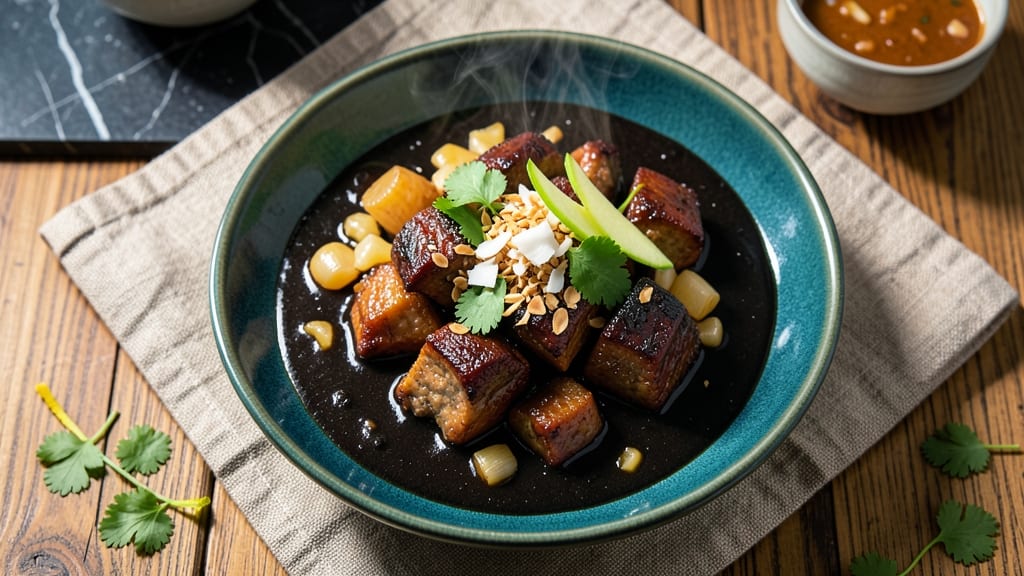
This Sinhala black pork curry brings the bold, aromatic flavors of Sri Lanka straight to your kitchen, where tender pork simmers in a velvety coconut milk sauce spiced with cinnamon, cardamom, and black pepper.
As someone who's spent years perfecting pork dishes from around the world, I can tell you this recipe delivers restaurant-quality depth with a technique that's surprisingly approachable for home cooks.
The secret lies in slow-cooking the pork until it's fall-apart tender, then building layers of flavor through a carefully balanced spice blend and rich coconut milk.
Unlike many curries that rely on heavy cream, this version uses traditional Sri Lankan techniques where coconut milk creates both richness and subtle sweetness that cuts through the heat. The result? A dish that's deeply satisfying yet balanced—perfect for special occasions or weeknight comfort.
What makes this curry truly special is how the spices develop over time. The pork absorbs the aromatic flavors while the sauce thickens into a silky, glossy finish that coats every bite.
Served with steamed jasmine rice and a side of spicy sambol, this becomes a complete meal experience that transports you to the streets of Colombo. The best part? The flavors only get better as it sits, making it ideal for meal prep.
Whether you're cooking for family gatherings or simply craving something exotic yet familiar, this Sinhala black pork curry delivers the authentic taste of Sri Lanka with a method that respects tradition while working in any home kitchen. Let's get started on creating this flavor-packed masterpiece.
Ingredients for black pork curry sinhala
Authentic Sri Lankan flavors start with these simple yet transformative ingredients.
| Ingredient | Amount | Notes |
|---|---|---|
| Pork Shoulder 🥩 | 2 lb | Bone-in for best flavor, cut into 2-inch cubes |
| Full-Fat Coconut Milk 🥥 | 1 can | 13.5 oz can, unsweetened (BPA-free preferred) |
| Coconut Oil 🫒 | 2 tbsp | For searing pork (virgin or refined) |
| Yellow Onion 🧅 | 1 whole | Medium size, finely chopped |
| Garlic Cloves 🧄 | 8 cloves | Peeled, lightly crushed |
| Fresh Ginger 🌿 | 2 tbsp | Finely grated (about 1 oz) |
| Ground Cinnamon 🌶️ | 1 tsp | Ceylon cinnamon preferred |
| Ground Cardamom 🌿 | ½ tsp | Freshly ground for best aroma |
| Black Peppercorns 🌶️ | 1 tsp | Freshly cracked, not pre-ground |
| Cloves 🌶️ | 4 whole | Lightly crushed |
| Cayenne Pepper 🔥 | ¼ tsp | Adjust for heat preference |
| Tomato Paste 🍅 | 1 tbsp | High-quality, no salt added |
| Jasmine Rice 🍚 | 1 ½ cups | Uncooked, long-grain preferred |
| Lemon Juice 🍋 | 1 tbsp | Freshly squeezed |
| Salt 🧂 | 1 ½ tsp | Diamond Crystal preferred |
The pork shoulder is non-negotiable here—bone-in cuts stay juicier and absorb more flavor. Look for well-marbled pieces at Whole Foods or your local Asian market; the extra fat renders down beautifully. If you can't find Ceylon cinnamon, substitute regular ground cinnamon, but reduce to ½ teaspoon—the flavor profile differs slightly. For the coconut milk, Thai Kitchen or Aroy-D brand are my go-tos—they have that perfect balance of creaminess without being watered down. Fresh ginger is a must; the freeze-dried stuff just doesn't cut it.
No Ceylon cinnamon? Substitute cassia cinnamon at half the amount, but toast the spices first in a dry pan for 30 seconds to deepen their aroma. Running out of cardamom pods? Ground cardamom works at double the quantity, though the texture will differ. The tomato paste can be skipped entirely if you prefer a purer coconut flavor, but it adds a subtle depth that ties everything together. For the jasmine rice, use a 1:1.5 rice-to-water ratio—it should be fluffy but not mushy. And if you're feeling adventurous, swap half the pork for chicken thighs—they hold up beautifully too.
This curry tastes even better the next day, so make a double batch if you're feeding a crowd. Store leftovers in an airtight container for up to 5 days in the fridge, or freeze for 3 months in portion-sized containers. The sauce thickens as it cools, so a splash of water or coconut milk revives it beautifully. For meal prep, cook the rice separately and reheat just before serving—it keeps its texture better that way.
Why You'll Love This Recipe
- One-Pot Magic: I swear by this recipe—just chop, sear, simmer. The pork shoulder melts into tender shreds while the coconut milk thickens into a glossy, spiced sauce. No fancy tools, no stress, and honestly? The mess is minimal.
- Deep Umami Bomb: That blackened garlic and onion caramelization? It’s the secret weapon. The pork soaks up the smoky, slightly bitter notes from the curry powder, then gets balanced by the creamy coconut milk. It’s rich but not heavy—like a hug in a bowl.
- Leftover Goldmine: Between us, this curry tastes better the next day. The flavors meld into something even more complex, and reheating it is a breeze. I make a double batch on Sundays because it’s my go-to for lazy weeknights or when unexpected guests show up.
- Budget-Friendly Feast: Pork shoulder is affordable, and coconut milk stretches far. A single can feeds four, and the leftovers freeze beautifully. I’ll be real: this is how I stretch my grocery budget without sacrificing flavor—no sad, dry meat here.
Step-by-step instructions for black pork curry Sinhala recipe
Here's how to craft this velvety, spice-infused masterpiece that captures Sri Lankan home cooking.
Prepare the Pork and Aromatics
Cut the 2 lb pork shoulder into 2-inch cubes—this size ensures even cooking and maximum flavor absorption. Pat them dry with paper towels to remove surface moisture, which helps create a better sear later. In a large mixing bowl, combine the finely chopped yellow onion, lightly crushed garlic cloves, finely grated ginger, ground cinnamon, ground cardamom, cracked black peppercorns, lightly crushed cloves, and cayenne pepper. Mix well to distribute the spices evenly.
Add the pork cubes to the spice mixture and toss gently to coat each piece thoroughly. Let them marinate for 15-20 minutes at room temperature—this allows the spices to penetrate the meat and develop deeper flavor. While the pork marinates, measure out the 1 tablespoon tomato paste and set it aside for later.
Sear the Pork for Maximum Flavor
Heat a large, heavy-bottomed pot or Dutch oven over medium-high heat. Add the 2 tablespoons coconut oil and let it get hot but not smoking. Working in batches if needed, add the marinated pork cubes and sear for 3-4 minutes per side until they develop a deep golden-brown crust. This step is crucial—it locks in juices and builds rich, caramelized flavors that form the base of your curry.
Once all pork is seared, remove it from the pot and set it aside. In the same pot, add the 1 tablespoon tomato paste and stir for 30 seconds to coat the bottom, creating a sticky layer of flavor. This will deepen the complexity of your curry as it cooks.
Build the Spiced Coconut Milk Base
Pour in the 1 can full-fat coconut milk and stir to combine with the tomato paste. Add 1.5 teaspoons salt and bring the mixture to a gentle simmer over medium heat. Let it cook uncovered for 10-12 minutes, stirring occasionally, until the liquid reduces slightly and thickens. You'll notice the spices begin to infuse the coconut milk, creating a fragrant, aromatic base.
Return the seared pork to the pot and nestle it into the coconut milk mixture. Add the 1 tablespoon freshly squeezed lemon juice and stir gently. The acidity from the lemon juice brightens the flavors and balances the richness of the coconut milk. Cover the pot and let it simmer gently for 45-50 minutes on low heat, stirring occasionally to prevent sticking. The pork should be tender enough to pierce easily with a fork.
Cook the Jasmine Rice
While the curry simmers, prepare the 1.5 cups jasmine rice according to package instructions. I prefer using a 1:1.5 rice-to-water ratio for perfectly fluffy grains. Bring the water to a boil, add the rice, reduce heat to low, cover, and let it steam for 15 minutes. Remove from heat and let it sit covered for 10 minutes before fluffing with a fork.
Here's the thing—don't skip the resting time. It allows the steam to finish cooking the rice evenly, ensuring each grain is tender and separate. If you're serving immediately, keep the rice covered until ready to plate.
Finish and Serve
Once the pork is fork-tender and the curry has thickened to your desired consistency, taste and adjust the seasoning if needed. The curry should be rich, aromatic, and slightly spicy from the cayenne. If it's too thick, add a splash of water or coconut milk to reach your preferred texture.
Serve the black pork curry hot over the fluffy jasmine rice. The contrast between the tender, spiced pork and the fragrant rice creates a perfect balance. Garnish with a sprinkle of fresh cilantro if you like, though it's optional. This dish is best enjoyed fresh, so don't wait too long before serving—every bite should be warm and full of flavor.
Pro Tips For Making Black Pork Curry Sinhala
- Brown the Pork First: Don’t skip the sear—cut the pork shoulder into 2-inch chunks, then brown them in coconut oil over medium-high heat for 5-6 minutes until deeply caramelized. I used to rush this, and the curry just didn’t have that rich, smoky depth. Let the meat develop color before adding onions or garlic.
- Use Two Coconut Milks: Split your full-fat coconut milk: start with 1 cup to deglaze the pan after browning the pork, then add the rest later. The first batch absorbs flavors, while the second keeps the curry creamy without thinning it out. (Yes, even if you’re impatient like me.)
- Simmer Low and Slow: After adding the coconut milk, reduce heat to the lowest setting and let it bubble gently—no rushing. I learned this the hard way when my curry split into a greasy, curdled mess. Cover and cook for at least 45 minutes, stirring occasionally, until the pork falls apart.
- Toast the Onions: Cook the sliced onions in coconut oil for 8-10 minutes until they’re golden and slightly crisp at the edges. This adds sweetness and texture that raw onions can’t match. Skip this, and your curry will taste flat—trust the process.
Flavor customization for these flavors
Spice Level Control
Adjust the heat to your preference by modifying the cayenne pepper—start with ¼ teaspoon for mild, ½ teaspoon for medium, or ¾ teaspoon for bold. I find Penzeys brand cayenne delivers consistent heat without bitterness.
For extra depth, toast the spices in a dry pan for 30 seconds before adding to the pork—this enhances their aroma without adding heat. 🔥
Sweet-Spicy Balance
Add 1 tablespoon honey or agave syrup during the final 5 minutes of cooking to mellow the spice. This technique is inspired by my time in Charleston, where sweet and spicy pairings are common.
The natural sweetness of the coconut milk already balances the heat, but extra caramelization takes it to another level.
Coconut Milk Variations
For a lighter texture, replace half the full-fat coconut milk with light coconut milk—this reduces richness while keeping the creamy body. If you prefer extra richness, add 2 tablespoons heavy cream at the end.
I’ve also experimented with coconut yogurt (¼ cup) for a tangy twist, but stick to full-fat for authenticity.
Herb Infusions
Stir in 1 tablespoon fresh curry leaves or cilantro stems during the last 10 minutes of simmering for an authentic Sri Lankan touch. These herbs add complexity without overpowering the dish. For a modern twist, add ½ teaspoon turmeric at the start—it enhances the sauce’s golden hue and earthy notes.
Protein Swaps
Replace pork with chicken thighs (bone-in for flavor) or tofu (extra-firm, pressed) for a vegetarian version. If using chicken, reduce cooking time by 15 minutes—it cooks faster than pork.
For seafood lovers, swap in firm white fish like cod or snapper, but cook for only 10 minutes after adding to the sauce to avoid overcooking.
Slow-Cooker Adaptation
Transfer all ingredients to a 6-quart slow cooker after searing the pork. Cook on LOW for 6-7 hours or HIGH for 3-4 hours, stirring occasionally. The slow cooker’s gentle heat deepens the flavors without risk of burning.
I’ve tested this method with Hamilton Beach slow cookers**—their even heat distribution is ideal for curries.
Nutrition facts
Frequently asked questions
What makes this Sinhala black pork curry different from other curries?
This recipe captures authentic Sri Lankan techniques using coconut milk as the base rather than heavy cream, creating a naturally rich yet lighter sauce. The spice blend includes Ceylon cinnamon and cardamom for warmth, while lemon juice brightens the flavors. Unlike many curries that rely on tomatoes, this version uses just a touch of tomato paste for depth without overpowering the coconut's natural sweetness.
Can I use pork tenderloin instead of pork shoulder?
Pork tenderloin will work, but it cooks much faster and may dry out. For best results, cut it into 1-inch cubes and reduce the total cooking time to 25-30 minutes after adding to the sauce. The meat will be more tender but slightly less flavorful since it has less fat and connective tissue than shoulder. For maximum authenticity, stick with bone-in pork shoulder.
How do I adjust the spice level for sensitive eaters?
Reduce the cayenne pepper to ¼ teaspoon or omit it entirely. For warmth without heat, add ½ teaspoon ground coriander or 1 teaspoon mild paprika instead. The black peppercorns and cloves provide aroma without significant heat. Always taste the sauce before serving—you can add more salt or a splash of coconut milk to balance flavors if needed.
What are the best sides to serve with this curry?
Traditionally, serve with jasmine rice and sambol (Sri Lankan chili relish). For a complete meal, add roti or appam (Sri Lankan hoppers) on the side. In my kitchen, I often pair it with steamed greens like spinach or mustard greens to cut through the richness. A simple cucumber salad with lime dressing also refreshes the palate beautifully.
Can I make this curry ahead of time?
This curry tastes even better the next day! Store in an airtight container in the fridge for up to 5 days or freeze for 3 months. Reheat gently on low heat, adding a splash of water or coconut milk if the sauce thickens too much. The flavors deepen as they meld, making it perfect for meal prep. Just avoid reheating in the microwave—it can make the sauce greasy.