
Main Courses
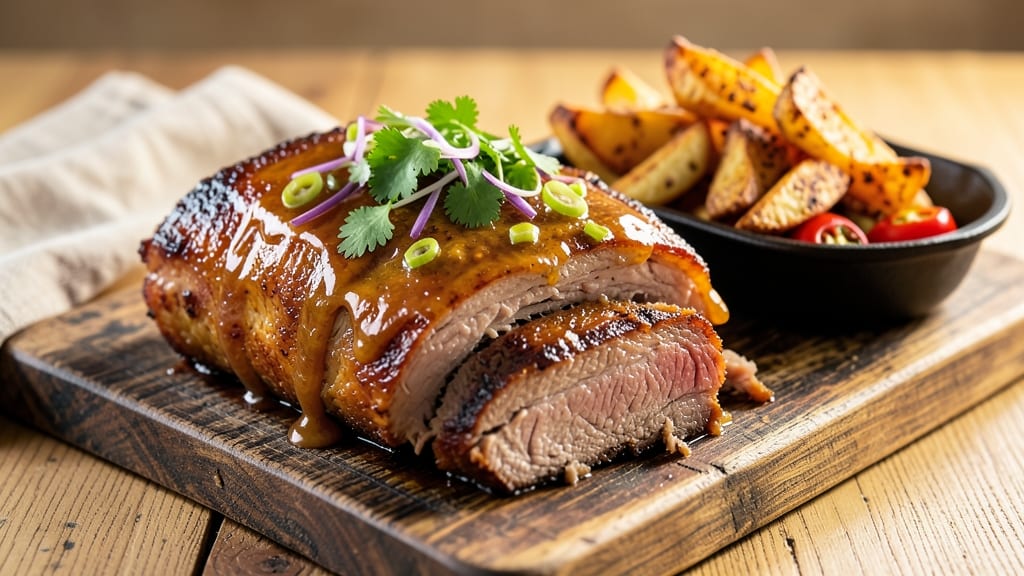
This best smoked pulled pork recipe for pellet grills delivers restaurant-quality results with minimal fuss—fall-off-the-bone tender in just 6 hours.
After years of perfecting low-and-slow techniques, I’ve cracked the code for consistent, juicy pork every time, using the precise temperature control and wood pellet flexibility that makes pellet grills ideal. The secret lies in the rub, the smoke, and knowing exactly when to wrap.
What sets this apart is the foolproof method that works for both pork shoulder and brisket, with pellet grill-specific tips like choosing the right wood (hickory for bold flavor, apple for subtle sweetness) and maintaining that 225°F magic number.
We’ll monitor internal temps like a pro, ensuring tender perfection without drying out. No guesswork—just reliable, mouthwatering results that’ll have everyone asking for seconds.
The payoff? Juicy, smoky pork that practically melts in your mouth, ready to shred for sandwiches, tacos, or bowls. The pellet grill’s precision keeps temps steady, while the wood pellets infuse deep, authentic flavor without the hassle of managing charcoal or gas.
This isn’t just pulled pork—it’s a game-changer for your next cookout or meal prep session.
Whether you’re a seasoned pitmaster or new to smoking, this method delivers restaurant-quality tenderness with minimal effort. Let’s get started—your pellet grill is about to become your new favorite tool for creating showstopping pulled pork.
Ingredients for best smoked pulled pork recipe pellet grill
Six essential ingredients plus the magic of your pellet grill—this is how you make restaurant-quality pulled pork at home.
| Ingredient | Amount | Notes |
|---|---|---|
| Pork Shoulder (Bone-In) 🥩 | 6 lb | Well-marbled, 3-4 inches thick |
| Yellow Mustard 🍯 | ¼ cup | For sticky base layer |
| Brown Sugar 🍚 | ½ cup | Light or dark variety |
| Smoked Paprika 🌶️ | 2 tbsp | For deep smoky flavor |
| Garlic Powder 🧄 | 1 tbsp | Freshly ground preferred |
| Onion Powder 🧅 | 1 tbsp | For balanced flavor |
| Ground Black Pepper 🌶️ | 1 tbsp | Freshly cracked |
| Kosher Salt 🧂 | 1 tbsp | Diamond Crystal preferred |
| Apple Wood Pellets 🌳 | 2 lb | For subtle sweetness |
| Hickory Wood Pellets 🌳 | 1 lb | For bold smoky flavor |
| Butcher Paper 📄 | 1 sheet | For wrapping at 165°F |
| Aluminum Foil 📦 | 1 sheet | Heavy-duty preferred |
| Barbecue Sauce 🍅 | 1 cup | For serving, optional |
The pork shoulder is the star—look for good marbling and a cut that’s at least 3-4 inches thick for even cooking. Costco or local butchers usually have the best selection, but any grocery store carries it. Trim off any excess fat if it’s particularly thick, but leave some for flavor. The wood pellets make all the difference here: apple for subtle sweetness and hickory for bold smokiness are my go-tos, but experiment with cherry or pecan for variety. Pro tip: buy pellets in bulk from Traeger or Pit Boss—they stay fresh longer than the small bags at stores.
No smoked paprika? Regular paprika plus a pinch of liquid smoke works in a pinch, though it won’t be as authentic. The brown sugar can be swapped for white sugar or maple syrup if you’re avoiding refined sugar. For the mustard base, Dijon mustard adds a tangy kick, but any yellow mustard will do. If you’re short on time, pre-made rubs from Traeger or Stubb’s save effort, though I always recommend making your own for that extra layer of flavor. The butcher paper is non-negotiable for the wrap—aluminum foil alone won’t give you that perfect bark.
This pork tastes even better the next day, so plan ahead if you’re serving a crowd. Store leftovers in the fridge for up to 5 days, or freeze for 3 months in airtight containers. I like to portion it into meal-sized bags—perfect for quick sandwiches or tacos. The rub keeps for 3 months in an airtight container, so make extra for future smokes. And if you’re feeling fancy, save some of the cooking juices to drizzle over the top before serving—game-changer for extra moisture.
Why You'll Love This Recipe
- Sweet-Savory Magic: That yellow mustard base cuts through the richness while the brown sugar caramelizes into something dangerously addictive. The garlic powder? It’s the secret handshake—simple, but chef’s kiss when it hits your tongue.
- Budget BBQ Win: Bone-in pork shoulder stretches further than you’d think, and the spices cost pennies. Between us, this is how I feed my family for under $10 a serving without sacrificing flavor. (Yes, even on a Tuesday night.)
Step-by-step instructions for smoked pulled pork on pellet grill
Here's how to transform that pork shoulder into melt-in-your-mouth perfection using your pellet grill.
Prepare the Pork Shoulder with Dry Rub
Remove the pork shoulder from the refrigerator and let it sit at room temperature for 1 hour before smoking. This ensures even cooking throughout. Pat the meat dry with paper towels—this step is crucial for developing that perfect bark later.
In a small bowl, combine the 0.5 cup brown sugar, 2 tablespoons smoked paprika, 1 tablespoon each of garlic powder, onion powder, ground black pepper, and 1 tablespoon kosher salt. Mix well to create a fine, even rub. Generously coat all sides of the pork shoulder with this mixture, pressing it into the meat so it adheres well. The rub should look like it's sticking to every nook and cranny of the shoulder.
Set Up Your Pellet Grill for Low and Slow Cooking
Fill the pellet hopper with a mix of 2 pounds apple wood pellets and 1 pound hickory wood pellets. The apple wood adds subtle sweetness while the hickory provides that bold, traditional smoky flavor. Set your pellet grill to 225°F and allow it to preheat for 15 minutes to ensure stable temperature control.
Place the pork shoulder fat-side up on the grill grates. The fat will render slowly and baste the meat as it cooks, creating that irresistible flavor. Close the lid and resist the urge to peek during the first 2 hours—frequent opening causes temperature fluctuations that can extend cook time.
Monitor the Cooking Process and Wrap at the Stall
Smoke the pork shoulder undisturbed until the internal temperature reaches 165°F, which typically takes 4-5 hours. This is when you'll hit "the stall"—the temperature plateaus as moisture evaporates from the meat. Don't be alarmed; this is completely normal and part of the process.
When the stall occurs, it's time to wrap the pork shoulder. Place the 1 sheet of butcher paper on a flat surface and lay the pork shoulder in the center. Fold the butcher paper over the meat and seal it tightly by folding the edges inward, creating a sealed packet. This technique, known as the "Texas crutch," helps you power through the stall while maintaining that beautiful bark on the outside. Return the wrapped pork to the grill and continue cooking.
Cook Until Probe-Tender Perfection
Continue smoking the pork shoulder until the internal temperature reaches 203°F and a meat probe slides in like butter with no resistance. This usually takes an additional 2-3 hours, but trust the probe test over the thermometer—tenderness matters more than temperature. The meat should pull apart easily, falling apart at the slightest touch.
Once probe-tender, remove the pork shoulder from the grill and transfer it to a cutting board. Tent loosely with the 1 sheet of aluminum foil and let it rest for 30-60 minutes. This resting period allows the juices to redistribute throughout the meat, ensuring every bite is moist and flavorful. The pork will continue to rise in temperature during this time, reaching a final internal temperature of around 210°F.
Shred and Serve with Barbecue Sauce
After resting, carefully unwrap the pork shoulder and shred the meat using two forks or a meat claw. Discard any large pieces of fat or connective tissue. The meat should fall apart easily, with no resistance when you pull it. Taste a small piece—it should be incredibly tender and infused with smoky flavor.
Serve the pulled pork immediately with the optional 1 cup barbecue sauce on the side for dipping or drizzled over the top. This dish pairs beautifully with classic barbecue sides like coleslaw, cornbread, or baked beans. The combination of the tender, smoky pork and the sweet, tangy barbecue sauce creates a truly unforgettable meal.
Pro Tips For Making Best Smoked Pulled Pork Recipe Pellet Grill
- CRANK THE HEAT FIRST: I learned this the hard way—start your pellet grill at 225°F, but hit it with a 30-minute blast at 350°F right out of the gate. That initial sear locks in flavor and keeps the rub from sliding off while you’re not watching.
- BRINE THE PORK SHOULDER: Skip the dry rub if you’re short on time, but soak the bone-in pork shoulder in a mix of 1 gallon water, ½ cup kosher salt, and ¼ cup brown sugar for 12 hours. The meat stays juicier, and the sugar caramelizes into a subtle crust during smoke.
- WRAP AT 165°F: Don’t wait until the pork is falling apart—wrap it in butcher paper or foil at 165°F to speed up cooking without drying it out. I used to push it to 190°F before wrapping, and the bark turned to sawdust.
- USE A MUSTARD SLATHER: After the initial smoke, slather the pork with yellow mustard every 2 hours. It’s not just for flavor—it acts as a glue for the rub and prevents the bark from cracking. (Yes, even if you’re impatient like me.)
Storing and reheating this recipe
Refrigerator Storage
Let your smoked pulled pork cool to room temperature for 1-2 hours before storing—this prevents condensation that can make it soggy. Transfer to an airtight container with a tight-fitting lid (I love Glasslock containers for this) and refrigerate for up to 5 days.
The flavors actually deepen overnight as the spices meld together. Store in single-serving portions if you plan to reheat later for quick meals. 💫
Freezer Prep Tips
For longer storage, freeze your pulled pork in quart-sized freezer bags with 1-inch headspace—this prevents ice crystals from forming. Squeeze out excess air before sealing to avoid freezer burn. Label with the date and freeze for up to 3 months.
I like to portion it into 1-pound batches for easy grab-and-go sandwiches. Thaw overnight in the fridge before reheating. ❄️
Stovetop Reheating
My favorite method is stovetop because it keeps the texture perfect. Place your pulled pork in a heavy-bottomed pot with ¼ cup beef broth or apple cider to prevent drying. Heat over medium-low heat for 10-15 minutes, stirring occasionally.
If it looks dry, add another 2 tbsp of liquid. Taste and adjust seasoning—it often needs a pinch of salt after reheating. This method preserves that smoky flavor beautifully. 🔥
Microwave Method
For quick reheating, cover your pulled pork with a damp paper towel and microwave on 50% power for 2-3 minutes, stirring halfway. If it's dry, add 1 tbsp of water or BBQ sauce before microwaving.
Avoid high power—it can make the pork rubbery. I only use this method for leftovers I need fast, like game-day snacks. 💡
Oven Refresh
For a restaurant-style finish, preheat your oven to 300°F and place your pulled pork in an oven-safe dish. Cover loosely with foil and bake for 15-20 minutes, then uncover and broil for 2-3 minutes to crisp the edges.
This works great for feeding a crowd—just double the portions. The oven method also helps revive any dried-out spots from storage. 🌟
Serving Leftovers
Leftovers taste even better the next day! Use them for pulled pork sandwiches, tacos, or loaded baked potatoes. I like to save some cooking juices to drizzle over the top before serving—it adds moisture and extra flavor.
For a quick meal, toss with shredded cabbage and a drizzle of ranch dressing for a no-fuss salad. The possibilities are endless! 🥪
Nutrition facts
Frequently asked questions
Can I use a pork butt instead of pork shoulder for this recipe?
Yes! Pork butt (also called Boston butt) is essentially the same cut as pork shoulder—just from a different part of the animal. The recipe works perfectly with either, as they have similar fat content and collagen levels. Just make sure it's well-marbled for maximum tenderness.
What's the best wood pellet combination for pulled pork?
For classic flavor, I recommend 70% hickory and 30% apple pellets. The hickory gives bold smokiness while apple adds subtle sweetness. For a sweeter profile, try 50% cherry and 50% pecan. Avoid all-fruit woods like mesquite—they can overpower the pork's natural flavor.
How do I know when the pork is truly tender?
The best test is the probe test: insert a meat thermometer into the thickest part. If it reads 203°F and the probe slides in like butter with no resistance, it's ready. Another trick is to check the shoulder—if it's pulling away from the bone when you lift it, you're golden.
Can I make this recipe in a smaller pellet grill?
For smaller grills, reduce the pork to 3-4 pounds and adjust cook time to 4-5 hours total. The key is maintaining 225°F—just be patient with the stall. Smaller grills often have better temperature control, so you might even get more consistent results.
What if my pork gets too dry?
If your pork reaches 165°F but isn't tender, it's likely hit the stall too early. Wrap immediately in butcher paper (not foil) to trap moisture. For extra insurance, spritz with apple juice or vinegar before wrapping. The 203°F target is crucial—don't rush it!