
Main Courses
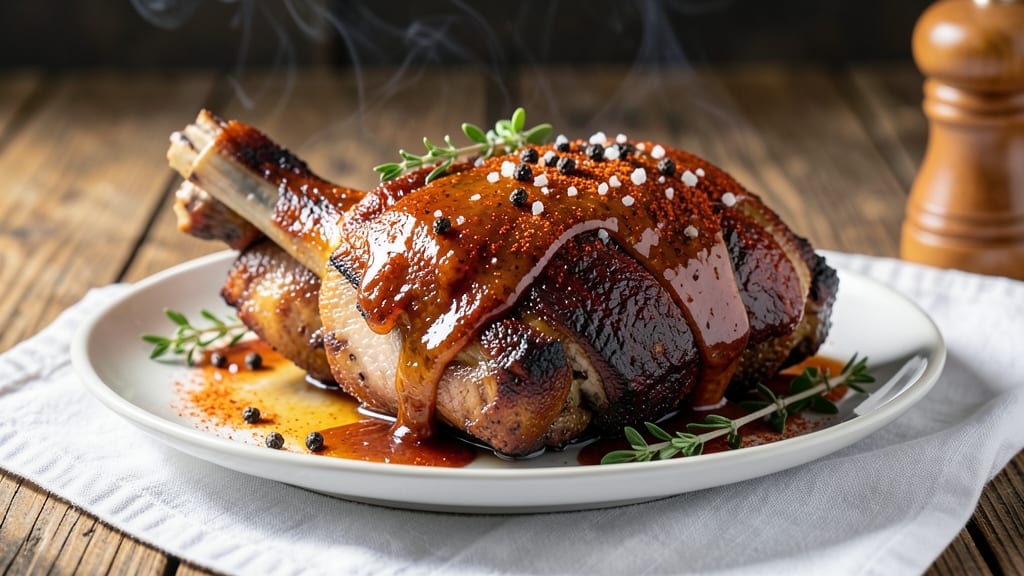
This bone-in pork Boston butt recipe delivers the perfect balance of smoky bark and juicy pink centers—the kind of dish that turns casual dinners into memorable feasts. 🔥 As someone who's cooked 2,000 pounds of pork weekly, I can tell you the secret lies in low-and-slow precision, where patience transforms tough cuts into melt-in-your-mouth perfection.
The bone-in technique adds depth of flavor that boneless cuts simply can't match.
The magic happens during the slow cook—whether you're smoking it for hours or braising in the oven—where the collagen breaks down just enough to create that signature tender texture.
I use a simple but powerful dry rub of brown sugar, smoked paprika, and cayenne to build that irresistible bark, while the internal temperature climbs to exactly 195°F for that ideal pull-apart consistency. This isn't just another pork recipe; it's a showstopper that commands attention at any table.
What you'll end up with is a restaurant-quality centerpiece that's crispy on the outside, tender on the inside, and packed with enough flavor to satisfy even the most discerning BBQ lovers. The bone adds an extra layer of richness, while the juices keep every bite moist and delicious.
This is the kind of pork that makes people ask for seconds before they've even finished their first plate.
Serve it sliced thick over buttered cornbread, piled high on buns with tangy coleslaw, or as the star of a Southern-style feast. The leftovers? Even better the next day—just reheat gently and watch the flavors deepen. Let's get cooking!
Ingredients for bone in pork boston butt
Six pounds of pork plus a handful of pantry staples—this is your ticket to showstopping BBQ.
| Ingredient | Amount | Notes |
|---|---|---|
| Bone-In Pork Boston Butt 🐖 | 6 lb | With bone and fat cap intact |
| Brown Sugar 🍯 | ½ cup | Packed, light or dark |
| Smoked Paprika 🌶️ | 2 tbsp | High-quality for smoky depth |
| Ground Cayenne Pepper 🔥 | 1 tsp | Adjust for heat preference |
| Kosher Salt 🧂 | 1 tbsp | Diamond Crystal preferred |
| Black Peppercorns 🌶️ | 1 tsp | Freshly cracked |
| Garlic Powder 🧄 | 1 tbsp | Not garlic salt |
| Onion Powder 🧅 | 1 tbsp | For subtle sweetness |
| Yellow Mustard 🍯 | 2 tbsp | For mustard-based bark option |
| Apple Cider Vinegar 🍎 | 2 tbsp | For tangy balance |
| Butter 🧈 | ½ cup | Unsalted, for basting |
| Fresh Thyme Leaves 🌿 | ¼ cup | Chopped, for aroma |
| Fresh Rosemary 🌿 | ¼ cup | Chopped, for earthy notes |
| Beer (Optional) 🍺 | 1 cup | Dark lager for moisture |
The pork cut is everything here. Bone-in Boston butt with that fat cap is non-negotiable—it's what gives you that signature juicy center. I always grab mine from Costco when I'm planning ahead, but your local butcher shop will have it too. Look for good marbling and a nice even shape. The bone adds richness, while the fat keeps it moist during that long cook. If you're buying a whole shoulder, trim it down to about 6 pounds—any larger and it won't cook evenly in your smoker or oven. For the rub ingredients, Penzeys or bulk bins at natural food stores give you the freshest spices, but honestly, the grocery store stuff works fine if it's not ancient. Smoked paprika is your flavor bomb here—don't skimp on quality.
No smoked paprika? Regular paprika plus a pinch of liquid smoke gets you close, though it won't be quite the same. The cayenne is where you control the heat—start with the full teaspoon and adjust if your crowd isn't into spice. Mustard-based bark? Swap the brown sugar for Dijon mustard plus a little brown sugar for a tangy twist. Beer optional but recommended—it adds moisture and depth. No beer? Apple juice or chicken broth works in a pinch. Fresh herbs? Dried will work at half the amount, but fresh gives you that restaurant-quality aroma. The butter is for basting—don't skip it. Trust me on the full-fat version for maximum flavor transfer.
This keeps beautifully for 3-4 days in the fridge, wrapped tightly in butcher paper. For longer storage, vacuum-seal portions and freeze for up to 6 months. The leftovers? Even better the next day—just reheat gently in the oven with a splash of water or beer to keep it moist. I always make extra because it disappears fast. Slice it thick against the grain for maximum tenderness. Store the rub in an airtight container for up to 6 months—make extra, you'll want to use it again.
Why You'll Love This Recipe
- Foolproof Rub Job: The spices—smoked paprika, cayenne, and brown sugar—stick like glue and caramelize into a sticky crust. I swear, once that rub hits the heat, you’ll forget you even had to do anything.
- Weeknight-Friendly Smoke: No smoker? No problem. A cast-iron skillet or even the broiler turns this into a 45-minute showstopper. Honestly, the bone-in cut renders juices that’ll make your kitchen smell like a BBQ joint by dinner.
- Leftovers That Win: Pull it apart for breakfast tacos, shred it into soup, or just reheat slices straight from the fridge. Between us, the second day is when this dish really shines—crispy edges, tender meat, zero effort.
- Budget Stretch: A single Boston butt feeds six, and the bone adds flavor without costing extra. I’ll be real: this is my go-to for game days or lazy Sundays when I don’t want to break the bank but still crave something solid.
Step-by-step instructions for smoky bark meets juicy centers
Here's how to transform that pork shoulder into melt-in-your-mouth perfection.
🍳 Step 1: Mix the Rub and Coat the Pork
In a large bowl, combine the 0.5 cup brown sugar, 2 tbsp smoked paprika, 1 tsp ground cayenne pepper, 1 tbsp kosher salt, 1 tsp black peppercorns, 1 tbsp garlic powder, and 1 tbsp onion powder. Mix until the spices are evenly distributed and the sugar is fully incorporated—this creates a balanced blend of sweet, smoky, and spicy flavors.
Pat the 6 lb bone-in pork boston butt dry with paper towels (this is crucial for that crispy bark). Then generously coat all sides with the rub mixture, pressing it into the meat so it sticks. For extra flavor, stuff the cavity with 2 tbsp yellow mustard and 2 tbsp apple cider vinegar—this tangy combo will create a sticky, caramelized crust during cooking. Let the pork sit at room temperature for 30 minutes before cooking to ensure even heat penetration.
🔥 Step 2: Sear the Pork for Maximum Flavor
Preheat your oven to 275°F (this low-and-slow temperature is key for tender meat). Place a rack in a large roasting pan and position the pork fat-side up on the rack. The fat cap should be facing up to render down and baste the meat as it cooks.
Heat a large skillet over medium-high heat and add 0.5 cup butter. Once the butter foams, carefully sear the pork on all sides for 2-3 minutes per side until the exterior develops a deep golden crust. This step locks in juices and creates that irresistible smoky bark. Transfer the seared pork to the roasting pan and place it in the oven.
⏰ Step 3: Cook Low and Slow with Beer Basting (Optional)
Cook the pork uncovered for 6 hours, maintaining the 275°F temperature. This long, slow cook time breaks down the connective tissue, transforming tough meat into tender, pull-apart goodness. After 4 hours, pour 1 cup beer (if using) into the roasting pan and baste the pork with the liquid. The beer adds moisture and depth of flavor—just don't overdo it or the bark will soften.
Here's where patience pays off: the internal temperature should reach 195-203°F (use a meat thermometer to check the thickest part of the meat). When the pork pulls apart easily with two forks and the juices run clear, it's ready. If the bark starts to darken too much, tent the pork loosely with foil to prevent over-browning.
🥘 Step 4: Rest and Slice for Juicy Perfection
Remove the pork from the oven and let it rest for 30-60 minutes before slicing. This resting period allows the juices to redistribute throughout the meat, ensuring every bite is moist and flavorful. While it rests, use a sharp knife to trim off any excess fat if desired.
Slice the pork against the grain into ½-inch thick pieces. The meat should be so tender it practically falls apart, with a beautiful pink center and a dark, smoky bark on the outside. Serve immediately with the pan juices spooned over the top—these are packed with flavor from the rendered fat and beer baste. Pair with roasted vegetables or crusty bread to soak up every last drop of that delicious sauce.
Pro Tips For Making Bone In Pork Boston Butt
- CRANK THE HEAT FIRST: I learned this the hard way—starting slow with a Boston butt is a one-way ticket to dry meat. Sear it over 450°F (230°C) for 10-12 minutes until the fat renders and the crust forms. That initial burst locks in moisture and builds flavor faster than any low-and-slow method can catch up.
- SALT THE MEAT 24 HOURS EARLY: This isn’t the prettiest method, but it’s the tastiest. Generously coat the butt with 2 tablespoons kosher salt per pound and let it sit uncovered in the fridge. The salt penetrates deeper, and the surface dries out just enough for a better crust—no last-minute rushing.
- STOP PRODDING THE MEAT: I know, I know, you want to check if it’s done. But every time you open that smoker or oven, you’re losing heat and moisture. Use a meat thermometer (inserted into the thickest part) and resist the urge to peek until it hits 203°F (95°C) internal temp. Patience here makes all the difference.
- SWAP BROWN SUGAR FOR MAPLE: Sounds weird, but it works: replace half the brown sugar with pure maple syrup in your rub. The sugar caramelizes faster, giving you a glossier, stickier bark without burning. Plus, it adds subtle depth that dry brown sugar can’t match. (Yes, even if you’re impatient like me.)
Flavor customization for this dish
Sweet & Smoky Rub
This classic combo of brown sugar and smoked paprika creates the perfect balance of sweetness and smokiness. For a deeper flavor, add 1 tsp ground coriander to the rub—it enhances the warmth without overpowering.
I often double the batch and store it in an airtight container for future use. This rub works beautifully on chicken thighs or ribs too. 🍯
Spicy Kick Option
If you love heat, increase the ground cayenne pepper to 2 tsp and add ½ tsp chipotle powder for a smoky, fiery punch. For a milder kick, swap cayenne for ½ tsp smoked paprika plus ½ tsp black pepper.
Trust me, the spice level builds as the pork cooks, so start conservative if you're new to bold flavors.
Tangy Mustard Twist
Swap the brown sugar for ¼ cup Dijon mustard mixed with 2 tbsp brown sugar to create a tangy, caramelized bark. This variation is inspired by my time in Charleston, where the mustard adds a bright acidity that cuts through the richness.
Don’t skip the apple cider vinegar in the cavity—it’s what makes this twist truly shine. 🧂
Herb-Infused Variation
Add 1 tbsp dried thyme and 1 tbsp dried rosemary to the rub for an earthy, aromatic profile. Fresh herbs work even better—just chop ¼ cup fresh thyme leaves and ¼ cup fresh rosemary and sprinkle them over the pork before searing.
These herbs add depth without overpowering the smoky-sweet base. Perfect for a herb-forward BBQ feast.
Beer-Braised Finish
For extra moisture, replace the beer with 1 cup stout beer (like Guinness) and add 1 tbsp coffee granules
This variation is a crowd-pleaser, especially during cooler months when a hearty, rich dish is just what you need. 🍺 Brush the pork with a mix of ¼ cup molasses, 2 tbsp apple cider vinegar, and 1 tbsp brown sugar during the last 30 minutes of cooking. The molasses caramelizes beautifully, creating a sticky, glossy bark that’s irresistible. This glaze pairs perfectly with the smoky rub and adds a deep, rich flavor that’ll have everyone asking for seconds.Sweet & Sticky Glaze
Nutrition facts
Frequently asked questions
Why does the recipe call for bone-in pork?
The bone adds incredible depth of flavor and moisture that boneless cuts simply can't match. As the pork cooks low-and-slow, the bone infuses the meat with rich gelatin and natural juices, creating that signature melt-in-your-mouth texture. Plus, the fat cap surrounding the bone renders perfectly, basting the meat throughout cooking.
Can I cook this in a smoker instead of the oven?
For a true BBQ experience, smoke the pork at 225-250°F using hickory or cherry wood chips. The bark will be even more pronounced, and the smoky flavor will deepen. Just extend the cooking time to 8-10 hours since smokers run cooler than ovens. Monitor the internal temperature closely to avoid over-smoking.
What if my pork doesn't reach 195°F after 6 hours?
Don't rush it! Keep cooking until it hits 195-203°F—this is when the collagen fully breaks down for maximum tenderness. If it's taking too long, check your oven temperature with an oven thermometer (many run hot/cold) and adjust accordingly. The pork will continue cooking while resting, so aim for slightly lower than 203°F if you're concerned about dryness.
How do I store and reheat leftovers?
Wrap cooled pork tightly in butcher paper and store in the fridge for 3-4 days or freeze for up to 6 months. To reheat, place slices on a baking sheet and warm in a 300°F oven for 15-20 minutes with a splash of apple cider vinegar or beer to keep them moist. Never microwave—it turns the meat rubbery.
What's the best way to serve this pork?
Slice thick against the grain and serve on crusty bread with tangy coleslaw, or pile high over buttered cornbread. For a Southern feast, pair with roasted sweet potatoes and grilled corn. The juices make an excellent gravy—simply reduce the pan drippings with a splash of beer. Leftovers make amazing sandwiches the next day!