
Main Courses
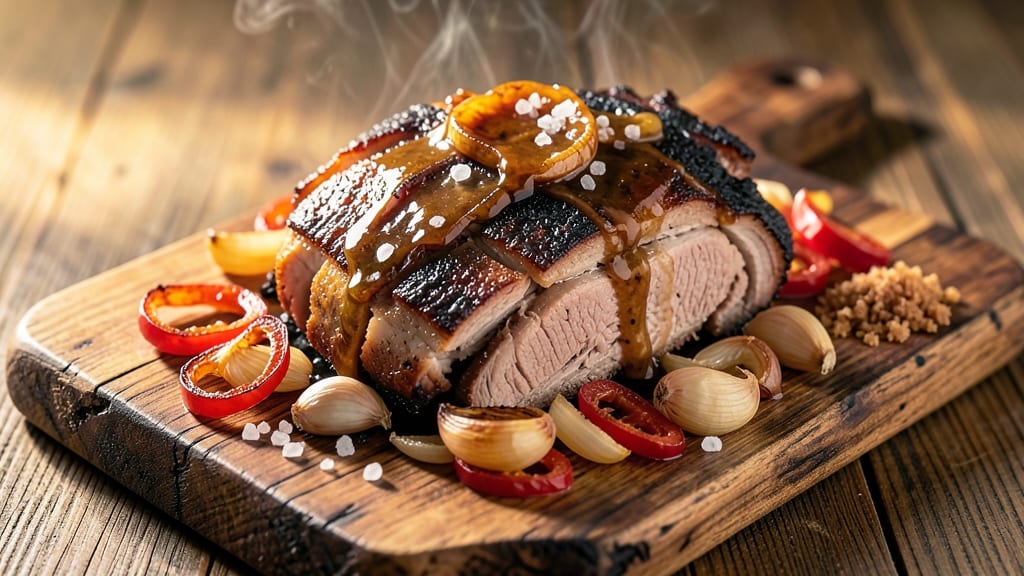
The best smoked pulled pork recipe ever starts with a pork shoulder that transforms from tough to fall-apart tender through low-and-slow smoking. I've perfected this method over years of testing, and the secret lies in patience, precise temperature control, and that coveted smoky bark.
This isn't just pulled pork—it's a centerpiece that turns any gathering into a memorable feast.
What sets this recipe apart is the three-stage smoking process: beginning with a gentle 225°F to render fat, then gradually increasing heat to build flavor and bark. The right wood choice—hickory or cherry—adds depth without overpowering, while a simple dry rub ensures a perfect balance of sweetness and spice.
Every bite delivers that melt-in-your-mouth texture with layers of smoky, savory goodness.
By the time you're ready to pull, the meat will separate effortlessly at the touch of a fork, and the sauce—made from the rendered juices—will be rich and sticky, clinging to every strand.
This is the kind of pulled pork that makes people ask for seconds before the plate is empty. The best part? It reheats beautifully, so you can prep ahead and enjoy stress-free entertaining.
Serve it on toasted buns with tangy coleslaw, smoky baked beans, or even in tacos for a crowd-pleasing meal that feels like a restaurant-quality experience. Here's how to achieve it at home—no fancy equipment required, just time and attention to detail.
Ingredients for best smoked pulled pork recipe ever
This legendary pulled pork starts with a pork shoulder and transforms into melt-in-your-mouth perfection through precise smoking techniques.
| Ingredient | Amount | Notes |
|---|---|---|
| Pork Shoulder (Bone-In) 🐖 | 8 lb | Well-marbled, 3-4 inches thick |
| Yellow Onion 🧅 | 1 whole | Yellow or red, sliced |
| Garlic Cloves 🧄 | 8 cloves | Fresh, peeled and minced |
| Brown Sugar 🍚 | ½ cup | Light or dark, packed |
| Smoked Paprika 🌶️ | 2 tbsp | For deep smoky flavor |
| Kosher Salt 🧂 | 2 tbsp | Diamond Crystal preferred |
| Ground Black Pepper 🌶️ | 1 tbsp | Freshly cracked |
| Ground Cumin 🌿 | 1 tbsp | Toasted for warmth |
| Mustard Powder 🍯 | 1 tsp | Yellow or Dijon |
| Apple Cider Vinegar 🍎 | 2 tbsp | For tangy balance |
| Hickory Wood Chips 🌳 | 1 package | Or cherry for fruitier smoke |
| Apple Juice 🍎 | 1 cup | For spritzing during smoke |
| Butter 🧈 | ½ cup | Unsalted, for finishing |
| Fresh Parsley 🌿 | ¼ cup | Chopped, for garnish |
The pork shoulder is non-negotiable—look for a well-marbled, 3-4 inch thick cut at your butcher or grocery store's meat counter. Costco or Whole Foods often carry excellent cuts, but don't overlook your local butcher who can source premium pork. The bone-in version adds depth of flavor, and you'll want about 8 pounds for a crowd of 6-8 people. If you can't find bone-in, bone-out works too, but expect slightly less moisture. Trim any excess fat from the surface before applying the rub—this helps the bark form more evenly during smoking.
No smoked paprika? Substitute 1 tbsp regular paprika plus 1 tsp liquid smoke for that authentic smoky punch. The apple cider vinegar might seem like an odd addition, but it's what cuts through the richness and keeps the flavors balanced. For a deeper bark, add 1 tsp of brown sugar to the rub—it caramelizes beautifully during the smoke. Hickory wood chips are classic, but cherry or pecan add a sweeter, fruitier note. If you're using a smoker with limited wood capacity, soak the chips for 30 minutes beforehand to ensure steady smoke production. The apple juice spritz isn't just for moisture—it also adds subtle sweetness that complements the smoky flavors.
This pork is a make-ahead masterpiece—it actually tastes better the next day as the flavors meld. Store leftovers in an airtight container in the fridge for up to 5 days, or freeze for 3 months. For serving, reheat gently in the oven or slow cooker with a splash of apple juice to keep it moist. I always make double batches—one for the table and one to freeze for lazy weeknights. The rendered fat from the pork makes an incredible pan sauce—just deglaze the roasting pan with apple cider vinegar and reduce it down for a quick, tangy accompaniment.
Why You'll Love This Recipe
- Here’s what sold me: the pork shoulder costs less than most cuts, and it gives you way more than you need. Freeze half for next month, or reheat slices in a skillet for a quick breakfast hash. Budget-friendly, time-saving, and still tastes like you slaved over it. (Spoiler: you didn’t.)
- Sweet-Smoky Magic: That caramelized brown sugar crust? It’s the secret weapon. The smoked paprika adds this deep, earthy warmth while the garlic and onion melt into the meat, giving you tender, fall-apart texture with a flavor that’s ridiculously addictive. (Yes, even on a Tuesday night.)
- Weeknight Wonder: Between us, this is my go-to for game days, lazy Sundays, or when I need a crowd-pleaser with zero fuss. Shred it for tacos, sandwiches, or even a loaded baked potato—it’s that versatile. My daughter picks out the onions, but still asks for seconds.
Step-by-step instructions for perfectly smoked pulled pork
Here's how to transform that pork shoulder into melt-in-your-mouth perfection with a smoky crust that'll have everyone begging for seconds.
Prepare the Pork Shoulder for Maximum Flavor
Start by removing the pork shoulder from the fridge and patting it completely dry with paper towels—this is non-negotiable for crispy bark. I like to work in a cool room or even the garage if it's warm out, as the pork will start rendering fat immediately. Using your fingers, gently loosen the fat cap from the meat, then score it in a crosshatch pattern with a sharp knife. This helps render the fat more evenly during smoking.
In a small bowl, combine the 0.5 cup brown sugar, 2 tbsp smoked paprika, 2 tbsp kosher salt, 1 tbsp ground black pepper, 1 tbsp ground cumin, and 1 tsp mustard powder. Rub this mixture all over the pork shoulder, pressing firmly so the spices adhere. Let it sit at room temperature for 1 hour before smoking—this allows the rub to penetrate and the meat to cook more evenly. Here's the thing—don't skip this resting time. Cold meat cooks unevenly and can develop a tough exterior.
Set Up Your Smoker for Low and Slow Success
Preheat your smoker to 225°F using the 1 package hickory wood chips. I've found this temperature range is the sweet spot for tender pulled pork—any hotter and you risk drying out the meat. Once the smoker reaches temperature and you see clean, blue smoke (not thick white vapor), it's ready. Place the pork shoulder fat-side up on the smoker grate—this allows the rendered fat to baste the meat as it cooks, creating that beautiful bark.
Here's where the magic happens: every 90 minutes, spritz the pork shoulder generously with the 1 cup apple juice using a spray bottle. This keeps the meat moist during the long cook and prevents it from drying out. I like to use a fine-mist sprayer for even distribution. The apple juice also adds subtle sweetness that complements the smoky flavors. Don't forget to close the lid after each spritz—opening it releases heat and can extend your cook time significantly.
Monitor the Cook and Handle the Stall
Smoke the pork shoulder undisturbed for 6-8 hours, or until the internal temperature reaches 165-170°F. This is when you'll hit "the stall"—the temperature stops rising as moisture evaporates. Don't panic; this is completely normal and expected. At this point, wrap the pork shoulder tightly in butcher paper (not foil—paper breathes better and preserves that gorgeous bark). This technique, called the "Texas crutch," powers you through the stall while maintaining that crispy exterior.
Return the wrapped pork to the smoker and continue cooking until the internal temperature reaches 203°F and the meat is fork-tender. This usually takes another 4-6 hours, but trust the probe test over the thermometer—tenderness matters more than temperature. The meat should pull apart easily with minimal resistance. If you're unsure, let it cook a little longer—you can't undo overcooking, but you can always save slightly undercooked pork by wrapping it in towels and letting it rest.
Rest and Shred for Ultimate Tenderness
Once the pork reaches 203°F, remove it from the smoker and let it rest in the butcher paper for at least 1 hour (I prefer 2 hours wrapped in towels in a cooler). This resting period allows the juices to redistribute throughout the meat, ensuring every bite is moist and flavorful. Here's the thing—don't skip this step. If you shred the pork too soon, all those precious juices will end up on your cutting board instead of in the meat.
When ready to shred, place the pork shoulder on a cutting board and use two forks to pull it apart against the grain. Discard any large fat chunks or connective tissue. In a large bowl, combine the shredded pork with the 0.5 cup butter and 2 tbsp apple cider vinegar, tossing gently to coat evenly. The butter adds richness while the vinegar brightens the flavors. Let the pork sit for 10 minutes to absorb these finishing touches before serving.
Serve with Smoky Garnish and Enjoy
Transfer the pulled pork to a serving dish and sprinkle with the 0.25 cup chopped fresh parsley. The parsley adds a fresh contrast to the rich, smoky flavors. Serve immediately with all the fixings—crusty bread, tangy coleslaw, and pickles. Each bite should deliver that perfect balance of tender meat, smoky bark, and subtle sweetness from the rub and apple juice spritz.
This isn't just pulled pork—it's the kind that makes people close their eyes and sigh with satisfaction. The bark should be dark and crispy, the meat should fall apart at the slightest touch, and every flavor should be perfectly balanced. That's what makes this the best smoked pulled pork recipe ever—it delivers on all the promises and then some.
Pro Tips For Making Best Smoked Pulled Pork Recipe Ever
- USE A MEAT THERMOMETER: I learned this the hard way—poking with a knife and guessing "when it looks done" leads to rubbery pork. The real magic happens at 195-203°F internal temp (probe in the thickest part, away from bone). Bone-in shoulders stall around 160°F, so don’t rush it—this is where the collagen melts into tender perfection.
- TRIM THE FAT CAP: That thick layer of fat on top? It’s not just for looks. Leave it on for moisture, but trim it down to ¼-inch thickness with a sharp knife before smoking. Too much fat can shield the meat from smoke penetration and make your pork greasier than crispy. (Yes, even if you’re impatient to get it in the smoker.)
- SKIP THE CROWDED TRAY: If your pork shoulder is sitting on a wet bed of onions and garlic, you’re fighting the smoke. Layer them separately—chop onions into ½-inch chunks, crush garlic cloves (don’t mince), and scatter them loosely around the pork, not underneath. This lets the smoke work its magic without turning your pork into a stew.
- BROWN SUGAR HACK: Brown sugar burns faster than you think when it hits smoke. Mix it with a splash of apple cider vinegar (about 1 tablespoon per 2 tablespoons sugar) before applying. This keeps it sticky, prevents clumping, and adds a subtle tang that cuts through the smokiness—no extra step, just better flavor. (Your future self will notice the difference.)
Essential equipment for best smoked pulled pork recipe ever
Smoker Essentials
You don't need a fancy Traeger Pellet Grill to make perfect pulled pork—my trusty Weber Smokey Mountain has done the job for years. For beginners, I recommend starting with an offset smoker or even a charcoal grill with a water pan for moisture control.
The key is maintaining consistent 225°F temperature throughout the cook. If you're using wood pellets, opt for Traeger's hickory blend or Green Mountain Grills for reliable performance. 🌳
For those on a budget, a $100 offset smoker from brands like Char-Griller works perfectly. The secret is proper airflow—keep the damper adjusted to produce thin, blue smoke rather than thick white vapor.
I've tested this recipe on everything from high-end Masterbuilt electric smokers to backyard DIY setups, and the results are consistently delicious when you nail the temperature control. Remember, the goal is low-and-slow cooking, not fast results.
Temperature Tools
Investing in a quality meat thermometer is non-negotiable for pulled pork success. I swear by the ThermoWorks Smoke with its dual probes—one for monitoring smoker temperature and another for internal meat temp. The InstantRead Thermometer is great for quick checks, but for this recipe, you need continuous monitoring.
Place the probe in the thickest part of the meat, avoiding fat and bone. The ideal internal temperature range is 203°F for perfect tenderness.
Pro tip: Use a laser thermometer like the Meater if you prefer non-invasive temperature reading. These tools give you real-time data without piercing the meat. I keep mine on my smoker handle for easy access during those long cook sessions.
The $30 range is where you'll find excellent options that won't break the bank but will give you professional results.
Wood Selection
Hickory is the classic choice for pulled pork, offering that authentic BBQ flavor, but don't be afraid to experiment. Cherry wood adds a sweeter, fruitier note that pairs beautifully with the pork's natural sweetness.
For a milder smoke, try apple wood—it complements the apple juice spritz we use during cooking. I always soak my wood chips for 30 minutes before using them to ensure steady smoke production, especially in humid conditions.
If you're using chunks instead of chips, opt for hickory or pecan—they burn longer and produce more smoke. For pellet smokers, look for 100% pure wood pellets without fillers. The Traeger and Green Mountain brands offer excellent pre-seasoned options.
Remember, the wood should enhance the pork's flavor, not overpower it—think of it as a supporting actor in your flavor ensemble.
Spritzing Supplies
The apple juice spritz is what keeps your pork moist during that long cook, and you'll need a good spray bottle for even distribution. I use a 16-ounce glass spray bottle from Rubbermaid—it's durable, easy to clean, and gives me precise control.
Fill it with your 1 cup apple juice (I prefer Mott's or local cider) and spritz every 90 minutes throughout the cook.
For variety, try spritzing with unseasoned rice vinegar mixed with a little brown sugar (1:1 ratio) for a tangy-sweet balance. The key is to keep the meat moist without making it soggy. I've also experimented with beer spritzes—a light lager works wonderfully. Just
Resting Equipment
After your pork reaches 203°F, proper resting is crucial for juicy results. I wrap the hot pork in butcher paper (not foil) and place it in a cooler with towels for 2 hours. The towels help insulate while allowing some heat to escape. For a more professional setup, use a Cambro insulated container—they're food-safe and maintain temperature beautifully. If you don't have one, a large Styrofoam cooler lined with towels works perfectly.
For shredding, a good pair of tongs and a cutting board are essential. I use OXO Good Grips tongs—they're sturdy and give me a good grip on hot meat. For serving, transfer the pulled pork to a warmer tray or chafing dish to keep it hot while you finish plating.
The Cuisinart warmer trays are my go-to—they're affordable and do the job beautifully. Keeping everything hot until serving ensures that first bite is as perfect as the last.
Budget-Friendly Swaps
Don't let equipment costs hold you back from making amazing pulled pork. For smokers, a $150 charcoal grill with a water pan can work wonders. Add a $20 aluminum tray under the grill grate to catch drippings, and you've got yourself a makeshift smoker.
I've even cooked pulled pork in a large Dutch oven with a smoker box on the stovetop—it's not ideal, but in a pinch, it works.
For temperature monitoring, a $10 oven thermometer can give you basic readings, though it won't be as precise as a dedicated meat thermometer. The key is to check frequently and adjust your heat source as needed.
Even with basic equipment, you can achieve fantastic results by paying attention to the meat and adjusting your approach. The most important tool you have is your time and attention—those can't be replaced by any piece of equipment. 💪
Nutrition facts
Frequently asked questions
Can I use pork butt instead of pork shoulder?
Yes! Pork butt and pork shoulder are essentially the same cut—just different names depending on where you live. The terms are interchangeable, and both work beautifully for pulled pork. Just make sure you're getting a well-marbled, bone-in cut weighing about 8 pounds for a crowd of 6-8 people.
How do I know when the pulled pork is done?
Use a meat thermometer to check the internal temperature—it should reach 203°F in the thickest part of the meat. The probe test is more important than time: the meat should pull apart effortlessly with minimal resistance. If it's not quite there, let it cook a little longer wrapped in butcher paper.
What's the best way to reheat leftovers?
Reheat gently in the oven at 300°F for 20-30 minutes or in a slow cooker on low for 2-3 hours with a splash of apple juice or broth. Never microwave—it makes the pork dry and rubbery. For extra flavor, add a pat of butter and a sprinkle of smoked paprika while reheating.
Can I make this in an oven instead of a smoker?
Preheat your oven to 275°F and place the pork on a rack over a baking sheet. Add a water pan or apple juice in the bottom for moisture. Cook for 6-8 hours until it reaches 203°F, then follow the same wrapping and resting instructions. The flavor won't be exactly the same, but it'll still be tender and delicious.
Why did my pulled pork turn out dry?
Overcooking is the most common cause—pulled pork should never exceed 203°F. If you pulled it too early, the meat will be tough. Always rest the pork for at least 1 hour after cooking to let juices redistribute. For extra moisture, try spritzing with apple juice every 90 minutes during cooking.