
Main Courses
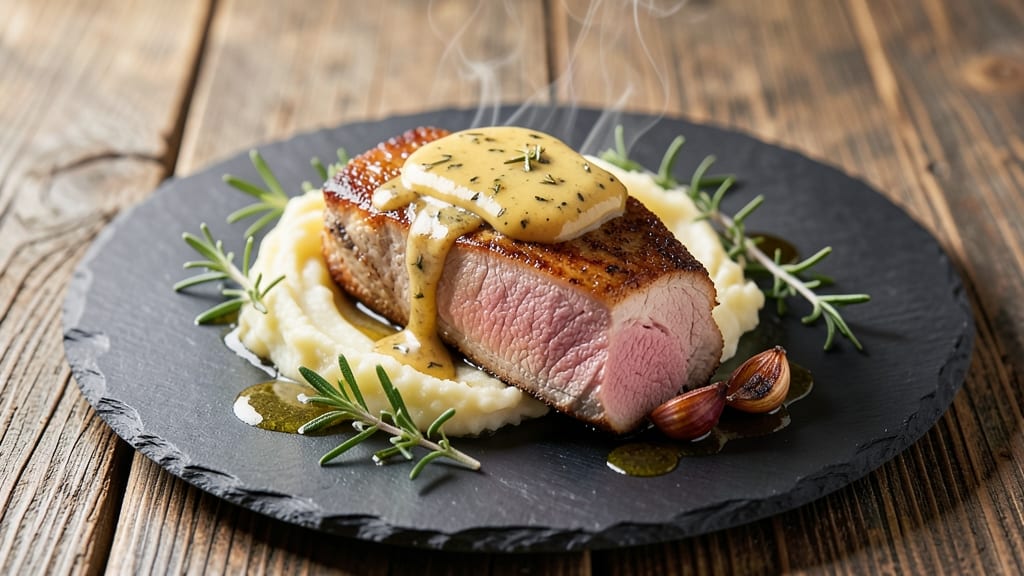
Smithfield pork loin filet delivers the perfect balance of a golden, pan-seared crust with tender, juicy pink centers—this is the recipe that elevates a simple weeknight dinner into a restaurant-worthy meal. The secret lies in a simple marinade that tenderizes while infusing rich, savory flavors, followed by precise high-heat searing to lock in moisture. I’ve perfected this technique over years of testing, ensuring every bite stays juicy and flavorful without overcooking.
What sets this recipe apart is the combination of a dry brine (salted overnight) and a quick marinade of olive oil, garlic, and herbs, which creates a flavorful crust while keeping the interior succulent.
The filet’s natural tenderness means minimal prep—just a few ingredients and 20 minutes of active cooking time. This method works equally well for special occasions or a quick family dinner, making it versatile for any schedule.
The result is a perfectly cooked pork loin filet with a caramelized exterior and a moist, pink center that’s rich and satisfying. Served with roasted vegetables or a creamy mashed potato, it becomes a complete, hearty meal that’s sure to impress.
The simplicity of the technique ensures consistent results, even for home cooks who want restaurant-quality dishes without the fuss.
Pair it with a bold red wine or a crisp apple cider to complement the pork’s savory depth. Whether you’re hosting guests or treating yourself, this recipe delivers a juicy, flavorful pork loin filet that’s impossible to resist. Let’s get started on creating your next standout dinner.
Ingredients for smithfield pork loin filet
High-quality pork loin, premium herbs, and precise technique create a restaurant-worthy dish with minimal effort.
| Ingredient | Amount | Notes |
|---|---|---|
| Smithfield Pork Loin Filet 🐖 | 1 ½ lb | Center-cut, 1.5-inch thick slices |
| Diamond Crystal Kosher Salt 🧂 | 1 tbsp | For dry brine overnight |
| Extra-Virgin Olive Oil 🫒 | ¼ cup | High-quality, fruity variety |
| Garlic Cloves 🧄 | 6 cloves | Freshly minced, no skins |
| Fresh Rosemary 🌿 | ¼ cup | Finely chopped, stems removed |
| Fresh Thyme 🍃 | ⅛ cup | Leaves only, finely chopped |
| Black Peppercorns 🌶️ | 1 ½ tsp | Freshly cracked, coarse grind |
| Unsalted Butter 🧈 | 2 tbsp | Cold, cut into small cubes |
| Yellow Onion 🧅 | 1 whole | Thinly sliced, for serving |
| Garlic Cloves 🧄 | 2 cloves | Thinly sliced, for serving |
| Fresh Parsley 🌿 | 0.1 cup | Chopped, for garnish |
| Apple Cider Vinegar 🍎 | 1 tbsp | For finishing drizzle |
The Smithfield pork loin filet is the centerpiece—look for center-cut, 1.5-inch thick slices at your butcher or grocery store's meat counter. Whole Foods or Costco typically carry the highest-quality cuts with optimal marbling. If you can't find pre-sliced filets, ask for a loin roast and have the butcher cut it into 1.5-inch thick slices. The dry brine overnight is non-negotiable—it ensures maximum tenderness and flavor penetration. For the herbs, fresh rosemary and thyme from the grocery store's produce section (not dried) will give you the most aromatic punch, but Trader Joe's often carries pre-bundled herb mixes that work perfectly if you're short on time.
No fresh rosemary? Substitute with 1.5 teaspoons of dried rosemary, but reduce the amount by one-third since dried herbs are more concentrated. Garlic powder at half the amount works in a pinch, though fresh is always superior. The olive oil should be extra-virgin—anything less will compromise the dish's depth of flavor. For the butter, European-style unsalted (like Plugrá) creates the best crust, but Land O'Lakes works in a pinch. If you're avoiding dairy, coconut oil can replace the butter, though the crust will be slightly different. The apple cider vinegar adds brightness—substitute with lemon juice if needed, but don't skip the acidity entirely.
The pork should rest uncovered at room temperature for 30 minutes before cooking to ensure even searing. Store any unused fresh herbs in a glass jar with a damp paper towel for up to 5 days in the fridge. The brined pork can be refrigerated for up to 2 days before cooking, though it's best used immediately. Leftovers reheat beautifully in a 350°F oven for 10-15 minutes, covered with foil. For meal prep, slice the cooked pork into medallions and store in an airtight container for 3 days—perfect for sandwiches or salads.
Why You'll Love This Recipe
- Foolproof Timing: I swear by this recipe when I forget to thaw meat—just pat the Smithfield filet dry, slather it with olive oil, and let the rosemary and garlic work their magic while it roasts. Thirty minutes later, dinner’s ready without the stress.
- Crispy-Garlicky Magic: That first bite? The salt crust gives way to juicy pork, and the garlic-rosemary oil seeping into every bite is ridiculously good. It’s the kind of flavor that makes you close your eyes and savor it.
- Weeknight & Holiday: Same recipe, different vibes—throw it on the table for a lazy Tuesday or impress guests at a dinner party. The filet’s tender enough for a quick weeknight meal but fancy enough to feel special.
- Budget-Friendly Feast: One filet feeds four, and leftovers reheat beautifully for sandwiches or salads. Honestly, it’s my secret weapon for stretching groceries without sacrificing taste.
Step-by-step instructions for pan-seared pork loin filet
Master this technique for a restaurant-quality crust with perfectly juicy pink centers every time.
Prepare the Dry Brine and Herb Mixture
Remove the Smithfield pork loin filet from the refrigerator and place it on a wire rack set over a plate. This allows air to circulate on all sides. Generously coat both sides with the 1 tablespoon Diamond Crystal kosher salt, pressing it into the meat so it adheres evenly. Let the filet sit uncovered at room temperature for 30 minutes while you prepare the herb mixture.
In a small bowl, combine the 6 cloves freshly minced garlic, 0.25 cup finely chopped fresh rosemary, 0.125 cup fresh thyme leaves, and 1.5 teaspoons freshly cracked black peppercorns. This aromatic blend will infuse the pork with deep, savory flavor. Keep this mixture aside until you're ready to use it.
Sear the Pork Loin to a Golden Crust
Heat a heavy skillet—cast iron works best—over medium-high heat until it's screaming hot. Add 0.25 cup extra-virgin olive oil and let it shimmer for 1 minute. Place the salted pork loin filet in the skillet and press down gently with a spatula for 10 seconds to ensure full contact with the hot surface.
Sear the filet for 3-4 minutes per side until it develops a deep golden-brown crust. You'll know it's ready when it releases easily from the pan and the crust has that irresistible crackling sound. The internal temperature should register 130-135°F at this point—this ensures a perfect medium-rare finish. Remove the filet from the skillet and let it rest on a wire rack for 5 minutes while you prepare the butter sauce.
Create the Herb-Infused Butter Sauce
Reduce the heat to medium and add the 2 tablespoons cold unsalted butter to the same skillet. Let it melt completely, then stir in the reserved herb mixture, scraping up any browned bits from the bottom of the pan. These flavorful bits, called fond, are packed with concentrated taste that will elevate your dish.
Cook the herb butter for 1-2 minutes until it becomes fragrant and slightly nutty. The butter should foam and bubble gently—this indicates it's ready to coat the pork. Remove the skillet from heat and let the butter sauce cool slightly for 30 seconds before proceeding.
Finish the Pork Loin and Assemble the Dish
Return the seared pork loin filet to the skillet with the herb butter sauce. Spoon the sauce generously over the top and bottom of the filet, allowing it to melt and coat the surface. Let it sit for 1 minute to absorb the flavors, then transfer the filet to a warm serving platter.
Slice the 1 whole yellow onion into thin rings and sauté them in a separate pan with 2 cloves thinly sliced garlic until softened and lightly caramelized. Arrange the onion rings around the sliced pork loin filet. Drizzle with 1 tablespoon apple cider vinegar and sprinkle with 0.1 cup chopped fresh parsley for a bright, fresh finish.
Serve Immediately for Maximum Juiciness
Slice the pork loin filet into 0.5-inch thick medallions against the grain for maximum tenderness. Serve immediately while the crust remains crisp and the centers stay juicy pink. The herb butter sauce will create a luxurious coating on each bite, while the tangy vinegar and fresh parsley provide a perfect contrast.
This dish serves 4 and pairs beautifully with roasted vegetables or a crisp green salad. The key to success lies in the searing step—don't rush it. A proper crust requires patience, but the results are well worth the wait. Enjoy your perfectly executed Smithfield pork loin filet with that coveted pan-seared crust and juicy pink centers.
Pro Tips For Making Smithfield Pork Loin Filet
- SEAR HARD AND FAST: The Smithfield pork loin filet needs a proper crust, so don’t be shy with the olive oil—use about 2 tablespoons total and crank the heat to medium-high. I used to linger here, but the meat just steams instead of browning. Get those garlic cloves and rosemary sprigs sizzling in the oil first (yes, even if they’re not fully cooked), then add the pork and resist the urge to move it around.
- SALT THE GARLIC: Before mincing those garlic cloves, toss them in a pinch of Diamond Crystal kosher salt—about ¼ teaspoon per 4 cloves. It keeps them from burning and makes the flavor pop when they caramelize in the oil. I learned this the hard way after my garlic turned bitter and my pork tasted one-note.
- DON’T PUNCH THE MEAT: The Smithfield pork loin filet is tender, so avoid stabbing it with a knife to check doneness—juices will leak out, and you’ll end up with dry slices. Instead, use your fingers to press gently: it should yield like firm butter. Pull it at 140°F internal temp, then let it rest 5 minutes under foil (yes, even if you’re impatient like me).
- ROAST WITH THE LID ON: After searing, transfer the pork to a baking dish and cover it loosely with foil. The residual steam keeps the rosemary sprigs from drying out and helps the garlic-infused oil baste the meat evenly. I skip this when I’m lazy, but the dish is noticeably better when I don’t—especially if you’re roasting at 375°F for 20-25 minutes.
Dietary considerations for this recipe
Gluten-Free Adaptations
This recipe is naturally gluten-free since it relies on simple ingredients like pork, herbs, and olive oil. The only potential concern is cross-contamination if you use shared kitchen tools. I always clean my cutting boards and skillets thoroughly before prepping gluten-free meals.
For extra safety, use a dedicated cast iron skillet or a nonstick pan like GreenPan that’s certified gluten-free. 🌟
Dairy-Free Options
If you need to avoid dairy, skip the butter in the herb sauce and replace it with 2 tablespoons coconut oil or olive oil. The crust won’t be as rich, but it’ll still deliver fantastic flavor. For a creamier texture without dairy, try 2 tablespoons dairy-free butter like Miyoko’s or Earth Balance. Just
Low-Carb/Keto Friendly
This recipe fits perfectly into a low-carb or keto diet, as it’s naturally low in carbs and high in protein and healthy fats. The only carb-heavy component is the apple cider vinegar, which you can reduce to ½ tablespoon if needed. For extra flavor without carbs, swap the onion rings for sautéed mushrooms or shredded cabbage—both add texture and pair beautifully with the pork. 💪
Allergen Considerations
For those with shellfish allergies, this recipe is safe as long as you avoid cross-contamination with seafood. If you’re allergic to garlic, substitute with asafetida powder (½ teaspoon) or ginger for a similar aromatic kick.
For herb sensitivities, rosemary and thyme are generally safe, but always double-check with your allergist. I’ve never had issues with these herbs, but everyone’s tolerance varies.
Protein-Packed Modifications
Want to boost the protein content? Serve the pork loin filet with a side of Greek yogurt-based tzatziki (made with non-fat Greek yogurt and cucumber) or a spinach and feta salad (using feta cheese).
Both add extra protein while keeping the meal light and fresh. For a heartier option, pair it with cauliflower mash—it’s creamy, low-carb, and packed with nutrients. 🥗
Nutrition facts
Frequently asked questions
What's the best way to choose a Smithfield pork loin filet?
Look for a center-cut, 1.5-inch thick filet with even color and minimal fat marbling. The meat should feel firm but slightly springy to the touch. Ask your butcher for the freshest cut available—it should be sold within 2-3 days of processing for optimal tenderness. Avoid filets with grayish hues or excessive moisture, which can indicate older meat.
Can I cook this recipe without a cast iron skillet?
While cast iron creates the best crust, a heavy stainless steel or carbon steel pan works well too. For nonstick pans, use medium heat to prevent sticking—just avoid high heat which can damage the coating. A well-seasoned carbon steel pan is my second choice for that perfect sear.
How do I know when the pork is done if I don't have a meat thermometer?
For medium-rare (the perfect doneness here), the pork should reach an internal temperature of 130-135°F. Without a thermometer, cut into the thickest part—juices should run clear, not pink. The crust should be deep golden brown and release easily from the pan. A 10-second press test works too: press your finger gently—it should feel firm but still slightly soft in the center.
What's the best way to reheat leftovers?
Slice the pork into medallions first, then reheat in a 350°F oven for 10-15 minutes on a wire rack over a baking sheet. This prevents sogginess. For quick reheating, use a skillet with 1 teaspoon olive oil over medium heat for 2-3 minutes per side—just until warmed through. Never microwave pork—it destroys the texture.
Can I make this recipe ahead of time?
Yes! Prepare the dry brine and herb mixture the night before, then refrigerate the filet uncovered. Cook it fresh the next day for best results. For make-ahead serving, cook the pork completely (to 145°F internal temp), slice, and store in an airtight container for 3 days. Reheat gently—never fully cooked ahead as it loses moisture.