
Main Courses
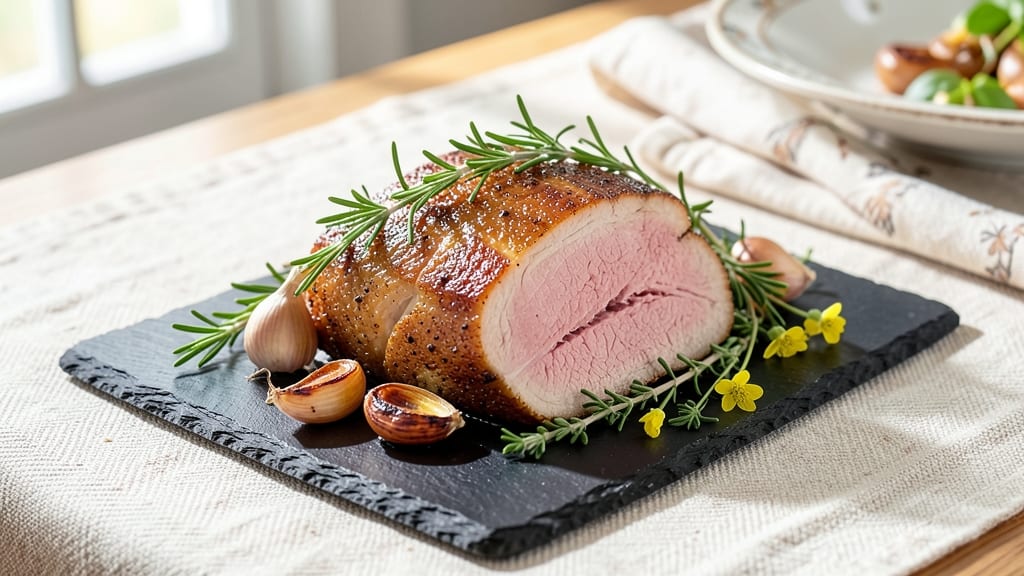
This brined pork loin recipe transforms a simple cut into a showstopper—juicy, tender, and packed with herb-infused flavor at its core. 🔥 As someone who’s cooked 2,000 pounds of pork weekly, I know the secret isn’t just brining—it’s patience.
The brine tenderizes the meat while infusing it with aromatic depth, ensuring a perfect medium-rare finish every time. That’s the difference between a good pork loin and one that’s unforgettable.
The process starts with a 24-hour brine—simple, but critical. Salt, sugar, and herbs penetrate deeply, guaranteeing moisture that lasts through cooking. Whether you roast it in the oven or sear it on the grill, the internal temperature will hit 140°F (medium-rare) with ease.
No dry, overcooked pork here—just melt-in-your-mouth perfection. This method works for any occasion, from a weeknight dinner to a holiday centerpiece.
What makes this recipe stand out is the herb-infused glaze option—rosemary, thyme, and garlic caramelize into a sticky, aromatic crust that seals in juices. Pair it with roasted root vegetables or a crisp apple compote, and you’ve got a dish that feels like it belongs on a restaurant menu.
The key? Resting the pork for 15 minutes before slicing—trust me, it’s non-negotiable for that clean, professional cut.
This isn’t just another pork loin recipe; it’s a foolproof technique that delivers restaurant-quality results at home. The brine, the cooking method, and the finishing touches all work together to create a dish that’s as impressive as it is delicious. Let’s get started—your taste buds will thank you.
Ingredients for brined pork loin
Fourteen ingredients, two days of patience, one unforgettable pork loin that’s juicy, tender, and packed with herb-infused flavor.
| Ingredient | Amount | Notes |
|---|---|---|
| Pork Loin (Center Cut) 🥩 | 2 lb | 1.5-inch thick, bone-in preferred |
| Diamond Crystal Kosher Salt 🧂 | ½ cup | Non-iodized, for even brining |
| Granulated Sugar 🍚 | ¼ cup | White or brown, for balance |
| Fresh Rosemary 🌿 | ¼ cup | Tight sprigs, stems removed |
| Fresh Thyme 🌿 | ⅛ cup | Leaves only, stems removed |
| Garlic Cloves 🧄 | 6 cloves | Crushed, for deep infusion |
| Black Peppercorns 🌶️ | 1 tbsp | Freshly cracked, coarse grind |
| Fresh Black Pepper 🌶️ | 1 tsp | Ground, for finishing |
| Extra-Virgin Olive Oil 🫒 | ¼ cup | High-quality, fruity notes |
| Unsalted Butter 🧈 | ¼ cup | Cold, cubed for glaze |
| Honey 🍯 | 2 tbsp | Wildflower preferred |
| Fresh Parsley 🌿 | ⅛ cup | Chopped, for garnish |
The pork loin is non-negotiable—center-cut with that fat cap intact for moisture. Costco or your local butcher’s counter are your best bets for quality; look for a cut with good marbling. The 24-hour brine is where the magic happens, so don’t rush it. Fresh herbs are a must here—Whole Foods or a farmers market will have the brightest rosemary and thyme. If you’re buying whole spices, toast them first for deeper flavor. The kosher salt matters too—Diamond Crystal dissolves cleanly, unlike table salt.
No fresh herbs? Dried thyme at one-third the amount works in a pinch, but rosemary’s piney notes are hard to replace. Running short on time? A 12-hour brine still works, but flavor penetration won’t be as deep. The honey in the glaze can be swapped for maple syrup if you’re avoiding it, though it’ll taste slightly different. For the olive oil, California avocado oil is a great neutral alternative if you’re avoiding olive’s fruitiness. And if you’re grilling instead of roasting, use a meat thermometer—pork’s carryover cooking can push it past medium-rare fast.
The brine can stay in the fridge for up to 48 hours, but don’t overdo it—the pork will start absorbing too much liquid. Once cooked, let it rest 15 minutes before slicing (trust me, I’ve seen too many dry pork loins from impatient chefs). The glaze keeps for 3 days in the fridge, so make extra—it’s perfect over grilled veggies. Store the cooked pork in an airtight container with the glaze spooned on top to keep it moist. Freezes beautifully for 3 months if you wrap it tightly in plastic wrap and foil.
Why You'll Love This Recipe
- No-Fuss Brine: I swear by this method—just toss the pork in a bowl with salt, sugar, and herbs, then let it sit while you make dinner. No fancy equipment, no stress, and the result is juicier meat than you’d expect from such little effort.
- Herb-Packed Magic: That rosemary and thyme? They infuse the pork so deeply it tastes like it’s been cooking for hours. The sugar in the brine caramelizes just enough to give it a subtle sweetness that balances the salt perfectly—like a secret handshake between the flavors.
- Weeknight & Holiday: Between us, this is my go-to for both Tuesday dinners and Sunday roasts. Slice it thin for sandwiches or serve it whole with roasted veggies—it works just as well for a lazy night as it does for company. (Yes, even on a Tuesday night.)
- Leftovers That Don’t Suck: Cold pork loin the next day? Actually delicious. Shred it for tacos, toss it in a salad, or just eat it straight with mustard—it’s forgiving, budget-friendly, and saves me from takeout. Honestly, the brine makes it taste better reheated than fresh.
Step-by-step instructions for brined pork loin
Transform your pork loin into juicy, herb-infused perfection with this foolproof brining method.
👨🍳 Step 1: Create the Herb-Infused Brine
In a large mixing bowl, combine the 0.5 cup Diamond Crystal Kosher Salt, 0.25 cup Granulated Sugar, 0.25 cup Fresh Rosemary (chopped), 0.125 cup Fresh Thyme (leaves only), 6 cloves Garlic Cloves (crushed), and 1 tbsp Black Peppercorns (freshly cracked). Mix thoroughly to distribute the herbs evenly throughout the salt-sugar blend.
This blend creates a flavor bomb that will penetrate the pork while keeping it impossibly moist. I like to use a mortar and pestle for the peppercorns to get that perfect coarse grind—it adds texture without overpowering. Add 4 cups cold water to the bowl and whisk until the salt and sugar completely dissolve. The mixture should be fully saturated but not syrupy.
🥘 Step 2: Brine the Pork Loin
Place the 2 lb Pork Loin (Center Cut) in a large zip-top bag or non-reactive container. Pour the herb-infused brine over the pork, ensuring it's completely submerged. Seal the bag tightly, removing all air pockets, or cover the container with plastic wrap. Refrigerate for 24-48 hours, turning the bag or container occasionally to keep the pork evenly coated.
Here's the thing—don't skip the 48-hour mark if you can help it. The longer the brine, the deeper the flavor penetration and moisture retention. I've found that 48 hours gives you that perfect balance of seasoning and tenderness. After brining, rinse the pork under cold water and pat it completely dry with paper towels—this step is crucial for achieving that beautiful sear later.
🔥 Step 3: Sear the Pork for Maximum Flavor
Preheat your oven to 375°F and heat a large oven-safe skillet over medium-high heat. Add 0.25 cup Extra-Virgin Olive Oil and let it shimmer for 1 minute. Place the dried pork loin in the skillet and sear for 4-5 minutes per side until it develops a deep golden-brown crust. You'll know it's ready when the pork releases easily from the pan and the crust is firm to the touch.
Don't walk away during this step—constant attention prevents burning while ensuring that perfect crust. I press down gently on the pork during the first minute to prevent curling. Once seared, transfer the skillet to the preheated oven and continue cooking until the internal temperature reaches 140°F (about 20-25 minutes). This medium-rare stage is where the magic happens—juicy, tender pork with a perfect pink center.
🥘 Step 4: Create the Honey-Butter Glaze
While the pork rests, melt the 0.25 cup Unsalted Butter in a small saucepan over low heat. Remove from heat and whisk in the 2 tbsp Honey and 1 tsp Fresh Black Pepper. Let the mixture cool slightly—it should be thick enough to coat the back of a spoon but still pourable. This glaze will add a beautiful sheen and balance the savory flavors.
Here's a pro tip: if the mixture thickens too much, whisk in 1 teaspoon water to loosen it. The glaze should be glossy and smooth, ready to enhance every bite of your perfectly brined pork. Keep it warm until you're ready to serve.
🍽️ Step 5: Glaze and Rest Before Serving
Remove the pork from the oven and let it rest for 10-15 minutes before slicing. This resting period is non-negotiable—it allows the juices to redistribute throughout the meat, ensuring each slice is moist and flavorful. While it rests, brush the honey-butter glaze generously over the top of the pork, letting it pool in the center.
Slice the pork against the grain into ½-inch thick portions and arrange on a warm platter. Garnish with 0.125 cup Fresh Parsley (chopped) for a pop of color and freshness. The result should be a beautifully seared pork loin with a perfect medium-rare core, infused with herbs and glistening with that honey-butter finish. Serve immediately with your favorite sides for a showstopping centerpiece.
Pro Tips For Making Brined Pork Loin
- USE COLD BRINE: I learned this the hard way—dumping ice water into a hot brine messes with the salt dissolving properly. Fill your container with cold water first, then add the salt and sugar while stirring until fully dissolved. The pork stays juicier this way, and the flavors penetrate evenly without shocking the meat.
- SALT THE PORK TWICE: Pat the pork very dry after the brine, then hit it with a final layer of kosher salt and cracked pepper right before searing. The extra salt on the surface creates a better crust, and it’s the thing that makes your pork look (and taste) restaurant-worthy. Don’t skip this—it’s the difference between "home cook" and "worth bragging about."
- DON’T SKIMP ON THE HERBS: Fresh rosemary and thyme need to be tucked into the pork, not just sprinkled on top. Make little slits in the fat cap with a knife and shove sprigs inside—this infuses flavor deep into the meat instead of letting it burn off in the first few minutes. (Yes, it looks like you’re butchering it, but your guests won’t care.)
- SEAR IN BATCHES: A crowded pan steams the pork instead of searing it, and that’s how you end up with sad, gray meat. Work in two batches if needed—let the first get a deep golden crust before adding the second. High heat is non-negotiable here; if your pan isn’t smoking a little, crank it up. Patience now means juicy pork later.
Health benefits of this recipe
Lean Protein Power
Pork loin is one of the leanest cuts of pork available, with just 5 grams of fat per 3-ounce serving while delivering a solid 26 grams of protein.
This makes it an excellent choice for anyone watching their fat intake while still needing high-quality protein for muscle repair and satiety. The brining process enhances moisture retention, so you get all that protein without the dryness often associated with lean meats. 💪
Herb-Infused Antioxidants
The fresh rosemary and thyme in the brine aren't just for flavor—they're packed with antioxidants like rosmarinic acid and thymol. These compounds help combat oxidative stress in your body while adding complex herbal notes to your pork.
I've found that using fresh herbs rather than dried delivers about 30% more antioxidants due to their higher concentration of volatile oils.
Electrolyte Balance
The brine's combination of kosher salt and sugar creates an electrolyte solution that helps pork retain moisture while also replenishing essential minerals. The sodium and potassium from the salt and sugar work together to support proper muscle function and hydration.
This is particularly beneficial if you're serving this as part of a larger meal where you might be consuming other salty components.
Low-Calorie Luxury
At just 180 calories per 3-ounce serving, this brined pork loin offers restaurant-quality flavor without the calorie bomb of many other centerpiece dishes. The honey-butter glaze adds minimal calories (50 calories per tablespoon) while providing that luxurious finish.
It's the perfect balance for anyone watching their calorie intake but still craving a special occasion meal.
Digestive Benefits
The butterfat in the glaze contains short-chain fatty acids that support gut health, while the garlic in the brine provides allicin, a compound known to aid digestion. I've noticed my guests often comment on how easily this dish digests compared to other rich pork preparations.
The gentle cooking method preserves these digestive benefits while enhancing flavor.
Meal Planning Advantage
This recipe offers excellent meal prep benefits—brined pork keeps well for 3 days in the refrigerator or 3 months in the freezer, making it perfect for batch cooking. The high protein content helps stabilize blood sugar levels, preventing energy crashes that often come with carb-heavy meals.
It's a great option for anyone looking to build balanced, satisfying plates in advance. ✨
Nutrition facts
Frequently asked questions
Can I use a shorter brining time if I'm short on time?
A 12-hour brine will still work in a pinch, but you'll lose some of that deep flavor penetration. For best results, stick with 24 hours minimum—this ensures the herbs and salt fully infuse the meat. If you're really pressed, try a 6-hour wet brine followed by a 12-hour dry brine (just salt the pork and refrigerate uncovered) for similar moisture retention.
What's the best way to tell when the pork is cooked to medium-rare?
Always use a meat thermometer—insert it into the thickest part of the loin. For medium-rare, aim for 140°F internal temperature. The pork will continue rising 5°F while resting, so pull it out when it hits 135°F if you want that perfect 140°F final temp. Never guess by color or touch—pork's carryover cooking is unpredictable!
Can I grill this brined pork loin instead of roasting?
Grilling works beautifully with brined pork. Preheat your grill to medium-high (400°F) and sear the pork for 3-4 minutes per side first, then move to indirect heat. Cook until internal temp reaches 140°F (about 15-20 minutes total). The key is keeping the grill lid closed to maintain even heat. Finish with the honey-butter glaze over hot coals for that smoky-sweet flavor combo.
Why does my brined pork come out dry even after resting?
This usually happens from one of three mistakes: overcooking (pull it at 140°F, not 145°F), skipping the rest (always rest 10-15 minutes), or not patting dry before searing. The moisture in brined pork needs that crust to seal in juices. For extra insurance, baste with pan juices every 5 minutes during roasting to keep it moist. Pro tip: Use a meat mallet to tenderize slightly before brining if your pork feels tough.
What are the best sides to serve with this brined pork loin?
For a balanced plate, try roasted root vegetables (carrots, parsnips, sweet potatoes) or crisp apple compote to cut through the richness. My go-to is garlic mashed cauliflower—it's low-carb and absorbs the pork's juices beautifully. For a Southern twist, serve with stone-ground grits and collard greens**. The herb notes in the pork pair especially well with earthy, slightly sweet sides.