
Main Courses
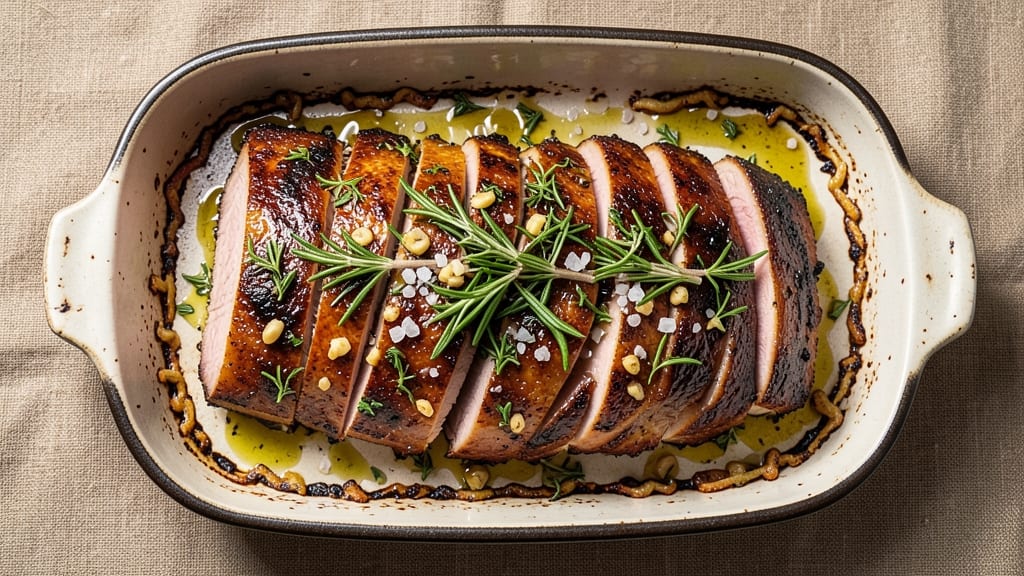
This baked pork loin filet recipe delivers restaurant-quality results with a herb-crusted exterior and perfectly juicy interior—no guesswork, no overcooking. After years of perfecting this technique at my Atlanta smokehouse, I can confidently say this is the method that finally delivers tender, flavorful pork every time.
The secret lies in precise temperature control and a foolproof resting technique that ensures moisture stays locked in.
What makes this recipe stand out is the herb crust—a blend of rosemary, thyme, and garlic that creates a fragrant bark while keeping the inside tender and moist.
We'll bake at 375°F for 25-30 minutes, using an internal thermometer to hit that 145°F perfect medium-rare—no more dry, overcooked pork. The crust forms beautifully while the center stays juicy, giving you that restaurant-quality texture at home.
By the time you serve this, you'll have a golden-brown, aromatic pork loin that slices effortlessly and pairs perfectly with roasted vegetables or a simple apple-cider glaze. The herb crust adds depth without overpowering, while the juicy interior makes every bite satisfying.
This is the kind of dish that transforms a weeknight dinner into something special—without requiring hours in the kitchen.
I developed this recipe after years of testing different methods, and it's now my go-to for family gatherings. The simple prep and reliable results make it perfect for both beginners and experienced cooks. Let's get started—your taste buds will thank you.
Ingredients for baked pork loin filet
Nine simple ingredients deliver restaurant-quality herb-crusted pork loin with juicy perfection every time.
| Ingredient | Amount | Notes |
|---|---|---|
| Pork Loin Filet 🥩 | 1 ½ lb | Center-cut, 1.5-inch thick |
| Fresh Rosemary 🌿 | ¼ cup | Finely chopped, stems removed |
| Fresh Thyme 🌿 | ⅛ cup | Leaves only, stems removed |
| Garlic Cloves 🧄 | 6 cloves | Minced, skin on for flavor |
| Extra-Virgin Olive Oil 🫒 | 2 tbsp | For crust and basting |
| Diamond Crystal Kosher Salt 🧂 | 1 ½ tsp | For seasoning and crust |
| Freshly Ground Black Pepper 🌶️ | ½ tsp | Coarsely cracked |
| Unsalted Butter 🧈 | 2 tbsp | Softened, for basting |
| Apple Cider Vinegar 🍎 | 1 tbsp | For tenderizing marinade |
| Honey 🍯 | 1 tbsp | For glaze finish (optional) |
| Fresh Parsley 🌿 | ⅛ cup | Chopped, for garnish |
The pork loin is non-negotiable here—center-cut, 1.5-inch thick ensures even cooking. Whole Foods or local butcher shops carry the best quality, but most grocery stores have it. Look for good marbling and vibrant color—pale pink means it's been hanging too long. Fresh herbs are key: Trader Joe's or Whole Foods have the best rosemary and thyme, but any grocery store's fresh section works. For garlic, peeling ahead saves time—just don't mince it until you're ready to use it. The olive oil should be extra-virgin, fruity, and peppery—none of that mild grocery store stuff.
No fresh rosemary? Dried works at half the amount, but it won't have the same aroma. Short on thyme? Fresh oregano in the same quantity is a decent swap. The apple cider vinegar tenderizes the meat—substitute lemon juice if needed. For the honey glaze, maple syrup works too, but honey adds that perfect balance of sweetness. The butter should be softened but not melted—microwave 20 seconds if it's too firm. If you're making this ahead, marinate the pork overnight for even more tenderness, but don't skip the resting time after baking.
Pork cooks fast once out of the oven—rest it 10-15 minutes before slicing. The herb crust stays crispy for 2-3 days in the fridge, but the meat gets drier. For best results, reheat slices in a skillet with butter for 30 seconds. Freeze portions in airtight containers for up to 3 months—thaw overnight in the fridge. The glaze keeps 1 week in the fridge, so make extra for drizzling on roasted veggies. I always double the recipe for leftovers—pork sandwiches the next day are legendary.
Why You'll Love This Recipe
- I’ll be real: this is my go-to when I’m too tired to fuss but still want something impressive. It’s budget-friendly (a single filet stretches far), and the prep is so minimal that even my college-aged kid can handle it. Plus, it’s the kind of dish that makes you look like you meant to cook something fancy.
- No Fuss, Big Payoff: I swear by this recipe because it’s the kind of dish that lets you almost multitask. While the pork roasts, you can chop veggies, set the table, or even sneak in a quick email—no hovering over a skillet or flipping a steak. Just rub the filet with olive oil, tuck in those fragrant herbs and garlic, and let the oven do the heavy lifting.
- Herb-Packed Magic: Between us, the rosemary and thyme in this recipe are chef’s kiss—that bright, piney aroma clings to the meat like a hug. The garlic? It caramelizes just enough to add this sweet, savory depth that makes every bite feel like a little celebration. (Yes, even on a Tuesday night.)
- Leftovers That Don’t Lie: This isn’t one of those recipes where leftovers turn into sad, dry scraps. The pork stays juicy, the flavors only get better, and I’ve turned it into sandwiches, salads, and even a quick stir-fry. Honestly, I make it on Sundays just so I have something delicious to pull from the fridge all week.
Step-by-step instructions for herb-crusted pork loin filet
Here's how to achieve perfectly juicy, herb-crusted pork loin every time—no overcooking, just restaurant-quality results.
Create the Herb Crust and Prep the Pork
In a small bowl, combine the 0.25 cup fresh rosemary, 0.125 cup fresh thyme, 6 cloves minced garlic, 1.5 tsp kosher salt, and 0.5 tsp black pepper. This aromatic blend will form the flavorful crust we're after. I like to use my fingers to gently crush the herbs slightly—this releases more oils and intensifies the flavor.
Next, place the 1.5 lb pork loin filet on a cutting board and pat it dry with paper towels. Moisture is the enemy of a good crust, so take your time here. Use a sharp knife to make a few shallow slashes (about ¼-inch deep) across the top of the filet—this helps the herb mixture penetrate deeper. Rub the herb mixture all over the filet, pressing firmly so it adheres. Let it sit at room temperature for 30 minutes while you preheat the oven.
Sear for Maximum Flavor and Color
Preheat your oven to 425°F. Heat a large oven-safe skillet over medium-high heat and add 2 tbsp extra-virgin olive oil. Once the oil is shimmering, carefully place the pork loin filet in the skillet. Sear for 3-4 minutes per side until it develops a deep golden-brown crust—this is where all the magic happens. The crust locks in juices and creates that beautiful caramelized exterior.
I press down gently on the filet during the first minute to prevent curling. If it sticks, don't panic—just add a splash of water and let it steam for 10 seconds before continuing. The goal is that perfect crust without losing any of that precious moisture inside.
Baste and Roast to Perfect Doneness
Transfer the skillet to the preheated oven and roast for 20-25 minutes for medium-rare (or until the internal temperature reaches 145°F on a meat thermometer). Every 5 minutes, remove the skillet from the oven and spoon 1 tbsp softened butter over the top of the pork. This basting keeps the meat moist and adds rich flavor.
Here's the thing—pork continues cooking after you remove it from the oven. For medium doneness, you want that internal temperature at 145°F, but it'll rise to 150°F as it rests. If you prefer medium-well, aim for 150°F before removing from the oven. The key is using a meat thermometer—it's the only reliable way to judge doneness.
Glaze and Rest for Maximum Juiciness
When the pork reaches your desired temperature, remove it from the oven and transfer to a cutting board. In the same skillet, combine 1 tbsp apple cider vinegar and 1 tbsp honey, scraping up any browned bits from the bottom. Let this mixture simmer for 1-2 minutes until slightly thickened, then pour it over the pork.
Let the pork rest for 10-15 minutes before slicing—this is absolutely critical. During this time, tent loosely with foil to keep it warm. The resting period allows the juices to redistribute throughout the meat, ensuring every slice stays moist and tender. If you skip this step, you'll end up with dry pork that falls apart when sliced.
Slice and Serve with Fresh Herb Garnish
Slice the pork loin into ½-inch thick medallions against the grain for maximum tenderness. Arrange the slices on a warm platter and spoon any accumulated juices from the cutting board over the top. Garnish with 0.125 cup chopped fresh parsley for a pop of color and freshness.
Each slice should be juicy, flavorful, and perfectly cooked through without being dry. The herb crust should be fragrant and slightly crispy, while the interior remains tender. Serve immediately with your favorite sides—roasted vegetables, mashed potatoes, or a fresh salad all pair beautifully with this herb-crusted pork loin.
Pro Tips For Making Baked Pork Loin Filet
- Use a Meat Thermometer: I learned this the hard way—pork loin looks done when it’s still tough as a boot. Aim for 145°F internal temp (150°F if you prefer it extra-safe), and pull it out before it hits that number. It’ll keep rising 5°F while resting, and you’ll finally get that juicy, tender bite.
- Trim the Fat Cap: That thin white layer on top? It’s not your friend. If it’s thick, slice it off—it’ll render into grease and make your pan a mess. Even a little fat left on can turn your crispy crust into a soggy blanket. (Yes, even if you’re impatient to eat.)
- Roast at 375°F, Not Higher: I was skeptical until I tried it: 375°F is the sweet spot for pork loin. Any hotter, and you’ll dry it out before the center cooks. Cold oven? Start at 325°F for the first 10 minutes to even out the heat—this guarantees the edges don’t burn while the middle plays catch-up.
- Sear the Garlic First: Chop those cloves into thin slivers (not minced—you want flavor, not mush) and toss them in olive oil for 2 minutes in a hot pan until golden. Then scatter them over the pork. The seared garlic adds depth the raw version can’t match, and it sticks to the meat like glue. (Your future self will notice the difference.)
Flavor customization for these flavors
Classic Herb Variations
Start with the base herb crust of rosemary and thyme, but swap in fresh sage (about 0.125 cup) for a deeper, earthier flavor that pairs beautifully with apple cider glaze. I often use this variation for holiday dinners—it feels festive and aromatic.
For a Mediterranean twist, replace thyme with 0.125 cup chopped oregano and add 1 tsp lemon zest to the crust for brightness. 🌿
Spicy Kick Options
Add 1 tsp smoked paprika and ½ tsp cayenne pepper to the herb crust for a smoky heat that complements the sweet glaze.
For a Carolina-style BBQ-inspired version, mix in 1 tbsp brown sugar with the herbs and finish with a chipotle-honey glaze (substitute 1 tbsp chipotle powder for the apple cider vinegar). This works especially well with a side of cornbread and collard greens.
Sweet and Savory Twists
For a sweet-savory balance, fold 1 tbsp chopped crystallized ginger into the herb crust and drizzle with a ginger-honey glaze (reduce 1 tbsp honey with 1 tsp grated ginger and 1 tbsp water).
Another favorite is the brown sugar and mustard crust: replace ½ tsp black pepper with 1 tbsp Dijon mustard and 1 tbsp light brown sugar, then glaze with apple cider reduction (simmer 2 tbsp apple cider vinegar and 1 tbsp honey until syrupy).
Umami Boosts
Elevate the crust with 1 tbsp finely chopped sun-dried tomatoes and 1 tsp dried porcini powder (rehydrate and blend 2 dried porcini mushrooms with 1 tbsp water). For a richer depth, add 1 tbsp finely chopped prosciutto to the herb mix—it crisps beautifully during searing.
Both versions shine when paired with roasted root vegetables or creamy polenta.
Global Inspirations
Transform this into a French-style pork tenderloin by coating the crust with 1 tbsp Dijon mustard and 1 tsp herbes de Provence, then finishing with a balsamic reduction (reduce 2 tbsp balsamic vinegar with 1 tsp honey).
For a Japanese-inspired version, marinate the pork overnight in 1 tbsp soy sauce, 1 tbsp mirin, and 1 tsp grated ginger, then top with a teriyaki glaze (simmer 2 tbsp soy sauce, 1 tbsp honey, and 1 tsp sesame oil).
Nutrition facts
Frequently asked questions about baked pork loin
Can I use pork tenderloin instead of pork loin filet?
Yes, you can substitute pork tenderloin, but there are a few key adjustments. Pork tenderloin is leaner and cooks faster, so reduce the baking time by 5-7 minutes and watch closely for 145°F internal temperature. Since it's smaller, you may need to increase the herb mixture proportionally or add 1 tbsp olive oil to the crust to prevent drying out. The technique remains the same, but tenderloin's delicate texture means it's best served medium-rare.
What's the best way to store leftovers?
Store sliced pork in an airtight container in the refrigerator for up to 3 days. For longer storage, freeze portions in airtight containers for up to 3 months. When reheating, warm slices in a skillet with 1 tbsp butter over medium heat for 2-3 minutes per side to restore moisture. Never microwave—it makes pork rubbery. For sandwiches, add a thin layer of mayonnaise before stacking to keep slices tender.
Why did my pork turn out dry?
Dry pork usually means one of two things: either you skipped the 10-15 minute rest after baking or overcooked it. Always use a meat thermometer—145°F for medium-rare, 150°F for medium. Another common mistake is slicing against the grain too early. If it's already dry, try reviving slices by pan-searing with 2 tbsp chicken broth and 1 tbsp honey for 3-4 minutes to add moisture back.
Can I make this in a regular oven instead of a skillet?
If you don't have an oven-safe skillet, sear the pork in a regular skillet first, then transfer it to a baking dish. Place the baking dish on the middle rack to ensure even heat circulation. For extra crispiness, broil for 1-2 minutes at the end. Just be careful not to overcook—pork continues cooking when removed from the oven, so pull it out when it reaches 140°F for medium-rare (it'll rise to 145°F while resting).
What sides pair best with herb-crusted pork?
This dish shines with hearty sides that complement its rich flavors. Try roasted root vegetables (carrots, parsnips, sweet potatoes) tossed in olive oil and herbs, or creamy mashed potatoes with roasted garlic. For a lighter option, serve with a fresh arugula salad dressed with lemon vinaigrette. In the Southeast, we often pair it with collard greens and cornbread—the slight sweetness of the glaze balances perfectly with tangy greens.