
Main Courses
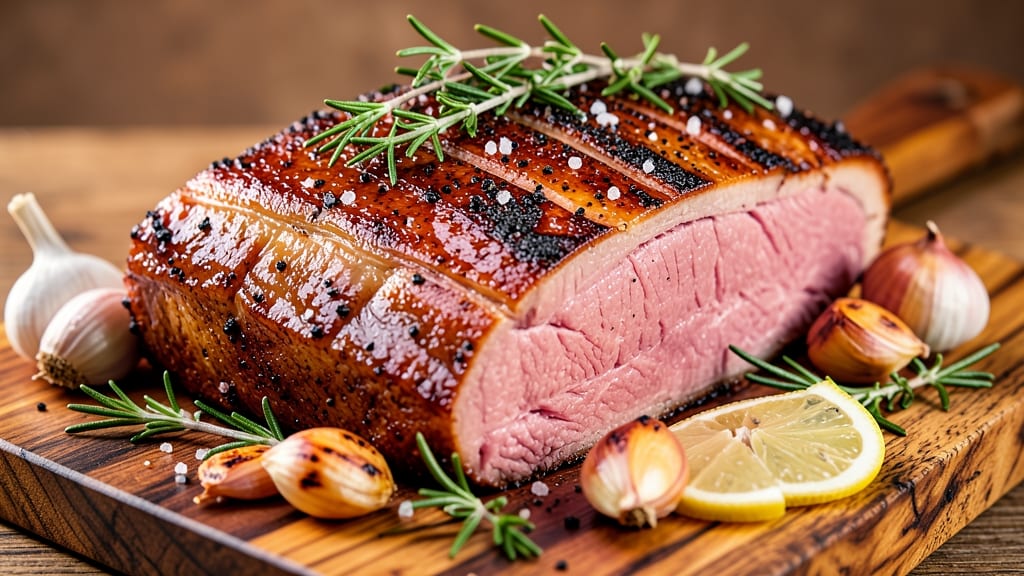
This grilled whole pork loin recipe delivers the perfect balance of smoky bark and juicy pink centers—exactly what transforms a weeknight dinner into a showstopper. 🔥 As someone who grew up in the smokehouse, I know the difference between a tough, dry cut and meat that practically melts in your mouth, and this method nails it every time.
The secret lies in a simple dry brine and precise grilling technique that ensures tender, flavorful results without overcooking.
What sets this recipe apart is the reverse sear method, which guarantees a perfect internal temperature while building that coveted crust. Start with a dry brine overnight to enhance natural flavors, then sear over indirect heat before finishing with a high-heat char.
This approach eliminates guesswork—no more dry pork or uneven cooking. The result? A juicy, flavorful center wrapped in a crisp, aromatic bark that’ll have your guests asking for seconds.
Serve this showstopper with classic sides like garlic mashed potatoes and grilled asparagus for a complete meal that feels restaurant-worthy. The pork’s rich, smoky flavor pairs beautifully with a bright herb sauce or a tangy apple cider glaze, adding another layer of complexity to every bite.
This isn’t just a recipe—it’s a technique that’ll elevate your grilling game for good.
Whether you’re grilling for a crowd or treating yourself to a special meal, this method delivers restaurant-quality results with minimal effort. The key is patience—letting the pork rest before slicing ensures every bite stays juicy and tender. Trust me, once you master this, you’ll never buy pre-cut pork loin again.
Ingredients for grilled whole pork loin
The perfect balance of premium cuts, aromatic herbs, and precise seasoning transforms this pork loin into a restaurant-worthy masterpiece.
| Ingredient | Amount | Notes |
|---|---|---|
| Whole Pork Loin 🥩 | 4 lb | Bone-in, center-cut preferred |
| Kosher Salt 🧂 | 2 tbsp | Diamond Crystal preferred for accuracy |
| Freshly Ground Black Pepper 🌶️ | 1 tbsp | Freshly cracked for optimal flavor |
| Garlic Cloves 🧄 | 8 cloves | Smashed for even distribution |
| Fresh Thyme Leaves 🌿 | ½ cup | Stems removed, loosely packed |
| Fresh Rosemary Sprigs 🌿 | 4 whole | Needles only, finely chopped |
| Extra-Virgin Olive Oil 🫒 | ¼ cup | High-quality, fruity variety |
| Apple Cider Vinegar 🍎 | 2 tbsp | For brining solution |
| Brown Sugar 🍚 | 1 tbsp | Lightly packed |
| Smoked Paprika 🌶️ | 1 tsp | For dry rub finish |
| Charcoal or Hardwood Chunks 🔥 | 2 cups | Hickory or oak preferred |
| Butter 🧈 | ½ cup | Unsalted, softened for basting |
| Fresh Parsley Leaves 🌿 | ¼ cup | Chopped, for garnish |
The pork loin is non-negotiable—bone-in, center-cut delivers maximum tenderness and flavor. Source from a trusted butcher or Whole Foods for the best marbling. If buying pre-portioned, ensure it's 4 lbs for four servings. The Diamond Crystal kosher salt is essential here—it dissolves more evenly than table salt, ensuring perfect seasoning penetration. For the herbs, fresh thyme and rosemary from the grocery store's produce section work fine, but local farmers' markets often carry more potent varieties. Look for bright green, fragrant sprigs—wilting indicates age. The extra-virgin olive oil should be cold-pressed and unfiltered for optimal flavor; California Olive Ranch or Bertolli are reliable brands for consistent quality.
No fresh herbs? Dried thyme and rosemary at one-third the amount will suffice, though fresh is ideal. Substituting apple cider vinegar with white vinegar works in a pinch, but the apple notes complement the pork beautifully. For the smoked paprika, avoid pre-mixed blends—Penzeys or McCormick offer pure varieties. The charcoal can be swapped for hardwood chunks if you prefer a milder smoke flavor. Pre-cut pork loin from the grocery store is fine, but trimming excess fat ensures a cleaner sear. The butter should be unsalted to avoid over-salting the meat, and European-style butter like Plugrá adds a richer flavor. If you're short on time, pre-sliced garlic works, though fresh is always better.
The pork loin should rest 15-20 minutes at room temperature before grilling for even cooking. Store uncooked pork in the fridge for up to 2 days or freeze for 3 months—wrap tightly in plastic and foil. Fresh herbs keep best in the fridge, wrapped in damp paper towels, for 5-7 days. The brining solution can be made 24 hours ahead and stored in the fridge. Leftover pork reheats beautifully—wrap slices in foil and warm in a 350°F oven for 10 minutes to retain moisture. For meal prep, portion into airtight containers with a sprinkle of fresh parsley to maintain freshness for 3-4 days in the fridge.
Why You'll Love This Recipe
- I swear by this: just salt, pepper, and a few garlic cloves rubbed right into the meat. No brining, no marinating—just 15 minutes of hands-on time before the grill takes over. Honestly, it’s the kind of recipe that makes me feel like a home cook, not a short-order chef.
- No-Fuss Prep: I swear by this: just salt, pepper, and a few garlic cloves rubbed right into the meat. No brining, no marinating—just 15 minutes of hands-on time before the grill takes over. Honestly, it’s the kind of recipe that makes me feel like a home cook, not a short-order chef.
- Crispy-Creamy Magic: That charred crust on the outside? Pure satisfaction. The thyme leaves caramelize into something almost sweet, while the inside stays juicy enough to make you close your eyes. Between us, it’s the kind of pork that disappears faster than my willpower on a Sunday morning.
- Weeknight or Weekend Star: Serve it sliced thin over a simple salad for a weeknight dinner, or let it shine as the centerpiece for a backyard barbecue. I’ve even turned leftovers into pork fried rice—because why waste that flavor? It’s the kind of dish that works as hard as you do.
Step-by-step instructions for grilled whole pork loin
Master this technique for a perfectly balanced pork loin with crispy bark and juicy pink centers.
👨🍳 Step 1: Prepare the Dry Rub and Brine
In a small bowl, combine the 2 tbsp kosher salt, 1 tbsp freshly ground black pepper, 1 tbsp brown sugar, and 1 tsp smoked paprika. Mix thoroughly to create an even coating. This dry rub will form the foundation of your smoky bark while balancing sweetness and heat.
For the brine, whisk together 2 tbsp apple cider vinegar and 0.25 cup extra-virgin olive oil in a separate bowl. This acidic mixture helps tenderize the meat and creates a protective barrier during grilling. Pat the 4 lb whole pork loin completely dry with paper towels—this is critical for developing that coveted bark.
🍳 Step 2: Apply Rub and Brine the Pork
Generously coat the pork loin with the dry rub, pressing it firmly into all sides and the cavity. This ensures maximum flavor penetration and adhesion. Next, pour the brine mixture evenly over the rubbed pork, letting it soak in completely. Place the pork on a wire rack set over a baking sheet and refrigerate uncovered for 2-4 hours.
Here's the thing—brining at room temperature allows the rub to penetrate deeper and creates a more even crust. Don't skip this step, even if you're eager to grill. The longer it rests, the better the texture and flavor distribution will be.
🔥 Step 3: Set Up the Grill for Indirect Heat
Prepare your grill for indirect heat by placing the 2 cups charcoal or hardwood chunks (hickory or oak preferred) on one side only. This creates a heat zone where the pork can cook slowly without burning. Preheat the grill to 250°F—maintaining this temperature is key to achieving that perfect pink center while developing a crispy exterior.
Once the grill reaches temperature, place the pork loin on the cooler side of the grill, away from direct heat. Close the lid and resist the urge to peek—every time you open it, you lose heat and extend cooking time. Use a grill thermometer to monitor the internal temperature.
⏰ Step 4: Grill Until Internal Temperature Reaches 145°F
Grill the pork loin for 1.5-2 hours, or until the internal temperature reaches 145°F at the thickest part. You'll know it's ready when the crust is deep mahogany and crispy, and the meat is still slightly firm to the touch. The reason for the long cook time is to ensure even cooking without overcooking the center.
About 30 minutes before the pork is done, move it to the hotter side of the grill to sear and develop that smoky bark. This final sear adds depth of flavor and creates the visual contrast between the crispy exterior and juicy interior.
🥘 Step 5: Rest and Serve with Herb Butter
Transfer the pork to a cutting board and tent loosely with foil. Let it rest for 15-20 minutes—this allows the juices to redistribute, ensuring every slice remains moist and flavorful. During this time, prepare the herb butter by mixing 0.5 cup softened butter with the 0.5 cup fresh thyme leaves and 0.25 cup chopped fresh parsley leaves.
Slice the pork loin against the grain into ½-inch thick slices and serve immediately with the herb butter drizzled over the top. The contrast of the crispy bark, juicy pink centers, and aromatic herb butter creates a truly memorable dish. Each bite should deliver a perfect balance of texture and flavor.
Pro Tips For Making Grilled Whole Pork Loin
- Preheat Like a Boss: Fire up your grill to 500°F (260°C) for at least 15 minutes before adding the pork—yes, even if you’re impatient. I learned this the hard way: a cold grill means uneven cooking and a sad, gray crust instead of that golden, caramelized sear you’re after.
- Salt the Night Before: Toss the pork loin with 1 tablespoon kosher salt per pound and let it sit uncovered in the fridge overnight. Sounds weird, but it works: the salt penetrates deeper, and the surface dries just enough for a better crust. (Your future self will thank you.)
- Don’t Crowd the Grill: Leave at least 1 inch of space between the pork and other foods—heat needs room to circulate. I used to jam everything on there, and the loin would steam instead of sear. Now I grill it alone for the first 10 minutes, then move it to the side if needed.
- Smash Those Garlic Cloves: Instead of mincing, crush the garlic cloves flat with the side of your knife before grilling. The oils release better, and the flavor clings to the meat like glue. I was skeptical until I tried it—now I never go back.
Make-ahead tips for this dish
Prep Ahead Strategy
The key to stress-free grilling is prepping your pork loin 24 hours in advance. I always start by mixing the dry rub and brining solution the night before—this saves time on grilling day.
Store both mixtures in airtight containers in the fridge. The pork itself can be rubbed and brined up to 12 hours ahead, giving the flavors time to meld beautifully. 💡
Brining Timeline
For maximum flavor penetration, I recommend brining the pork overnight in the fridge (8-12 hours). This creates an even crust and ensures the meat stays juicy. If short on time, a 4-hour brine at room temperature still works well.
Just remember: longer brining = deeper flavor. The apple cider vinegar in the brine also helps tenderize the meat naturally. ⏰
Grill Prep Day Before
Set up your grill the night before by cleaning the grates thoroughly and organizing your tools. I like to pre-measure all my rub ingredients and store them in a small container so I can grab and go in the morning.
If using charcoal, pre-light it and let it burn down to hot coals—this saves 15-20 minutes of prep time on grilling day. Store the coals in a metal bucket with a lid to maintain heat. 🔥
Herb Butter Prep
Make the herb butter a day ahead and store it in an airtight container in the fridge. The flavors intensify overnight, and it’s ready to melt over the pork at the last minute.
I like to add a pinch of smoked paprika to the butter for extra depth. When grilling day arrives, simply soften it slightly before serving—no extra effort required. ✨
Storage Solutions
After grilling, store leftovers in vacuum-sealed bags or glass containers with a sprinkle of fresh parsley to keep them fresh for 3-4 days. For longer storage, freeze portions in single-serving portions wrapped in foil.
When reheating, I always use a 350°F oven for 10 minutes to preserve moisture—microwaving makes the pork dry. ❄️
Make-Ahead Serving Suggestions
Plan your sides ahead too! Roast garlic mashed potatoes or asparagus the day before and reheat in the oven. Store them in airtight containers with a damp paper towel to prevent drying.
For a complete meal prep, assemble everything in individual containers—just reheat and serve. This way, you’re ready for a last-minute dinner party without stress. 💪
Nutrition facts
Frequently asked questions
Can I grill pork loin without a dry brine?
You can, but the results won't be as tender or flavorful. The dry brine (salt + apple cider vinegar) helps retain moisture and creates that perfect crust. For a quick fix, use 1 tbsp kosher salt per pound and let it sit uncovered in the fridge for at least 1 hour before grilling. The longer it rests, the better the texture!
What's the best way to keep my pork loin from drying out?
Never skip the 15-20 minute rest after grilling—this lets juices redistribute. Also, use a meat thermometer to pull the pork at 145°F (not 160°F like ground pork). For extra insurance, baste with melted butter every 20 minutes during grilling. The key is patience and precise temperature control!
Should I use hickory or oak wood for grilling?
Both work well, but hickory gives a stronger, sweeter smoke flavor while oak is milder and more versatile. For this recipe, I recommend hickory chunks for that classic BBQ taste. If you prefer a cleaner flavor, use oak or a 50/50 mix. Just avoid fruit woods like cherry—they can overpower the pork's natural flavor.
How do I adjust this recipe for a larger crowd?
For every 2 additional pounds, increase the rub by 1 tbsp and the brine by 1 tbsp apple cider vinegar + 1 tbsp olive oil. Keep the grill temperature at 250°F and add 30 minutes to the cooking time per pound. Use a wire rack to prevent steaming, and consider using a spare grill or grill pan for even cooking.
What if my grill doesn't have indirect heat settings?
No problem! Create indirect heat by placing your pork loin on the cooler side of the grill (away from flames) and arranging coals only on the opposite side. For gas grills, turn off half the burners and place the pork on the unlit side. Use a grill thermometer to monitor temperature—it should stay around 250°F for even cooking.