
Main Courses
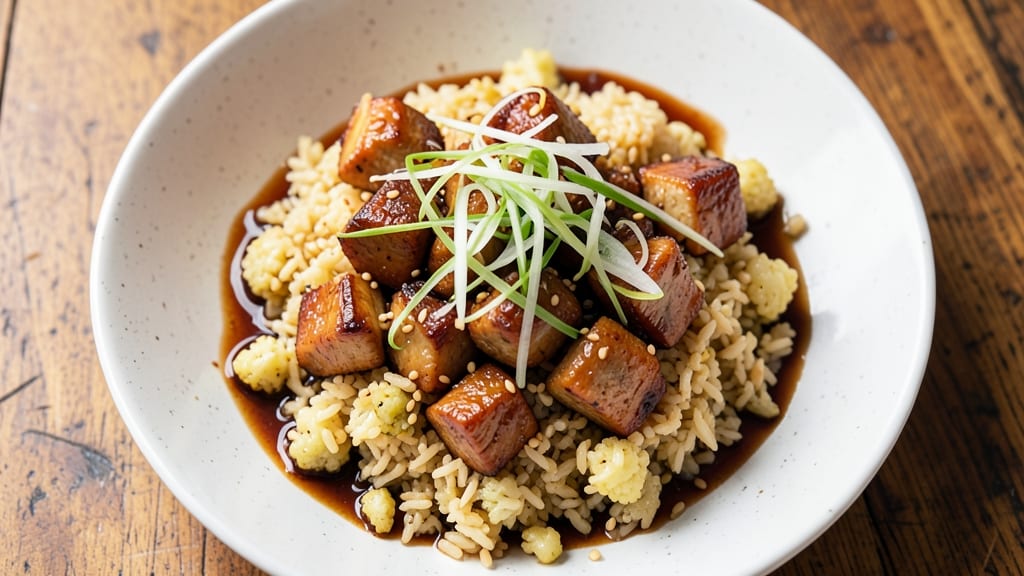
This cauliflower pork fried rice recipe transforms classic takeout into a one-pan masterpiece with crispy rice, tender pork, and layers of umami flavor. The secret? Riced cauliflower blends seamlessly with jasmine rice for a lower-carb twist that still delivers that satisfying chew and golden edges. I developed this after craving fried rice but wanting a lighter, more balanced version that still packed serious flavor—no shortcuts, just smart swaps that work.
What sets this apart is the pork—marinated in soy, garlic, and a touch of brown sugar to ensure it stays juicy while caramelizing slightly at the edges.
The stir-fry technique creates that signature wok hei (breath of the wok) aroma, with high heat and quick cooking preserving all the textures: crispy rice, tender pork, and bright veggies. Every bite delivers the perfect balance of savory, umami, and just enough sweetness to make it irresistible.
Ready in under 30 minutes, this dish proves you can have restaurant-quality fried rice without the guilt.
Ingredients for cauliflower pork fried rice
Here’s what you’ll need to create crispy cauliflower pork fried rice with juicy pork and deep umami flavor.
| Ingredient | Amount | Notes |
|---|---|---|
| Frozen Cauliflower Rice 🥬 | 2 cups | Fresh or frozen, thawed if frozen |
| Jasmine Rice 🍚 | 1 cup | Uncooked, day-old preferred |
| Boneless Pork Shoulder 🐖 | ¾ lb | Cut into 1-inch cubes |
| Low-Sodium Soy Sauce 🥢 | ½ cup | For marinade and cooking |
| Sesame Oil 🫒 | 1 tbsp | Toasted for flavor |
| Brown Sugar 🍯 | 1 tbsp | Light or dark, packed |
| Garlic Cloves 🧄 | 4 cloves | Minced, fresh preferred |
| Fresh Ginger 🌿 | 1 tbsp | Finely grated, peeled |
| Eggs 🥚 | 2 whole | Beaten for scrambling |
| Green Onions 🧅 | ¼ cup | Sliced, white and green parts |
| Frozen Peas 🌱 | ½ cup | Thawed, no need to drain |
| Vegetable Oil 🫒 | 2 tbsp | High smoke point preferred |
| Salt 🧂 | 1 tsp | Kosher or sea salt |
| Black Pepper 🌶️ | ½ tsp | Freshly ground preferred |
| White Pepper 🌶️ | ¼ tsp | For subtle heat |
The pork shoulder is key—it stays juicy while developing crispy edges when cooked properly. Look for well-marbled cuts at the meat counter, and ask for it to be cut into even 1-inch cubes for consistent cooking. Costco or Whole Foods usually have the best quality, but any grocery store’s butcher section will work. The jasmine rice should be day-old for better texture, but if you’re short on time, freshly cooked rice works too—just spread it on a tray to dry out for 10 minutes before frying. For the cauliflower rice, frozen is fine (thaw and drain well), but fresh riced cauliflower gives a slightly better texture if you’ve got it.
No soy sauce? Coconut aminos or tamari work in a pinch, though the flavor will differ slightly. The sesame oil is non-negotiable for that authentic aroma—toasted sesame oil from Trader Joe’s or Asian markets is best, but regular sesame oil will do. Fresh ginger and garlic make all the difference, but if you’re in a hurry, jarred minced garlic and powdered ginger will work (use half the amount). For the eggs, room temperature scrambles best, so take them out 10 minutes before cooking. The peas can be fresh or frozen—just make sure they’re thawed and drained if frozen. And if you’re watching carbs, reduce the jasmine rice to ½ cup and increase the cauliflower rice to 2.5 cups.
This dish reheats beautifully—just add a splash of water or soy sauce and stir-fry for 2-3 minutes. Keeps well in the fridge for 3-4 days in an airtight container, though the texture gets slightly softer. For longer storage, freeze portions for up to 3 months. I like to portion it into individual containers so it’s ready for quick lunches. The pork marinade can be prepped ahead and refrigerated for up to 24 hours, saving you time on cooking day. And if you’re making a big batch, double the cauliflower rice and reduce the jasmine rice by half—you won’t even miss the extra carbs.
Why You'll Love This Recipe
- No Chopping Nightmare: I swear by that frozen cauliflower rice—just toss it straight from the bag into the pan. No knife skills required, no tiny rice grains flying everywhere. The pork shoulder? I cut it into bite-sized chunks while the rice cooks, and boom—done.
- Umami Bomb: That low-sodium soy sauce and sesame oil combo? It’s the secret weapon. The pork soaks up the flavor while it cooks, and when you stir-fry it all together, every bite has this perfect balance of salty, savory, and nutty. Honestly, it’s the kind of dish that makes you want to eat straight from the pan.
- Lunchbox Hero: Between us, this is my go-to for meal prep. I make a big batch on Sundays, and it reheats like a dream—no soggy rice here. Pack it in containers for work or school, and it’s still delicious hours later. (Yes, even on a Tuesday night.)
- Budget Win: Pork shoulder is cheap, jasmine rice lasts forever, and frozen cauliflower rice? A total steal. I stretch this recipe to feed four for under $10, and it’s still hearty enough to feel like a real meal. Leftovers? They’re my secret weapon for lazy days.
Step-by-step instructions for cauliflower pork fried rice
Master this one-pan technique for perfectly crispy cauliflower rice and tender pork shoulder.
Marinate and Prep the Pork Shoulder
Cut the 0.75 lb boneless pork shoulder into 1-inch cubes and place them in a bowl. In a small separate bowl, whisk together 0.5 cup low-sodium soy sauce, 1 tbsp brown sugar, 1 tbsp sesame oil, 4 cloves minced garlic, 1 tbsp finely grated ginger, 0.5 tsp black pepper, and 0.25 tsp white pepper. Pour this marinade over the pork and toss to coat evenly. Let it marinate for at least 30 minutes (or up to 2 hours in the refrigerator) to ensure deep flavor penetration.
While the pork marinates, prepare the remaining ingredients. Thaw the 2 cups frozen cauliflower rice and 0.5 cup frozen peas if needed, then drain any excess liquid. Finely slice the 0.25 cup green onions, separating the white and green parts. Crack the 2 whole eggs into a separate bowl and beat them lightly with a fork. The marinade should develop a rich, aromatic scent—this is your first indication that the flavors are melding perfectly.
Cook the Pork Until Fully Tender
Heat a large skillet or wok over medium-high heat and add 2 tbsp vegetable oil. Once the oil is shimmering but not smoking, add the marinated pork in a single layer. Let it sear undisturbed for 2-3 minutes until the edges turn golden brown. This initial sear locks in juices and builds flavor. Stir the pork occasionally for 8-10 minutes total, breaking up any large chunks, until it's fully cooked through and the internal temperature reaches 165°F. The pork should be tender enough to pull apart easily with a fork—this is critical for the final texture.
Remove the pork from the skillet and set it aside on a plate. Leave the rendered pork fat in the pan—this golden liquid is packed with flavor and will help crisp the cauliflower rice. If the pan looks dry, add 1 tablespoon of water to deglaze and scrape up any browned bits from the bottom. These bits, known as fond, are essential for building depth in your fried rice.
Stir-Fry the Aromatics and Eggs
Return the skillet to medium-high heat and add the white parts of the 0.25 cup sliced green onions. Stir-fry for 30 seconds until fragrant and just beginning to soften. Add the 4 cloves minced garlic and 1 tbsp finely grated ginger, cooking for another 30 seconds until the garlic turns golden and the ginger becomes slightly aromatic. Be careful not to burn the garlic—it should smell sweet and nutty, not bitter.
Push the aromatics to one side of the skillet and pour in the 2 beaten eggs. Let them sit undisturbed for 5-10 seconds until they begin to set at the edges. Then, gently scramble the eggs with a spatula, breaking them into small, soft curds. Once fully cooked, remove the eggs from the skillet and set them aside with the pork. The eggs should be creamy and just set, not dry or rubbery.
Combine Everything for the Final Stir-Fry
Add the 2 cups frozen cauliflower rice and 0.5 cup thawed frozen peas to the skillet. Stir-fry for 3-4 minutes until the cauliflower rice begins to soften and develop a slight crispiness at the edges. This is where the magic happens—the cauliflower rice should look vibrant and slightly translucent, indicating it's absorbing the flavors while maintaining texture. If the mixture seems too dry, add 1-2 tablespoons of water to help steam the rice slightly.
Return the pork and scrambled eggs to the skillet. Add the remaining 0.25 cup sliced green onions (both white and green parts) and toss everything together for 2-3 minutes until the cauliflower rice is evenly coated and heated through. The final dish should be a vibrant mix of colors—golden pork, green peas, white cauliflower rice, and bright green onions. Taste and adjust seasoning with 1 tsp salt if needed, remembering that the soy sauce and marinade already contribute significant saltiness.
Serve Immediately for Maximum Crispiness
Transfer the cauliflower pork fried rice to serving plates immediately. The dish should be piping hot, with the cauliflower rice crisping slightly at the edges and the pork remaining juicy and tender. Garnish with an extra sprinkle of green onions and a drizzle of sesame oil for added flavor and visual appeal. Serve with a side of steamed vegetables or a simple cucumber salad to balance the richness of the dish.
This fried rice is best enjoyed right away while the cauliflower rice is still crispy and the pork retains its juiciness. If you need to reheat leftovers, do so in a skillet over medium heat with a splash of water to restore moisture and crispiness. The combination of crispy cauliflower rice, tender pork, and umami-packed sauce creates a harmonious balance that's both satisfying and nutritious.
Pro Tips For Making Cauliflower Pork Fried Rice
- THAW CAULIFLOWER FIRST: Your frozen cauliflower rice won’t crisp up if it’s still icy—toss it in a colander and rinse it under warm water for 30 seconds. This removes excess starch and jumpstarts the cooking process, so it browns like real rice instead of turning mushy. (Yes, even if you’re in a hurry.)
- CUT PORK SMALLER THAN YOU THINK: I used to slice my pork shoulder into ½-inch chunks, but they’d turn to mush before the rice was done. Aim for ¼-inch pieces—smaller than a dime—and cook them until they’re just starting to brown, not fully cooked. They’ll finish in the stir-fry and stay tender.
- STIR-FRY IN BATCHES: Crowding the pan steams your cauliflower rice instead of frying it. Work in two batches if needed—use the first 30 seconds to sear the pork and veggies, then remove half to make space. The second batch will crisp up just as well, and your rice won’t turn soggy.
- SALT THE RICE AFTER COOKING: Jasmine rice absorbs salt better when it’s cool, so skip adding it to the cooking water. Instead, toss the finished rice with ½ teaspoon salt (and a splash of sesame oil) while it’s still warm—this seasons it evenly without making it gummy. (Trust me, I’ve tried both ways.)
Serving suggestions for cauliflower pork fried rice
Garnish Game-Changers
Elevate your dish with a quick sprinkle of toasted sesame seeds—just 1 teaspoon—for nutty crunch and visual appeal. I like to toast them in a dry skillet over medium heat for 1-2 minutes until golden, then sprinkle over the finished fried rice.
For extra flair, add crispy fried shallots (available at Asian markets) or chopped cilantro if you prefer a fresher note. 🌟
Side Dish Pairings
A crisp cucumber salad with rice vinegar, sesame oil, and a pinch of sugar cuts through the richness beautifully. Toss 2 cups thinly sliced cucumber with 1 tbsp rice vinegar, 1 tsp sesame oil, and ½ tsp sugar.
For something heartier, serve with steamed bok choy or quick-pickled radishes—both add freshness and color contrast. 🥒
Sauce Enhancements
Drizzle with sriracha mayo for heat lovers—mix 2 tbsp mayonnaise with 1 tsp sriracha and a pinch of salt. For umami depth, add a spoonful of hoisin sauce or a dash of chili crisp (like Lao Gan Ma) on top.
I also love a sprinkle of crumbled bacon for smoky richness if you’re feeling indulgent. 🔥
Beverage Pairings
A cold jasmine green tea or juniper gin cocktail complements the dish’s umami flavors perfectly. For non-alcoholic options, try sparkling yuzu soda—its citrus notes balance the savory depth. If you prefer beer, a light Asian lager like Sapporo keeps the palate clean without overpowering. 🍺
Presentation Tips
Serve in a wide, shallow bowl to showcase the vibrant colors and textures. Use a small spoon or chopsticks for easy scooping, and arrange garnishes in a circular pattern for visual appeal. For a restaurant-style touch, add a red chili oil drizzle or a lime wedge on the side. 🍜
Make-Ahead Serving
If prepping ahead, store the fried rice in the fridge for up to 3 days and reheat in a skillet with 1 tbsp water to restore crispiness.
For serving, transfer to a cast-iron skillet and heat over medium heat for 3-4 minutes, stirring occasionally. Garnish fresh after reheating to keep ingredients vibrant. ⏰
Nutrition facts
Frequently asked questions
Can I use fresh cauliflower instead of frozen riced cauliflower?
Fresh cauliflower works perfectly—just cut a medium head into florets, then pulse in a food processor until you get rice-sized pieces. For best texture, pat them completely dry with a towel before cooking, as any moisture will make the fried rice soggy. Fresh riced cauliflower also absorbs flavors better than frozen.
How do I get the pork extra crispy without drying it out?
Marinate the pork for at least 2 hours (overnight is best) and use a well-marbled cut like pork shoulder. Sear it at medium-high heat for 2-3 minutes per side before stirring, then finish cooking at medium heat to render fat slowly. The key is patience—don't rush the cooking or the pork will turn tough.
What's the best way to make this dish spicier?
Add ½ teaspoon of red pepper flakes to the pork marinade and 1 teaspoon of chili garlic sauce during the final stir-fry. For extra heat, mix 1 tablespoon of gochujang with 1 teaspoon of honey and drizzle it over the finished dish. Always taste as you go—spice builds up as the dish cooks!
Can I make this with ground pork instead of cubed?
Yes, but the texture will differ—ground pork cooks faster and won't develop the same crispy edges. Use 1 lb of ground pork (80/20 fat ratio) and cook it separately at medium heat until browned, breaking it into small pieces. Add it to the final stir-fry just before serving to keep it tender.
Why did my cauliflower rice turn mushy?
Overcooking or adding too much liquid is the most common cause. Stir-fry the cauliflower rice for only 3-4 minutes over high heat, and add water 1 tablespoon at a time if needed. Also, make sure your cauliflower rice is completely dry before cooking—excess moisture steams instead of crisps the pieces.