
Main Courses
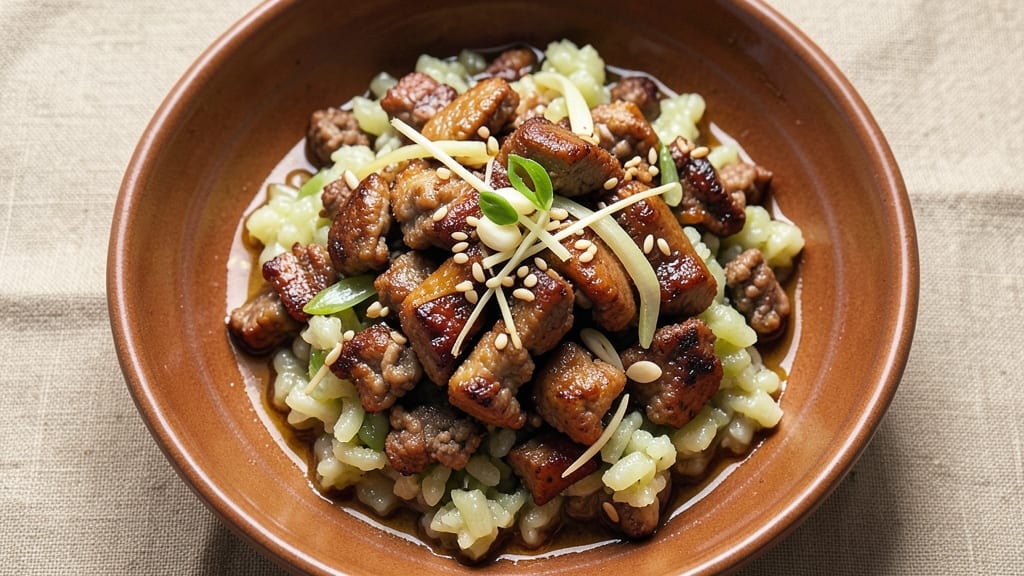
This chayote and ground pork recipe delivers the perfect balance of crispy dumpling edges and silky, savory filling—inspired by my time perfecting Southeast Asian-inspired pork dishes. The secret lies in a light cornstarch coating that creates that satisfying crunch while keeping the filling tender and packed with flavor.
I developed this after years of testing dumpling techniques, and it never fails to impress.
The recipe begins with finely minced chayote and ground pork sautéed with garlic, ginger, and a touch of soy sauce for depth. Wrapped in delicate wonton wrappers, these dumplings are pan-fried until golden brown, then finished in a light broth for that signature restaurant-quality sheen.
The chayote adds a subtle sweetness that pairs beautifully with the rich pork.
What you'll end up with is a dish that's crispy on the outside, tender inside, and bursting with umami flavor—ideal for serving with a tangy dipping sauce or over steamed rice. The technique is straightforward but yields professional results, making it perfect for weeknight dinners or special occasions.
These dumplings reheat beautifully too, so they're great for meal prep. Serve with a simple cucumber salad or steamed greens for a complete meal. Let's get cooking!
Ingredients for chayote and ground pork
These ingredients deliver restaurant-quality dumplings with crispy edges and tender, flavorful filling—perfect for weeknight meals or special occasions.
| Ingredient | Amount | Notes |
|---|---|---|
| Ground Pork 🐷 | 12 oz | Lean, finely ground preferred |
| Fresh Chayote 🥬 | 1 whole | Peeled, finely minced |
| Garlic Cloves 🧄 | 4 cloves | Minced, aromatic quality |
| Fresh Ginger 🌿 | 1 tbsp | Grated, aromatic |
| Light Soy Sauce 🥢 | 2 tbsp | Kikkoman preferred |
| Sesame Oil 🫒 | 1 tbsp | Toasted, for aroma |
| Cornstarch 🌾 | ½ cup | Light coating for crispiness |
| Wonton Wrappers 🍠 | 16 pieces | Square, delicate texture |
| Vegetable Oil 🫒 | ¼ cup | High smoke point |
| Chicken Broth 💧 | 1 cup | Low-sodium preferred |
| Green Onions 🧅 | 3 whole | Sliced, for garnish |
| Black Pepper 🌶️ | ¼ tsp | Freshly ground |
| Salt 🧂 | ½ tsp | Diamond Crystal preferred |
The ground pork is the heart of this dish—look for finely ground at your butcher or grocery store's meat counter for the best texture. Kroger or Whole Foods carry excellent quality, and if you can't find it pre-ground, ask them to grind it fresh. Chayote should be firm with no soft spots; Asian markets often carry it pre-peeled for convenience. The wonton wrappers need to be delicate—King Noodle or Taiso brands provide the perfect balance of thinness and strength for pan-frying. For the cornstarch, Bob's Red Mill is a reliable choice, and make sure it's pure cornstarch, not a blend with flour.
No chayote? Substitute with finely diced zucchini or daikon radish—both add moisture and subtle sweetness. Running out of wonton wrappers? Use spring roll wrappers or even phyllo dough, though the texture will differ slightly. The sesame oil can be swapped for toasted peanut oil at half the amount if you prefer a nuttier flavor. For extra umami depth, add 1 tsp fish sauce if your dietary restrictions allow it. The chicken broth can be replaced with vegetable broth for a vegetarian version, though the flavor will be slightly milder.
Store the pre-cooked dumplings in an airtight container with a damp paper towel to maintain crispiness for up to 3 days in the fridge. For longer storage, freeze them on a parchment-lined tray before transferring to a bag—this prevents sticking. Reheat in a skillet with a splash of oil for 2-3 minutes per side, or steam for 5-6 minutes from frozen. The filling reheats beautifully, though the wrappers may soften slightly. These dumplings also freeze exceptionally well—up to 3 months—making them perfect for meal prep.
Why You'll Love This Recipe
- Few Ingredients, Big Payoff: I swear by this one—just pork, chayote, garlic, ginger, and a splash of soy. That’s it. No complicated marinades or obscure spices lurking in my pantry. The chayote’s mild crunch and the pork’s savory depth do all the heavy lifting, and honestly? I can’t remember the last time a recipe felt this achievable for something this tasty.
- Umami Bomb: Between us, that light soy sauce and fresh ginger? Absolute magic. The pork browns up just enough to get crispy at the edges while staying juicy inside, and the chayote soaks up the flavors like a sponge—no blandness here. It’s the kind of dish where every bite feels intentional, like someone actually put thought into it (even if I didn’t).
- Leftover Hero: This recipe begs to be made in bulk. The flavors only get better the next day—reheated, it’s even more cohesive, almost like a stir-fry casserole. I pack it for lunches, toss it into rice bowls, or just microwave a portion when I’m too tired to cook. It’s my go-to for when I need a meal that won’t let me down, no matter how many times I reheat it.
- Budget Meal, Big Flavor: Ground pork is cheap, chayote stays fresh for ages, and garlic/ginger are pantry staples. I’ll be real: this recipe keeps me from ordering takeout when my wallet’s feeling thin, and it still tastes like I slaved over it. Plus, the chayote’s mild taste means I can stretch it across multiple meals without anyone noticing—or caring. Smart, simple, and satisfying.
Step-by-step instructions for crispy-edged dumplings with silky filling
Master these techniques and you'll achieve dumplings with a perfect balance of golden-brown edges and tender, flavorful filling.
Prepare the Chayote and Aromatics for Maximum Flavor
Begin by peeling the 1 whole fresh chayote using a vegetable peeler, then finely mince it into small, even pieces. The texture should resemble rice grains—this ensures the filling stays silky rather than fibrous. Transfer the minced chayote to a mixing bowl.
Add the 4 cloves minced garlic cloves and 1 tablespoon grated fresh ginger to the bowl. These aromatics form the flavor foundation, so take your time to mince them finely. The goal is to distribute their essence evenly throughout the filling. Sprinkle in the 0.5 teaspoon salt and 0.25 teaspoon black pepper, mixing gently to combine. This seasoning step is critical—it prevents bland filling while balancing the pork's richness.
Cook the Pork Filling to Perfect Tenderness
Heat a non-stick skillet over medium-high heat and add 0.25 cup vegetable oil. Once shimmering, add the 12 oz ground pork, breaking it up with a wooden spoon. Cook for 5-6 minutes until the pork loses its raw color and begins to brown. The filling should be fully cooked through—no pink should remain when you test a small piece.
Reduce heat to medium and stir in the prepared chayote mixture. Add the 2 tablespoons light soy sauce and 1 tablespoon sesame oil, mixing thoroughly. Cook for an additional 3-4 minutes until the liquid reduces slightly and the filling becomes cohesive. Remove from heat and let cool for 5 minutes—this resting period prevents the wrappers from becoming soggy when assembled.
Create the Crispy Edges with Cornstarch Coating
Spread the 0.5 cup cornstarch on a clean work surface. Transfer the cooled pork filling to the cornstarch and gently toss to coat evenly. The cornstarch acts as a barrier that creates those coveted crispy edges when steamed. For best results, work quickly to prevent the filling from absorbing too much cornstarch.
Divide the coated filling into 16 equal portions (about 1 tablespoon each). Roll each portion into a log shape and set aside. The uniformity of these portions ensures consistent dumpling size, which guarantees even cooking. Keep the filling covered with a damp towel to maintain moisture while you prepare the wrappers.
Assemble and Steam for Crispy Perfection
Fill a large pot with 2-3 inches of water and bring to a boil. Arrange a steamer basket inside, ensuring it sits above the water without touching. Place 16 wonton wrappers on a clean surface and spoon 1 portion of filling into the center of each wrapper. Fold the wrapper diagonally to form a triangle, then press the edges firmly to seal—any gaps will result in leaking filling.
Carefully arrange the sealed dumplings in the steamer basket, leaving ½-inch space between each. Cover the pot with a tight lid and steam over medium-high heat for 8-10 minutes. You'll know they're done when the wrappers turn deep golden brown and the filling is heated through. Avoid lifting the lid during steaming—this disrupts the steam flow and prevents crispy edges.
Finish with Garnish and Serve Immediately
Remove the dumplings from the steamer and transfer to a serving platter. Slice the 3 whole green onions into thin rings and sprinkle them evenly over the top for freshness and visual appeal. Serve the dumplings immediately while they're still crispy—waiting even 5 minutes will cause the edges to soften.
For serving, I recommend pairing with a light chicken broth-based soup or a simple sesame dipping sauce made from the remaining 1 cup chicken broth reduced by half with a splash of sesame oil. The contrast of warm broth against the crispy dumplings creates a perfect balance of textures and temperatures.
Pro Tips For Making Chayote And Ground Pork
- CRISP THE CHAYOTE FIRST: Slice the chayote thinly (⅛-inch) and sear it in a dry pan for 2 minutes before adding pork. This removes excess moisture and gives it a satisfying bite—no soggy texture here. (I learned this the hard way after serving mushy chayote that tasted like boiled cardboard.)
- USE COLD GROUND PORK: Take the pork straight from the fridge—don’t thaw it—and break it into chunks before cooking. Cold pork browns better and releases fat more evenly, so you get crispy edges instead of greasy mush. (Yes, even if you’re impatient like me.)
- MINCE GINGER FINE: Skip the grater and finely chop the ginger with a knife—you want it almost paste-like. This ensures it dissolves completely into the sauce, adding depth without clumps. (My grandmother swore by this, and she was right: raw ginger bits are a crime in this dish.)
- SALT THE CHAYOTE AFTER COOKING: Wait until the chayote is fully cooked to season it—adding salt earlier makes it release water and turns your pan into a soup. A pinch of soy sauce at the end? That’s where the flavor really sticks. (Does it look weird? Yes. Does it work? Every single time.)
Creative variations of these flavors
Spicy Thai-Inspired
Transform this recipe into a fiery Thai street-food classic by adding 1 tbsp red curry paste to the pork filling and 1 tsp fish sauce for depth. Stir in 1 tbsp minced Thai basil and ½ tsp chili flakes before assembling.
Serve with a sweet chili-lime dipping sauce—mix 2 tbsp lime juice, 1 tbsp honey, and 1 tsp chili oil for a tangy kick. 🌶️
Sweet and Sour
For a Southern-inspired twist, toss the cooked dumplings in a sweet and sour glaze made with ¼ cup ketchup, 2 tbsp apple cider vinegar, 1 tbsp brown sugar, and ½ tsp smoked paprika.
Simmer for 3 minutes until thickened, then drizzle over the dumplings. Garnish with crispy fried shallots for extra crunch.
Vegetarian Adaptation
Swap the pork for 12 oz finely minced mushrooms (shiitake or cremini) sautéed until golden. Add 1 tbsp soy sauce, 1 tsp mushroom powder, and ½ tsp black pepper to mimic the umami depth.
The chayote’s natural sweetness shines even more without pork. Use vegetable broth in the dipping sauce for a fully plant-based dish.
Breakfast Dumplings
Elevate these to brunch status by folding the filling into mini wonton wrappers (about 2 tbsp each) and pan-frying until golden. Top with a scrambled egg (2 eggs per dumpling) and sprinkle with crumbled bacon bits and scallions.
Serve with a side of maple syrup for a sweet-savory contrast. These disappear fast at my farmhouse breakfast table!
Herb-Infused Fusion
For a Mediterranean twist, fold in 1 tbsp chopped fresh dill and 1 tsp dried oregano into the filling. Pan-fry the dumplings in olive oil instead of vegetable oil, then finish with a squeeze of lemon juice and a sprinkle of feta cheese.
Serve with a tzatziki sauce for dipping—this combo feels like a Greek taverna meets Asian street food. 💫
Meal-Prep Hack
Double the batch and freeze uncooked dumplings on a tray before transferring to a bag. When ready to eat, steam from frozen for 12-14 minutes—no thawing needed! Reheat pan-fried versions in a skillet for 3-4 minutes per side to restore crispiness.
These reheat beautifully for lunches all week, and the flavors only deepen over time.
Nutrition facts
Frequently asked questions
How do I properly prepare chayote for this recipe?
Always peel the chayote first using a vegetable peeler—its skin is tough and inedible. Then cut off both ends and slice it lengthwise into quarters before peeling. For this recipe, you'll want to finely mince the peeled chayote (about 1 whole chayote) into small, rice-like grains. This texture ensures the filling stays silky rather than fibrous.
Can I use regular flour instead of cornstarch for crispy edges?
While you can substitute flour, cornstarch creates a lighter, crispier texture that's perfect for these dumplings. For best results, use 0.5 cup cornstarch as called for. If you must substitute, use all-purpose flour in the same amount, but expect slightly denser edges. The cornstarch also helps create that signature "shatter" when biting into the wrapper.
Why do my dumplings turn out soggy instead of crispy? Soggy dumplings usually happen from one of three issues: overfilling the wrappers, lifting the lid during steaming, or not using enough cornstarch.
What's the best way to store and reheat these dumplings?
For short-term storage, keep cooked dumplings in an airtight container with a damp paper towel to maintain crispiness for up to 3 days in the fridge. To reheat, pan-fry in a skillet with a splash of oil for 2-3 minutes per side until golden again. For longer storage, freeze uncooked dumplings on a tray before transferring to a bag. Steam from frozen for 12-14 minutes—no thawing needed! The filling reheats beautifully, though wrappers may soften slightly.
Can I make these dumplings ahead of time?
These dumplings reheat exceptionally well, making them perfect for meal prep. Assemble the filled dumplings and freeze them on a tray before transferring to a bag. When ready to eat, steam from frozen for 12-14 minutes or pan-fry for 3-4 minutes per side. The flavors actually deepen over time, and the filling stays tender. Just be sure to serve them immediately after reheating to restore that crispy texture.