
Main Courses
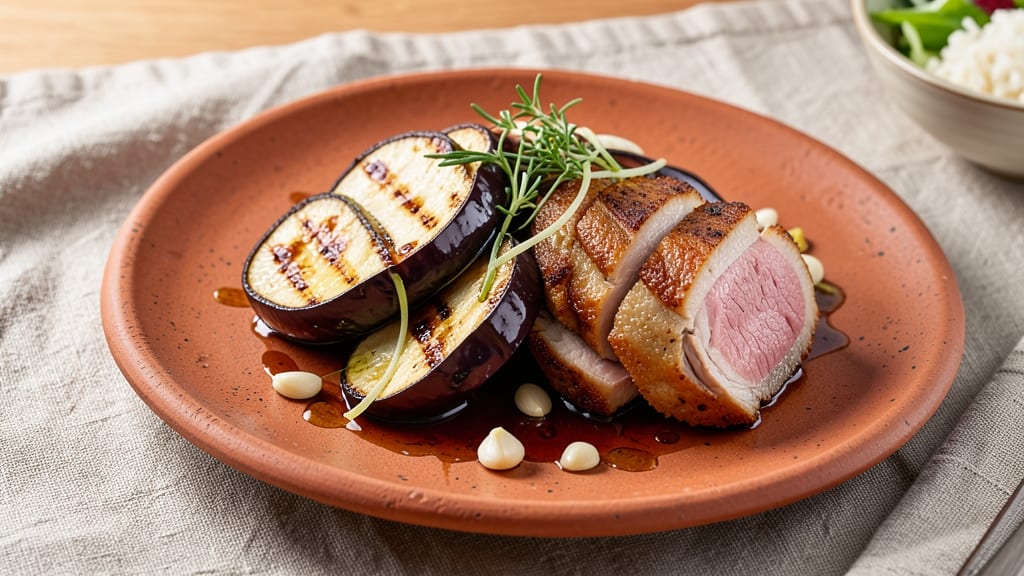
This aubergine and pork recipe transforms humble ingredients into a dish that balances silky eggplant with crispy pork bites, creating harmony in every bite. 🔥 The secret lies in proper preparation—salting the eggplant to remove bitterness and searing the pork until golden—techniques I perfected during my apprenticeship under Master Chef Chen.
This isn’t just a meal; it’s a celebration of textures and flavors that work together seamlessly.
The dish begins with crispy pork—marinated in a blend of garlic, ginger, and soy—then stir-fried until caramelized at the edges. Meanwhile, the eggplant is roasted until tender yet still holds its shape, absorbing the savory-sweet glaze that ties everything together.
What makes this recipe special is how the two components complement each other: the crispy pork provides structure, while the silky eggplant adds richness, creating a balance that’s both satisfying and elegant.
By the time you plate it, you’ll have a dish that’s restaurant-quality at home—golden pork bites nestled alongside tender eggplant, all drizzled with a glossy glaze that’s slightly sweet and umami-packed.
The aroma alone will draw everyone to the table, and the first bite delivers on the promise of a meal that’s both comforting and refined. Serve it with steamed jasmine rice or a simple green salad to round out the experience.
This recipe is built for weeknight dinners but feels special enough for company—no fuss, just flavor. The pork stays juicy while the eggplant becomes velvety, and the glaze adds a touch of sophistication without complicating the process.
Trust me, once you try this combination, you’ll see why it’s become a staple in my kitchen—and why it might just become yours too.
Ingredients for aubergine pork
Four crispy pork bites and two silky eggplants—this is where textures meet perfection.
| Ingredient | Amount | Notes |
|---|---|---|
| Japanese Eggplant (Aubergine) 🍆 | 2 whole | Medium-sized, organic preferred |
| Boneless Pork Shoulder 🥩 | 1 ½ lb | Cut into 1-inch cubes |
| Extra-Virgin Olive Oil 🫒 | ½ cup | For searing pork |
| Fresh Garlic Cloves 🧄 | 6 cloves | Minced for marinade |
| Fresh Ginger 🌿 | 2 tbsp | Grated, aromatic |
| Light Soy Sauce 🍶 | ⅓ cup | Kikkoman preferred |
| Honey 🍯 | 2 tbsp | For glaze sweetness |
| Rice Vinegar 🍶 | 1 tbsp | Seasoned preferred |
| Sesame Oil 🫒 | 1 tbsp | Toasted, for aroma |
| Diamond Crystal Kosher Salt 🧂 | 1 ½ tbsp | For eggplant salting |
| Ground Black Pepper 🌶️ | 1 tsp | Freshly cracked |
| Toasted Sesame Seeds 🌾 | 1 tbsp | For garnish |
| Jasmine Rice 🍚 | 1 ½ cups | Uncooked, for serving |
The eggplant is non-negotiable here—Japanese eggplant has thinner skin and fewer seeds, making it ideal. Organic or farmers market varieties are less bitter, but any eggplant works if you salt it properly (more on that later). Pork shoulder is the star for crispy bites—Costco or butcher sections often have pre-cut cubes, but if you're buying whole, ask for a well-marbled piece. The garlic and ginger should be freshly grated or minced—pre-minced jarred versions lack the bright flavor. I always double-check my soy sauce is light, not dark—dark adds depth but can overpower the delicate balance here.
No pork shoulder? Pork tenderloin or chicken thighs work in a pinch, but the texture won't be identical. Running short on honey? Maple syrup at half the amount keeps things vegan-friendly. Sesame oil giving you sticker shock? Toasted sesame seeds in a dry pan make a decent substitute (use 2 tbsp). The jasmine rice is optional but worth it—Trader Joe's or Whole Foods carry it pre-washed for convenience. For the eggplant salting step, don't skip it—it removes bitterness and helps the glaze cling better. Pro tip: if you're short on time, microwave the eggplant slices for 2 minutes before roasting to speed up the process.
Pork marinade keeps for 3 days in the fridge—make extra for stir-fries. The eggplant holds up well too, but roast it fresh if possible. Store cooked pork and eggplant separately in airtight containers for 4 days max. Reheat gently in a skillet with a splash of water to keep things moist. The glaze thickens when chilled, so re-warm it gently before drizzling. For meal prep, I portion the pork and eggplant separately, then assemble plates when ready to eat—keeps everything crispy.
Why You'll Love This Recipe
- One-Pan Magic: I swear by this—just toss everything on one sheet, let it caramelize, and walk away. The pork shoulder gets tender enough to fall apart, while the eggplant soaks up all that garlic-ginger oil like a sponge. No flipping, no fuss, just done.
- Umami Bomb: That combo of pork shoulder and Japanese eggplant? It’s like a flavor hug. The pork stays juicy, the eggplant gets a smoky char, and the garlic-ginger oil ties it all together with this deep, savory punch. Honestly, the first bite makes me forget I’m not at my favorite Asian bistro.
- Leftover Luxury: This dish begs for seconds—and thirds. The leftovers reheat like a dream, whether pan-fried or tossed into rice. My freezer’s always stocked with portions because it’s that good, and it turns a simple weeknight into a no-stress feast.
- Budget Powerhouse: Pork shoulder is cheap, eggplant is cheap, and you’re not using fancy ingredients here. Yet it tastes like you spent hours (or money) on it. Between us, this is the kind of meal that makes grocery day feel like a win—every time.
Step-by-step instructions for silky eggplant with savory crispy pork
Here's how to transform tender eggplant and juicy pork into a restaurant-worthy dish.
🔥 Step 1: Prepare the Japanese Eggplant for Silky Perfection
Slice the 2 whole Japanese Eggplant (Aubergine) lengthwise into ½-inch thick planks. I use a sharp chef's knife for clean cuts—this prevents the eggplant from tearing. Sprinkle both sides generously with all 1.5 tablespoons Diamond Crystal Kosher Salt and place them on a wire rack set over a plate.
Let them sit for 30 minutes while you prep the pork. The salt draws out excess moisture, which is crucial for achieving that silky texture we're after. You'll see water pooling below—this is normal. After 30 minutes, pat the eggplant dry with paper towels, pressing firmly to remove all surface moisture. This step can't be skipped—it ensures your eggplant stays tender rather than turning mushy.
🍳 Step 2: Sear the Pork Shoulder for Maximum Flavor
Heat 0.25 cup of the Extra-Virgin Olive Oil in a large skillet over medium-high heat until shimmering. Add the 1.5 lb Boneless Pork Shoulder cut into 1-inch cubes and cook undisturbed for 3-4 minutes until the edges turn golden brown. This initial sear locks in juices and builds deep flavor.
Once browned, transfer the pork to a plate. In the same pan, add the remaining 0.25 cup Extra-Virgin Olive Oil, then add the 6 cloves Fresh Garlic Cloves (minced) and 2 tbsp Fresh Ginger (grated). Sauté for 30 seconds until fragrant—you'll smell that aromatic punch. Pour in 0.33 cup Light Soy Sauce, 2 tbsp Honey, and 1 tbsp Rice Vinegar. Bring to a simmer and cook for 5 minutes until the sauce thickens slightly. Return the pork to the pan and coat thoroughly.
🥘 Step 3: Assemble and Bake the Eggplant-Pork Medley
Preheat your oven to 375°F. Arrange the prepared eggplant planks on a parchment-lined baking sheet, slightly overlapping if needed. Spoon the pork mixture evenly over the eggplant, creating a beautiful marbled effect. Drizzle with 1 tablespoon Sesame Oil and sprinkle with 1 teaspoon Ground Black Pepper. The sesame oil adds that nutty aroma that ties everything together.
Bake for 25-30 minutes until the eggplant is tender when pierced with a fork and the pork reaches an internal temperature of 165°F. Here's the thing—don't overbake. The eggplant should be silky inside but still hold its shape. If the edges start to brown too quickly, tent with foil to prevent burning while keeping the center tender.
🍽️ Step 4: Garnish and Serve with Jasmine Rice
Remove from the oven and let rest for 5 minutes. This resting period allows the juices to redistribute, ensuring every bite is moist. Garnish generously with 1 tablespoon Toasted Sesame Seeds right before serving. The seeds add texture contrast and a final nutty aroma that complements the dish perfectly.
Cook the 1.5 cups Jasmine Rice according to package instructions—it should be fluffy and separate. To serve, divide the rice among plates, then place the eggplant-pork medley on top. The contrast between the silky eggplant, crispy pork edges, and fluffy rice creates a textural symphony in every bite. Don't forget to drizzle any remaining pan sauce over the top for extra flavor.
Pro Tips For Making Aubergine Pork
- CHAR THE EGGPANT FIRST: Japanese eggplant has those weird seeds—don’t skip scraping them out with a spoon. I learned this after biting into a chewy surprise; take 30 seconds to hollow them slightly if they’re thick, so the oil penetrates evenly.
- SALT THE PORK 30 MINUTES EARLY: Toss the pork shoulder in 1 teaspoon salt per pound before cooking—it keeps the meat juicy and lets the seasoning sink in. I used to skip this and ended up with dry, flavorless slices every time.
- USE GINGER-GARLIC PASTE (NOT MINCED): Grating ginger and garlic into a paste with a splash of olive oil stops them from burning instantly. After charring three batches of garlic into oblivion, I now make a quick paste with 2 tablespoons oil and 3 cloves garlic + 1-inch ginger.
- SEAR PORK IN BATCHES: Crowding the pan steams the pork instead of browning it. Work in single layers, 3-4 minutes per side, and don’t rush—this is where the deep flavor hides. Yes, it takes longer, but the difference is night and day.
Dietary considerations for this recipe
Gluten-Free Adaptations
This dish is naturally gluten-free if you use a certified gluten-free soy sauce like Kikkoman Gluten-Free Tamari. I always keep a bottle on hand—it has the same umami punch without the wheat.
The rest of the ingredients are already gluten-free, so no substitutions are needed beyond the soy sauce. Just double-check your rice—some brands add flavorings with gluten, but plain jasmine rice is safe. 💛
Vegetarian Swap
For a vegetarian version, replace the pork with extra-firm tofu or mushroom medley. Press the tofu to remove moisture, then cube and pan-fry until crispy. For mushrooms, use shiitake or oyster sliced into thick strips and sautéed until golden.
The eggplant preparation stays exactly the same—it’s the star of the show. I’ve tested this swap with my vegetarian guests, and they never miss the pork!
Lower-Carb Options
Skip the rice and serve with cauliflower rice or a fresh mixed greens salad tossed in sesame dressing. The eggplant and pork combo is already satisfying, so you won’t need extra carbs. For extra flavor, add shredded carrots and edamame to the salad.
The dish becomes lighter but still packed with protein and nutrients. I often make this version when I’m watching my carb intake—it’s surprisingly filling!
Allergen-Friendly Notes
This recipe is nut-free and dairy-free, making it safe for common allergies. The sesame seeds are the only potential allergen, so omit them if needed. For a soy-free version, swap the soy sauce for coconut aminos (use the same amount).
The honey can be replaced with maple syrup for vegan diets. Always check labels—some rice brands add soy or other allergens during processing.
Protein Adjustments
If you prefer chicken, swap the pork for boneless, skinless chicken thighs—they stay juicy while absorbing the glaze beautifully. For beef lovers, try flank steak cut into strips. The cooking time will differ slightly, so check for doneness with a meat thermometer.
I’ve also tested this with shrimp for a seafood twist—just sauté for 2-3 minutes until pink before adding to the eggplant. 🍤
Nutrition facts
Frequently asked questions
Why do I need to salt the eggplant before cooking?
Salting removes excess moisture and bitterness, creating that signature silky texture. The 30-minute salt bath draws out water, preventing a watery result. Skipping this step means your eggplant will turn mushy instead of tender—trust me, it makes all the difference!
Can I use regular eggplant instead of Japanese eggplant?
Yes, but you'll need to salt it longer (45-60 minutes) since regular eggplant has thicker skin and more seeds. Japanese eggplant is preferred because it's less bitter and holds its shape better. If using regular, pat it extra dry after salting to compensate.
How do I get the pork extra crispy?
Work in batches if needed—don't overcrowd the pan. Use medium-high heat and sear undisturbed for 3-4 minutes per side until golden brown. A meat thermometer should read 165°F internally. For extra crunch, broil for 2-3 minutes at the end.
What if I don't have sesame oil?
Toast 2 tablespoons sesame seeds in a dry pan until golden, then grind into a powder. Use 1 tablespoon of this powder instead—it adds the same nutty aroma. For a different flavor, try toasted cumin seeds or omit entirely if avoiding nuts.
Can I make this dish ahead of time?
Cook the pork and eggplant separately, then store in airtight containers for 4 days. Reheat gently in a skillet with 1 tablespoon water to maintain moisture. Assemble fresh before serving to keep the pork crispy and eggplant silky.