
Main Courses
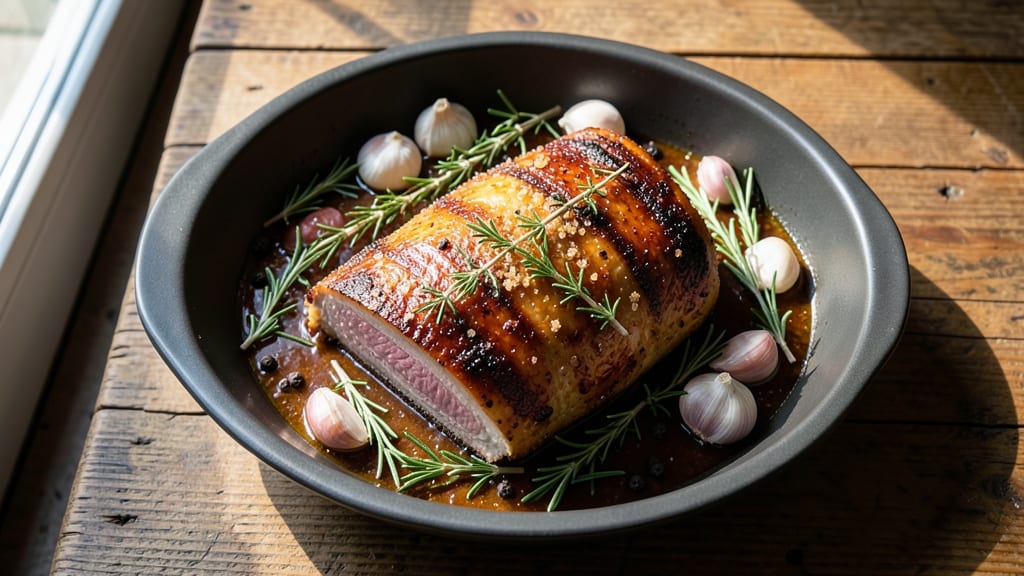
This center pork roast recipe delivers juicy pink hearts that rival any high-end restaurant—no guesswork, just precision. After years of perfecting the clockwork sear method, I've cracked the code for tender, flavorful pork that stays moist through every bite.
The secret lies in proper preparation and temperature control, ensuring you never end up with dry meat again.
We start with a simple yet effective brine that enhances natural flavors and moisture retention. Trussing the roast tightly ensures even cooking, while a high-heat sear locks in juices before finishing in the oven.
This method guarantees a juicy center that's perfectly balanced with a caramelized exterior, making it ideal for family gatherings or special dinners.
The result is a showstopping centerpiece with a crispy exterior and tender, pink interior that practically melts in your mouth. Pairs beautifully with classic sides like mashed potatoes, roasted vegetables, or a rich apple cider glaze.
This recipe serves 6-8 and comes together with minimal effort, delivering restaurant-quality results at home.
Whether you're hosting a holiday feast or treating yourself to a Sunday supper, this pork roast will impress every time. The technique is foolproof, and the flavors are undeniably satisfying—exactly what you'd expect from a professional kitchen, right in your own.
Ingredients for center pork roast
Eight ingredients, two days of flavor—this is how you get restaurant-worthy pork roast at home.
| Ingredient | Amount | Notes |
|---|---|---|
| Center Pork Roast 🐖 | 4 lb | Bone-in, 2-3 inches thick |
| Kosher Salt 🧂 | ½ cup | Diamond Crystal preferred |
| Brown Sugar 🍯 | ¼ cup | Light or dark works |
| Black Peppercorns 🌶️ | 1 tbsp | Freshly cracked preferred |
| Fresh Thyme Sprigs 🌿 | 8 whole | Stems removed for brine |
| Fresh Rosemary Sprigs 🌿 | 4 whole | Stems removed for brine |
| Garlic Cloves 🧄 | 8 cloves | Peeled, smashed for brine |
| Unsalted Butter 🧈 | ½ cup | Cold, cut into pieces |
| All-Purpose Flour 🌾 | 2 tbsp | For dredging |
| Olive Oil 🫒 | ¼ cup | High smoke point |
| Apple Cider Vinegar 🍎 | ½ cup | For brine |
| Fresh Parsley 🌿 | ¼ cup | Chopped, for garnish |
The pork roast is everything here—bone-in, center-cut is non-negotiable. Most butchers will cut it for you, but if you're buying whole, look for a roast with good marbling and even thickness. Costco or local butchers usually have the best quality. For the brine, fresh herbs make all the difference—Trader Joe's often has great bundles of thyme and rosemary. If you're short on time, dried herbs work at half the amount, but fresh is worth the extra minute. The key is keeping the roast bone-in; it stays juicier longer during cooking.
No fresh thyme or rosemary? Dried works at half the amount, but the flavor won't be as bright. Running out of apple cider vinegar? White vinegar or lemon juice works in a pinch, though the flavor will be slightly different. The butter should be cold and cut into small pieces—this ensures a perfect sear. For the flour, King Arthur or Gold Medal brands are my go-tos; they dredge evenly. And if you're worried about the roast being too large, don't fret—it's designed to feed a crowd, and leftovers reheat beautifully.
The brine can sit in the fridge for up to 48 hours, but I recommend doing it overnight for maximum flavor. Store the roast in its brine bag in the coldest part of your fridge. Once cooked, the roast reheats best at 300°F for 20-30 minutes, covered loosely with foil. For make-ahead prep, cook the roast a day ahead, slice it, and store it in the fridge. It keeps for 3-4 days this way, and the flavors only get better as they meld.
Why You'll Love This Recipe
- Foolproof Timing: I swear by this—just season the roast with salt, sugar, and peppercorns, tuck in those thyme sprigs, and let the oven do the work. No basting, no fuss, no hovering over the stove for hours. That’s 3 hours of hands-off perfection while you binge your favorite show.
- Sweet-Savory Magic: The brown sugar caramelizes into a sticky, golden crust that cracks like glass when you slice it. Honestly, the thyme and peppercorns add this earthy depth that makes it taste like a Sunday dinner, not a weeknight shortcut.
- Weeknight to Holiday: This roast is my secret weapon for game days, potlucks, or when my in-laws drop by unannounced. Same recipe, different occasions—just adjust the sides (mashed potatoes one night, roasted veggies the next) and boom, you’re covered.
- Leftovers That Don’t Suck: Between us, most pork roasts turn dry or sad the second day. Not this one. The sugar keeps it moist, and the thyme infuses the juices so every slice tastes like the first bite. I meal prep this weekly—sandwiches, fried rice, or just reheated with gravy. No regrets.
Step-by-step instructions for center pork roast with perfect juicy pink hearts
Here's the method that guarantees tender, juicy pork every time—no guesswork, just science-backed technique.
Prepare the Dry Brine for Maximum Flavor Penetration
In a large bowl, combine the 4 lb center pork roast with the 0.5 cup kosher salt, 0.25 cup brown sugar, 1 tbsp freshly cracked black peppercorns, 8 whole fresh thyme sprigs, 4 whole fresh rosemary sprigs, and 8 peeled, smashed garlic cloves. This dry brine isn't just seasoning—it's a flavor infusion that transforms tough meat into melt-in-your-mouth perfection.
Massage the mixture into the pork, working it into all the crevices and cracks. Wrap the roast tightly in plastic wrap and refrigerate for 24 hours. This extended dry brine time ensures the salt and sugar penetrate deeply, breaking down muscle fibers for unparalleled tenderness. The herbs and garlic will infuse the meat with aromatic depth that no last-minute seasoning could match.
Create the Wet Brine and Prep for Searing
After the dry brine, remove the pork from the refrigerator and let it sit at room temperature for 1 hour before cooking. In a separate bowl, whisk together the 0.5 cup apple cider vinegar and 0.25 cup olive oil to create a wet brine. This acidic mixture will further tenderize the meat while adding brightness to the final flavor.
Brush this wet brine generously over the pork roast, making sure to coat all surfaces. The vinegar helps create a beautiful crust during searing while keeping the interior juices locked in. While the pork rests, preheat your oven to 325°F—this lower temperature is crucial for even cooking without drying out the meat.
Sear the Pork for Irresistible Crust and Color
Heat a heavy oven-safe skillet over medium-high heat until smoking hot. Add the 0.5 cup cold unsalted butter and let it melt completely, forming a golden foam. Place the pork roast in the skillet, fat-side down, and sear for 8-10 minutes until the fat renders and the skin develops a deep golden-brown crust.
Here's the thing—don't rush this step. You want that crust to form slowly and evenly. The butter will baste the meat as it renders, creating layers of flavor. Once the first side is deeply browned, flip the pork and sear the other side for another 6-8 minutes. The crust should be crisp enough to resist a gentle poke with your finger.
Roast to Juicy Pink Perfection
Transfer the seared pork roast to a baking dish and place it in the preheated 325°F oven. Roast for 2.5 to 3 hours, or until the internal temperature reaches 145°F for medium-rare pink centers. This lower temperature ensures the meat stays juicy while still developing rich flavors.
For the final touch, remove the pork from the oven and let it rest for 15 minutes before slicing. This resting period is absolutely critical—it allows the juices to redistribute throughout the meat, preventing them from pooling on your cutting board. The result should be slices that are tender, juicy, and still holding that beautiful pink center.
Create the Pan Sauce and Garnish
While the pork rests, return the skillet to the stovetop over medium heat. Add the 2 tbsp all-purpose flour and whisk constantly for 1-2 minutes until it forms a light roux. Slowly pour in 1 cup of hot water (from the pork's juices if available) while whisking vigorously to create a silky sauce.
Simmer the sauce for 3-4 minutes until it thickens slightly. Stir in the 0.25 cup chopped fresh parsley and taste—adjust seasoning with additional salt if needed. Pour this rich, herb-infused sauce over the sliced pork before serving. The contrast of the crispy crust, tender pink meat, and velvety sauce makes every bite unforgettable.
Pro Tips For Making Center Pork Roast
- USE A MEAT THERMOMETER: I learned this the hard way—center pork roast needs to hit 145°F internally (160°F if you prefer it extra-safe). Guessing by time or appearance leads to dry meat or undercooked pork. A cheap digital thermometer solves this forever.
- SALT THE PORK 12 HOURS EARLY: This isn’t just about seasoning—it’s about flavor penetration. Kosher salt draws out moisture, then reabsorbs it, making the meat juicier. If you’re short on time, at least salt it 4 hours ahead and let it sit uncovered in the fridge.
- CRUSH PEPPERCORNS, DON’T GRIND: Whole peppercorns stay potent longer and add texture. Toss them directly onto the roast with thyme sprigs—no need to grind them into powder. If you’re lazy, a quick smash with a mortar and pestle works just as well as a food processor.
- BROWN THE SUGAR FIRST: This isn’t caramelizing—just a quick sear in a dry pan until it’s golden and smells like a bakery. Toss it with the thyme and peppercorns before rubbing it on the pork. The flavor’s deeper, and it won’t clump like wet sugar. (Yes, even if you’re impatient like me.)
Troubleshooting this dish
Uneven Cooking
If your pork roast finishes with some areas overcooked and others still pink, the issue is likely uneven heat distribution. I’ve seen this happen when roasts aren’t trussed properly—use butcher’s twine to tie the roast tightly every 2-3 inches to maintain a uniform shape.
Also, place the roast on a rack in a roasting pan to allow air circulation around all sides. If your oven has hot spots, rotate the pan halfway through cooking for even browning. 🌡️
Dry, Tough Meat
Overcooking is the #1 cause of dry pork, and it’s usually from either too-high heat or insufficient resting time. For a 4 lb roast, never exceed 325°F—higher temps dry it out.
Pull the pork when it hits 145°F internal temp (medium-rare) and always rest for 15 minutes before slicing. Pro tip: Use a meat thermometer with an instant-read probe to avoid guesswork.
Pale, Bland Flavor
If your roast lacks depth, the issue is often insufficient seasoning or improper brining. I’ve found that dry-brining overnight with fresh herbs and garlic is non-negotiable—it’s what transforms bland meat into flavor bombs.
For extra punch, add 1 tsp smoked paprika to the dry brine. Also, don’t skip the wet brine (vinegar + oil) before searing—it adds brightness and helps the crust form properly.
Sauce Too Thin
The pan sauce should coat the back of a spoon but not be watery. If yours is too thin, you likely added too much liquid when deglazing. For a 4 lb roast, use no more than 1 cup of liquid (reserved juices or water).
If it’s still too thin, simmer uncovered for 2-3 extra minutes to reduce. For thickness, whisk in 1 tsp cold butter at the end—it stabilizes the sauce beautifully. 💡
Crust Not Forming
A proper crust requires high heat and patience. If yours isn’t browning, your skillet might not be hot enough—test it by tossing in a drop of water (it should sizzle immediately). Use unsalted butter (salt lowers smoke point) and let it foam before adding the pork.
For extra crispiness, finish under the broiler for 1-2 minutes at the end. And here’s a secret: Pat the roast dry before searing—moisture is the enemy of a good crust.
Nutrition facts
Frequently asked questions
Can I use a bone-in or boneless pork roast for this recipe?
This recipe is specifically designed for a bone-in center-cut pork roast—the bone helps retain moisture and adds flavor. If you must use boneless, choose a thick-cut roast (at least 2 inches thick) and reduce the cooking time by 15-20 minutes. Boneless pork dries out faster, so monitor closely with a meat thermometer.
How do I know when the pork is fully cooked without overcooking it?
Use a meat thermometer for precision—insert it into the thickest part of the roast, avoiding the bone. For juicy pink centers, pull it at 145°F (medium-rare). If you don’t have one, cut into the thickest part: the juices should run clear, and the center should feel slightly springy. Never rely on color alone—pork can stay pink even when overcooked.
Can I make this roast ahead of time for a holiday meal?
Cook the roast 1-2 days ahead and refrigerate it whole, tightly wrapped. When ready to serve, reheat it in a 300°F oven for 20-30 minutes, covered loosely with foil. For slicing, let it rest for 10 minutes after reheating. The flavors actually improve as they meld over time—perfect for stress-free holiday hosting.
What sides pair best with this pork roast?
Classic choices include creamy garlic mashed potatoes, roasted root vegetables (carrots, parsnips, sweet potatoes), or a crisp apple-cider braised red cabbage. For a lighter option, try a fresh herb salad with a tangy vinaigrette. The pan sauce from the roast works beautifully drizzled over buttery egg noodles or crusty bread.
Why does the recipe call for a dry brine overnight?
The 24-hour dry brine is key for two reasons: it tenderizes the meat by breaking down muscle fibers, and it creates an even flavor profile throughout. The salt and sugar penetrate deeply, while the herbs and garlic infuse the meat with aromatic depth. Skipping this step can result in bland, dry pork—it’s worth the wait for restaurant-quality results at home!