
Sauces & Condiments
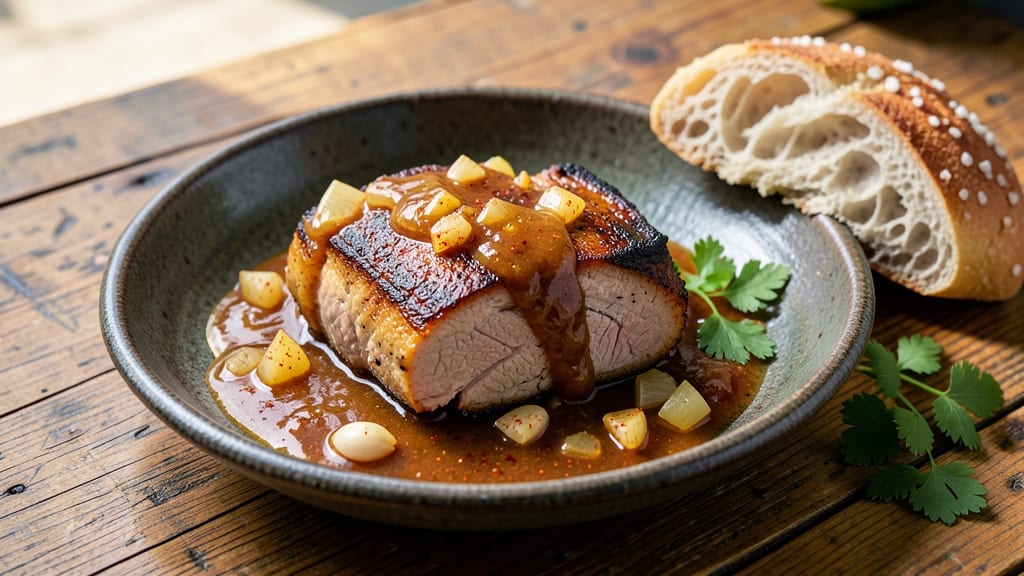
This Carolina pork sauce recipe transforms humble ingredients into the smoky, tangy elixir that defines Southern soul food. 🔥 Growing up in Georgia, I learned how a few simple components—vinegar, sugar, spices, and pork—could create something magical when braised just right.
The secret lies in balancing acidity and sweetness while developing deep, caramelized flavors through slow simmering. What makes this sauce special is its versatility—it elevates pulled pork, grilled chicken, or even fried catfish with that signature Carolina tang.
The process is straightforward: combine vinegar, sugar, and spices in a pot, add pork pieces, and let them braise until tender and infused with smoky depth. No fancy equipment needed, just patience and a little time.
By the end, you'll have a rich, glossy sauce that's perfect for drizzling over dishes or using as a marinade. The vinegar cuts through the pork's richness while the sugar caramelizes into a glossy sheen. This is the kind of sauce that makes weeknight dinners taste like a Charleston feast.
Store leftovers in the fridge for up to a week, or freeze for longer shelf life. The flavors only intensify over time, making this a pantry staple worth keeping on hand.
Ingredients for carolina pork sauce
Pantry staples and a few key ingredients create this iconic Carolina pork sauce.
| Ingredient | Amount | Notes |
|---|---|---|
| Pork Shoulder 🥩 | 2 lb | Bone-in, cut into 1-inch pieces |
| White Vinegar 💧 | 1 ½ cups | White or apple cider vinegar |
| Granulated Sugar 🍚 | 1 cup | Light or dark brown sugar works too |
| Yellow Onion 🧅 | 1 whole | Medium size, sliced into wedges |
| Garlic Cloves 🧄 | 4 cloves | Peeled and lightly smashed |
| Smoked Paprika 🌶️ | 1 tbsp | For authentic Carolina smokiness |
| Ground Black Pepper 🌶️ | ½ tsp | Freshly cracked for best flavor |
| Bay Leaves 🍃 | 2 whole | Fresh or dried, removed before serving |
| Salt 🧂 | 1 ½ tsp | Kosher or sea salt preferred |
| Olive Oil 🫒 | 2 tbsp | For deglazing the pot |
The pork shoulder is the backbone of this sauce—bone-in cuts add depth, but boneless works too. Look for well-marbled pork at local butcher shops or the meat department, where it's often sold pre-cut. If you can't find bone-in, pork butt is the next best thing. The vinegar should be white or apple cider—avoid balsamic, which will overpower the delicate balance. For sugar, I prefer granulated for even dissolving, but brown sugar adds subtle caramel notes if you're feeling adventurous. The smoked paprika is non-negotiable—it's what gives this sauce its signature Carolina kick.
No smoked paprika? Substitute 1/2 teaspoon liquid smoke for a similar effect, though it won't be identical. Running out of white vinegar? Apple cider vinegar or even red wine vinegar work in a pinch, though the flavor profile shifts slightly. Fresh garlic and onion are ideal, but powdered versions at half the amount will get you through. The bay leaves should be removed before serving—they add aroma but become tough. For a quicker version, you can use pork shoulder pre-cooked and just braise it in the sauce, cutting cooking time by half.
This sauce tastes even better the next day as the flavors meld. Store in an airtight container in the fridge for up to 1 week, or freeze for 3 months. I like to portion it into ice cube trays for easy single-use servings—perfect for drizzling over grilled chicken or pulled pork. The sauce thickens as it cools, so you can thin it with a splash of water or vinegar if needed. Leftovers make fantastic sandwiches or dipping sauces.
Why You'll Love This Recipe
- Here’s what sold me: that perfect balance of sweet and sour. The vinegar cuts through the pork’s richness while the sugar melts into a glossy, sticky sauce—like a grown-up version of BBQ but with way more depth. The garlic and onion? They’re the secret stars, turning this into something you’ll lick the spoon for.
- Fewer Ingredients, Bigger Bang: I swear by this recipe because it’s actually simple—just pork shoulder, vinegar, sugar, and aromatics. No fancy pantry items, no last-minute grocery runs. The acidity from the vinegar and caramelized sugar cut the prep in half, and honestly? That’s all you need for a sauce that tastes like it simmered for hours.
- Sweet-Tangy Magic: Here’s what sold me: that perfect balance of sweet and sour. The vinegar cuts through the pork’s richness while the sugar melts into a glossy, sticky sauce—like a grown-up version of BBQ but with way more depth. The garlic and onion? They’re the secret stars, turning this into something you’ll lick the spoon for.
- Weeknight to Party Fix: Between us, this sauce is my go-to for lazy dinners and when I’m hosting. Slather it on pulled pork sandwiches, toss it with rice and eggs for breakfast, or drizzle it over grilled chicken for a crowd. It’s the kind of thing that makes you look like a cooking pro without trying.
Step-by-step instructions for Carolina pork sauce
This smoky, tangy sauce comes together through precise timing and layering of flavors.
🔥 Step 1: Sear the Pork Shoulder for Depth
Heat a large Dutch oven over medium-high heat and add the 2 tablespoons olive oil. Working in batches, add the 2 lb pork shoulder cut into 1-inch pieces and sear for 3-4 minutes per side until deeply browned. Don't crowd the pan—this creates that essential caramelized crust that forms the sauce's foundation.
As you sear, you'll notice the pork releases its natural juices. Let them evaporate slightly—this concentrates the flavor. Remove the pork and set it aside on a plate. You'll want to keep it warm, but not cooking further at this stage. The residual juices in the pot will become part of your sauce.
🍳 Step 2: Build the Flavor Base with Aromatics
In the same Dutch oven, add the 1 whole yellow onion sliced into wedges and the 4 cloves garlic cloves that have been peeled and lightly smashed. Cook for 5-6 minutes until the onions soften and turn translucent, and the garlic releases its fragrant aroma. You'll see the onions start to caramelize slightly at the edges—that's when you know they're ready.
Stir in the 1 tablespoon smoked paprika and 0.5 teaspoon ground black pepper, letting them toast in the pot for 30 seconds until fragrant. This step develops the signature Carolina smokiness that sets this sauce apart. Be careful not to burn the spices—they should smell warm and inviting, not bitter.
🥘 Step 3: Deglaze and Combine Wet Ingredients
Pour in the 1.5 cups white vinegar and scrape up all the browned bits from the bottom of the pot with a wooden spoon. This deglazing step captures all the meaty flavors that have built up during searing. Bring the mixture to a simmer over medium heat and let it cook for 5 minutes until the vinegar reduces slightly and the aromatics are fully incorporated.
Add the 1 cup granulated sugar, 1.5 teaspoons salt, and 2 whole bay leaves. Stir well to dissolve the sugar completely. The sugar will help balance the acidity of the vinegar while adding a subtle caramel note to the sauce. The bay leaves add depth but will be removed before serving, so don't worry about them overpowering the dish.
⏰ Step 4: Braise Until Tender and Sauce Thickens
Return the seared pork shoulder to the Dutch oven. The liquid should come about halfway up the sides of the meat pieces. Bring everything to a gentle simmer, then reduce the heat to low. Cover and let it cook for 1.5 to 2 hours, turning the pork occasionally, until the meat is fork-tender and easily pulls apart.
During the last 30 minutes of cooking, the sauce will naturally thicken as the pork releases its juices. You want it to coat the back of a spoon with a glossy, slightly syrupy consistency. If it thickens too much before the pork is tender, add 2-3 tablespoons of water to maintain balance. The sauce should be rich but still pourable, not glued to the pot.
🍽️ Step 5: Finish and Serve with Perfect Texture
Once the pork is tender, remove it from the sauce and transfer to a serving platter. Strain the sauce through a fine-mesh sieve to remove the bay leaves and any large onion pieces, pressing gently on the solids to extract all the flavor. Return the strained sauce to the pot and simmer uncovered for 5-7 minutes to reduce slightly and intensify the flavors.
Slice the pork shoulder against the grain into ¼-inch thick pieces and arrange it on a platter. Ladle the warm sauce over the top and serve immediately. The pork should be tender enough to pull apart with a fork, and the sauce should cling beautifully to each piece. For best results, serve with cornbread or crusty bread to soak up every last bit of that smoky, tangy goodness.
Pro Tips For Making Carolina Pork Sauce
- Brown the Pork Hard: Don’t rush the sear on the pork shoulder—this isn’t the time to be gentle. Get it deep golden, even if it takes 10 minutes, or that sauce will taste flat. I learned this the hard way when I skimped and ended up with a sauce that lacked depth.
- Sweat, Don’t Burn, Onions: When cooking the onions, keep the heat low and stir often—you’re aiming for translucent, not caramelized. Burnt onions make the sauce bitter, and no one wants that. (Yes, even if you’re impatient like me.)
- Balance Vinegar and Sugar: Start with equal parts vinegar and sugar, then taste as you go. If it’s too sharp, add more sugar; if it’s cloying, splash in a little more vinegar. This isn’t a science experiment—trust your palate.
- Simmer, Don’t Boil: Let the sauce reduce slowly over low heat—boiling it turns it into syrup. After 30 minutes, if it’s not thick enough, drop the heat and let it work. Patience here makes all the difference.
Make-ahead tips for this recipe
Prep Ahead for Pork
Cut the 2 lb pork shoulder into 1-inch pieces the night before and store in an airtight container in the fridge. This saves 15 minutes of prep time on cooking day.
I like to marinate the pork overnight in 2 tablespoons olive oil mixed with 1 teaspoon smoked paprika and ½ teaspoon salt—this jumpstarts the flavor development. 🥩
Sauce Base Prep
Combine the 1.5 cups white vinegar, 1 cup granulated sugar, 1.5 teaspoons salt, and 1 tablespoon smoked paprika in a bowl and stir until the sugar dissolves completely. Store this mixture in a sealed jar in the fridge for up to 1 week.
When ready to cook, simply add the pork and aromatics (onion, garlic, bay leaves) to the pot. This shortcut preserves all the essential flavors while saving you from measuring during the busy cooking process.
Freezer-Friendly Sauce
After straining the finished sauce, let it cool completely before transferring to freezer-safe containers. I use quart-sized silicone molds because they stack neatly and allow for easy portioning. Label with the date—this sauce freezes beautifully for up to 3 months.
When reheating, thaw overnight in the fridge, then warm gently on the stovetop over low heat for 5-7 minutes. Add a splash of water or vinegar if it thickens too much during reheating. ❄️
Pork Pre-Cooking
For an even faster meal, pre-cook the pork shoulder in a slow cooker with ½ cup apple cider vinegar and 1 teaspoon salt on low for 6-8 hours. Once tender, remove the pork and shred it, then use it in your sauce recipe.
The pre-cooked meat will reduce your braising time to just 30-45 minutes—perfect for weeknight dinners. Store the pre-cooked pork in its juices in the fridge for up to 3 days before using.
Sauce Storage Hacks
Portion the finished sauce into ice cube trays and freeze. Once solid, pop out the cubes and store in a freezer bag. This makes it easy to grab just what you need for a quick sandwich or drizzle over grilled chicken.
Each cube is roughly 2 tablespoons—perfect for single servings. For reheating, toss a cube into a pan with 1 tablespoon water and warm over medium heat for 2 minutes. The sauce will thaw and heat through beautifully. 💡
Flavor Boost Before Freezing
Before storing your sauce in the freezer, add ½ teaspoon extra smoked paprika and ¼ teaspoon black pepper per quart. This intensifies the smoky flavor that often mellows slightly during freezing.
I also like to add a 1-inch piece of fresh ginger (removed before serving) to the sauce before freezing—it adds a subtle warmth that pairs perfectly with Carolina flavors. The ginger can be added during the final simmer before straining the sauce.
Nutrition facts
Frequently asked questions about Carolina pork sauce
Can I make this sauce without pork?
This sauce works beautifully as a standalone condiment when made without pork. Simply omit the pork shoulder and use the same braising process with 2 cups chicken or vegetable broth instead. The resulting sauce has a rich, tangy profile perfect for drizzling over grilled chicken, shrimp, or even as a marinade for tofu. The vinegar-sugar balance remains the same, just without the meaty depth.
How long does this sauce keep in the fridge?
Properly stored in an airtight container, this sauce stays fresh for up to 1 week in the fridge. The flavors actually improve over time as the vinegar and sugar continue to meld. For longer storage, freeze for up to 3 months. I recommend portioning into ice cube trays before freezing for easy single-serving use later.
What's the best way to use up leftover sauce?
Leftover sauce is incredibly versatile! Use it to glaze grilled meats, as a dipping sauce for fried chicken tenders, or mixed into mashed potatoes for extra flavor. For a quick meal, spread it on toasted bread with scrambled eggs or mix it into rice bowls. The sauce also makes an excellent marinade—just thin it with a little vinegar before using.
Can I substitute apple cider vinegar for white vinegar?
Yes, apple cider vinegar works perfectly and adds a subtle fruity note to the sauce. For best results, use the same amount as called for in the recipe. The flavor will be slightly different but still delicious. If you prefer a milder taste, you can reduce the vinegar by ¼ cup and add ¼ cup extra sugar to balance the acidity.
Why did my sauce turn out too thin?
Sauce thinning usually happens when the pork isn't cooked long enough to release its juices, or if you didn't reduce it sufficiently at the end. To fix it, simmer the sauce uncovered over medium heat for 10-15 minutes, stirring occasionally. For a quicker fix, mix 1 tablespoon cornstarch with 2 tablespoons cold water, stir into the sauce, and simmer for 2 minutes until thickened.