
Main Courses
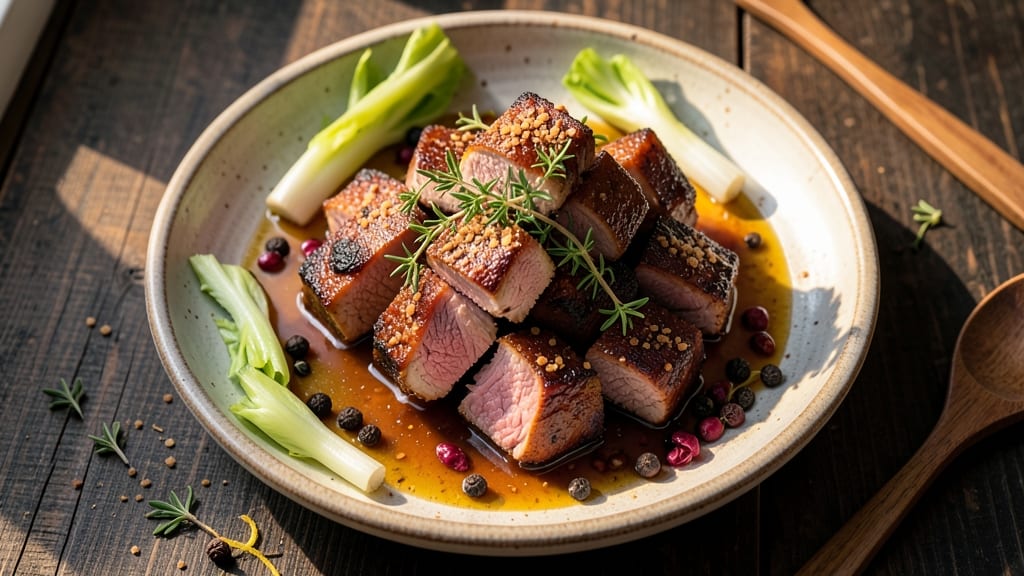
This Caribbean pork souse recipe delivers the bold, tangy-sweet flavors that make it a staple across islands and coastal communities. The secret lies in the vinegar braise, where allspice and thyme infuse the pork with deep, aromatic warmth while celery crowns add that signature crunch.
I first encountered this dish in Jamaica, where it's traditionally served at celebrations—its complex flavors transform simple pork into something truly special.
The process begins with curing the pork in a spiced vinegar brine that tenderizes the meat while building layers of flavor. After simmering for hours, the result is melt-in-your-mouth pork with a rich, slightly tangy sauce that clings to every bite.
The celery crowns, fried until crispy, provide the perfect textural contrast to balance the dish's richness.
What sets this recipe apart is its authenticity—no shortcuts, just the time-honored method that delivers restaurant-quality results at home. The allspice and thyme create warmth, while the vinegar adds brightness, making each bite unforgettable. Serve with fried plantains or steamed rice to complete the meal.
This dish is more than just a recipe; it's a celebration of Caribbean heritage and flavor. The slow cooking process ensures deep, complex taste, while the crispy celery crowns add a satisfying crunch. Perfect for gatherings or special occasions, this pork souse will become a family favorite.
Ingredients for caribbean pork souse
Sixteen ingredients transform simple pork into Caribbean celebration-worthy souse with crispy celery crowns.
| Ingredient | Amount | Notes |
|---|---|---|
| Pork Shoulder 🥩 | 3 lb | Bone-in for flavor, cut into 2-inch cubes |
| White Vinegar 💧 | 1 ½ cups | Distilled white vinegar preferred |
| Brown Sugar 🍯 | ½ cup | Light or dark, packed |
| Allspice Berries 🌶️ | 1 tbsp | Whole berries, lightly crushed |
| Ground Allspice 🌶️ | 1 tsp | For extra depth of flavor |
| Fresh Thyme Leaves 🌿 | ¼ cup | Or 1 tbsp dried thyme |
| Garlic Cloves 🧄 | 6 cloves | Peeled, smashed with side of knife |
| Scotch Bonnet Peppers 🌶️ | 1 whole | Seeds removed for mild heat |
| Bay Leaves 🍃 | 2 whole | Dried, standard supermarket size |
| Celery Stalk 🧅 | 1 whole | For celery crowns, organic preferred |
| Vegetable Oil 🫒 | 2 cups | High smoke point for frying |
| Salt 🧂 | 2 tbsp | Kosher or sea salt, plus more to taste |
| Black Peppercorns 🌶️ | 1 tsp | Freshly cracked for best flavor |
| Water 💧 | 1 cup | For brine balance |
The pork shoulder is the heart of this dish—look for bone-in cuts at your local butcher or Caribbean market for maximum flavor. Jamaican Pork Products or Caribbean Food Stores often carry pre-cut pork shoulder with the right marbling. If using supermarket pork, trim excess fat but leave some for flavor. The allspice berries are non-negotiable; Penzeys or local spice shops carry the best quality. For the celery crowns, grab organic celery—the crispness matters for that satisfying crunch. The Scotch bonnet pepper can be swapped for habanero if you prefer more heat, but keep the seeds out for a milder kick.
No allspice berries? Ground allspice plus a pinch of nutmeg works in a pinch, though the whole berries add that signature depth. Fresh thyme is ideal, but dried works at one-third the amount. The vinegar should be distilled white—apple cider vinegar adds unwanted sweetness. For the celery crowns, if your celery is tough, soak it in ice water for 10 minutes before frying. The brown sugar can be swapped for coconut sugar for a more authentic Caribbean touch. And if you're short on time, the pork can be pressure-cooked for 45 minutes instead of braising, though traditional methods yield better results.
This dish tastes even better the next day as flavors meld. Store the pork and sauce separately in airtight containers in the fridge for up to 5 days. The celery crowns stay crisp for 2 days if kept in a sealed container. For longer storage, freeze the pork and sauce together for up to 3 months. Reheat gently on the stove—never microwave, as it can make the sauce watery. The celery crowns can be reheated in the oven at 350°F for 5 minutes to restore crispness.
Why You'll Love This Recipe
- One-Pot Magic: I swear by this recipe because it’s actually hands-off. The pork shoulder simmers in that tangy vinegar and spice mix—no flipping, no basting—just let it do its thing while you stir in the brown sugar at the end for that perfect caramelized crust. (Yes, even on a Tuesday night.)
- Spice Bomb Alert: That allspice—whole berries and ground—is where this dish gets its soul. The berries crack open during cooking, releasing this deep, earthy warmth, while the brown sugar cuts through the vinegar’s sharpness. It’s the kind of flavor that lingers, the kind my partner always asks for by name.
- Leftovers That Shine: Between us, this recipe begs to be made in bulk. The souse keeps beautifully for days, and it’s just as good cold in sandwiches or reheated with a splash of water. Honestly, I’ve fed it to skeptical coworkers, and they’ve all come back for seconds. (Not the prettiest, but the taste makes up for it.)
- Budget-Friendly Feast: Pork shoulder is cheap, and this recipe stretches it into something ridiculously good. The vinegar and sugar are pantry staples, and a few allspice berries go a long way. I’ll be real: this is how I feed a houseful of guests without breaking the bank—or stressing over last-minute shopping.
Step-by-step instructions for Caribbean pork souse
This method delivers tender, vinegar-braised pork with a complex spice profile and signature celery crown crunch.
Prepare the Pork and Celery Crowns
Cut the 3 lb pork shoulder into 2-inch cubes, leaving some bone fragments for added flavor. Pat each piece dry with paper towels—this ensures better browning later. In a separate bowl, prepare the celery crowns by cutting the 1 whole celery stalk into ½-inch thick rounds, keeping the leaves attached. Set aside.
Here's the thing—proper prep makes all the difference. The bone-in pieces will stay juicier during the long braise, while the celery crowns add both texture and subtle flavor. Don't skip drying the pork; moisture can dilute the vinegar's penetration and affect the final texture.
Build the Spice Mixture
In a small bowl, combine the 1 tbsp allspice berries (lightly crushed), 1 tsp ground allspice, 0.25 cup fresh thyme leaves, 6 cloves garlic (smashed), 1 whole Scotch bonnet pepper (seeds removed), 2 whole bay leaves, 2 tbsp salt, and 1 tsp black peppercorns. Mix thoroughly—this blend forms the aromatic base of your souse.
I like to crush the allspice berries just enough to release their oils without turning them into powder. The Scotch bonnet should be seeded for a milder heat, but keep a small piece of the membrane for authentic flavor. This spice mix carries the Caribbean soul through every bite, so don't skimp on the fresh thyme or garlic.
Parboil the Pork for Tenderization
In a large Dutch oven, combine 1.5 cups white vinegar, 0.5 cup brown sugar, 1 cup water, and the spice mixture. Bring to a boil over medium-high heat, then add the pork cubes. Reduce heat to medium-low and simmer uncovered for 30 minutes, stirring occasionally to prevent sticking. The liquid should reduce slightly but remain saucy.
This parboiling step is critical—it begins breaking down the connective tissue in the pork, ensuring fork-tender results. You'll know it's ready when the pork releases easily from the bottom of the pot and the liquid has reduced by about ¼ cup. Don't rush this step; patience here prevents toughness later.
Deep-Fry the Celery Crowns
While the pork simmers, heat 2 cups vegetable oil in a deep skillet to 350°F. Working in batches, fry the celery crowns for 2-3 minutes until deep golden brown and crisp. Drain on paper towels and set aside—they should be crunchy enough to stand up to the tender pork. Season lightly with salt while hot.
This frying step transforms ordinary celery into the signature crunch of Caribbean souse. The high heat caramelizes the natural sugars, creating a sweet contrast to the tangy pork. Don't overcrowd the pan—maintaining 350°F is crucial for even cooking. If the oil smokes excessively, reduce heat slightly and let it recover before adding more celery.
Braise Until Fork-Tender
Return the parboiled pork to the Dutch oven and increase heat to medium-high. Bring the mixture to a gentle boil, then reduce to low heat, cover, and simmer for 2-2.5 hours. The pork is done when it easily shreds with a fork and the sauce has thickened to a glossy consistency. If the liquid reduces too much, add 1-2 tablespoons water as needed.
The final braise develops the deep, complex flavors that define this dish. The pork should be so tender it falls apart at the touch, while the sauce clings beautifully to each piece. Taste and adjust seasoning—you may need to add more salt or a splash of vinegar to balance the flavors. The celery crowns can be added back in during the last 10 minutes of cooking to warm through.
Pro Tips For Making Caribbean Pork Souse
- Simmer Slow and Steady: The vinegar and sugar in souse need time to marry—don’t rush the cooking. After the initial sear, drop the heat to a bare simmer (180°F/82°C) and let it work for at least 2.5 hours. I used to crank the heat to speed things up, but the meat ended up rubbery and the flavors never balanced right.
- Crush Those Allspice Berries: Whole allspice berries release their flavor better than ground spice when cooked low and slow. Lightly crush them with the flat of your knife before adding to the pot—this lets the oils infuse without turning the broth bitter. (Yes, even if you’re impatient like me.)
- Balance Vinegar with Sugar Early: Add half the brown sugar with the vinegar right at the start, not just at the end. This prevents a harsh, sour finish and lets the caramelization build gradually. I learned this the hard way—my first batch tasted like a science experiment gone wrong.
- Use a Meat Thermometer: Pork shoulder is forgiving, but souse needs precision. Pull it when the internal temp hits 195–200°F (90–93°C)—this ensures tender, pull-apart texture without drying it out. No guessing, no tough bites. (Your future self will thank you.)
Regional styles of these flavors
Jamaican Celebration Style
In Jamaica, pork souse is the star of family gatherings and festivals, often served at Christmas and Independence Day celebrations. The dish is traditionally cooked in a large copper pot called a "kettle," which gives the sauce a distinctive depth of flavor.
I remember my first time eating it at a Jamaican family reunion—everyone gathered around the table, passing around plates of tender pork with crispy celery crowns on top. The secret here is the long, slow braise, which allows the spices to meld perfectly with the vinegar and pork. 🌶️
For an authentic Jamaican touch, serve the souse with fried dumplings or steamed rice and peas. The dumplings soak up the tangy sauce beautifully, while the rice and peas add a satisfying starch.
In Jamaica, they often serve souse with sweet fried plantains on the side to balance the dish's acidity. The combination of textures and flavors makes it a true comfort food.
Cuban Souse Variations
While Jamaican souse is all about the vinegar and allspice, Cuban souse takes a slightly different approach, often including orange juice and citrus zest in the marinade. The Cubans also tend to use a bit more garlic and bay leaves, giving the dish a slightly more herbal profile.
I've made both versions, and while they're similar, the Cuban version has a brighter, more citrus-forward flavor that pairs wonderfully with black beans and rice. 🍊
One key difference is the use of pork belly instead of pork shoulder in some Cuban recipes, which adds a layer of fat that keeps the meat extra juicy.
If you want to try a Cuban-inspired version, swap out half the pork shoulder for pork belly and add ¼ cup orange juice to the braising liquid. The citrus brightens the dish and cuts through the richness of the pork.
Trinidadian Spice Blend
Trinidadian souse often incorporates green seasoning, a blend of fresh herbs like culantro (recao), thyme, and scallions, which gives the dish a unique, slightly earthy flavor. The Trinidadians also love to add hot pepper sauce to the finished dish, allowing everyone to adjust the heat to their liking.
I first tried this version at a Trinidadian street food festival, and the explosion of flavors—spicy, tangy, and herby—was unforgettable. 🌶️
To make a Trinidadian-style souse, add ¼ cup chopped culantro (or fresh cilantro if you can't find it) and 2 tbsp chopped scallions to the spice mixture. After braising, serve the pork with a side of Trinidadian hot pepper sauce (like Madras or Crystal hot sauce) for dipping.
The combination of the herby souse and the fiery sauce is a match made in Caribbean heaven.
Bahamian Vinegar Focus
In the Bahamas, souse is all about the vinegar—it's often made with a higher ratio of vinegar to pork, giving it a more pronounced tang.
Bahamian souse also frequently includes pickled vegetables, like carrots, onions, and cabbage, which are added to the braising liquid for the last hour of cooking. These pickled veggies add a delightful crunch and a burst of flavor that balances the richness of the pork. 🥕
For a Bahamian-inspired version, add 1 cup mixed pickled vegetables (like pickled carrots and onions) to the Dutch oven along with the pork during the final hour of braising.
You can also increase the vinegar to 2 cups for a more tangy profile. Serve with Bahamian fried fish or conch fritters for a true island feast.
Puerto Rican Allspice Forward
Puerto Rican souse is heavily influenced by adobo seasoning, which includes oregano, garlic, and annatto seeds for a vibrant color and earthy depth. The Puerto Ricans also love to add potatoes and sweet potatoes to the dish, which are cooked alongside the pork for a hearty, one-pot meal.
I've made this version for family dinners, and it's always a hit—especially with the kids, who love the slightly sweet potatoes. 🍠
To make a Puerto Rican-style souse, add 1 tbsp dried oregano, ½ tsp annatto seeds (or a pinch of annatto powder), and 2 cups mixed potatoes (peeled and quartered) to the Dutch oven with the pork.
The potatoes will absorb the flavors of the souse, making for a comforting, filling dish. Serve with white rice and tostones for a classic Puerto Rican meal.
Nutrition facts
Frequently asked questions
Why does Caribbean pork souse need to be cured in vinegar?
The vinegar acts as both a tenderizer and preservative, breaking down the pork's connective tissue while adding that signature tangy brightness. The acidity also helps kill bacteria, making the dish safe to eat even when served at room temperature—a key feature for Caribbean outdoor gatherings. The longer the pork sits in the spiced vinegar, the deeper the flavor becomes.
Can I substitute apple cider vinegar for white vinegar?
While it'll work, apple cider vinegar adds sweetness that changes the dish's balance. For authentic results, stick with distilled white vinegar—it delivers that clean, sharp acidity that defines Caribbean souse. If you must use apple cider, reduce the brown sugar to ¼ cup to compensate for the extra sweetness.
How do I make the celery crowns extra crispy?
Keep the oil at a steady 350°F and fry in small batches—overcrowding lowers the temperature and makes them soggy. After frying, immediately transfer to a wire rack instead of paper towels to prevent steam from making them limp. For extra crunch, toss with a pinch of salt while still hot.
What's the best way to reheat leftover souse?
Gently reheat in a saucepan over low heat with a splash of water or vinegar to restore moisture. Never microwave—the sauce will turn watery. For crispy celery crowns, reheat separately in a 350°F oven for 5 minutes until golden again.
Can I make this with chicken instead of pork?
While possible, it won't be authentic Caribbean souse—pork's fat and collagen create the dish's signature texture. If you must try it, use chicken thighs (not breast) and reduce cooking time to 45 minutes after parboiling. The vinegar will still tenderize, but the flavor profile changes dramatically.