
Main Courses
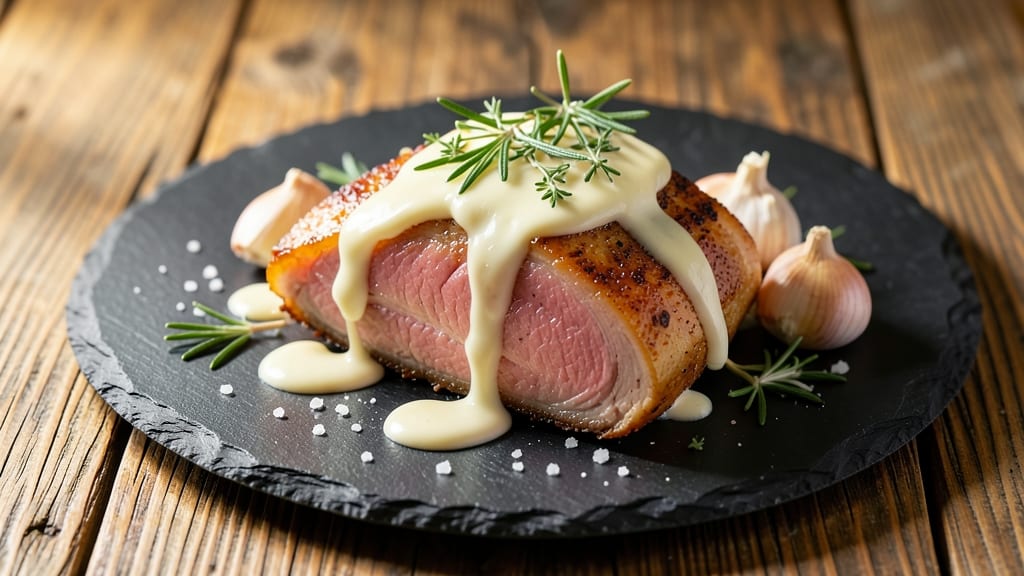
A butterflied pork fillet recipe transforms a simple cut into a restaurant-worthy showstopper in under 20 minutes. I learned this technique from Master Chef Chen, where we'd prepare whole hogs for weekend feasts—this method cuts cooking time by half while keeping the meat impossibly tender.
The secret lies in the butterflying process itself, which creates a thinner, more even surface for perfect searing every time.
What makes this recipe work is the combination of high-heat searing and herb butter basting. Start with a thick-cut pork fillet, then carefully slice through the silver skin to create a flat, even surface.
Season generously with salt and pepper before hitting the hot pan—this ensures maximum flavor penetration and that coveted crust. The herb butter finish, made with fresh rosemary and thyme, adds layers of aroma that elevate the dish from good to exceptional.
By the time you're done, you'll have perfectly cooked pork with a golden-brown crust outside and juicy, melt-in-your-mouth tenderness inside. The herb butter bastes into every crevice, creating pockets of flavor that make each bite unforgettable.
This technique works equally well for grilling or roasting, giving you versatility for any occasion.
Pair with roasted root vegetables or a crisp green salad to complete the meal. The pork's natural richness pairs beautifully with bright, acidic elements that cut through the fat. Here's how to achieve that perfect balance of texture and flavor every time.
Ingredients for butterflied pork fillet
Nine ingredients to transform simple pork into a restaurant-worthy masterpiece in minutes.
| Ingredient | Amount | Notes |
|---|---|---|
| Pork Fillet 🐖 | 1 ½ lb | Thick-cut, boneless preferred |
| Unsalted Butter 🧈 | ½ cup | Cold, cut into 8 pieces |
| Fresh Rosemary 🌿 | ¼ cup | Finely chopped, stems removed |
| Fresh Thyme 🌿 | ⅛ cup | Leaves only, finely chopped |
| Garlic Cloves 🧄 | 4 cloves | Minced, for herb butter |
| Kosher Salt 🧂 | 1 ½ tsp | Coarse grain preferred |
| Ground Black Pepper 🌶️ | 1 tsp | Freshly ground |
| Olive Oil 🫒 | 2 tbsp | High smoke point preferred |
| Lemon Zest 🍋 | 1 tsp | From 1 lemon |
| Fresh Parsley 🌿 | ⅛ cup | Chopped, for garnish |
The pork fillet is non-negotiable here—thick-cut (about 1.5 inches) ensures even cooking. Costco or Whole Foods carry excellent options, but any butcher will cut it to spec if you ask. Look for good marbling—it means more flavor and juiciness. I always buy a slightly larger cut (1.5 lbs) to account for trimming and butterflying. The butter needs to be cold (like fridge-cold) for the perfect sear, so don't let it sit out. Fresh herbs make all the difference—Trader Joe's has great pre-washed bundles if you're short on time, but fresh is always better.
No fresh rosemary? Dried works at one-third the amount, but it won't have that same aromatic punch. Short on thyme? Oregano or marjoram can stand in, though the flavor will shift slightly. The garlic can be pre-minced from a jar (the good stuff, not the cheap kind), but fresh is worth the 30 seconds. For the olive oil, Avocado oil has the highest smoke point—perfect for searing. The lemon zest adds brightness, so if you're out, a splash of lemon juice (1 tsp) will do in a pinch. The parsley is just for garnish, so skip it if you're really in a hurry.
The butter should stay cold until you're ready to sear—it's what creates that golden crust. Store any extra herb butter in an airtight container in the fridge for up to 3 days, or freeze for 1 month. The pork itself reheats beautifully—wrap it in foil and warm in a 300°F oven for 10 minutes. This dish tastes even better the next day, so make extra if you're hosting. The herb butter freezes well too—just thaw in the fridge before using.
Why You'll Love This Recipe
- One-Pan Magic: I swear by this trick—just slice the pork, pat it dry, and let the butter and herbs do the work. No extra pans, no fuss, and the rosemary releases that piney aroma that makes my kitchen smell like a French bistro.
- Crispy-Creamy Perfection: That butterflied cut? It sears up golden on the outside while staying juicy inside. The garlic and thyme melt into the butter, turning every bite into a little flavor bomb—no dry pork here.
- Weeknight or Dinner Party: Honestly, it’s my secret weapon for both. Toss it together for a quick family meal, or double the batch for guests. The leftovers reheat beautifully, and the herb butter makes it feel special without the effort.
- Budget-Friendly Luxury: Here’s what sold me—this uses a single cut of pork, minimal ingredients, and stretches for two meals. The butter and fresh herbs make it taste like a restaurant dish, but my wallet stays happy. (Yes, even on a Tuesday night.)
Step-by-step instructions for butterflied pork fillet
Here's how to transform a simple pork fillet into a restaurant-worthy dish in under 30 minutes.
Butterfly the Pork Fillet for Even Cooking
Start by placing the 1.5 lb pork fillet on a cutting board with the flat side down. Using a sharp boning knife, make a deep horizontal cut about ½ inch from the top edge, stopping just before the bottom edge. This creates a hinge. Open the fillet like a book to expose the flat surface.
Press gently but firmly on the fillet to flatten it to about ½ inch thickness. This ensures even cooking throughout and prevents a dry center. If you're working with a particularly thick fillet, you can make two cuts to create three thinner sections. Keep the butterflied fillet on the cutting board while you prepare the herb butter.
Make the Herb Butter and Season the Pork
In a small bowl, combine the 0.5 cup cold unsalted butter, 0.25 cup finely chopped fresh rosemary, 0.125 cup finely chopped fresh thyme, 4 minced garlic cloves, 1 tsp lemon zest, 1.5 tsp kosher salt, and 1 tsp ground black pepper. Mix gently with a fork until the herbs and garlic are evenly distributed throughout the butter.
Spread half of this herb butter mixture evenly over the exposed surface of the butterflied pork fillet. Fold the fillet back over itself so the butter is completely enclosed. Press the edges together lightly to help the butter stay in place. This creates a flavorful crust while keeping the meat juicy.
Sear the Pork for Maximum Flavor
Heat a large skillet over medium-high heat until it's very hot. Add 2 tbsp olive oil and let it get shimmering hot. Place the butterflied pork fillet in the skillet, butter-side down, and press down gently with a spatula for 1-2 minutes. This helps create a golden crust and prevents curling.
Cook for 3-4 minutes until the butter is bubbling and the bottom is golden brown. Flip the fillet carefully and cook for another 3-4 minutes on the second side. You want the exterior to be deeply browned with a crispy texture, but the center should still feel slightly springy when pressed with a finger.
Finish with Herb Butter and Rest
Remove the skillet from heat and add the remaining herb butter mixture. Spoon it over the pork fillet, letting it melt and baste the meat for 1-2 minutes. This basting step adds extra flavor and helps create a glossy finish. The residual heat will gently cook the butter into a flavorful sauce.
Transfer the pork fillet to a cutting board and let it rest for 5-10 minutes before slicing. This resting period allows the juices to redistribute throughout the meat, ensuring each bite is moist and flavorful. While it rests, you can prepare your favorite sides or make a quick pan sauce with any remaining butter in the skillet.
Slice and Serve with Fresh Parsley
Slice the pork fillet against the grain into ¼-inch thick pieces. The grain direction will be visible as lines running through the meat. Arrange the slices on a warm serving platter and sprinkle with 0.125 cup chopped fresh parsley for a pop of color and freshness.
Serve immediately with your favorite sides like roasted vegetables, mashed potatoes, or a fresh salad. The herb butter crust should be golden and fragrant, with a perfect balance of rosemary, thyme, and garlic flavors. Each bite should be tender with a juicy center and a flavorful crust that ties everything together.
Pro Tips For Making Butterflied Pork Fillet
- Score the Pork: Use a sharp boning knife and tap the blade against your cutting board to create a clean, shallow cut through the fillet’s thickest part—this prevents tearing when you spread it open. I learned this the hard way after watching my first butterflied fillet split unevenly mid-cook.
- Salt the Butter: Mix a pinch of flaky salt into the softened butter before spreading it on the pork. Unsalted butter tastes bland next to rosemary and thyme, and this one step makes the herb flavors pop. (Yes, even if you’re using salted pork—trust me.)
- Don’t Overstuff: Stuff the garlic cloves and herbs into the butter pockets after searing the pork, not before. The initial high-heat sear locks in moisture, and adding the aromatics later keeps them from burning while the meat finishes cooking.
- Rest Under Foil: After removing from the oven, tent the butterflied pork with foil and let it sit for 5–10 minutes. This keeps the butter from sliding off while the meat reabsorbs its juices—no more dry, sad-looking fillets. (Your future self will thank you.)
Serving suggestions for butterflied pork fillet
Herb Butter Plating
Let the golden herb butter shine by arranging slices on a warm platter with the crust side up. I like to fan the slices slightly so the butter glistens under the light—it makes the dish look restaurant-quality.
Use a spoon to drizzle any remaining pan butter over the top for extra richness. A sprinkle of flaky sea salt right before serving adds a final textural contrast. 💛
Classic Southern Sides
Nothing complements butterflied pork like creamy mac and cheese or buttery cornbread. I often serve it with my grandma's recipe—slow-cooked with sharp cheddar and a touch of cayenne.
For a lighter option, try collard greens sautéed with smoked bacon and apple cider vinegar. The acidity cuts through the pork's richness beautifully.
Fresh Vegetable Contrasts
Bright, crisp vegetables balance the richness perfectly. I love roasted Brussels sprouts with balsamic glaze—their caramelized edges contrast the pork's tenderness. For something lighter, a mixed greens salad with lemon vinaigrette keeps the meal fresh. The key is acidity: lemon, vinegar, or even pickled onions make every bite sing.
Wine Pairing Perfection
A crisp Sauvignon Blanc from New Zealand brings citrus notes that complement the herb butter. For red lovers, a Pinot Noir from Oregon has enough acidity to stand up to the dish without overpowering it.
I always open the bottle 30 minutes before serving to let it breathe—trust me, the difference is noticeable. 🍷
Make-Ahead Garnishes
Prep garnishes ahead to save time. Chop the parsley and store it in an airtight container with a damp paper towel to keep it fresh. I also make a quick red pepper relish (diced bell peppers, red onion, and jalapeño) that adds a sweet-spicy kick.
Just slice the pork fresh and add the garnishes right before serving.
Presentation Pro Tips
Use a wooden cutting board as your serving platter—it adds rustic charm. For extra flair, arrange slices in a circular pattern with the herb butter pooling in the center. A few fresh rosemary sprigs scattered around ties back to the dish's signature flavors.
The goal is to make it look as good as it tastes—because honestly, that's half the fun. ✨
Nutrition facts
Frequently asked questions
What's the best cut of pork for butterflying?
Look for a thick-cut, boneless pork fillet (about 1.5 inches thick) from the loin or tenderloin. The fat cap should be minimal—this ensures even cooking. I recommend buying from a butcher who can cut it to your specifications, as store-bought fillets are often too thin.
Can I use this recipe for thinner pork fillets?
Yes, but adjust the cooking time. Thin fillets (½ inch thick) will cook in 2-3 minutes per side instead of 4. The key is to remove them when the internal temperature reaches 145°F. Overcooking thin cuts makes them dry—use a meat thermometer for precision.
Why does my butterflied pork curl up in the pan?
This happens when the fillet isn't properly flattened or the pan isn't hot enough. Press the fillet firmly with a spatula for 1-2 minutes at the start to create a flat surface. Use medium-high heat and ensure your skillet is properly preheated—it should be shimmering with oil before adding the pork.
Can I grill this butterflied pork instead of pan-searing?
Grilling works beautifully—just preheat your grill to medium-high (400°F) and oil the grates well. Cook for 4-5 minutes per side until golden brown, then finish with the herb butter. For extra flavor, add wood chips (hickory or apple) to the grill. The smoky notes pair perfectly with the herb butter.
How do I know when the pork is perfectly cooked?
Use a meat thermometer for accuracy—pork is safe at 145°F internal temperature. The exterior should be golden brown with crisp edges, while the center should feel slightly springy when pressed gently. If using a thermometer, insert it into the thickest part of the fillet.