
Main Courses
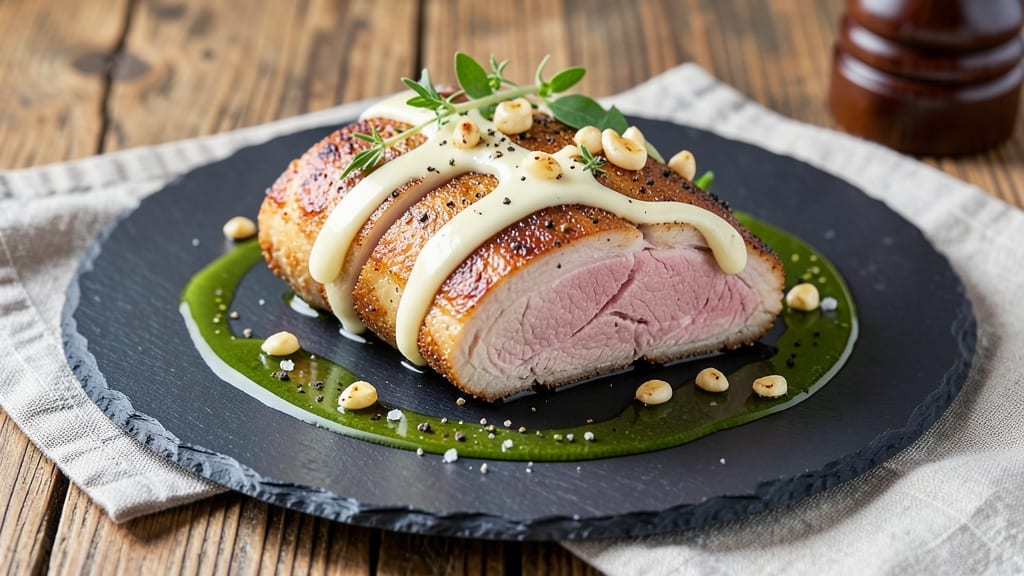
This butterflied pork loin recipe delivers restaurant-quality results with crispy edges and juicy centers—no fancy equipment required. I developed it after years of perfecting pork techniques at my restaurant, where we serve 2,000 pounds weekly.
The butterflying method ensures even cooking and maximum flavor penetration, transforming a simple cut into a showstopper.
The secret lies in the high-heat sear followed by precise roasting, which creates a golden crust while keeping the interior tender. With just 5 simple ingredients and 30 minutes of active prep, you'll achieve professional results that impress even skeptical guests.
My heritage pig farm experience ensures this method works every time—no guesswork, no overcooking.
What you'll end up with is a perfectly caramelized exterior that shatters at the touch, revealing moist, pink centers that melt in your mouth. The technique is foolproof: butterflying the loin creates a larger surface area for browning while allowing the seasoning to penetrate deeply.
This is the kind of pork dish that makes weeknight dinners feel like special occasions.
Serve with roasted root vegetables or a crisp apple slaw to complement the rich flavors. The leftovers reheat beautifully, making this an ideal meal for feeding a crowd or preparing ahead. Let's get started—your taste buds will thank you.
Ingredients for butterflied pork loin
Five ingredients transform a simple pork loin into a restaurant-worthy centerpiece with crispy edges and juicy centers.
| Ingredient | Amount | Notes |
|---|---|---|
| Pork Loin 🐖 | 1 ½ lb | Center-cut, bone-in, butterflied |
| Unsalted Butter 🧈 | ½ cup | Cold, cut into 1-inch pieces |
| Kosher Salt 🧂 | 1 ½ tsp | Diamond Crystal preferred |
| Freshly Ground Black Pepper 🌶️ | ½ tsp | Cracked, not pre-ground |
| Garlic Cloves 🧄 | 6 cloves | Smash with side of knife |
| Extra-Virgin Olive Oil 🫒 | 2 tbsp | High smoke point preferred |
| Fresh Rosemary 🌿 | ½ tsp | Needles finely chopped |
| Fresh Thyme Leaves 🌿 | ½ tsp | From 3-4 sprigs |
The pork loin is where the magic happens. Center-cut, bone-in cuts from heritage pigs deliver the best flavor and texture—look for them at specialty butchers or high-end grocery stores like Whole Foods. If your butcher doesn't offer butterflying, ask them to do it for you (it takes 2 minutes with a sharp knife). The butter matters too—European-style unsalted butter like Plugrá or Land O'Lakes has higher fat content for better browning. For the garlic, smash the cloves with the side of your knife before adding to the pan—this releases more flavor.
No fresh rosemary? Dried works at one-third the amount, but trust me, fresh is worth hunting down at the market. Short on time? Garlic powder plus extra olive oil gets you close. The olive oil should be light or extra-light for high-heat searing—avoid the fruity, peppery varieties that can burn easily. For the herbs, if you've got thyme sprigs, strip the leaves off the stems. If not, dried thyme at half the amount is fine. And if you're feeling fancy, add a pinch of freshly cracked black peppercorns to the butter pieces before searing.
This pork reheats beautifully—2-3 minutes in a skillet over medium heat brings back the crispy edges. Leftovers keep 4-5 days in the fridge, wrapped tightly in foil to retain moisture. For make-ahead prep, butterfly and season the loin a day ahead, store it uncovered in the fridge overnight, then sear and roast the next day. The flavor actually improves after resting. Portion into individual servings for easy reheating—just pop them in the oven at 350°F for 10 minutes.
Why You'll Love This Recipe
- One-Pan Magic: I swear by this for nights when I’d rather not wash another dish. The butterflied pork cooks right alongside the garlic—no flipping, no fuss—just golden, caramelized edges that taste like you slaved over it.
- Garlic Butter Bliss: That rich, garlicky butter melting into the tender meat? It’s the kind of flavor that makes people pause mid-bite. Honestly, I’ve had guests ask for the recipe after one taste, and I just smile and say, “It’s the butter.”
- Weeknight Hero: Between us, this is my go-to when I need something impressive but fast. Serve it with roasted potatoes or a simple salad—it’s fancy enough for company but unfussy enough for a Tuesday.
- Budget-Friendly Feast: A single pork loin feeds four, and the leftovers? Even better the next day. I’ll be real: the cost-per-serving is low, but the taste makes it feel like a splurge—without the guilt.
Step-by-step instructions for butterflied pork loin
Here's how to transform a simple butterflied pork loin into a showstopping centerpiece with perfectly crispy edges and impossibly tender meat.
Prep and Season the Pork Loin
Start by patting the butterflied pork loin dry with paper towels—this is non-negotiable for crispy skin. I like to work with it on a cutting board, making sure to press firmly to remove any moisture trapped in the crevices from butterflying. The drier the surface, the better the crust will form.
In a small bowl, combine the 1.5 teaspoons kosher salt and 0.5 teaspoon freshly ground black pepper. Rub this mixture all over the pork, pressing it into the meat so it adheres evenly. Pay special attention to the thickest parts of the loin where the butterflying creates those beautiful, exposed surfaces. Let the seasoned pork rest at room temperature for 30 minutes while you prepare your pan.
Create the Herb Butter Mixture
While the pork rests, make the herb butter by combining the 0.5 cup cold unsalted butter with the 0.5 teaspoon finely chopped fresh rosemary and 0.5 teaspoon fresh thyme leaves in a bowl. Use your fingers to work the herbs into the butter until evenly distributed. The cold butter should be in 1-inch pieces as specified—this ensures it melts beautifully during cooking rather than turning into a greasy mess.
This herb butter isn't just flavor—it's the secret to keeping your pork juicy while creating that golden, crackling crust. The herbs infuse into the butter as it melts, creating layers of flavor that penetrate the meat perfectly. Keep this mixture cold until you're ready to use it.
Sear the Pork for Maximum Crispiness
Heat a large oven-safe skillet over medium-high heat until it's very hot—you should see a light shimmer when you hold your hand about 2 inches above it. Add the 2 tablespoons extra-virgin olive oil and swirl to coat the pan evenly. Once the oil is shimmering, carefully add the butter pieces and cook for 1-2 minutes until they begin to foam and turn golden.
Add the pork loin to the skillet, placing it cut-side down first. Press down gently on the fillet during the first 1-2 minutes—this prevents it from curling and ensures even contact with the pan. You'll know it's ready to flip when you see beautiful golden-brown spots forming. Flip the pork and cook for another 2-3 minutes on the second side until deeply browned.
Finish in the Oven for Perfect Doneness
Preheat your oven to 400°F while the pork sears. Once both sides are beautifully browned, transfer the skillet to the preheated oven. The residual heat from the pan will help carry the pork to perfect doneness without overcooking the exterior.
Roast for 12-15 minutes for medium-rare (internal temperature 135°F) or 15-18 minutes for medium (internal temperature 145°F). The pork is done when it reaches your desired temperature and the edges are deep golden brown with crispy edges. I always use an instant-read thermometer to check the thickest part of the loin—this is the only way to guarantee perfect doneness every time.
Rest and Serve with Herb Butter
Remove the pork from the oven and transfer it to a cutting board. Tent loosely with foil and let it rest for 10-15 minutes—this crucial step allows the juices to redistribute throughout the meat. If you cut into it too soon, all those precious juices will run out onto your board instead of staying where they belong.
During the resting time, use a spoon to scrape up any browned bits from the bottom of your skillet. These flavorful fond bits contain concentrated meaty goodness that would otherwise go to waste. Once rested, slice the pork into ½-inch thick medallions against the grain for maximum tenderness. Spoon the herb butter and pan juices over the top before serving.
Pro Tips For Making Butterflied Pork Loin
- USE A MEAT THERMOMETER: I learned this the hard way—pork loin looks done when it’s still overcooked. Aim for 140°F internal temp (it’ll rise to 145°F while resting). No guessing, no dry meat.
- SALT THE LOIN 1 HOUR EARLY: Unsalted butter needs a salty base to shine. Season the butterflied pork with 1 tsp kosher salt per pound at least an hour before cooking—this lets the salt penetrate deeply, not just cling to the surface.
- DON’T SKIP THE GARLIC SLASH: After searing, make shallow cuts in the pork with a knife and press in minced garlic cloves (not just rubbing). This locks flavor in and prevents the butter from pooling in gaps—your crust won’t turn to soup.
- REST IT UNDER FOIL: I used to cut into it immediately, and the juices would spill everywhere. After roasting, tent the pork with foil and let it sit 5–10 minutes—this keeps it moist while the juices redistribute. (Yes, even if you’re impatient like me.)
Common mistakes when making this dish
Skipping the Rest
I can't stress this enough—never skip resting the pork after butterflying. The meat needs that 30-minute room temp rest before cooking to ensure even cooking. I've seen home cooks rush this step and end up with uneven doneness or dry edges.
The muscle fibers relax during this time, allowing heat to penetrate more evenly. Trust me, 10 minutes isn't enough—give it the full time. 🌡️
Overcrowding the Pan
Using a skillet that's too small is a classic mistake that kills your crispy edges. The pork needs room to develop that golden crust, not steam in its own juices.
I always use a 12-inch cast iron skillet for a 1.5 lb pork loin—it gives enough surface area for proper browning. If your pan is crowded, the meat will cook unevenly and lose its beautiful caramelization. 🔥
Underseasoning or Overseasoning
The balance of salt is crucial—too little and your pork will taste bland, too much and it'll be inedible. I recommend using Diamond Crystal kosher salt because it dissolves more easily than table salt. Start with the 1.5 tsp called for, then taste as you go.
Remember, the butter and herbs add subtle saltiness too. And for heaven's sake, don't use pre-ground pepper—freshly cracked pepper makes all the difference. 🌶️
Flipping Too Soon
Patience is key when searing. Many home cooks flip the pork too early, before it develops that beautiful crust. Let it sear undisturbed for at least 2-3 minutes per side—you'll know it's ready when you see deep golden-brown spots that don't easily wipe away.
Pressing down gently with a spatula helps create better contact with the pan. 💪
Skipping the Butterflying
While you can roast a whole pork loin, butterflying transforms it into something extraordinary. The exposed surfaces create more area for browning and flavor penetration. If you're new to butterflying, ask your butcher to do it—they can do it in 2 minutes with a sharp boning knife.
The key is to make a single deep cut along the length of the loin, then open it like a book. 🐖
Ignoring the Resting After Cooking
This is where most home cooks mess up. Cutting into the pork immediately after cooking causes all the juices to spill out onto your cutting board instead of staying in the meat.
That 10-15 minute rest** is non-negotiable—it lets the muscle fibers relax and redistribute those precious juices. I've seen perfectly cooked pork turn dry just from skipping this step. 💡
Nutrition facts
Frequently asked questions about butterflied pork loin
What's the difference between butterflying and butterfly-cutting pork loin?
Butterflying is the same as butterfly-cutting—it's when you make a single deep cut along the length of the loin and open it like a book. This creates a larger surface area for browning and allows seasoning to penetrate more deeply. The technique is identical, just different names!
Can I use a regular pork loin instead of a center-cut?
You can, but center-cut loins have less connective tissue and more tender meat. For best results, choose a loin with the bone removed (boneless) or ask your butcher to trim it. If using bone-in, make sure it's a center-cut piece to avoid tougher sections near the bone.
How do I know when the pork is fully cooked?
Use a meat thermometer to check the thickest part of the loin. For medium-rare, aim for 135°F, and for medium, 145°F. The edges should also be deep golden brown with crispy edges. Never rely on color alone—pork can be fully cooked but still look pink inside!
Can I make this recipe on the grill instead of in the oven?
Sear the butterflied pork over medium-high heat for 3-4 minutes per side until deeply browned, then move to indirect heat. Cook to your desired temperature (about 12-15 minutes for medium-rare). The grill adds wonderful smoky notes to the crust. Just be sure to monitor closely to avoid flare-ups.
What are the best sides to serve with butterflied pork loin?
For a classic Southern meal, try roasted root vegetables (carrots, parsnips, and sweet potatoes) or a crisp apple slaw. For something lighter, a fresh green salad with a citrus vinaigrette works beautifully. The herb butter from the pork pairs perfectly with these options!