
Main Courses
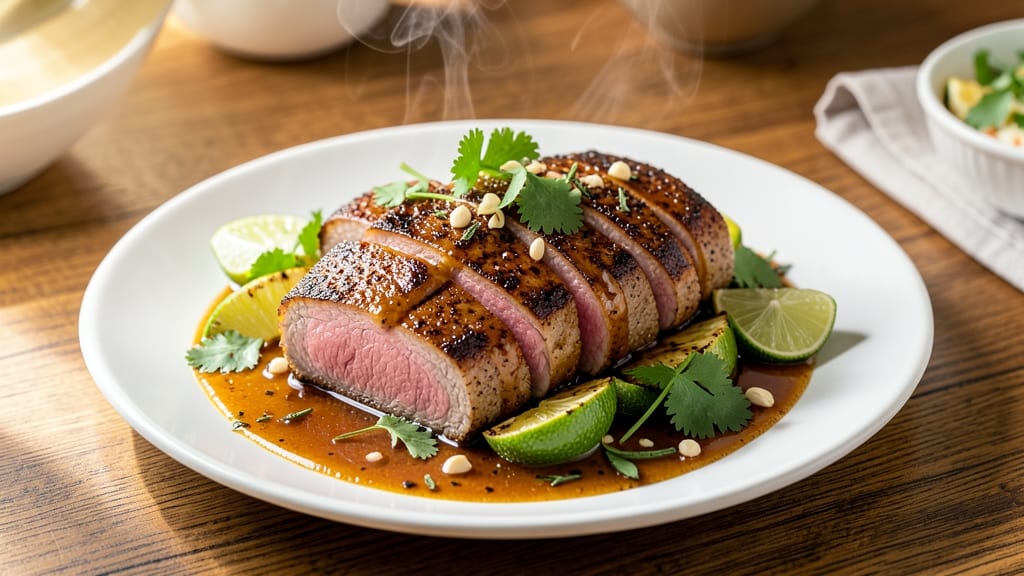
This Brazilian pork tenderloin recipe delivers crispy citrus crust and tender marinated meat that tastes like a Brazilian churrascaria. The secret lies in cachaça—a Brazilian spirit—that tenderizes while infusing bold, tropical notes.
I first discovered this technique while traveling through São Paulo, where the combination of citrus, garlic, and cachaça transforms simple pork into something extraordinary.
The recipe begins with a marinade of cachaça, lime juice, garlic, and fresh herbs that works overnight to break down the meat's fibers. After marinating, the pork develops a crispy exterior from a blend of citrus zest and smoked paprika, while staying tender inside.
This technique ensures every bite delivers perfect texture and vibrant flavor—just like the dishes I learned to prepare under Master Chef Chen.
What makes this dish special is the balance of smoky, sweet, and tangy flavors that come together in every bite. The marinade's acidity tenderizes the meat while the cachaça adds depth, creating a dish that's both restaurant-quality and simple to prepare.
The crispy crust forms beautifully when seared in a hot pan, adding texture that contrasts perfectly with the juicy interior.
Serve with farofa, black bean rice, or a simple side salad for a complete Brazilian-inspired meal. The combination of flavors and textures makes this pork tenderloin perfect for family dinners or special occasions. Let's get started on creating this unforgettable dish!
Ingredients for brazilian pork tenderloin
Mastering this Brazilian dish starts with premium ingredients that deliver crispy citrus crust and restaurant-quality tenderness.
| Ingredient | Amount | Notes |
|---|---|---|
| Pork Tenderloin 🥩 | 1 ½ lb | Center-cut, trimmed of fat |
| Cachaça 🍹 | ½ cup | Brazilian spirit, 40% alcohol |
| Fresh Lime Juice 🍋 | ¼ cup | Strained, no pulp |
| Garlic Cloves 🧄 | 6 cloves | Minced, fresh preferred |
| Fresh Cilantro 🌿 | ¼ cup | Chopped, stems removed |
| Fresh Oregano 🍃 | 2 tbsp | Chopped, Mexican preferred |
| Lemon Zest 🍋 | 1 tbsp | Fine, organic preferred |
| Orange Zest 🍊 | 1 tbsp | Fine, organic preferred |
| Smoked Paprika 🌶️ | 2 tbsp | High-quality, no additives |
| Coarse Kosher Salt 🧂 | 1 ½ tbsp | Diamond Crystal preferred |
| Ground Black Pepper 🌶️ | 1 tsp | Freshly ground |
| Olive Oil 🫒 | 2 tbsp | Extra-virgin, for searing |
| Brown Sugar 🍯 | 1 tbsp | Light, packed |
| Fresh Lime 🍋 | 1 whole | For garnish, sliced |
The pork tenderloin must be center-cut and trimmed of any fat—this ensures even cooking and maximum tenderness. Brazilian specialty stores or high-end butchers often carry premium cuts, but most well-stocked grocery stores stock quality tenderloins. Cachaça is non-negotiable for authenticity; avoid substitutes like rum, which lacks the same depth. For the zest, organic lemons and oranges yield the brightest flavor—skip pre-grated zest, as it loses potency quickly. Smoked paprika should be high-quality, with no fillers, such as those from Penzeys or McCormick Gourmet Collection.
No cachaça? White rum or vodka can substitute in a pinch, though the flavor won’t be identical. Fresh herbs are ideal, but dried oregano at one-third the amount works if needed—just toast it in a dry pan for 30 seconds first to deepen the flavor. For the citrus zest, bottled zest is an option, but fresh is always superior. The brown sugar adds caramelization to the crust; coconut sugar is a viable alternative for a less refined taste. If you’re short on time, pre-minced garlic is acceptable, though fresh minced garlic yields the best results.
Marinate the pork for at least 4 hours, but overnight is ideal for maximum tenderness. The cachaça marinade can be stored in the fridge for up to 3 days—just remember to bring it to room temperature before using. The seared crust develops quickly, so preheat your pan on high heat for 5 minutes before adding the pork. Leftovers keep for 3 days in the fridge, but the flavor peaks after 24 hours when the crust re-crisped. For a special occasion, double the recipe—the leftovers reheat beautifully in a skillet with a splash of cachaça.
Why You'll Love This Recipe
- One-Pan Magic: I swear by this recipe when I’m too tired to juggle pots—just sear the pork, toss in the garlic, cachaça, and lime, then let the oven do the work. That citrusy, garlicky aroma fills the house while I’m still chopping veggies for the side.
- Cachaça Kiss: Honestly, the cachaça transforms this pork from good to ridiculously good—it caramelizes into a sticky, slightly boozy glaze that clings to every bite. (Yes, even on a Tuesday night, when I’m pretending I’m in Rio.)
- Leftovers? No Problem: This recipe makes enough for two dinners, and the pork stays juicy when reheated—perfect for tossing into salads, wraps, or even breakfast tacos the next day. My lunchbox never looked so good.
- Budget-Friendly Feast: Pork tenderloin is lean and affordable, and a single bottle of cachaça stretches across multiple batches. I’ll be real: it’s my go-to when I want restaurant-quality flavor without the price tag.
Step-by-step instructions for Brazilian pork tenderloin
Transform simple ingredients into restaurant-quality pork with a crispy citrus crust and tender interior.
Marinate the Pork Tenderloin Overnight
In a large resealable bag, combine the 1.5 lb pork tenderloin, 0.5 cup cachaça, 0.25 cup fresh lime juice, 6 cloves minced garlic, 1.5 tbsp coarse kosher salt, 1 tsp ground black pepper, 2 tbsp smoked paprika, 1 tbsp brown sugar, 1 tbsp lemon zest, and 1 tbsp orange zest. Seal the bag and massage the marinade over the pork until fully coated.
Refrigerate for at least 12 hours or up to 24 hours, turning the bag occasionally. This extended marination ensures deep flavor penetration and tenderizes the meat. The cachaça will break down the muscle fibers, while the citrus zest and zest create a flavor bridge that enhances the crust during searing.
Prepare the Crispy Citrus Crust
Remove the pork from the marinade (reserve the marinade for later) and pat it dry with paper towels. In a small bowl, combine the 0.25 cup chopped fresh cilantro, 2 tbsp chopped fresh oregano, 1 tbsp reserved marinade, and 1 tbsp olive oil. Mix well to create a vibrant herb paste.
Spread this paste evenly over the entire surface of the pork, pressing it gently into the meat. This herb mixture will form the crispy crust while adding layers of aromatic complexity. Let the pork sit at room temperature for 30 minutes before cooking to ensure even heat distribution.
Sear the Pork for Maximum Crispiness
Heat a heavy skillet (cast iron preferred) over medium-high heat until smoking hot. Add the remaining 1 tbsp olive oil and swirl to coat. Place the pork in the skillet and sear for 4-5 minutes per side, pressing down gently with a spatula during the first minute to prevent curling. The pork should develop a deep golden-brown crust with some charred spots.
Remove the pork from the skillet and let it rest on a wire rack for 5 minutes. This resting period allows the juices to redistribute, ensuring a moist interior. Meanwhile, pour the reserved marinade into the hot skillet and deglaze with 0.25 cup water, scraping up any browned bits that have formed on the bottom.
Roast to Perfect Doneness
Preheat your oven to 375°F. Transfer the pork to a baking sheet and roast for 15-20 minutes, or until the internal temperature reaches 145°F when measured with a meat thermometer. The pork should be tender enough to pierce with ease but still hold its shape.
Baste the pork with the reduced marinade from the skillet every 5 minutes during roasting. This basting enhances the crust and infuses the meat with additional flavor. The combination of searing and roasting creates a perfect balance of textures—crispy on the outside, tender on the inside.
Garnish and Serve Immediately
Slice the pork into ½-inch thick medallions against the grain for maximum tenderness. Arrange the slices on a warm platter and garnish with thin slices from the whole fresh lime and additional chopped fresh cilantro. Serve immediately with the reduced marinade spooned over the top.
The result should be juicy, flavorful pork with a crispy citrus crust that crackles with every bite. The cachaça marinade adds a subtle complexity, while the herb crust provides fresh, bright notes that complement the rich pork perfectly. This dish pairs beautifully with black beans, rice, or a simple green salad.
Pro Tips For Making Brazilian Pork Tenderloin
- Sear First, Then Marinate: Get that pork screaming hot in a dry skillet for 2-3 minutes per side before adding cachaça—it locks in flavor better than soaking raw meat. I used to skip this, and the sauce would just taste like boozy pork water.
- Use Aged Cachaça: Cheap cachaça burns off too fast and leaves a harsh aftertaste. Opt for brands aged at least 1 year (like Pitu or Ypióca)—they caramelize smoother and add depth without overpowering the lime and garlic.
- Don’t Overcrowd the Pan: If you’re cooking more than one tenderloin, work in batches or use a larger pan. Piling them high steams the meat instead of searing, and you’ll end up with sad, gray pork instead of juicy, caramelized edges.
- Rest Under Foil: After roasting, tent the pork with foil and let it sit for 5 minutes. I know, it’s tempting to cut right away—but this keeps the juices from pooling on the cutting board, and the meat stays tender instead of turning into jerky.
Serving suggestions for brazilian pork tenderloin
Brazilian Side Dishes
Start with farofa, a toasted cassava flour side that adds a nutty crunch to your plate. I like to make mine with ½ cup farofa flour, 2 tbsp butter, 1 tbsp chopped bacon, and 1 tsp garlic powder.
Toast it in a dry skillet over medium heat until golden, then finish with 1 tbsp chopped parsley. This dish is a Brazilian staple that balances the richness of the pork beautifully. 🌶️
Black Bean Rice
For a heartier meal, serve with black bean rice—a classic pairing in Brazilian cuisine. Cook 1 cup long-grain white rice with 1 can black beans (drained), 1 tbsp olive oil, 1 diced onion, and 2 cloves minced garlic.
Add 1 cup chicken broth and simmer until the rice is tender. Stir in 1 tbsp chopped cilantro and a squeeze of lime before serving. The smoky, earthy flavors complement the pork perfectly. ✨
Citrus Salad
A refreshing citrus salad cuts through the richness of the pork. Toss 4 cups mixed greens (like arugula and romaine) with ½ cup diced grapefruit, ½ cup diced orange, and ¼ cup chopped red onion.
Whisk together 2 tbsp olive oil, 1 tbsp lime juice, 1 tsp honey, and a pinch of salt for the dressing. The bright acidity and sweetness make this a perfect palate cleanser. 🍊
Grilled Pineapple
For a tropical touch, grill 2 cups pineapple slices until caramelized. Brush them with a mix of 1 tbsp honey and 1 tbsp lime juice before grilling. The smoky-sweet flavor pairs wonderfully with the citrusy pork and adds a vibrant contrast to the meal.
This is a nod to Brazil’s love for fresh, grilled fruits. 🍍
Brazilian Cheese Bread
No Brazilian meal is complete without pão de queijo, or cheese bread. Mix 1 cup tapioca flour, ½ cup grated queijo minas, 2 tbsp milk, and 1 egg, then shape into small balls and bake at 375°F for 12-15 minutes.
The chewy texture and salty flavor make it the perfect hand-held side. I often serve these warm alongside the pork for a satisfying bite. 🧀
Final Garnishes
Elevate your plate with a few final touches. Sprinkle extra chopped cilantro and orange zest over the pork before serving. A drizzle of reduced cachaça marinade adds a glossy finish and intensifies the flavors.
For an extra pop of color, scatter toasted coconut flakes around the plate. These small details take your dish from home-cooked to restaurant-worthy. 💫
Nutrition facts
Frequently asked questions
Can I substitute cachaça in this recipe?
Yes, but expect some flavor differences. Use ½ cup white rum or vodka as a substitute, though cachaça's unique notes are irreplaceable. The alcohol content helps tenderize the meat, so don't omit it entirely. For extra depth, add 1 tsp vanilla extract or ½ tsp cinnamon to mimic cachaça's complexity.
How do I prevent the pork from drying out?
Keep the pork moist by never overcooking it—use a meat thermometer to check for 145°F internal temperature. Let it rest for 5 minutes after cooking to redistribute juices. For extra insurance, baste with reserved marinade during roasting. The citrus marinade also helps retain moisture while adding flavor.
What's the best way to serve this dish?
This Brazilian pork shines with traditional sides like farofa (toasted cassava flour), black bean rice, or a citrus salad. For a complete meal, add grilled pineapple or pão de queijo (Brazilian cheese bread). The crispy crust pairs perfectly with these textures and flavors, creating a balanced plate inspired by Brazilian churrascarias.
Can I make this recipe ahead of time?
Marinate the pork for up to 3 days ahead, then refrigerate. Cook it fresh for best texture, but you can reheat leftovers gently in a skillet with a splash of cachaça or broth for 2-3 minutes. The crust may soften slightly, but the flavors remain vibrant. Store cooked pork in an airtight container for up to 3 days.
Why does my crust turn out pale instead of crispy?
Pale crusts usually happen from insufficient heat or moisture. Use a heavy cast iron skillet on medium-high heat until smoking hot. Pat the pork completely dry before searing, and ensure your herb paste adheres well. For extra crispiness, broil for 1-2 minutes at the end. The citrus zest needs proper caramelization to develop that golden-brown crust.