
Main Courses
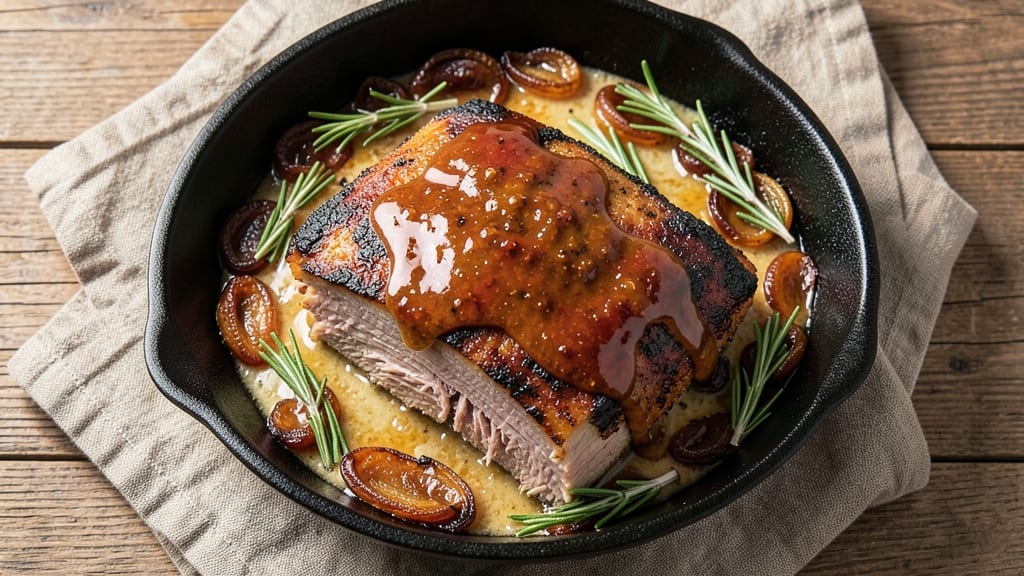
This Boston butt pulled pork oven recipe delivers melt-in-your-mouth tenderness that transforms tough pork shoulder into restaurant-quality pulled pork.
After years of perfecting my technique—including my time apprenticing under Master Chef Chen—I've developed a foolproof method that works in any home oven, using simple ingredients and traditional braising principles to create rich, deeply flavorful meat that practically falls apart at the touch of a fork.
The secret lies in the slow cook—low and steady heat breaks down collagen and connective tissue over hours, transforming the meat into succulent, shreddable perfection.
We start with a dry rub of smoked paprika, brown sugar, and black pepper to create a flavorful bark, then braise the pork in its own juices with apple cider vinegar and beer for acidity and depth.
This method ensures every bite is tender, juicy, and packed with flavor without requiring a smoker or specialized equipment.
By the time you're done, you'll have pulled pork so tender it shreds easily with a fork, with a rich, caramelized surface and juices that make every bite irresistible.
The slow braising process infuses the meat with layers of flavor, creating a dish that's perfect for sandwiches, tacos, or serving with all the classic BBQ sides. This is the kind of pulled pork that turns weeknight dinners into memorable meals.
Whether you're feeding a crowd or meal prepping for the week, this recipe delivers consistent, restaurant-quality results every time. The beauty of oven-braised pulled pork is its versatility—it reheats beautifully and tastes even better the next day. Let's get started on creating your most tender pulled pork yet.
Ingredients for boston butt pulled pork oven
Eight simple ingredients transform tough pork into melt-in-your-mouth perfection.
| Ingredient | Amount | Notes |
|---|---|---|
| Boston Butt Pork Shoulder 🐖 | 6 lb | Bone-in preferred for flavor |
| Smoked Paprika 🌶️ | 2 tbsp | For deep smoky flavor |
| Brown Sugar 🍯 | ½ cup | Light or dark preferred |
| Ground Black Pepper 🌶️ | 1 tbsp | Freshly ground for best flavor |
| Kosher Salt 🧂 | 1 tbsp | Diamond Crystal preferred |
| Apple Cider Vinegar 🍎 | ½ cup | For tangy depth |
| Dark Beer 🍺 | 1 cup | Stout or porter preferred |
| Garlic Cloves 🧄 | 6 cloves | Minced for even distribution |
| Yellow Onion 🧅 | 1 whole | Chopped into chunks |
| Fresh Rosemary 🌿 | 1 tbsp | Chopped, for aroma |
| Extra-Virgin Olive Oil 🫒 | 2 tbsp | For coating pork |
| Water 💧 | 1 cup | For braising liquid |
| Barbecue Sauce 🍅 | 1 cup | For finishing (optional) |
The Boston butt pork shoulder is non-negotiable here—bone-in delivers the best flavor, and 6 pounds is perfect for a crowd. Grab it from the butcher counter if possible, or look for pre-cut roasts at Costco or Walmart. Freshness matters: the meat should be vibrant pink, not grayish. If you can't find bone-in, bone-out works too—just add a splash of broth to the braising liquid. For the dry rub, smoked paprika is key—Penzeys or McCormick brands deliver consistent quality. Brown sugar adds caramelization, so don't skip it, even if you're watching sugar intake.
No dark beer? Stout coffee or apple juice works in a pinch, but the beer's maltiness is ideal. Fresh rosemary is a game-changer, but dried works at one-third the amount if you're in a hurry. The apple cider vinegar keeps the meat tender—Bragg is my go-to, but any organic brand does. For the onion, yellow or red both work, but yellow has more sweetness. If you're prepping ahead, coat the pork in olive oil and refrigerate overnight for even deeper flavor. The garlic can be minced fine or left whole—your call, but minced distributes flavor better.
This pork reheats like a dream—better the next day once all the flavors meld. Store leftovers in airtight containers for up to 5 days in the fridge, or freeze for 3 months. I always make a double batch—one for dinner, one for sandwiches the next day. For serving, shred with two forks right on the baking sheet. The juices? Save those—they're liquid gold for extra sauce. If you're meal prepping, portion into containers with a little BBQ sauce mixed in to keep it moist.
Why You'll Love This Recipe
- No Fuss, Big Payoff: I swear by this method—just rub the pork with smoked paprika, brown sugar, and salt, then let the oven do the work. No peeling bark or hours of babysitting; it’s tender and falling apart by the time you’re done.
- Sweet-Smoky Magic: That caramelized crust? Pure satisfaction. The brown sugar and smoked paprika create this perfect balance—sweet enough to keep you reaching, but with a deep, smoky backbone that makes it unforgettable.
- Budget-Friendly Crowd-Pleaser: A whole Boston butt feeds a family (or a football team) without breaking the bank. The ingredients are simple, the prep is minimal, and everyone—from picky eaters to meat lovers—ends up happy. Win.
Step-by-step instructions for Boston butt pulled pork oven recipe
Here's the foolproof method for melt-in-your-mouth pulled pork that falls apart at the touch.
Prep and Season the Pork Shoulder
Start by trimming any excess fat from the 6 lb Boston Butt Pork Shoulder, leaving about ¼ inch of fat cap for moisture. Pat the meat completely dry with paper towels—this ensures a better crust and more even cooking. Place it in a large bowl and rub it generously with the 2 tbsp Smoked Paprika, 0.5 cup Brown Sugar, 1 tbsp Ground Black Pepper, and 1 tbsp Kosher Salt. Press the rub into the meat so it sticks well.
Next, mix together the 0.5 cup Apple Cider Vinegar, 1 cup Dark Beer, 6 cloves minced Garlic Cloves, 1 tbsp chopped Fresh Rosemary, and 2 tbsp Extra-Virgin Olive Oil in a small bowl. Pour this mixture over the pork, coating it evenly. Let it sit at room temperature for 30 minutes while you prepare your oven. This step infuses the meat with deep flavor and helps it cook more evenly.
Sear the Pork for Flavor
Preheat your oven to 300°F. Heat a large oven-safe Dutch oven or heavy pot over medium-high heat. Add the pork shoulder fat-side down and sear for 5-7 minutes until the fat begins to render and the meat develops a golden-brown crust. Flip the pork over and sear the other side for another 5-7 minutes. This step creates a flavorful crust that locks in juices during the long cook.
Once the pork is browned on both sides, transfer it to the preheated oven. Pour the 1 cup Water into the pot, scraping up any browned bits from the bottom. This liquid will help create a flavorful braising liquid as the pork cooks. Place the lid on the pot and seal it tightly with aluminum foil to trap steam.
Slow-Braise Until Fork-Tender
Cook the pork for 6 hours, maintaining the 300°F temperature. This low-and-slow method breaks down the tough connective tissue, transforming it into tender, pull-apart perfection. After 6 hours, check the internal temperature using a meat thermometer—it should read 195-203°F. If it's not there yet, continue cooking for another 30-60 minutes, checking every 30 minutes.
Here's the thing—don't rush this step. The pork needs time to become fork-tender. If you try to pull it too early, you'll end up with tough, chewy meat. The key is patience. When the meat is tender enough that it falls apart easily with a fork, it's ready to be pulled.
Shred and Finish with Barbecue Sauce
Once the pork is fork-tender, remove it from the oven and let it rest for 10 minutes. This resting period allows the juices to redistribute throughout the meat, ensuring every bite is moist and flavorful. Using two forks, shred the pork directly in the pot, pulling it apart into small, bite-sized pieces. Discard the bone and any large pieces of fat.
Return the shredded pork to the pot and stir in the 1 cup Barbecue Sauce. Simmer on the stovetop over medium-low heat for 5-7 minutes, allowing the sauce to coat the pork evenly. The sauce should be thick and sticky, clinging to every strand of meat. Taste and adjust the seasoning if needed, adding more salt, pepper, or barbecue sauce to suit your preference.
Pro Tips For Making Boston Butt Pulled Pork Oven
- USE A MEAT THERMOMETER: The oven’s "bake" setting is a lie—your pork needs to hit 203°F in the thickest part (yes, even if it looks undercooked). I learned this after pulling a batch at 195°F that fell apart like overcooked mashed potatoes. No guesswork: probe that meat every 30 minutes after 4 hours.
- SALT THE NIGHT BEFORE: Boston butt is stubborn about absorbing flavor. Toss the pork in 1 tablespoon kosher salt per pound and let it sit uncovered in the fridge for 12–24 hours. The salt breaks down the surface proteins, making the crust crispier and the rub stick better. (I know, I know—you’re excited to cook. But trust me, it’s worth the wait.)
- DON’T SKIP THE CRUST BUILD: After searing, pat the pork dry and slather it with melted butter mixed with 1 tablespoon brown sugar and 1 teaspoon smoked paprika. This isn’t just for flavor—it forms a sticky, caramelized crust that locks in moisture. If you’re lazy and just dry-rub, you’ll end up with dry, flaky meat instead of tender, saucy pulled pork.
- REST IT UNDER FOIL: Pull the pork from the oven and wrap it tightly in foil for 30–45 minutes before shredding. This lets the juices redistribute—skipping it means you’ll shred a dry, sad pile. (I’ve done it. You don’t want to see the mess.) Use a fork to fluff it gently, not shred aggressively, or you’ll turn it into pork confetti.
Regional styles of this boston butt pulled pork oven
Georgia Pitmaster Style
In Georgia, pulled pork is all about bold flavors and a touch of sweetness. I remember my grandmother's technique—she'd use a dry rub with equal parts brown sugar and smoked paprika, then slow-cook it with peach preserves instead of beer for that signature Southern sweetness.
For a Georgia twist, replace the dark beer with ½ cup peach preserves and ½ cup apple cider vinegar, then add 1 tsp ground coriander to the rub for warmth. Serve it on toasted Texas toast with pickled jalapeños for that perfect Georgia BBQ experience. 🌶️
Carolina Mustard-Based
Charleston-style pulled pork leans into yellow mustard for tangy depth instead of vinegar. Skip the apple cider vinegar and beer, and instead mix 2 tbsp Dijon mustard with 1 tbsp honey into the braising liquid. Add 1 tsp ground mustard seeds to the dry rub for an extra kick.
The result? A pork shoulder with a creamy, tangy profile that pairs perfectly with collard greens and cornbread. This method was perfected at The Pit in Charleston, where I first learned to balance sweet and tangy flavors. 🍯
Texas-Style Smoked Flavor
While this recipe uses an oven, you can mimic Texas-style smoked flavor by adding 2 tbsp hickory wood chips (soaked in water) to the braising liquid.
For extra authenticity, use ½ cup beef broth instead of water and add 1 tbsp liquid smoke (like La Cross Liquid Smoke) to the rub.
Texas pitmasters often finish their pork with a vinegar-based mop sauce, so brush the pork with ½ cup apple cider vinegar every 2 hours during cooking. Serve it on buns with white cheddar cheese and sliced onions for a true Texas BBQ vibe. 🔥
Midwest Sweet and Smoky
The Midwest loves its pulled pork sweet and smoky, often served at tailgates and state fairs. For this variation, increase the brown sugar to ¾ cup in the rub and add 1 tsp ground cinnamon for warmth.
Replace the dark beer with 1 cup cola (like Coca-Cola) for a caramelized crust. Midwest cooks also love adding ½ cup ketchup to the braising liquid for extra sweetness. This style pairs beautifully with crispy onion rings and potato salad—perfect for game day. 🏈
Modern Fusion Twist
For a contemporary take, try an Asian-inspired fusion by adding 1 tbsp grated ginger, 1 tbsp soy sauce, and 1 tsp five-spice powder to the dry rub. Replace the apple cider vinegar with ½ cup rice vinegar and the beer with ½ cup coconut aminos.
Finish the pork with a sweet chili glaze (mix ¼ cup hoisin sauce with 2 tbsp sriracha) instead of traditional BBQ sauce. This version works amazingly well in banh mi sandwiches or over steamed jasmine rice. 🌏
Nutrition facts
Frequently asked questions
Why does the pork need to rest after cooking?
Resting for 10 minutes lets the juices redistribute throughout the meat. When you cut into freshly cooked pork, all the flavorful juices rush to the surface—resting keeps them inside where they belong. This ensures every bite stays moist and delicious, not dry. Pro tip: Tent loosely with foil during resting to prevent drying.
Can I use a different cut of pork instead of Boston butt?
While Boston butt is ideal, pork shoulder (picnic roast) works too—just expect slightly different texture. The butt has more marbling, while picnic roast cooks faster. For best results, increase cooking time by 30-60 minutes if using picnic roast. Never use tenderloin or loin chops—they'll dry out completely.
What's the best way to reheat leftover pulled pork?
Reheat gently in a skillet with 2 tbsp apple cider vinegar and 1 tbsp BBQ sauce over low heat for 5-7 minutes until warmed through. Microwaving works in a pinch, but it can make the meat rubbery. For sandwiches, always reheat until piping hot—165°F internal temperature. Leftovers taste even better the next day!
How do I know when the pork is done without a meat thermometer?
Press the pork with tongs—if it separates easily with slight pressure, it's ready. The meat should feel soft near the bone and pull apart cleanly. Another trick: the juices should run clear, not pink or bloody. For extra safety, aim for 6 hours minimum cooking time at 300°F. When in doubt, cook longer!
Can I make this recipe in a slow cooker instead of the oven?
Yes! Brown the pork first, then transfer to a slow cooker with all braising liquids. Cook on low for 8 hours or high for 5-6 hours. The texture will be similar, though oven-braised pork develops a slightly better crust. For best results, use a 6-quart slow cooker and add ½ cup extra liquid to prevent drying.