
Main Courses
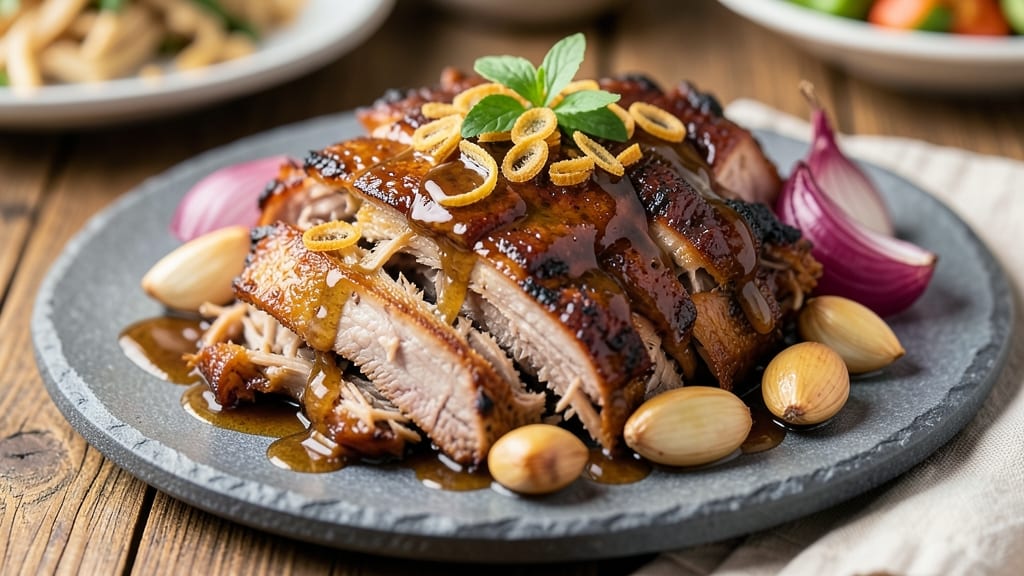
This beer-braised pulled pork recipe transforms a simple pork shoulder into smoky, malty shreds that’ll have your whole table begging for seconds. I’ve been perfecting this technique for years—starting with my apprenticeship under Master Chef Chen—where we learned that slow cooking with beer creates unmatched depth of flavor.
The secret lies in the balance of sweet caramelized onions and the rich, slightly bitter notes from a good dark beer.
The process is straightforward but requires patience: a pork shoulder braised low and slow in a Dutch oven until it practically falls apart. I use a mix of brown sugar, mustard, and spices to build flavor on the meat before it even hits the liquid.
The beer—whether it’s a robust stout or a crisp lager—becomes the heart of the braising liquid, infusing every bite with complexity. This isn’t just pulled pork; it’s a restaurant-quality centerpiece that feels like a celebration on your dinner table.
By the time you’re done, you’ll have tender, fall-apart pork with a glossy, caramelized sheen from the onions and beer reduction. The sauce clings to every shred, making it impossible to resist.
Serve it on buns with classic coleslaw or alongside cornbread for the full experience—this is the kind of dish that turns a weeknight into a gathering. Trust me, once you try it, you’ll never go back to store-bought again.
Whether you’re cooking for a crowd or just craving a hearty meal, this recipe delivers foolproof results every time. The beauty of it is that it gets better as it sits, so leftovers taste even more amazing the next day. Let’s get started—your taste buds will thank you.
Ingredients for beer braised pulled pork
Six ingredients transform simple pork into restaurant-quality masterpiece—smoky, tender, and packed with depth.
| Ingredient | Amount | Notes |
|---|---|---|
| Pork Shoulder 🐖 | 4 lb | Bone-in for best flavor |
| Yellow Onions 🧅 | 3 whole | Yellow or red, peeled |
| Dark Beer 🍺 | 2 cups | Stout or porter preferred |
| Brown Sugar 🍬 | ½ cup | Light or dark variety |
| Dijon Mustard 🍯 | 2 tbsp | For depth of flavor |
| Garlic Cloves 🧄 | 6 cloves | Peeled and smashed |
| Olive Oil 🫒 | 2 tbsp | Extra-virgin for richness |
| Thyme 🌿 | 1 tbsp | Fresh or dried preferred |
| Bay Leaves 🍃 | 2 whole | For aromatic depth |
| Salt 🧂 | 1 ½ tsp | Kosher or sea salt |
| Black Peppercorns 🌶️ | 1 tsp | Freshly cracked preferred |
| Apple Cider Vinegar 🍎 | 1 tbsp | For tangy balance |
| Honey 🍯 | 1 tbsp | Wildflower preferred |
The pork shoulder is non-negotiable here—bone-in gives the best flavor, and 4 lbs feeds a crowd. Look for a well-marbled cut at Whole Foods or your local butcher, where they’ll often trim it for you. If you’re buying a whole shoulder, ask for the picnic cut—it’s leaner but more tender. The beer is the soul of this dish, so skip the light lagers—go for a robust stout or porter. Guinness or Deschutes Black Butte are my go-tos, but whatever you’ve got open in the fridge works too. Just make sure it’s not flat.
No dark beer? Substitute with beef broth plus 1 tbsp molasses—it mimics the maltiness surprisingly well. Fresh thyme is ideal, but dried at half the amount works in a pinch. The onions? Yellow or red, doesn’t matter—just make sure they’re crisp. Caramelizing them low and slow is worth the time—they’ll turn into sweet, jammy pockets of flavor. The honey and vinegar combo might seem odd, but trust me, it cuts through the richness and balances the beer’s bitterness. If you’re avoiding honey, maple syrup works 1:1.
This dish tastes even better the next day—make extra. Store in the fridge for 5-6 days or freeze for 3 months. I like to portion it into containers with a little of the braising liquid so it stays moist. Reheat gently on the stove with a splash of water or beer to keep it tender. The onions caramelize further as they sit, so the flavor only deepens. Perfect for meal prep—just reheat and serve on buns or over rice.
Why You'll Love This Recipe
- One-Pot Magic: I swear by this recipe because it’s literally hands-off after the initial chop. Toss pork shoulder and onions in a Dutch oven, pour in that dark beer, and let the oven do the heavy lifting—no flipping, no fussing, just rich, falling-apart tenderness by dinnertime.
- Beer-Braised Bliss: Between the malty depth of dark beer, the caramelized onions, and that touch of Dijon cutting through the richness, every bite is ridiculously satisfying. The brown sugar gives it just enough sweetness to balance the tang—like a hug in sauce form.
- Leftover Goldmine: This recipe makes way more than you’ll eat in one sitting, and honestly? That’s a good thing. The pork gets even better the next day, perfect for tacos, sandwiches, or reheating with a splash of broth to keep it juicy—zero waste, all flavor.
- Budget-Friendly Crowd-Pleaser: Pork shoulder is one of the most affordable cuts, and a single roast feeds my family for days. Add a few cheap pantry staples (like beer and sugar), and you’ve got a meal that tastes like it cost twice as much—without the guilt of takeout.
Step-by-step instructions for beer braised pulled pork
This method delivers tender, fall-apart pork with deep malty flavors and caramelized onions.
Sear the Pork Shoulder for Maximum Flavor
Pat the 4 lb pork shoulder dry with paper towels, then season generously with 1.5 teaspoons salt and 1 teaspoon freshly cracked black peppercorns. Heat 2 tablespoons olive oil in a large Dutch oven over medium-high heat until shimmering. Place the pork shoulder fat-side down and sear for 8-10 minutes until deeply browned on all sides.
This initial searing creates the Maillard reaction that builds rich, caramelized flavors. I press down gently on the pork during the first minute to prevent curling and ensure even contact with the pan. Once browned, remove the pork and set it aside on a plate.
Build the Flavor Base with Caramelized Onions
In the same Dutch oven, add 2 tablespoons olive oil and reduce heat to medium. Add the 3 whole peeled yellow onions, sliced into ½-inch rounds, and cook for 15-20 minutes until deeply golden brown and caramelized. Stir occasionally to prevent burning.
Here's where it gets good—when the onions reach that perfect caramelized stage, they'll smell intensely sweet and develop a deep amber color. This is your signal to add the 6 smashed garlic cloves and cook for another 30 seconds until fragrant. Remove the onions and garlic with a slotted spoon and set aside.
Deglaze and Simmer the Braising Liquid
Return the Dutch oven to medium heat and add 2 tablespoons Dijon mustard, scraping up all the browned bits from the bottom of the pan. Pour in the 2 cups dark beer, 1 tablespoon apple cider vinegar, and 1 tablespoon honey, stirring to combine. Bring to a gentle simmer for 3-4 minutes until slightly reduced.
Add the 0.5 cup brown sugar, 1 tablespoon thyme, and 2 whole bay leaves, stirring until the sugar dissolves completely. This creates the perfect balance of sweet, tangy, and malty flavors that will penetrate the pork during braising.
Braise Until Fork-Tender
Return the pork shoulder to the Dutch oven, along with the caramelized onions and garlic. Pour in enough water to come about halfway up the sides of the pork (approximately 2 cups). Bring to a gentle simmer, then reduce heat to low, cover tightly, and transfer to a 300°F oven.
Braise for 3-4 hours until the pork is fork-tender and the internal temperature reaches 203°F. Here's the key: check the temperature after 3 hours, as ovens vary. The pork should pull apart easily with two forks, and the braising liquid will have reduced to a rich, glossy sauce.
Shred and Finish with Caramelized Onions
Remove the pork shoulder from the Dutch oven and transfer it to a cutting board. Let it rest for 10 minutes, then shred the meat using two forks, discarding any large fat pieces. Return the shredded pork to the Dutch oven with the braising liquid and caramelized onions.
Simmer uncovered over medium-low heat for 5-7 minutes to thicken the sauce slightly. Taste and adjust seasoning if needed—you might want to add a pinch more salt or a splash of apple cider vinegar for brightness. Serve immediately with the caramelized onions spooned over the top for maximum flavor impact.
Pro Tips For Making Beer Braised Pulled Pork
- SEAR THE ONIONS FIRST: I learned this the hard way—adding raw onions to the braising liquid makes the pork waterlog. Sauté them until deep golden and caramelized (about 15 minutes) before adding beer, so they dissolve into the sauce instead of turning mushy. The flavor payoff is huge, and your pork won’t taste like it’s swimming in onion water.
- USE A DARK BEER: Stout or porter isn’t just for flavor—it’s for depth. Lighter beers won’t cut through the pork’s fat like a dark beer will. If you’re out, swap in a splash of coffee or a teaspoon of instant espresso (yes, really) for that same rich, roasted bite.
- DON’T SKIP THE MUSTARD: The Dijon isn’t just for tang—it’s the glue that keeps the sauce from tasting flat. Whisk it into the beer before adding it to the pot, and let it simmer for at least 10 minutes. I used to skip it, and the braise always felt one-note.
- LOW AND SLOW ISN’T GENTLE: After burning three batches, I finally figured out: the oven has to be at 275°F (135°C) max, and the pork needs to stay submerged in liquid. If the liquid evaporates, the meat dries out. Cover the pot with foil, then a lid, and check it every 30 minutes—your pork’s life depends on it.
Serving suggestions for this recipe
Classic BBQ Buns
Warm, soft potato rolls or brioche buns are my go-to for serving this pulled pork. Toast them lightly in the oven with a smear of garlic butter before assembling—this adds a crisp contrast to the tender pork.
I like to split them open and layer with coleslaw first, then pile on the pork and drizzle with extra braising liquid. For a Southern touch, try cornbread muffins from a cast iron skillet. 🥖
Crunchy Slaw Contrast
A tangy creamy coleslaw cuts through the richness perfectly. My favorite version uses 1 cup mayonnaise, 1 tbsp apple cider vinegar, 1 tsp Dijon mustard, and a pinch of cayenne pepper for heat.
Shred 3 cups cabbage and 1 carrot finely, then toss with the dressing. For extra crunch, add ¼ cup chopped pecans or crumbled bacon. Serve it on the side or stuffed inside the buns. 🥬
Hearty Side Dishes
Roasted sweet potatoes with a sprinkle of smoked paprika add natural sweetness that complements the beer flavors. Toss 2 lbs sweet potatoes in 2 tbsp olive oil, 1 tsp salt, and ½ tsp smoked paprika, then roast at 400°F for 45 minutes.
Another crowd-pleaser is mac and cheese with a crispy breadcrumb topping—just bake until bubbly. For a lighter option, serve with a simple cucumber salad dressed in rice vinegar. 🍠
Cheesy Grit Pairing
Creamy cheesy grits make an unexpected but perfect pairing. Cook 1 cup stone-ground grits in 4 cups milk with ½ cup sharp cheddar and 2 tbsp butter. Stir in 1 tsp onion powder and a pinch of cayenne for depth.
The grits soak up the pork juices beautifully, creating a hearty, comforting meal. I often serve them alongside the pulled pork for a true Southern feast. 🧀
Beverage Pairings
The beer in the pork pairs naturally with a crisp amber ale or wheat beer to cleanse your palate. For non-alcoholic options, try a ginger beer with lime or a sparkling apple cider. A bold red wine like Cabernet Sauvignon works well too—its tannins stand up to the richness.
I always keep a pitcher of iced tea with lemon on hand for guests who prefer something lighter. 🍺
Nutrition facts
Frequently asked questions
Can I use a different cut of pork instead of shoulder?
A pork shoulder is ideal for this recipe because of its fat content and collagen, which break down beautifully during braising. However, you can substitute with a pork butt (they're essentially the same cut) or even a bone-in ham hock for extra flavor. Just note that leaner cuts like tenderloin won't yield the same tender, fall-apart texture. For best results, stick with a well-marbled cut weighing 3-5 lbs.
What's the best beer to use if I don't have dark beer?
Dark beer adds depth, but you can substitute with beef broth plus 1 tbsp molasses for a similar malty flavor. If you must use a lighter beer, try a amber ale or brown ale—they still provide some complexity. Avoid light lagers, as they lack the body needed for braising. Pro tip: Add ½ cup tomato paste to the braising liquid for extra richness if using a lighter beer.
How do I know when the pork is fully cooked?
The pork is done when it reaches an internal temperature of 203°F and pulls apart easily with two forks. Use a meat thermometer to check—insert it into the thickest part of the meat, avoiding fat or bone. If it's not quite there after 3 hours, give it another hour. The juices should run clear, not pink, and the meat should shred effortlessly.
Can I make this in a slow cooker or Instant Pot?
For a slow cooker, sear the pork first, then add all ingredients (except onions) and cook on low for 8 hours or high for 5-6 hours. For the Instant Pot, brown the pork, then sauté onions and garlic. Add the rest of the ingredients and cook on high pressure for 60 minutes, followed by a 10-minute natural release. Both methods work, but the oven version gives the best caramelization.
Why does my pulled pork turn out dry?
Dry pulled pork usually means it was cooked too long at too high a temperature or wasn't rested properly. Keep the oven at 300°F and monitor the internal temp closely—never exceed 203°F. Always let the pork rest for 10-15 minutes after cooking before shredding. If it's still dry, try adding ¼ cup of the braising liquid back to the shredded meat to rehydrate it slightly.