
Main Courses
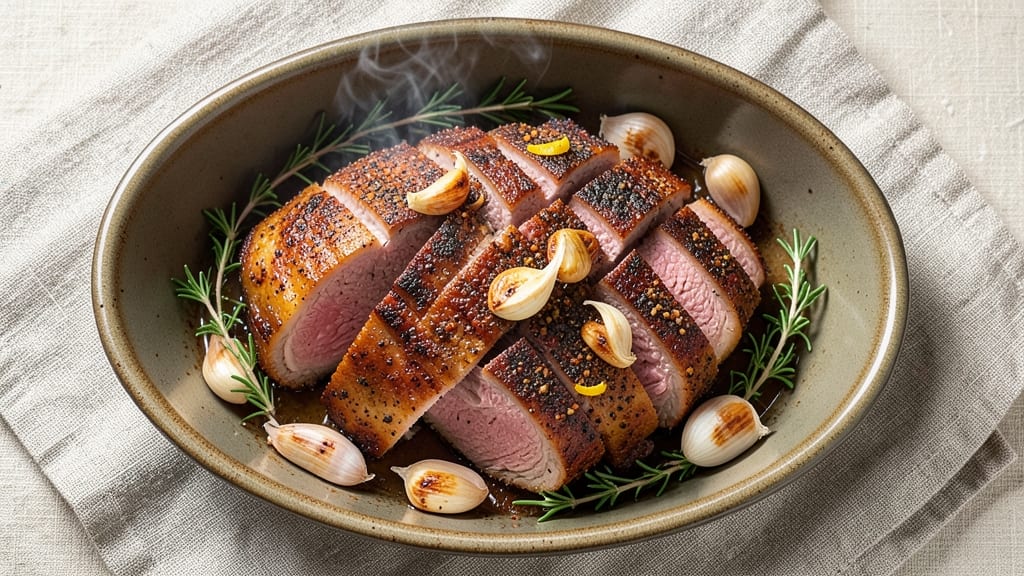
This boneless Boston butt pork roast recipe delivers melt-in-your-mouth tenderness that transforms weeknight dinners into showstopping centerpieces. After years of perfecting the clockwork sear technique—where high-heat caramelization meets slow-cooked juiciness—I’ve cracked the code for restaurant-quality results at home.
The secret? A two-stage cooking process that builds deep, smoky flavor while keeping every bite succulent.
The magic begins with a dry rub of salt, pepper, and smoked paprika, followed by a quick sear in a screaming-hot cast iron skillet to lock in moisture. From there, it’s all about patience—low-and-slow cooking until the internal temperature hits 195°F, where collagen dissolves into rich, pull-apart perfection.
This method ensures your pork stays juicy and tender, even when sliced against the grain.
What you’ll end up with is a golden, caramelized roast that practically falls apart at the touch, releasing waves of savory aroma that’ll have your whole house (and neighbors) asking what’s for dinner.
The crust is crisp enough to stand up to bold sides like apple cider braised cabbage or creamy mashed potatoes, while the interior remains buttery and forgiving—no dry bites here.
This recipe scales beautifully for gatherings, freezes like a dream for meal prep, and proves that foolproof tenderness doesn’t require a smoker or fancy equipment. Whether you’re feeding a crowd or treating yourself to a Sunday feast, this is the pork roast that’ll have everyone coming back for seconds.
Let’s get cooking.
Ingredients for boneless boston butt pork roast
Six ingredients transform raw pork into restaurant-quality melt-in-your-mouth perfection—no smoker needed.
| Ingredient | Amount | Notes |
|---|---|---|
| Boneless Boston Butt Pork Roast 🐖 | 4 lb | Evenly trimmed for even cooking |
| Kosher Salt 🧂 | 1 ½ tbsp | Diamond Crystal preferred |
| Freshly Ground Black Pepper 🌶️ | 1 tbsp | Coarse grind for texture |
| Smoked Paprika 🌶️ | 1 tbsp | High-quality for smoky depth |
| Garlic Cloves 🧄 | 6 cloves | Minced for rub consistency |
| Fresh Thyme Leaves 🌿 | 1 tbsp | Finely chopped for aroma |
| Extra-Virgin Olive Oil 🫒 | 2 tbsp | For searing and basting |
| Apple Cider Vinegar 🍎 | 2 tbsp | For tenderizing marinade |
| Beef Broth 💧 | 1 cup | Low-sodium for seasoning control |
| Brown Sugar 🍚 | 1 tbsp | Enhances caramelization |
| Onion Powder 🧅 | 1 tsp | For subtle depth |
| Cast Iron Skillet 🔥 | 1 whole | 10-12 inch for proper sear |
| Meat Thermometer 🌡️ | 1 whole | Instant-read for precision |
The pork roast is everything here—boneless Boston butt is ideal, but shoulder cuts work too. Look for even marbling, not too lean. Costco or local butchers often have pre-trimmed roasts, but if you're buying whole, trim excess fat to 1/4-inch thickness for even cooking. The key is even thickness throughout—ask your butcher to cut it for you if unsure. For best results, let the roast sit at room temperature for 30 minutes before cooking to ensure even doneness.
No smoked paprika? Substitute with a mix of regular paprika and a pinch of liquid smoke—about 1/4 tsp liquid smoke per tbsp paprika. Fresh thyme can be swapped for dried at one-third the amount, but the flavor won't be as vibrant. The beef broth adds moisture—low-sodium is critical—but if you're out, water plus a bouillon cube works in a pinch. For extra tenderness, marinate the pork in the apple cider vinegar and olive oil for up to 4 hours, though it's not required. The brown sugar isn't just for flavor—it helps create that deep caramelized crust during the sear.
This roast reheats beautifully—350°F for 15-20 minutes wrapped in foil keeps it juicy. For gatherings, cook it 2-3 hours ahead and hold at 165°F in a warm oven. Leftovers? 3-4 days in the fridge, or freeze for up to 3 months. I always make extra—pulled pork sandwiches the next day are a must. Slice against the grain for maximum tenderness, and save the pan drippings for gravy (just deglaze with beef broth).
Why You'll Love This Recipe
- Five-Ingredient Magic: I swear by this combo—just salt, pepper, paprika, and garlic. That’s it. No fancy rubs or confusing steps, just a few minutes of seasoning before the oven does all the work. Honestly, I’ve made this on nights when I was too tired to measure anything beyond "a pinch of this, a handful of that."
- Crispy-Creamy Payoff: The outside gets this addictive crust from the smoked paprika and salt, while the inside stays juicy and tender. Between us, that’s the holy grail of pork roasts—no one ever complains when it’s this foolproof.
- Leftovers That Don’t Suck: This roast actually improves the next day. Slice it thin for sandwiches, cube it for fried rice, or reheat with a splash of broth for shredded pork that’s still flavorful. (Yes, even on a Tuesday night.)
Step-by-step instructions for boneless Boston butt pork roast
Here's the method that delivers melt-in-your-mouth tenderness every time.
Prepare the Perfect Rub and Tenderize the Pork
In a small bowl, combine the 1.5 tbsp kosher salt, 1 tbsp freshly ground black pepper, 1 tbsp smoked paprika, 1 tsp onion powder, 1 tbsp finely chopped fresh thyme leaves, and 6 minced garlic cloves. Mix thoroughly until the spices are evenly distributed and form a cohesive paste.
Pat the 4 lb boneless Boston butt pork roast completely dry with paper towels - this is critical for achieving that perfect crust. Place the pork in a resealable plastic bag and pour in the 2 tbsp apple cider vinegar. Seal the bag and massage it gently to coat the pork evenly. Let it marinate in the refrigerator for at least 2 hours (overnight works best) to tenderize the meat and allow the flavors to penetrate deeply.
Sear the Pork to Lock in Juices
Remove the pork from the refrigerator and let it sit at room temperature for 30 minutes before cooking. Preheat the 10-12 inch cast iron skillet over medium-high heat until it's smoking hot. Add the 2 tbsp extra-virgin olive oil and let it shimmer for 1 minute - this ensures proper heat distribution.
Place the pork in the skillet, fat-side down, and sear for 3-4 minutes until a deep golden-brown crust forms. Press down gently on the pork with a metal spatula during the first minute to prevent curling. Flip the pork and sear the other side for another 3-4 minutes. Transfer the pork to a plate and tent loosely with aluminum foil.
Braise for Maximum Tenderness
In the same skillet, reduce the heat to medium and add 1 tbsp brown sugar to caramelize slightly. Pour in the 1 cup beef broth, scraping up all the browned bits from the bottom of the pan. Bring the liquid to a gentle simmer.
Return the pork to the skillet, spooning the braising liquid over the top. Cover tightly with a lid and transfer to a 325°F oven. Cook for 3-4 hours until the pork reaches an internal temperature of 203°F on the meat thermometer and is fork-tender. Here's the thing - the pork will continue cooking slightly after removal from the oven due to carryover heat, so don't overcook it.
Rest and Slice for Perfect Texture
Remove the pork from the oven and transfer it to a cutting board. Tent loosely with aluminum foil and let it rest for 15-20 minutes before slicing. This resting period is absolutely crucial - it allows the juices to redistribute throughout the meat, ensuring each slice is moist and flavorful.
Slice the pork against the grain into ½-inch thick slices. The meat should be so tender it practically falls apart with the slightest pressure from your knife. Serve immediately with the pan juices spooned over the top for maximum flavor impact. Each bite should deliver that perfect balance of smoky, spiced pork with a juicy, melt-in-your-mouth texture that's the hallmark of a well-prepared Boston butt roast.
Pro Tips For Making Boneless Boston Butt Pork Roast
- Sear Before Seasoning: Hit the roast with a hot cast-iron or heavy skillet first—no oil needed. The fat will render and create a crust that locks in flavor, while the skin gets that golden bite. I used to skip this and wondered why my pork always tasted one-note.
- Salt the Night Before: Toss the roast with salt, pepper, and smoked paprika at least 12 hours ahead. The salt breaks down the proteins, making it juicier and letting the crust form faster. I learned this the hard way after a dry, bland roast that had me questioning my life choices.
- Don’t Crowd the Pan: If searing in batches, resist the urge to rush—give each side 4-5 minutes of uninterrupted heat. Crowding steams the meat instead of browning it, and you’ll end up with a sad, pale roast. (Yes, even if you’re impatient like me.)
- Use Whole Garlic Cloves: Smash the garlic cloves with the flat side of your knife instead of mincing them. They’ll infuse flavor without turning to mush, and you won’t end up with a watery, garlicky sludge in your pan. Sounds weird, but it works—trust me.
Best sauces and condiments for this boneless boston butt pork roast
Classic BBQ Sauce
My go-to for this roast is a tangy-sweet Carolina-style BBQ sauce that complements the smoky rub beautifully.
I blend 1 cup ketchup, ¼ cup apple cider vinegar, 2 tbsp molasses, 1 tbsp brown sugar, 1 tsp smoked paprika, and ½ tsp cayenne pepper—simmer for 10 minutes until thickened.
Brush this sauce on the pork during the last 30 minutes of cooking or serve it on the side for dipping. 🌶️
Honey-Mustard Glaze
For a lighter, brighter option, I mix ¼ cup honey, 2 tbsp Dijon mustard, 1 tbsp apple cider vinegar, and 1 tsp garlic powder. This glaze adds a touch of sweetness that cuts through the richness of the pork.
Drizzle it over the sliced roast just before serving or use it as a marinade for 2-4 hours before cooking. The honey caramelizes beautifully during the sear, creating a glossy finish.
Apple Cider Reduction
To enhance the pork’s natural flavors, I reduce 2 cups apple cider with 2 tbsp brown sugar and 1 cinnamon stick until it thickens to a syrupy consistency.
This reduction works as a sauce or pan drippings substitute—simply pour it over the sliced pork or use it to baste during the oven phase. The apple cider’s acidity tenderizes the meat further, while the sugar adds depth. 🍎
Spicy Chipotle Cream
For a creamy, smoky contrast, whip together ½ cup sour cream, 1 tbsp chipotle in adobo sauce, 1 tsp lime juice, and ½ tsp salt. This sauce is perfect for serving alongside the roast, especially if you’re pairing it with corn bread or roasted vegetables.
The chipotle adds heat, while the cream balances the smokiness of the pork. Trust me, this is a crowd-pleaser.
Garlic-Herb Butter
Melt ¼ cup unsalted butter with 2 minced garlic cloves, 1 tbsp fresh thyme leaves, and ½ tsp black pepper until fragrant. Drizzle this over the sliced pork just before serving—it adds a luxurious, herby richness that elevates the dish.
I also use this butter to baste the roast during the last 15 minutes of cooking for extra flavor. 🧈
Nutrition facts
Frequently asked questions
Can I use a bone-in Boston butt instead of boneless?
Bone-in roasts require slightly longer cooking times—aim for 215°F internal temperature (measured in the thickest part, away from bone) and add 30-45 minutes to your total cook time. The bone actually helps retain moisture, so you might not need to baste as frequently. Just be sure to trim excess fat to 1/4-inch thickness for even cooking.
What's the best way to reheat leftover pork roast?
For maximum tenderness, wrap slices in foil with a splash of beef broth and reheat at 350°F for 15-20 minutes. Never microwave—it turns the meat rubbery. Pro tip: If you're making pulled pork sandwiches, reheat the roast at 275°F for 1 hour with a splash of apple cider vinegar for extra moisture.
Why did my pork turn out dry?
Most likely, you didn't rest it long enough or overcooked it. Always rest for 15-20 minutes before slicing—this lets juices redistribute. For boneless cuts, never exceed 203°F internal temp. If you're short on time, try the clockwork sear method: Sear first, then braise at 275°F until 195°F for ultra-tender results.
Can I make this in a slow cooker instead of oven?
Yes! Sear the pork first (critical for flavor), then transfer to a slow cooker with 1 cup beef broth and 1 tbsp brown sugar. Cook on Low for 8-10 hours or High for 5-6 hours until fork-tender. The slow cooker method works best for larger roasts (6+ lbs) and requires no basting—just check the temp occasionally.
How do I store leftovers to keep them juicy?
Slice the roast against the grain and store in an airtight container with a sheet of plastic wrap pressed directly on the meat surface. This prevents drying. Leftovers keep for 3-4 days in the fridge or 3 months frozen. For reheating, add 1-2 tbsp beef broth to the container before microwaving—it steams the meat and keeps it moist.