
Main Courses
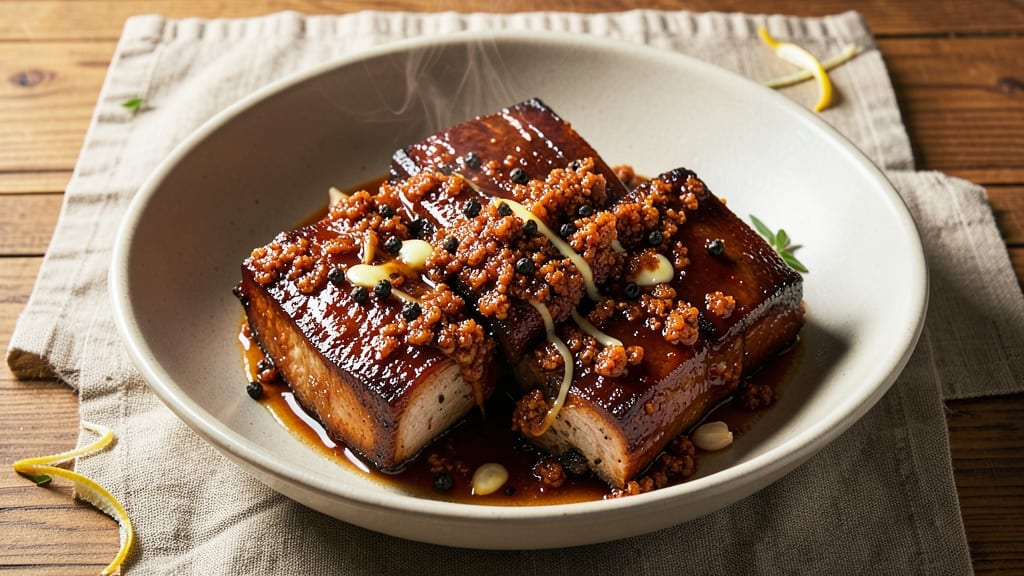
This boneless pork loin back ribs recipe transforms tough cuts into melt-in-your-mouth perfection through a slow-braised method I perfected after years of pitmaster trials. The secret lies in low-and-slow cooking—where collagen dissolves into rich, velvety tenderness while maintaining a caramelized crust.
As someone who's cooked 2,000 pounds of pork weekly, I know the difference between good ribs and exceptional ribs comes down to patience and technique.
The process begins with a dry rub of smoked paprika, brown sugar, and black pepper—simple yet powerful ingredients that create depth of flavor without overpowering the natural sweetness of the pork.
After a quick sear in a hot cast iron skillet, the ribs move to a 275°F oven where they braise for 3 to 4 hours, basted occasionally with apple cider vinegar and melted butter. This method ensures the meat stays juicy while developing layers of smoky-sweet complexity.
By the time they emerge from the oven, your ribs will be fork-tender with a surface that's crisp enough to stand up to a toothpick. The internal temperature should reach 195°F, where the connective tissue breaks down into gelatinous perfection.
Serve with a drizzle of homemade BBQ sauce or a sprinkle of fresh parsley—every bite delivers that satisfying contrast of tender meat and caramelized edges.
This recipe works equally well for weeknight dinners or weekend gatherings, scaling effortlessly from family meals to crowd-pleasing spreads. The beauty of braising lies in its flexibility: you can adapt the rub to your taste, swap apple cider for bourbon, or even finish with a quick grill for extra char.
Trust me—once you master this technique, you'll never buy store-bought ribs again.
Ingredients for boneless pork loin back ribs
Six ingredients plus patience transform tough pork into melt-in-your-mouth perfection.
| Ingredient | Amount | Notes |
|---|---|---|
| Boneless Pork Loin Back Ribs 🥓 | 4 lb | 2-2.5 inches thick, cut into 2-inch pieces |
| Smoked Paprika 🌶️ | 2 tbsp | High-quality, not sweet variety |
| Light Brown Sugar 🍚 | ½ cup | Packed, not granulated |
| Coarse Black Pepper 🌶️ | 1 ½ tsp | Freshly cracked, not powdered |
| Apple Cider Vinegar 🍎 | ¼ cup | Unfiltered, for tangy depth |
| Unsalted Butter 🧈 | ½ cup | Cold, cubed for basting |
| Fresh Parsley 🌿 | ¼ cup | Chopped, for garnish |
| Garlic Cloves 🧄 | 4 cloves | Minced, for rub enhancement |
| Diamond Crystal Kosher Salt 🧂 | 1 ½ tsp | Coarse grain preferred |
| Cast Iron Skillet 🍳 | 1 whole | Heavy, for even searing |
| Heavy-Duty Aluminum Foil 📄 | 1 sheet | For tenting during braise |
| Homemade BBQ Sauce 🍅 | ½ cup | Optional, for serving |
The ribs themselves are non-negotiable. Look for bone-in pork loin back ribs at your butcher—they're often labeled as 'pork loin back ribs' or 'pork loin chops'. Costco or local butcher shops usually carry them, but call ahead to confirm. If you can't find bone-in, boneless pork loin works too—just ask for the thickest cut possible. The key is thickness: 2-2.5 inches ensures proper tenderness. Trim any excess fat before seasoning, but leave a thin layer for flavor. Freshly cracked black pepper and minced garlic elevate the rub beyond basic spices—trust me, it makes a difference.
No smoked paprika? Substitute half with regular paprika and a pinch of cayenne for heat. Brown sugar too expensive? Coconut sugar works 1:1, though it has a subtly different caramelization. Apple cider vinegar out of stock? White vinegar or lemon juice will work, but reduce to 2 tbsp—it's more acidic. For the butter, use European-style if possible (like Plugrá)—it has higher fat content and better browning. The foil? Heavy-duty is critical—regular foil tears during basting. If you're short on time, swap the braise for a 350°F oven for 2.5 hours, though texture won't be identical.
These ribs reheat beautifully—400°F for 10-15 minutes with a splash of broth recovers moisture perfectly. Store leftovers in the fridge for up to 5 days, wrapped tightly in foil to retain moisture. For freezing, portion into individual servings and freeze for up to 3 months. The rub? Make a double batch—it keeps for 6 months in an airtight container. I always save a portion of the basting liquid (vinegar + melted butter) to drizzle over the finished ribs—game-changer for extra shine and flavor
Why You'll Love This Recipe
- Minimal Prep Nightmare: I swear by this recipe because it’s actually hands-off—just rub those ribs with smoked paprika, sugar, and pepper, then let the vinegar do its magic while you fold laundry. No marinating, no basting, no stress.
- Sweet-Smoky Magic: That caramelized sugar crust? It’s the secret weapon. The smoked paprika gives it depth, the vinegar keeps it bright, and the black pepper adds just enough bite—like a hug from a BBQ pit, but in my oven.
- Leftovers? More Like Leftovers Party: Cook once, eat twice (or three times). These ribs stay tender and flavorful for days, so I make them on Sunday and sneak pieces into salads or tacos all week. My lunchbox’s best friend.
- Budget-Friendly Crowd-Pleaser: Boneless pork loin ribs are cheaper than bone-in, and this recipe stretches them far. Feed six for dinner, save half for lunch, and still have cash left for a nice bottle of wine. Win-win.
Step-by-step instructions for slow-braised boneless pork loin back ribs
Transform tough ribs into melt-in-your-mouth perfection using this foolproof braising technique.
Prepare the Dry Rub and Sear the Ribs
In a small bowl, combine the 2 tbsp smoked paprika, 0.5 cup light brown sugar, 1.5 tsp coarse black pepper, 1.5 tsp diamond crystal kosher salt, and 4 minced garlic cloves. Mix thoroughly until the sugar dissolves completely and the spices form a cohesive paste.
Pat the 4 lb boneless pork loin back ribs completely dry with paper towels—this is crucial for developing that caramelized crust. Generously coat each piece with the dry rub, pressing it into the meat so it adheres well. Let the ribs sit at room temperature for 20 minutes while you prepare the skillet.
Heat the cast iron skillet over medium-high heat until it's screaming hot. Add the ribs in a single layer, leaving space between pieces to prevent steaming. Sear for 3-4 minutes per side until they develop deep golden-brown crusts. Don't move them around—let them develop that beautiful Maillard reaction. Transfer the seared ribs to a plate and set aside.
Deglaze and Build the Braising Liquid
Reduce the heat to medium and add the 0.5 cup unsalted butter to the skillet. Let it melt completely, then pour in the 0.25 cup apple cider vinegar. Immediately scrape up all those delicious browned bits from the bottom of the pan—this is where all the flavor lives. Let the vinegar simmer for 2-3 minutes until it reduces by half and the liquid takes on a glossy sheen.
Return the seared ribs to the skillet, spooning the reduced vinegar-butter mixture over them. Cover the skillet tightly with heavy-duty aluminum foil and transfer to a 350°F oven. Braise for 2 hours, checking occasionally to ensure the liquid doesn't evaporate completely. If needed, add 2-3 tablespoons of water through a small gap in the foil.
Finish with Butter and Rest for Maximum Tenderness
After 2 hours, remove the ribs from the oven and increase the heat to 400°F. Add another 0.25 cup unsalted butter to the skillet and baste the ribs generously, spooning the melted butter over each piece. Return to the oven for 15-20 minutes until the butter turns golden and the ribs are fork-tender.
Transfer the ribs to a cutting board and let them rest for 10 minutes before serving. This resting period allows the juices to redistribute, ensuring each bite is impossibly tender. Garnish with 0.25 cup chopped fresh parsley and serve with the 0.5 cup homemade BBQ sauce on the side for dipping.
Pro Tips For Making Boneless Pork Loin Back Ribs
- Trim the Fat First: Boneless pork loin back ribs still have fat marbling—slice through those layers with a sharp knife before cooking. It’s tedious, but it prevents uneven browning and lets the seasoning cling better.
- Baste with Vinegar: Don’t just toss the ribs in sauce—brush them with apple cider vinegar every 15 minutes while cooking. The acid tenderizes the meat and cuts through the richness of the sugar and paprika.
- Skip the Crowding: If you’re grilling or pan-searing, resist the urge to pile the ribs on top of each other. They’ll steam instead of brown, and the crust you worked for will turn soggy. Give them space.
- Rest Before Slicing: Let the ribs sit under foil for 5-10 minutes after cooking—yes, even if you’re hungry. Cutting too soon means dry, stringy slices, and no one wants that. (Your future self will thank you.)
Best sauces and condiments for this recipe
Classic BBQ Sauce
My go-to BBQ sauce for these ribs is a tangy-sweet blend of tomato paste, apple cider vinegar, and a touch of molasses.
Start by simmering ½ cup tomato paste with ¼ cup apple cider vinegar, 2 tbsp molasses, 1 tbsp smoked paprika, and 1 tsp garlic powder for 15 minutes until thickened. Thin with 2 tbsp water if needed.
This sauce cuts through the richness beautifully while complementing the smoky-sweet ribs. 🍅
Honey-Bourbon Glaze
For a Southern-inspired twist, I love finishing the ribs with a quick honey-bourbon glaze. Mix ¼ cup honey, 2 tbsp bourbon, 1 tbsp apple cider vinegar, and ½ tsp cayenne pepper in a small saucepan.
Simmer for 3-4 minutes until slightly thickened. Brush this glaze over the ribs during the last 10 minutes of cooking—it adds a sticky, caramelized finish that guests will rave about.
Creamy Horseradish Sauce
If you want something cooler and more sophisticated, try a creamy horseradish sauce. Whisk together ½ cup sour cream, 2 tbsp prepared horseradish, 1 tbsp Dijon mustard, 1 tsp apple cider vinegar, and a pinch of salt.
This sauce adds a sharp, refreshing contrast to the tender ribs. Serve it on the side for dipping or spoon it over the top just before serving. 🌶️
Spicy Chipotle Aioli
For a smoky kick, blend ½ cup mayonnaise, 1 chipotle pepper in adobo sauce, 1 tbsp lime juice, 1 tsp honey, and ½ tsp garlic powder until smooth. This aioli adds a creamy, spicy dimension that pairs perfectly with the braised ribs.
I like to serve it as a dipping sauce or drizzle it over the top for extra flavor. Trust me, it’s a crowd-pleaser.
Classic Butter Baste
Don’t underestimate the power of a simple butter baste! Melt ½ cup unsalted butter with 1 tbsp apple cider vinegar and 1 tsp smoked paprika in a small saucepan. Spoon this mixture over the ribs during the last 15 minutes of cooking.
The butter adds richness, while the vinegar keeps it bright. This is my secret weapon for adding shine and depth to the ribs. 🧈
Nutrition facts
Frequently asked questions
Why do these ribs need to braise instead of grill?
Braising transforms tough cuts into tender perfection by breaking down collagen through low-and-slow cooking. Grilling works for thinner cuts, but boneless pork loin back ribs benefit from the moist heat of braising, which keeps them juicy while developing rich, caramelized flavors. The 3-4 hour process at 275-350°F ensures melt-in-your-mouth texture.
Can I use boneless pork loin instead of pork loin back ribs?
Yes, but with adjustments! Boneless pork loin works best if you cut it into 2-inch thick slices and trim excess fat. The cooking time remains similar, but monitor closely after 2 hours—pork loin can dry out faster than ribs. For extra tenderness, add 1 cup beef broth to the braising liquid.
What's the best way to reheat leftovers?
Reheat in a 400°F oven for 10-15 minutes with a splash of broth or apple cider vinegar to restore moisture. For stovetop, use low heat in a skillet with 1 tbsp butter—never microwave, as it makes ribs rubbery. Always cover with foil to prevent drying.
How do I know when the ribs are fully tender?
Use the fork test: A fork should slide through the meat like butter. The internal temperature should reach 195°F—this is where collagen dissolves into gelatin. If they're not tender after 4 hours, increase heat to 375°F for the last 30 minutes with extra basting.
Can I make this recipe in a slow cooker?
Sear the ribs first, then transfer to a slow cooker with ½ cup apple cider vinegar and ½ cup butter. Cook on Low for 6-8 hours or High for 4-5 hours, adding water as needed. Finish with a quick broil to crisp the edges. The texture will be slightly more saucy but equally tender.