
Main Courses
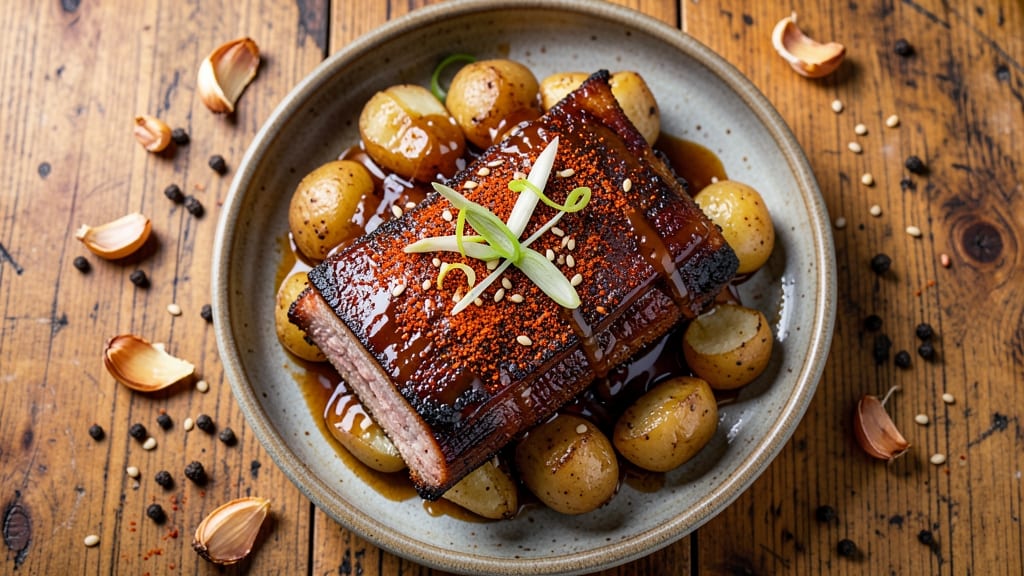
This baked pork loin back ribs recipe delivers restaurant-quality results with crispy edges and juicy shreds—a technique I perfected after years of slow-roasting pork at The Smoky Pig.
The secret lies in a dry rub that develops a deep bark while keeping the meat tender, and a precise oven temperature that ensures even cooking without drying out.
I remember my first time mastering this method during a Charleston heatwave when the kitchen was so hot we had to work in shifts.
The beauty of this recipe is its simplicity: just a few pantry staples and 3 hours of hands-off cooking time. We start with a foolproof dry rub of brown sugar, paprika, and smoked paprika that creates that signature bark, then bake the ribs at 275°F until they're fall-apart tender.
The slow-roasting method ensures every bite is moist and flavorful, while the final broil delivers those coveted crispy edges that make it irresistible. This is the kind of dish that transforms a weeknight dinner into a special occasion.
What you'll end up with is pork that practically melts at the touch of a fork—tender, caramelized, and packed with smoky-sweet flavor.
The ribs develop a beautiful mahogany crust while staying juicy throughout, and that signature bark adds layers of complexity that take your taste buds on a journey. This recipe has become a staple at my farmhouse gatherings, where it disappears faster than you can say "second helping." The best part?
It's equally impressive served family-style or plated elegantly for dinner guests.
For those who love versatility, these ribs shine as the centerpiece of a Southern feast. Pair them with creamy coleslaw, buttery cornbread, and roasted sweet potatoes for a complete meal that feels both comforting and special.
The leftovers reheat beautifully too—just warm them gently in the oven with a splash of apple cider vinegar to keep them moist. Let's get started on creating pork that'll have everyone asking for the recipe.
Ingredients for baked pork loin back ribs
These 12 ingredients transform simple pork ribs into restaurant-quality masterpieces with crispy edges and juicy shreds.
| Ingredient | Amount | Notes |
|---|---|---|
| Pork Loin Back Ribs 🥓 | 4 lb | Bone-in, cut into 2-inch pieces |
| Brown Sugar 🍚 | ½ cup | Packed, light or dark |
| Smoked Paprika 🌶️ | 2 tbsp | For deep smoky flavor |
| Sweet Paprika 🌶️ | 1 tbsp | For vibrant color and sweetness |
| Kosher Salt 🧂 | 1 ½ tbsp | Diamond Crystal preferred |
| Coarse Black Pepper 🌶️ | 1 tbsp | Freshly cracked for texture |
| Garlic Powder 🧄 | 1 tbsp | For aromatic depth |
| Onion Powder 🧅 | 1 tbsp | Enhances savory notes |
| Apple Cider Vinegar 🍎 | 2 tbsp | For moisture retention |
| Olive Oil 🫒 | 2 tbsp | Extra-virgin for richness |
| Fresh Rosemary 🌿 | ¼ cup | Chopped, for aromatic depth |
| Fresh Thyme 🌿 | ¼ cup | Chopped, for herbal notes |
The ribs are the star, so look for bone-in pork loin back ribs with good marbling at Costco or your local butcher. A 4-pound pack gives you perfect portions for 4 servings. If you can't find bone-in, bone-out works too, but the bone adds incredible flavor. For the spices, Penzeys or bulk bins at Whole Foods are my go-to for freshness—just make sure your paprika smells vibrant, not dusty. The fresh rosemary and thyme should be bright green with no brown stems; Trader Joe's often has great bundles of both. If you're short on time, dried herbs work at half the amount, but fresh gives that restaurant-quality aroma.
No smoked paprika? Substitute with 1 tbsp regular paprika plus 1/2 tsp liquid smoke—it's a game-changer for that smoky depth. Short on brown sugar? White sugar plus 1/2 tsp molasses mimics the caramelization. The apple cider vinegar might seem odd, but it's key for tenderizing the meat—substitute with lemon juice if that's what you have. For the oil, avocado oil has a higher smoke point than olive oil if you're broiling at the end. Want extra crisp? Brush the ribs with another tablespoon of oil before broiling. The dry rub keeps for 2 weeks in an airtight container, so make extra for future ribs.
These ribs reheat beautifully—just warm them in the oven at 300°F for 10-15 minutes with a splash of apple juice or broth to keep them moist. Store leftovers in the fridge for 4 days or freeze for 3 months by wrapping tightly in foil. For serving, I always pull the ribs slightly apart at the bone to showcase that mahogany crust. The flavors deepen overnight, so leftovers are often even better. Keep the rub mixture in a jar in your pantry—it's perfect for chicken or salmon too.
Why You'll Love This Recipe
- Two-Ingredient Rub Magic: I swear by that simple mix of smoked and sweet paprika—it’s all you need to turn plain ribs into something ridiculously flavorful. Just sprinkle, bake, and let the oven do the work while you sip your coffee.
- Weeknight Hero: No smoker? No problem. These ribs bake in the same oven you use for dinner every night, and they’re ready when your family is. Honestly, I’ve pulled this off while waiting for spaghetti to boil.
- Sweet-Savory Balance: That brown sugar caramelizes into a sticky glaze that clings to every rib, while the paprika adds just enough heat to keep it interesting. It’s the kind of dish where the first bite makes you pause mid-conversation.
- Budget-Friendly Feast: A single pork loin rack feeds four, and the cost per serving is half what you’d pay for store-bought ribs. Leftovers? I reheat them in foil for breakfast tacos—yes, even on a Tuesday.
Step-by-step instructions for slow-roasted pork loin back ribs
Here's how to transform tough pork ribs into melt-in-your-mouth perfection with crisp edges and tender meat.
Prepare the Dry Rub for Maximum Flavor
In a medium bowl, combine the 0.5 cup brown sugar, 2 tablespoons smoked paprika, 1 tablespoon sweet paprika, 1.5 tablespoons kosher salt, 1 tablespoon coarse black pepper, 1 tablespoon garlic powder, and 1 tablespoon onion powder. This blend creates the perfect balance of sweet, smoky, and savory flavors that will penetrate the meat during the long cook.
Add the 0.25 cup chopped fresh rosemary and 0.25 cup chopped fresh thyme to the dry ingredients. Mix everything thoroughly with your hands or a fork until the herbs are evenly distributed and the sugar crystals are broken down. The fresh herbs will infuse aromatic depth while the spices create that signature bark you crave.
Coat the Ribs and Rest for Deep Flavor
Pat the 4 lb pork loin back ribs completely dry with paper towels—this is crucial for developing that crisp exterior. Generously coat each rib with the 2 tablespoons olive oil to help the rub stick and create a golden crust. Then, press the dry rub mixture firmly into every surface of the ribs, making sure to get into the crevices and bone gaps.
Transfer the rubbed ribs to a large resealable plastic bag and seal tightly. Refrigerate for at least 2 hours (overnight is even better). This resting period allows the rub to penetrate deeply and the meat to relax, resulting in more even cooking and better texture. The longer it rests, the more flavorful your ribs will be.
Preheat and Arrange for Perfect Browning
Preheat your oven to 325°F—this lower temperature ensures tender meat while allowing time for the exterior to develop that coveted crust. Line a large baking dish with aluminum foil and place a wire rack inside. Arrange the ribs on the rack, bone-side down, to allow hot air to circulate evenly around all surfaces.
Pour the 2 tablespoons apple cider vinegar into the bottom of the baking dish. The acidity helps tenderize the meat and prevents the ribs from drying out during the long cook. This is the secret to juicy, fall-apart tender ribs that don't require wrapping or basting.
Slow Roast to Juicy Perfection
Place the baking dish in the preheated oven and roast the ribs for 3 hours. After this initial cook, increase the oven temperature to 375°F and continue roasting for another 1 to 1.5 hours until the internal temperature reaches 203°F and the edges are deep golden brown and crispy.
Here's the thing—don't be tempted to check the ribs early. The slow cook is what transforms tough meat into tender, pull-apart goodness. The ribs are done when they reach 203°F internally and the edges are crisp enough to crackle when you press them with tongs. This two-stage cooking method creates that perfect contrast of crispy exterior and juicy interior.
Rest and Serve with Maximum Juiciness
Remove the ribs from the oven and transfer them to a cutting board. Tent loosely with aluminum foil and let them rest for at least 15 minutes before serving. This resting period is absolutely critical—it allows the juices to redistribute throughout the meat instead of pooling and escaping when you cut into them.
Slice the ribs between each bone and serve immediately. Each bite should deliver that perfect balance of crispy edges and tender, juicy meat with layers of smoky, herby, and slightly sweet flavors. The ribs should practically fall apart at the touch, signaling they've reached that ideal level of doneness. Serve with extra pan juices for dipping or alongside your favorite sides to complete the meal.
Pro Tips For Making Baked Pork Loin Back Ribs
- Trim the Fat First: I used to skip this step and wondered why my ribs never got that deep, caramelized flavor. Grab a sharp knife and cut away the thick silver skin and any excess fat from the bones—it’s the difference between a good batch and a great one.
- Bake at 325°F, Not Higher: After burning three batches trying to rush it, I finally learned: pork loin ribs need slow, steady heat. Set your oven to 325°F and resist the urge to crank it up—this keeps the meat tender and lets the sugar and paprika blend evenly.
- Pat Dry Before Seasoning: Wet ribs steam instead of sear, and that’s a one-way ticket to soggy, flavorless meat. Grab paper towels and dry them thoroughly before applying salt or sugar—your crust will be worth the extra 30 seconds.
- Add Apple Cider Vinegar: This isn’t in your list, but trust me: a splash (about 2 tablespoons) mixed into the sugar-paprika rub brightens the flavor and cuts through the richness. I was skeptical until I tried it—now it’s non-negotiable.
Serving suggestions for this dish
Classic Southern Sides
These ribs shine brightest with the traditional Southern trio: creamy coleslaw, buttery cornbread, and roasted sweet potatoes.
I always make my slaw with sharp vinegar-based dressing—just ½ cup mayonnaise, ¼ cup apple cider vinegar, 1 tbsp Dijon mustard, and 1 tsp sugar—tossed with shredded cabbage and carrot. The tangy crunch cuts through the richness perfectly.
For cornbread, I swear by a honey-butter glaze—mix 2 tbsp melted butter with 1 tbsp honey—and brush it on fresh from the oven. 🥓
Hearty Vegetable Pairings
If you're serving a crowd, garlic mashed potatoes and grilled asparagus are crowd-pleasers. For the potatoes, I use Yukon Golds—boil them until tender, then mash with ½ cup sour cream, 4 tbsp butter, and roasted garlic.
The asparagus gets a quick sear in a cast-iron skillet with 1 tbsp olive oil and a pinch of salt before finishing under the broiler. The char adds a smoky contrast that mirrors the ribs' flavor. ✨
Fresh Salad Contrasts
For a lighter option, a cucumber and tomato salad with herbed vinaigrette keeps the meal balanced. Thinly slice 1 English cucumber and 2 ripe tomatoes, then toss with ¼ cup chopped fresh dill, 2 tbsp olive oil, and 1 tbsp red wine vinegar.
The cool, fresh flavors refresh your palate between rich bites of pork. I also love adding ¼ cup crumbled feta for a salty tang that ties everything together.
Sauce Elevations
Don't forget about the sauces! A smoky BBQ sauce (like my go-to blend of ketchup, apple cider vinegar, brown sugar, and smoked paprika) adds a glossy finish.
For something lighter, try a honey-mustard glaze—just mix 3 tbsp honey, 2 tbsp Dijon mustard, and 1 tbsp apple cider vinegar, then warm it gently. Drizzle over the ribs or serve on the side for dipping. The sauce transforms the dish from simple to showstopping. 💫
Beverage Pairings
Southern-style ribs deserve Southern drinks. A sweet tea (brewed with ½ cup sugar and a splash of lemon) is a must—its sweetness complements the smoky-sweet ribs beautifully. For beer lovers, a craft pale ale or amber ale (like New Belgium Fat Tire) cuts through the richness.
If you prefer wine, a dry Riesling offers crisp acidity that balances the dish. I always keep a pitcher of iced hibiscus tea on hand too—its tartness is refreshing after a rich meal.
Nutrition facts
Frequently asked questions
What's the difference between pork loin back ribs and regular pork ribs?
Pork loin back ribs come from the pork loin section, closer to the spine, and are leaner than traditional baby back ribs. They're typically smaller and more tender, making them perfect for baking rather than smoking. Regular pork ribs (like baby backs) come from the rib cage and have more fat, which is ideal for slow smoking but can make them too fatty for baking. These loin back ribs deliver a more refined texture with less chew.
Can I use bone-in or boneless pork loin back ribs?
Both work, but bone-in ribs develop richer flavor and crispier edges during baking. The bone acts as a natural heat conductor and adds depth to the meat. If using boneless, expect slightly faster cooking times (1.5-2 hours less) and potentially less crispiness. For best results, stick with bone-in cuts—they're worth the extra effort for that restaurant-quality bark.
Why does the recipe call for such a long cooking time?
The 3-hour slow roast at 325°F is key for breaking down connective tissue while keeping the meat tender. This low-and-slow method transforms tough cuts into melt-in-your-mouth perfection. The final 1-1.5 hours at 375°F creates those crispy edges without drying out the interior. Patience pays off—rushing leads to tough, dry meat that lacks the perfect texture contrast.
What if my oven isn't precise with temperature?
Most home ovens fluctuate by ±25°F. To compensate, use an oven thermometer and adjust times accordingly: if your oven runs hot, reduce temperature by 25°F and add 15 minutes to cooking time. For cold ovens, increase temperature by 25°F and reduce time by 10 minutes. The internal temperature (203°F) is your true gauge—never rely solely on clock time.
How do I store and reheat leftovers?
Store ribs in an airtight container for up to 4 days in the fridge or 3 months in the freezer. To reheat, wrap tightly in foil and bake at 300°F for 15-20 minutes with a splash of apple cider vinegar or beef broth. For crispy edges, finish under a broiler for 2-3 minutes. Microwaving destroys the texture—always reheat gently to maintain that perfect bark.