
Main Courses
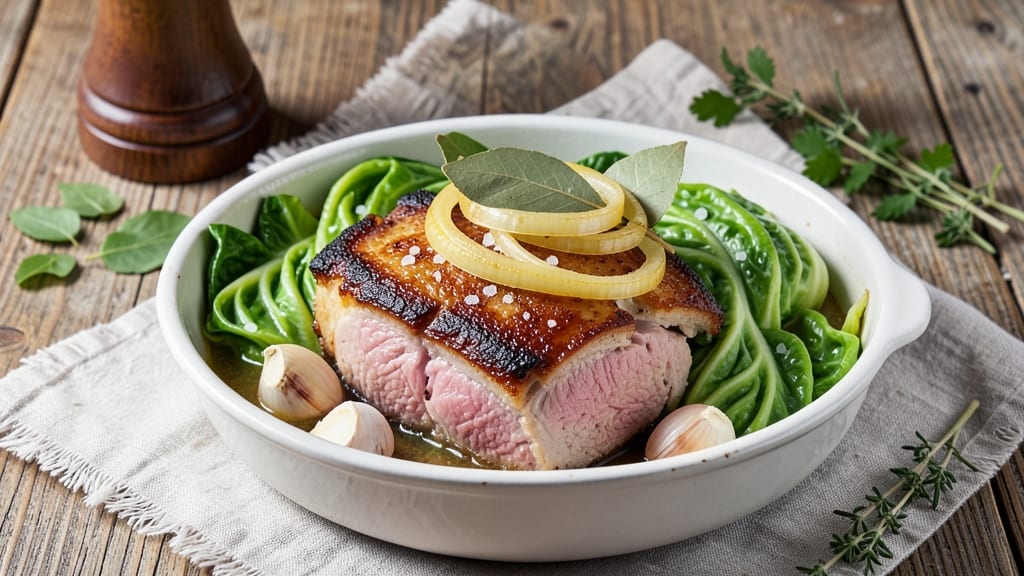
This boiled pork and cabbage recipe brings the comforting warmth of Irish stew tradition to your kitchen with its rich, hearty simplicity. Growing up in small-town Georgia, I learned how pork transforms into tender, flavorful bites when cooked low and slow with cabbage's natural sweetness.
The key lies in selecting the right cut—pork shoulder delivers the best balance of meaty satisfaction and melt-in-your-mouth tenderness.
What makes this dish truly special is its ability to adapt while maintaining authenticity. You can keep it traditional by boiling the pork and cabbage together in a single pot, or modernize it with a braised approach that develops deeper flavors.
The cabbage softens beautifully while absorbing the pork's savory juices, creating a dish that's both nourishing and deeply satisfying. Seasoning is minimal but purposeful—just salt, pepper, and perhaps a bay leaf to let the natural flavors shine.
By the time you serve this dish, you'll have tender pork that practically falls apart at the touch, surrounded by cabbage that's just tender enough to hold its shape. The broth becomes rich and flavorful, perfect for serving alongside crusty bread or potatoes.
This is the kind of meal that feels like a hug in a bowl—simple to prepare but impossible to resist.
Perfect for family dinners or holiday gatherings, this recipe scales beautifully without losing its homestyle charm. The leftovers reheat just as well, making it an ideal make-ahead option for busy weeks. Let's get cooking with this timeless classic that brings comfort and tradition to your table.
Ingredients for boiled pork and cabbage
Twelve simple ingredients transform into a hearty Irish-inspired stew that feels like home.
| Ingredient | Amount | Notes |
|---|---|---|
| Pork Shoulder 🥩 | 3 lb | Bone-in for maximum flavor |
| Green Cabbage 🥬 | 1 whole | Heavier heads preferred |
| Yellow Onion 🧅 | 1 whole | Medium-sized, sliced |
| Garlic Cloves 🧄 | 4 cloves | Smash slightly for aroma |
| Bay Leaves 🌿 | 2 whole | Fresh for best flavor |
| Kosher Salt 🧂 | 1 ½ tsp | Adjust to taste |
| Freshly Ground Black Pepper 🌶️ | ½ tsp | Cracked peppercorns preferred |
| Cold Water 💧 | 8 cups | Enough to cover pork |
| Russet Potatoes 🥔 | 4 medium | Peeled, cut into chunks |
| Crusty Bread 🍞 | 1 loaf | For serving, optional |
| Apple Cider Vinegar 🍎 | 1 tbsp | Brightens flavors |
| Fresh Parsley 🌿 | ¼ cup | Chopped for garnish |
The pork shoulder is non-negotiable here—bone-in delivers the richest flavor as it simmers. Look for well-marbled cuts at Whole Foods or your local butcher shop, especially around St. Patrick's Day when they often carry Irish-style pork. If you can't find bone-in, a pork butt roast works too, just trim any excess fat. The cabbage should be firm and heavy for its size—green cabbage is traditional, but red adds a pretty color. For extra authenticity, grab a few Dutch oven if you don't own one—they're perfect for this deep-dish approach.
No bay leaves? Dried thyme at half the amount works in a pinch, though fresh bay has that unmistakable aroma. Running low on apple cider vinegar? Lemon juice or white wine vinegar brightens just as well. The potatoes can be swapped for carrots or turnips if you prefer—just adjust cooking time. For a modern twist, add smoked paprika to the broth or swap the parsley for chives. The crusty bread? Sourdough or Irish soda bread from the bakery section elevates this dish to restaurant-level comfort.
This stew only gets better with time—2-3 days in the fridge is ideal as flavors meld beautifully. Freezes for up to 3 months if you want to make a big batch, though I recommend reheating slowly on the stove. Store the broth separately if you prefer it less diluted. The pork practically falls apart, so portion it carefully. For serving, I always keep a jar of homemade mustard and a wedge of sharp cheddar on hand—trust me, they take this from good to legendary.
Why You'll Love This Recipe
- One-Pot Magic: I swear by this for lazy nights—just toss everything in a pot, add water, and walk away. The cabbage softens while the pork stays juicy, no fussing required.
- Garlic-Infused Comfort: That slow simmer with garlic and bay leaves? Pure satisfaction. The pork absorbs the flavors until every bite is rich, savory, and just a little herby—no heavy sauces needed.
- Leftovers That Shine: Between us, this dish begs to be made extra. The flavors deepen overnight, and reheated slices of pork with cabbage are my go-to for quick lunches—no sad, dry leftovers here.
- Budget Meal for Crowds: Pork shoulder stretches forever, and cabbage is dirt cheap. Honestly, I’ve fed six people for under $15 with this—plus, it’s the kind of dish that makes everyone ask for seconds.
Step-by-step instructions for hearty Irish stew
Transform humble ingredients into a soul-warming stew that's rich, tender, and brimming with homey flavor.
Prepare and Season the Pork Shoulder
Start by examining the 3 lb pork shoulder for any excess fat or silver skin. Trim away any large fat deposits, leaving about ¼ inch of fat cap for flavor, but remove any yellowish or discolored areas. Pat the meat dry with paper towels—this ensures better seasoning and browning later.
In a small bowl, combine 1.5 tsp kosher salt and 0.5 tsp freshly ground black pepper. Rub this mixture all over the pork shoulder, pressing firmly so the seasoning adheres. The salt will begin to draw out moisture, which is why we'll add the pork to the pot later rather than immediately. Place the seasoned pork in the refrigerator uncovered on a wire rack for 1 hour to dry further and develop a better crust.
Build the Flavor Base
Remove the pork from the refrigerator and place it in a large, heavy-bottomed pot. Add the 8 cups cold water, ensuring the pork is fully submerged. Bring the water to a gentle simmer over medium heat, then reduce to a low boil. Skim off any foam or impurities that rise to the surface using a large spoon—this creates a cleaner broth.
While the pork simmers, prepare the aromatics. In a small bowl, combine the 1 whole yellow onion (sliced into wedges), 4 cloves garlic cloves (lightly smashed), and 2 whole bay leaves. Add these to the pot along with 1 tbsp apple cider vinegar. The vinegar brightens the flavors and helps tenderize the meat. Let the pork simmer uncovered for 1 hour, stirring occasionally to prevent the meat from sticking to the bottom.
Add Potatoes and Cabbage
After the pork has simmered for 1 hour, use tongs to remove it from the pot and set it aside on a plate. Peel and cut the 4 medium russet potatoes into 1-inch chunks, and quarter the 1 whole green cabbage into wedges, removing the tough outer leaves. Add the potatoes to the pot and return the pork to the liquid. Bring everything back to a gentle simmer.
Simmer for 30 minutes, then add the cabbage wedges. The cabbage should cook just until tender—about 15-20 minutes. You want it to retain a slight bite, not turn mushy. If the liquid reduces too much before the cabbage is done, add ½ cup hot water to maintain the right consistency. The stew should be rich and flavorful, with the pork falling apart easily when tested with a fork.
Finish and Serve
Once the cabbage is tender and the pork is fork-tender, remove the pot from heat. Discard the bay leaves and any large pieces of onion or garlic. Ladle the stew into bowls, ensuring each serving has a generous portion of pork, potatoes, and cabbage. Garnish each serving with 0.25 cup chopped fresh parsley for a pop of color and freshness.
Serve immediately with 1 loaf crusty bread on the side for soaking up the delicious broth. The stew will taste even better the next day as the flavors meld further, but the bread is best enjoyed fresh. This hearty Irish stew is a celebration of simplicity—where every ingredient plays a vital role in creating a dish that's both comforting and deeply satisfying.
Pro Tips For Making Boiled Pork And Cabbage
- PARBOIL PORK FIRST: I learned this the hard way—skipping the initial boil makes the meat tough. Simmer the pork shoulder in salted water for 20 minutes before adding cabbage, then finish slow-cooking. This breaks down collagen early and keeps the meat fork-tender.
- CORE THE CABBAGE: Cutting whole cabbage wedges is lazy and uneven. Split the head in half, remove the tough core, then slice each half into 6-8 even wedges (like a wheel). They’ll cook faster and soak up flavors better—no more half-raw centers.
- DON’T CROWD THE POT: I used to pack everything in like sardines, and the pork ended up gray and waterlogged. Leave 1 inch of space between pork and cabbage wedges when boiling. Tight quarters = uneven cooking and sad texture.
- SAUTÉ ONIONS BEFORE ADDING: Raw onions just float and turn mushy. Sear 1 diced onion in a dry pan for 3 minutes until golden, then toss it in with the cabbage and pork during the final 10 minutes. The caramelized flavor cuts through the richness of the pork—worth the extra 5 minutes.
Creative variations of these flavors
Irish Country Style
This is the classic version I grew up with in Georgia, where our Irish neighbors taught us to braise the pork first for deeper flavor. Start by searing the 3 lb pork shoulder in a Dutch oven until golden brown on all sides.
Remove and set aside. In the same pot, sauté 1 sliced yellow onion and 4 smashed garlic cloves until soft, then add 1 cup apple cider vinegar and 4 cups water. Return the pork to the pot, cover, and simmer for 2 hours at 325°F.
Add 1 whole cabbage (cut into wedges) and 4 potatoes (chunked) in the last 30 minutes. The slow braise creates a rich, tender result that's miles ahead of simple boiling. 🥩
German Sauerkraut Twist
Swap the green cabbage for 2 lbs sauerkraut (drained and rinsed) and add 1 tsp caraway seeds to the broth for a distinctly German flavor profile. I like to use pork knuckle instead of shoulder for this version—it stays more intact and absorbs the tangy sauerkraut beautifully.
Simmer the pork in 4 cups water with 1 bay leaf and 1 tbsp vinegar for 2.5 hours, then add the sauerkraut and potatoes for the final 45 minutes. The result is a tangy, hearty stew perfect with dark rye bread. 🥬
Southern Smoked Pork
For a true Southeast twist, start by smoking the pork shoulder with cherry wood chips until it reaches 195°F internal temperature. Shred the pork and mix it with the cabbage and potatoes in the pot.
Add ½ cup smoked paprika and 1 tsp liquid smoke to the broth for that unmistakable BBQ flavor. Simmer everything together for 1 hour to let the smoky flavors meld. This version tastes even better the next day—great for meal prep! 🔥
Winter Root Vegetable
Swap the potatoes for 2 parsnips, 2 carrots, and 1 rutabaga (all cut into chunks) for a winter-friendly variation. Add 1 tsp ground ginger and 1 star anise pod to the broth for warmth. The root vegetables add natural sweetness that pairs beautifully with the pork.
Simmer the pork for 1.5 hours, then add the vegetables and cabbage for the final 25 minutes. Garnish with fresh thyme instead of parsley for an elegant touch. ❄️
Spicy Cajun Kick
Turn this into a Cajun-inspired boil by adding 1 tbsp Cajun seasoning (like Tony Chachere's) and ½ tsp cayenne pepper to the broth. Use andouille sausage alongside the pork shoulder for extra depth.
Serve with cornbread instead of crusty bread, and garnish with sliced green onions. The heat cuts through the richness perfectly, making this a great dish for cooler evenings. 🌶️
Nutrition facts
Frequently asked questions
Can I use pork ribs instead of pork shoulder?
Pork ribs work beautifully—just adjust the cooking time. Bone-in ribs will need about 1.5-2 hours of simmering to become tender, while bone-in pork shoulder typically takes 1-1.5 hours. The ribs will stay more intact, making them perfect for serving whole or pulling apart. The cabbage and potatoes will still cook in the same final 30-45 minutes as usual.
How do I keep the cabbage from turning mushy?
Cabbage gets mushy when overcooked. Start adding it only in the last 15-20 minutes of cooking, and keep the broth at a gentle simmer—not a rolling boil. If your pot gets too dry, add ½ cup hot water instead of cold. Also, choose a heavy pot like a Dutch oven to distribute heat evenly. The goal is tender-crisp, not soft!
Can I make this recipe in an Instant Pot?
Yes! Sear the pork shoulder first, then add all ingredients (except potatoes) and cook on high pressure for 40 minutes. Quick-release the pressure, add potatoes, and cook on high pressure for 5 minutes more. The cabbage will soften during this time. The Instant Pot version is 40% faster but yields slightly less tender meat than stove-top simmering.
What's the best way to reheat leftovers?
Reheat gently on the stove over low heat with a splash of water or broth to prevent drying. Microwave in 30-second bursts, stirring between each, to avoid rubbery pork. Leftovers actually improve in flavor—this stew tastes even better the next day as the flavors meld! Store for up to 3 days in the fridge or 3 months frozen.
Why does my broth taste bland?
Bland broth usually means insufficient seasoning or skimping on aromatics. Always use cold water to start (hot water cooks the pork too quickly), and don't skip the apple cider vinegar—it brightens flavors. For extra depth, add a parmesan rind or 1 tsp smoked salt during the last 30 minutes of cooking. Skim foam regularly too!