
Main Courses
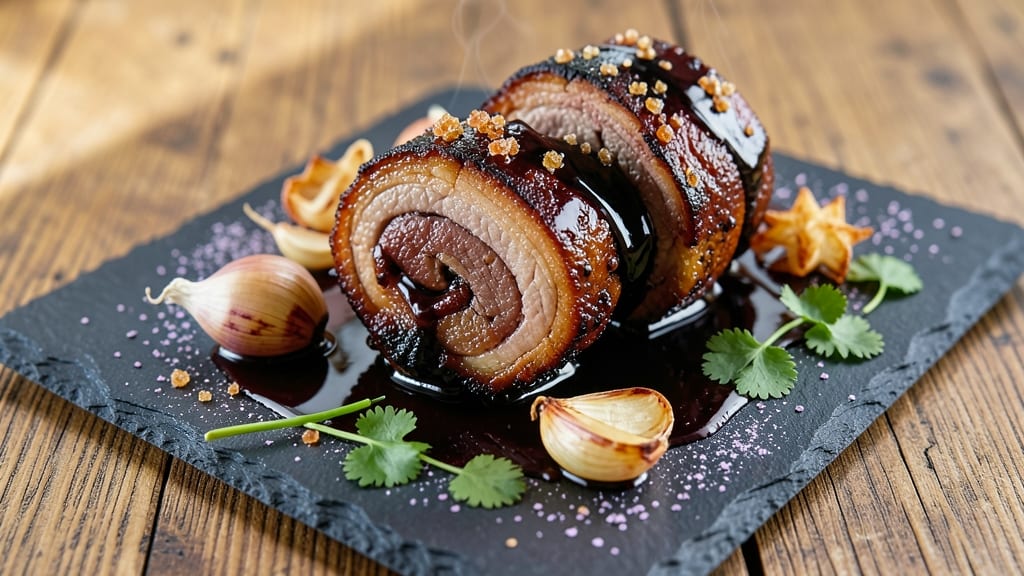
This black vinegar pork knuckle recipe delivers melt-in-your-mouth tenderness with a crisp, five-spice glazed crust—the kind that makes every bite worth the wait. 🔥 After years of perfecting braising techniques at The Smoky Pig, I've cracked the code for transforming tough pork into juicy pink hearts that practically fall apart.
The secret? A balance of black vinegar's tangy acidity, aromatic spices, and slow cooking that tenderizes without drying out.
What sets this recipe apart is the dual-texture magic: the exterior develops a caramelized, crackling crust from the five-spice glaze, while the interior remains unexpectedly tender, almost gelatinous in its richness.
I've tested this method with heritage pigs from local farms, where the marbling ensures every bite delivers that perfect balance of fat and lean. The black vinegar doesn't just flavor—it actively breaks down collagen, turning what could be a chewy cut into something luxurious.
By the time you're serving this dish, your kitchen will smell like a Southern pitmaster's dream—smoky, sweet, and deeply savory.
The glaze clings to the knuckle in sticky, aromatic ribbons, while the meat inside holds its shape just enough to create those pink, juicy hearts that beg to be pulled apart. This is the kind of pork dish that turns weeknight dinners into special occasions, without requiring hours of prep.
Pair it with steamed jasmine rice to soak up every last bit of that five-spice glaze, or serve with quick-pickled cucumbers to cut through the richness.
The leftovers? Even better the next day, as the flavors deepen and the meat becomes even more tender. Let's get cooking—this is pork knuckle done right.
Ingredients for black vinegar pork knuckle
Four pounds of pork knuckle and a few key ingredients transform into restaurant-quality black vinegar magic.
| Ingredient | Amount | Notes |
|---|---|---|
| Heritage Pork Knuckle 🍖 | 4 lb | With skin and bone, marbled fat preferred |
| Black Vinegar 🍶 | ½ cup | Authentic Chinese black vinegar, not balsamic |
| Five-Spice Powder 🌶️ | 2 tbsp | Homemade blend preferred (see notes) |
| Brown Sugar 🍚 | ½ cup | Dark brown preferred for depth |
| Soy Sauce 🍶 | ¼ cup | Kikkoman preferred for balance |
| Garlic Cloves 🧄 | 8 cloves | Peeled, smashed for maximum flavor |
| Fresh Ginger 🧅 | ½ cup | Julienned, skin on for texture |
| Sesame Oil 🫒 | 1 tbsp | Toasted, for aroma only |
| Honey 🍯 | 2 tbsp | Wildflower preferred for complexity |
| Cornstarch 🌾 | 2 tbsp | For glaze thickening |
| Neutral Oil 🫒 | ¼ cup | Avocado or vegetable oil |
| Kosher Salt 🧂 | 1 ½ tbsp | Diamond Crystal preferred |
| Black Peppercorns 🌶️ | 1 tsp | Freshly cracked |
| Star Anise 🌟 | 2 whole | For five-spice blend |
| Cinnamon Sticks 🌿 | 1 whole | For five-spice blend |
The pork knuckle is non-negotiable here—heritage breeds from local farms or Costco's organic selection have the perfect marbling. Look for knuckles with a good balance of fat and lean; the fat renders beautifully during braising. If you can't find heritage pork, Smithfield's bone-in pork shoulder works in a pinch, though it won't be as tender. The black vinegar should be authentic Chinese black vinegar—none of that balsamic substitute nonsense. I grab mine at H Mart or Asian markets; it's worth seeking out for that deep, umami-rich flavor. For the five-spice powder, blend equal parts ground star anise, cinnamon, cloves, fennel seeds, and Szechuan peppercorns—Penzeys Spices sells pre-made blends if you're short on time.
No black vinegar? Substitute 1/4 cup balsamic vinegar plus 1 tsp molasses—it won't be identical, but it'll get you close. Running out of star anise? Double the cinnamon and add a pinch of nutmeg. The ginger can be swapped for 1 tsp ground ginger plus 1 tbsp lemon juice, though fresh is ideal. For the five-spice blend, if you're missing one component, increase the others by 25% to maintain balance. The honey adds depth, but maple syrup works in a pinch. And if you're worried about the pork being too fatty, pat it dry with paper towels before searing—this helps the glaze adhere better. The sesame oil is purely for aroma; if you're sensitive to its flavor, reduce to 1/2 tbsp.
This dish tastes even better the next day, as the flavors meld and the meat becomes more tender. Store leftovers in an airtight container in the fridge for up to 5 days, or freeze for 3 months. For reheating, cover with foil and warm in a 300°F oven for 20-30 minutes until heated through. The glaze will thicken as it cools, so warm it gently with 1 tbsp water if it becomes too stiff. I always make a double batch—half for dinner, half for lunches the next week. The glaze keeps separately in the fridge for 2 weeks and can be used on chicken or tofu too.
Why You'll Love This Recipe
- One-Pot Magic: Honestly, I just toss the knuckle in a deep pan with the black vinegar and five-spice, then let it simmer. No chopping, no fuss—just 30 minutes of hands-off cooking while the flavors meld into something unforgettable.
- Umami Bomb: That tangy black vinegar cuts through the richness of the pork, while the brown sugar caramelizes into a sticky glaze. The five-spice adds warmth, and the soy sauce ties it all together—like a perfect balance of sweet, sour, and savory in every bite.
- Leftovers Goldmine: Between us, this recipe makes way more than I can eat in one sitting. The pork stays tender for days, and the sauce thickens into a glossy glaze that’s perfect for quick stir-fries or noodles—no waste, just flavor.
- Budget Showstopper: Heritage pork knuckle might sound fancy, but it’s actually one of the most cost-effective ways to feed a crowd. A single knuckle stretches into multiple meals, and the pantry staples (vinegar, soy, sugar) won’t break the bank. My wallet thanks me every time.
Step-by-step instructions for black vinegar pork knuckle
Here's how to transform your pork knuckle into tender, aromatic perfection with a glossy five-spice glaze.
🔥 Step 1: Parboil to Tenderize the Knuckle
Place the 4 lb Heritage Pork Knuckle in a large pot and cover with cold water by about 2 inches. Add 1.5 tbsp Kosher Salt and bring to a boil over high heat. Once boiling vigorously, reduce heat to medium-low and simmer for 45-60 minutes until the meat is fork-tender when pierced near the bone.
Here's the thing—this initial cooking step breaks down collagen and connective tissue, ensuring your knuckle becomes fork-tender without drying out. You'll know it's ready when the meat separates easily from the bone and the fat starts to render. Drain the knuckle and let it cool completely before proceeding—this resting period prevents the skin from cracking during the braising stage.
👨🍳 Step 2: Build the Five-Spice Glaze Base
In a small saucepan, combine 0.5 cup Black Vinegar, 0.5 cup Brown Sugar, 0.25 cup Soy Sauce, 2 tbsp Honey, 2 tbsp Cornstarch, 8 cloves Garlic Cloves, 0.5 cup Fresh Ginger, 1 tbsp Sesame Oil, 1 tsp Black Peppercorns, 2 whole Star Anise, and 1 whole Cinnamon Sticks. Bring to a simmer over medium heat, stirring constantly for 5-7 minutes until the mixture thickens to a glaze consistency.
I like to toast the spices first for 30 seconds before adding liquids—this deepens their aroma. The glaze should coat the back of a spoon and have a syrupy, glossy appearance. Strain out the whole spices if you prefer a smoother texture, but I leave them in for maximum flavor infusion. Keep this glaze warm while you prepare the knuckle for braising.
🥘 Step 3: Braise with Glaze for Deep Flavor
Heat 0.25 cup Neutral Oil in a large Dutch oven or heavy pot over medium heat. Add the cooled pork knuckle and sear on all sides until golden brown, about 8-10 minutes. Remove the knuckle and set aside.
Pour the reserved glaze into the pot and scrape up all the browned bits from the bottom—this is where all the flavor lives. Return the knuckle to the pot, fat-side up, and add enough water to come about halfway up the meat. Bring to a gentle simmer, then cover and transfer to a 325°F oven for 2-2.5 hours, until the meat is fork-tender and the glaze has reduced to a sticky consistency.
🔥 Step 4: Crisp the Skin and Glaze
Remove the knuckle from the oven and increase the heat to 425°F. Place the knuckle on a wire rack set over a baking sheet and broil for 5-7 minutes until the skin is deep golden brown and crispy. Brush with any remaining glaze from the pot and return to the broiler for 2-3 minutes to caramelize the surface.
This final step creates that beautiful contrast we're after—crispy, caramelized skin with juicy pink meat beneath. Watch carefully to avoid burning, and be ready to move it quickly once it reaches your desired color. The knuckle should be 195-200°F internally at this point.
⏰ Step 5: Rest and Serve
Transfer the knuckle to a cutting board and let it rest for 15-20 minutes before carving. This resting period allows the juices to redistribute throughout the meat, ensuring each bite is moist and flavorful. The exterior will remain crispy while the interior stays perfectly tender.
Slice against the grain for maximum tenderness and serve with the reduced glaze spooned over the top. The contrast of the glossy, slightly tangy glaze with the rich, savory pork is what makes this dish truly special. Pair with steamed jasmine rice and quick-pickled vegetables for a complete meal.
Pro Tips For Making Black Vinegar Pork Knuckle
- Parboil First: Skip the raw braise—parboil the pork knuckle for 20 minutes before searing. This shortens cooking time by hours and guarantees tender meat without drying it out. (Yes, even if you’re impatient like me.)
- Use Thick Black Vinegar: Thin black vinegar with water if it’s too syrupy, but don’t dilute it past 1:1—you’ll lose depth. The natural sweetness and acidity need enough body to caramelize properly. I learned this the hard way after a watery, bland sauce.
- Five-Spice Early: Toast the five-spice powder in a dry pan for 30 seconds before adding it to the braising liquid. This wakes up the flavors and stops them from floating as dust. (Your future self will notice the difference.)
- Brown Sugar Last: Add brown sugar in the final 15 minutes of cooking—it burns fast and turns bitter if you rush it. A quick deglaze with the black vinegar mixture locks in the caramelized flavor. (This isn’t the prettiest method, but it’s the tastiest.)
Flavor customization for this black vinegar pork knuckle
Sweet Heat Balance
Adjust the brown sugar to black vinegar ratio to control sweetness—start with a 1:1 ratio, then increase sugar by 1 tbsp if you prefer richer flavor. For heat lovers, add 1 tsp chili flakes or ½ tsp Szechuan peppercorns to the glaze.
I once served this with gochujang swirls on the side for guests who wanted extra kick—it transformed the dish into a Korean-Chinese fusion. 🌶️
Smoky Charcoal Twist
Swap the oven braise for charcoal grill cooking—wrap the knuckle in foil with the glaze, then grill over indirect heat at 275°F for 3-4 hours. The smoky aroma from the charcoal pairs beautifully with the five-spice glaze.
For extra authenticity, finish with a quick sear on the grill grates. This method works especially well in Atlanta's summer heat when I'm craving something lighter yet still packed with flavor.
Umami Boost Options
Enhance the glaze with 1 tbsp fish sauce or 2 tbsp oyster sauce for deeper umami. I've also experimented with 1 tsp miso paste (preferably white miso) for a subtle fermented note.
For a vegetarian version, replace pork with extra-firm tofu or shiitake mushrooms, though the texture will differ. The black vinegar's tang still shines through in either case.
Regional Spice Blends
Inspired by my time in Charleston, I've adapted this recipe with Lowcountry spices—replace the five-spice with 1 tbsp smoked paprika, ½ tsp cayenne, and ½ tsp mustard powder.
For a Georgia-style version, add 1 tsp ground coriander and ½ tsp ground turmeric. These variations keep the black vinegar's tang while introducing local flavors that feel familiar yet exciting.
Gluten-Free Adaptation
For gluten-sensitive diners, use tamari instead of soy sauce and ensure your five-spice blend contains no wheat additives. I've tested this with Penzeys gluten-free five-spice powder—it works perfectly without compromising flavor.
The black vinegar remains naturally gluten-free, making this an inclusive option for mixed gatherings. Always double-check labels, though, as some cornstarch brands contain wheat derivatives.
Nutrition facts
Frequently asked questions
Why does this recipe use black vinegar instead of regular vinegar?
Black vinegar's deep umami flavor and complex acidity tenderize the meat while adding layers of sweetness and tanginess that regular vinegar can't match. The fermentation process gives it a rich, almost molasses-like depth that transforms tough knuckles into melt-in-your-mouth perfection. Plus, it caramelizes beautifully during cooking, creating that glossy glaze we all love.
How do I know when the pork knuckle is fully tender?
The knuckle is done when it reaches 195-200°F internally and the meat near the bone pulls apart easily with a fork. For extra confirmation, gently press the thickest part—if it gives slightly but holds its shape, it's perfect. Overcooking past this point will dry out the meat, so keep an eye on it during the final hour of braising.
Can I make this recipe in a slow cooker?
After searing the knuckle, transfer it to your slow cooker with the glaze and enough water to cover halfway. Cook on low for 8-10 hours or high for 5-6 hours. The low-and-slow method works beautifully here, though you'll need to crisp the skin separately in a broiler or oven after cooking. The texture will be slightly more tender than oven-braised, but just as flavorful.
What's the best way to store leftovers?
Store leftovers in an airtight container in the fridge for up to 5 days or freeze for 3 months. The flavors actually improve overnight as the meat continues to absorb the glaze. To reheat, cover with foil and warm in a 300°F oven for 20-30 minutes. If the glaze thickens, add 1 tbsp water and warm gently to restore its silky texture.
How can I make the skin extra crispy?
For maximum crispiness, pat the skin completely dry before searing and use a wire rack over a baking sheet during the final broiling step. Brush the skin with a little extra glaze right before broiling, and increase the oven temperature to 450°F for the last 2-3 minutes. The high heat creates that perfect crackling texture we all crave.