
Side Dishes
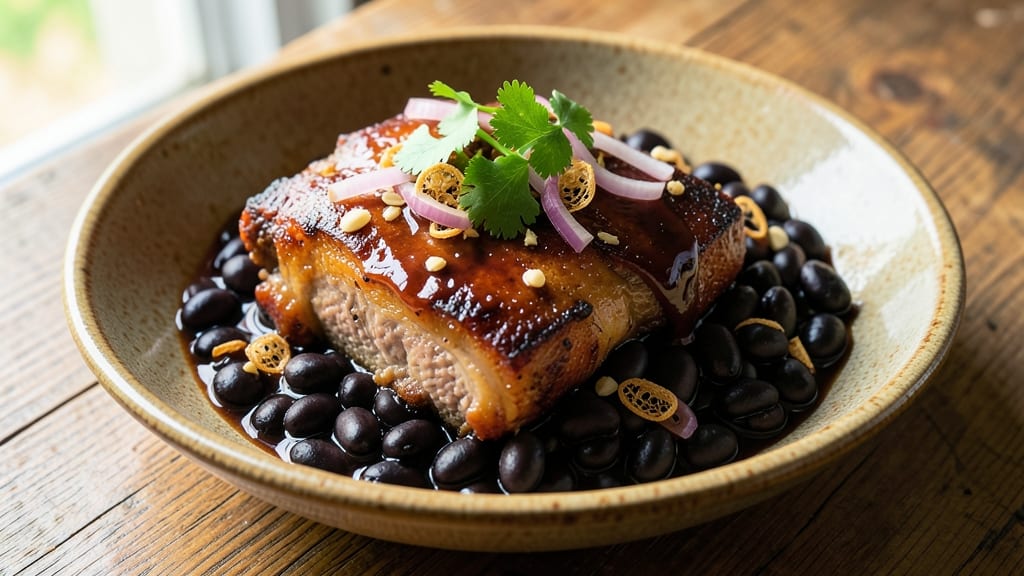
This Panlasang Pinoy-style black beans with pork brings bold Filipino flavors to your table with crispy pork bites and a savory soy-ginger sauce. 🌟 What makes this dish special is the perfect balance of textures—crunchy pork cubes paired with tender black beans—all simmered in a rich, aromatic sauce that's both comforting and restaurant-worthy. I developed this recipe after years of perfecting the art of slow simmering, which transforms simple ingredients into something extraordinary.
The secret lies in the pork preparation: thinly sliced pork shoulder is marinated and pan-fried until golden, then simmered just enough to tenderize without losing that crispy exterior. Meanwhile, black beans soak up the flavors of garlic, ginger, and soy sauce, creating a sauce that's deeply savory yet never overwhelming.
This dish is hearty enough to serve as a main but works beautifully as a side alongside rice or grilled meats.
By the time you're done, you'll have a dish that's packed with layers of flavor—crispy pork bites, tender beans, and a sauce that's perfectly balanced between sweet, salty, and umami. The aroma alone will have everyone gathering around the table, and the taste?
That's where the magic happens. This is the kind of recipe that becomes a family favorite in no time.
Serve it with steamed rice for the full Filipino experience, or pair it with a simple green salad to balance the richness. The leftovers reheat beautifully, making this a perfect meal prep option for busy weeks. Let's get cooking!
Ingredients for black beans with pork recipe panlasang pinoy
Sixteen ingredients for a dish that feels like a Filipino hug—crispy, saucy, and full of flavor.
| Ingredient | Amount | Notes |
|---|---|---|
| Pork Shoulder 🥓 | 1 ½ lb | Thinly sliced into 1-inch cubes |
| Black Beans 🌱 | 2 cups | Dried, soaked overnight |
| Soy Sauce 🍶 | ½ cup | High-quality, preferably Japanese |
| Garlic Cloves 🧄 | 6 cloves | Minced finely for aroma |
| Fresh Ginger 🌿 | 2 tbsp | Grated, not powdered |
| Onion 🧅 | 1 whole | Yellow or red, diced |
| Vegetable Oil 🫒 | ⅓ cup | For frying pork |
| Brown Sugar 🍚 | 2 tbsp | Light or dark |
| White Vinegar 🍶 | 1 tbsp | For tangy balance |
| Bay Leaves 🌿 | 2 whole | For depth of flavor |
| Salt 🧂 | 1 ½ tsp | Adjust to taste |
| Black Pepper 🌶️ | ½ tsp | Freshly ground |
| Water 💧 | 3 cups | For simmering |
The pork shoulder is non-negotiable here—it's what gives you that crispy exterior and tender interior. Ask your butcher to slice it thin if they won't do it for you, or grab pre-sliced pork shoulder from the Asian market. I always use Filipino-style pork if available, but regular pork shoulder works too. The black beans? Dried is best—they soak up flavors like a sponge. If you're in a hurry, use canned beans, but they won't have the same texture. For the soy sauce, Japanese brands like Kikkoman or Filipino brands like Silver Swan add that extra depth of flavor you can't get from generic store brands.
No minced garlic? Grab a garlic press—it's a game-changer for this dish. Short on ginger? Substitute with 1 tsp ginger powder, but freshly grated is ideal. The brown sugar adds just the right amount of sweetness, but if you're watching your sugar intake, use coconut sugar instead. The white vinegar is key for that tangy kick—don't skip it. If you don't have bay leaves, dried thyme at half the amount works in a pinch. The vegetable oil should be something with a high smoke point, like canola or peanut oil. And trust me on the freshly ground black pepper—pre-ground loses its punch fast.
This dish tastes even better the next day, so make extra if you can. Store leftovers in the fridge for up to 5 days or freeze for 3 months. The pork stays crispy if you reheat it gently in a skillet with a splash of water. For meal prep, I like to portion it into containers with a side of steamed rice—ready to grab and go. The beans soften as they sit, so if you're serving it right away, simmer for just 10 minutes less than the recipe says. And if you've got rice left over, use it to soak up the sauce—it's a Filipino classic!
Why You'll Love This Recipe
- One-Pot Magic: I swear by this—just toss the pork shoulder, black beans, garlic, and ginger into a single pot, add soy sauce, and let it simmer. No chopping, no fuss, just hands-off cooking while you handle everything else.
- Umami Bomb: That combo of pork shoulder and soy sauce? It’s like a flavor explosion. The black beans soak up all the richness, and the ginger adds a little kick that makes it impossible to stop eating.
- Meal Prep MVP: Make a big batch on Sunday, and you’ve got lunch or dinner covered all week. The flavors actually get better the next day—perfect for busy mornings or when you’re too tired to cook.
- Budget-Friendly Feast: Pork shoulder stretches far, and black beans are cheap but filling. Honestly, this recipe feeds four for under $15, and it’s way better than takeout. Plus, leftovers taste just as good reheated.
Step-by-step instructions for crispy pork bites and savory soy-ginger black beans
Here's how to nail that perfect balance of crispy pork and rich, savory sauce.
🔥 Step 1: Cook the Black Beans Until Tender
Drain and rinse the soaked black beans thoroughly. In a medium pot, combine them with the 3 cups water, 2 whole bay leaves, 1.5 tsp salt, and 0.5 tsp black pepper. Bring to a boil over medium-high heat, then reduce to medium-low heat and simmer uncovered for 45-50 minutes until the beans are fork-tender but still hold their shape.
Here's the thing—don't skip the bay leaves. They add that subtle earthy depth that makes this dish taste authentic. Stir occasionally and add a splash of water if the beans look dry. You'll know they're done when they're soft enough to mash slightly between your fingers but still have a little bite.
🍳 Step 2: Fry the Pork Shoulder for Maximum Crispiness
Heat 0.33 cup vegetable oil in a large skillet over medium-high heat until shimmering but not smoking. Working in batches (don't overcrowd the pan), add the 1.5 lb pork shoulder in 1-inch cubes and cook undisturbed for 3-4 minutes per side until golden brown and crispy.
I press down gently on the pork with a spatula during the first minute—this prevents it from curling and ensures even contact with the pan. The goal is crispy exterior, tender interior. Once golden brown, transfer the pork to a paper towel-lined plate to drain excess oil. Keep the oil in the pan for the next step.
👨🍳 Step 3: Build the Savory Soy-Ginger Sauce
In the same skillet (with the pork oil still in it), add the 1 whole diced onion and cook over medium heat for 5 minutes until softened. Add the 6 minced garlic cloves and 2 tbsp grated fresh ginger, cooking for another 1-2 minutes until fragrant—this is where the magic happens.
Pour in the 0.5 cup soy sauce, 2 tbsp brown sugar, and 1 tbsp white vinegar. Stir well to combine, then add the 3 cups cooked black beans and their liquid. Bring to a gentle simmer and let cook for 5-7 minutes until the sauce thickens slightly and coats the back of a spoon.
🥘 Step 4: Combine and Finish Cooking
Return the crispy pork to the skillet and stir gently to coat everything in the sauce. Cover and simmer on low heat for 10-12 minutes, stirring occasionally, until the pork is fully tender and the flavors meld together. The pork should absorb some of the sauce but still retain its crispy texture.
Taste and adjust seasoning if needed—you might need a little more soy sauce for saltiness or vinegar for tang. The sauce should be rich, slightly sweet, and packed with umami from the pork and beans. If it's too thick, add a splash of water to loosen it.
⏰ Step 5: Rest and Serve
Transfer the black beans with pork to a serving dish and let it rest for 5 minutes before serving. This resting time lets the flavors settle and the pork soak up any remaining sauce. Serve warm with steamed rice—each bite should deliver crispy pork, tender beans, and that perfect soy-ginger sauce.
Real talk: the crispiness is key here. If your pork isn't crispy, don't stress—just fry it a little longer next time. The secret is high heat and not moving it too soon. This dish tastes even better the next day as the flavors deepen!
Pro Tips For Making Black Beans With Pork Recipe Panlasang Pinoy
- CRISP THE PORK FIRST: I used to skip this step, thinking it was just for looks—but it’s the thing that matters most for flavor. Sear the pork shoulder in small batches over medium-high heat until deep golden brown (about 3-4 minutes per side). That crust locks in juices and builds a base that soaks up the soy and garlic like a sponge.
- SOAK BEANS 4 HOURS (OR OVERNIGHT): Sounds weird, but it works: Drain and rinse your black beans before soaking, then let them sit in cold water for at least 4 hours. This cuts cooking time by half and keeps them from turning mushy—especially important when you’re simmering them with pork for hours. (Yes, even if you’re impatient like me.)
- LOW AND SLOW FOR SOY DEPTH: After browning the pork and beans, reduce heat to low and let it simmer uncovered. I learned this the hard way—rushing it makes the soy sauce taste flat. Aim for 45-60 minutes, stirring occasionally, until the liquid reduces slightly and the pork shreds easily. Patience here makes all the difference.
- GINGER: GRATE, DON’T CHOP: My grandmother swore by this, and she was right: Use a microplane or the largest holes of a box grater for ginger—no need to mince. Finer pieces turn to mush and make the dish taste bitter. Just a teaspoon of freshly grated ginger (about ½-inch knob) adds bright, aromatic punch without overpowering.
Essential equipment for perfect results
Skillet Essentials
You'll need a large, heavy-bottomed skillet—I swear by my 12-inch cast iron from Lodge—for frying the pork. Cast iron retains heat beautifully and creates that perfect crispy crust.
If you don’t have cast iron, a stainless steel skillet with a heavy base works too. Just avoid nonstick—it won’t give you the same sear. 🔥
For the beans, a medium pot with a tight-fitting lid is ideal. I use a 3-quart stainless steel pot because it distributes heat evenly. If your pot is too shallow, the beans might stick or burn.
A wooden spoon is perfect for stirring—it won’t scratch your skillet like metal utensils can.
Knife and Cutting Tools
A sharp chef’s knife and cutting board are non-negotiable. Thinly slicing the pork shoulder into 1-inch cubes is key for even cooking. I use an 8-inch Japanese-style knife—it’s precise and makes quick work of the pork.
For the onion and garlic, a garlic press saves time, but a knife works too. Just be sure to mince the garlic super finely—you want it to disappear into the sauce. 🧄
Measuring and Prep Tools
Grab a measuring spoon set for the soy sauce, vinegar, and spices—precision matters here. A microplane for the ginger is a game-changer; it creates a fine, fragrant grated texture that dissolves perfectly into the sauce.
If you don’t have one, a fine grater works, but avoid pre-powdered ginger—it lacks depth. For the beans, a colander makes draining and rinsing a breeze.
Optional Upgrades
If you love crispy pork, invest in tongs—they make flipping the pork easier than a spatula. A meat thermometer ensures the pork reaches 160°F internal temp without overcooking. For extra flavor, a mortar and pestle lets you crush whole spices like star anise or cloves directly into the sauce.
I keep mine on my counter just for moments like this. ✨
Nutrition facts
Frequently asked questions about Panlasang Pinoy black beans with pork
Can I substitute canned black beans instead of dried?
Yes, but the texture will differ slightly. Use 2 (15 oz) cans of drained black beans (about 3 cups) and reduce simmering time to 15-20 minutes instead of 45-50 minutes. Canned beans are softer, so they'll absorb flavors faster. For best results, rinse them well to remove excess sodium.
What's the best cut of pork for this recipe?
Pork shoulder (also called Boston butt) is ideal because it stays tender when cooked slowly while developing crispy edges. If you can't find it, use pork loin or tenderloin, but slice it thinner (½-inch cubes) and reduce cooking time to 2-3 minutes per side to prevent overcooking. Avoid fatty cuts like ribs—they'll make the dish too greasy.
How do I make this dish spicier?
Add ½-1 teaspoon of ground chili flakes or 1-2 slices of fresh chili pepper (like siling labuyo) when building the sauce. For heat lovers, stir in 1 tablespoon of sambal oelek at the end. Remember, the pork will absorb some of the spice, so adjust gradually.
Can I make this recipe in a slow cooker?
Brown the pork first in a skillet, then transfer everything to the slow cooker. Cook on low for 4-5 hours or high for 2-3 hours. The pork may not be as crispy, but the flavors will meld beautifully. Add 1 cup water if the mixture seems too thick. The beans will soften completely in the slow cooker.
What are common mistakes to avoid?
Don't overcrowd the pan when frying pork—this steams instead of crisps. Also, avoid skipping the soy sauce reduction step; it builds the sauce's depth. Lastly, never skip resting the pork after simmering—it prevents sauce from pooling at the bottom. The beans should be fork-tender but not mushy; overcooking turns them mealy.