
Side Dishes
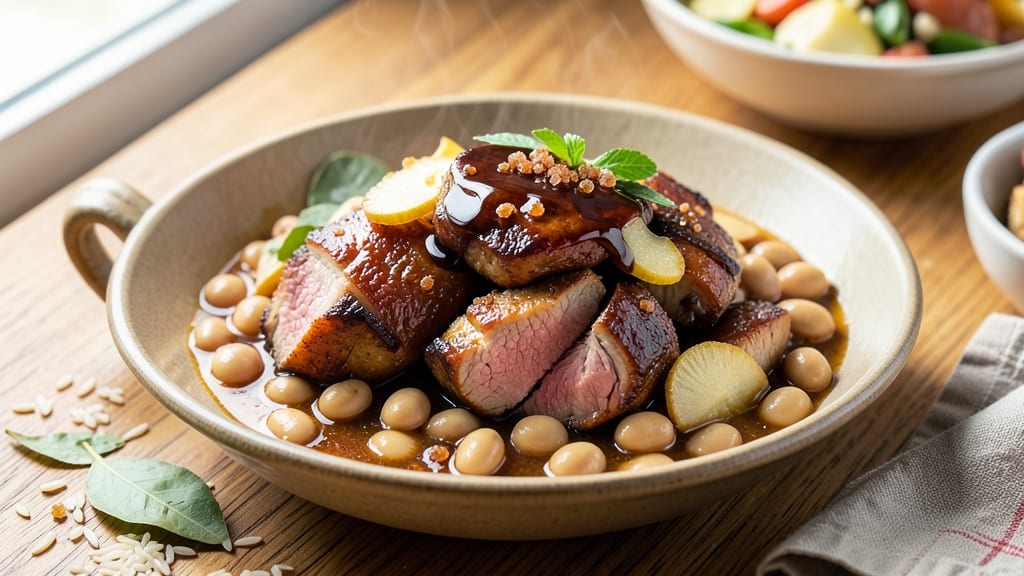
This Panlasang Pinoy-style hunts pork and beans brings nostalgic Filipino comfort to your table with just one pot. 💛 The secret lies in balancing sweet soy sauce, tangy vinegar, and aromatic spices that transform simple ingredients into a dish that tastes like home.
My grandmother's handwritten notes guided me to perfect this recipe—simple yet deeply satisfying, with tender pork and hearty beans in a rich, savory broth.
What makes this recipe special is its foolproof one-pot method, designed for weeknight dinners when time is limited but flavor can't be. The pork marinates overnight, absorbing the bold flavors, while the beans simmer until tender—no chopping, no fuss.
The result is a dish that's rich, slightly sweet, and deeply comforting, with just the right amount of tang to cut through the richness.
By the time you serve this, you'll have a steaming pot of restaurant-quality pork and beans that pairs perfectly with steamed rice. The aroma alone will bring everyone to the table, and the first bite delivers that perfect balance of savory, sweet, and tangy.
It's the kind of meal that turns ordinary weeknights into something special.
Perfect for feeding a family or meal prepping for the week, this recipe scales easily without sacrificing flavor. Let's make it—your taste buds will thank you.
Ingredients for hunts pork and beans recipe panlasang pinoy
Pork, beans, and bold flavors—this Filipino classic needs just one pot and 30 minutes.
| Ingredient | Amount | Notes |
|---|---|---|
| Pork Shoulder 🥩 | 1 ½ lb | Cut into 1-inch cubes, boneless |
| Large Garbanzo Beans 🌾 | 1 ½ cups | Dried or canned, drained |
| Fresh Ginger 🧄 | ½ inch | PEELLED, thinly sliced |
| Sweet Soy Sauce 🥄 | ½ cup | Or regular soy sauce |
| White Vinegar 💧 | ¼ cup | For tangy kick |
| Brown Sugar 🍯 | ¼ cup | Light or dark |
| Garlic Cloves 🧄 | 6 cloves | Minced for aroma |
| Onion 🧅 | 1 whole | Medium, sliced |
| Bay Leaves 🍃 | 2 whole | Dried, for depth |
| Black Peppercorns 🌶️ | 1 tsp | Crushed, not ground |
| Water 💧 | 3 cups | For simmering broth |
| Cooking Oil 🫒 | 2 tbsp | For searing pork |
| Green Onions 🧅 | 2 whole | Sliced for garnish |
The pork shoulder is your secret weapon—it stays tender while absorbing all those glorious flavors. Ask your butcher to cut it into 1-inch cubes (or do it yourself with a sharp knife). For the ginger, buy fresh from an Asian market—it’s more potent than the grocery store stuff, and you’ll only need a small piece. The garbanzo beans? Canned is fine, but soaking dried overnight gives that restaurant-quality texture. And don’t skip the bay leaves—they’re the soul of this dish. If you can’t find them, a pinch of cinnamon or allspice works in a pinch.
No sweet soy sauce? Regular soy sauce plus 1 tbsp brown sugar does the trick. Vinegar too sour? Apple cider vinegar or even lemon juice will work, but cut the amount to 2 tbsp. The garlic and onion can be pre-minced from the store (the good stuff, not the pre-chopped kind), but if you’ve got time, freshly mincing makes all the difference. For extra richness, add 2 tbsp of coconut milk at the end—trust me, it’s magical. And if you’re meal prepping, double the batch—this reheats like a dream.
This dish tastes even better the next day, so make extra and store it in the fridge for up to 4 days. For freezing, portion into airtight containers with a splash of water to keep it moist—3 months in the freezer, no problem. The pork cubes will get even more tender when reheated. Garnish with those green onions right before serving—they add a fresh pop of color and crunch. And if you’ve got leftover broth? Save it for rice or noodles—it’s pure flavor gold.
Why You'll Love This Recipe
- One-Pan Magic: I swear by this recipe—just toss the pork shoulder and garbanzos into a single pan with ginger and vinegar, then let it simmer. No chopping, no fussing, no extra pots to wash. That sweet soy sauce ties everything together while you’re free to scroll, read, or actually relax during cooking.
- Ginger-Soy Kick: Honestly, the combo of fresh ginger and sweet soy sauce on these tender pork chunks? It’s like a warm hug in a bowl. The vinegar brightens it up just enough to cut through the richness, and those garbanzos soak up all the flavor like little flavor sponges.
- Meal Prep MVP: Between us, this dish reheats like a dream—better the next day, if you ask me. Pack it for work lunches, serve it at family gatherings, or just make a big batch for lazy Sundays. The pork gets even more fall-apart tender, and the beans stay hearty.
- Budget-Friendly Feast: Pork shoulder and dried beans are my go-to for stretching meals without breaking the bank. A single cut of meat and a bag of garbanzos feed four people easily, and the leftovers? Even better cold in rice bowls or fried up later. No wasted ingredients here.
Step-by-step instructions for Panlasang Pinoy-style pork and beans
Here's how to create this hearty, one-pot masterpiece that brings Filipino home cooking to your table.
🔥 Step 1: Sear the Pork Shoulder for Deep Flavor
Heat the 2 tablespoons cooking oil in a large Dutch oven or heavy pot over medium-high heat. Add the 1.5 lb pork shoulder cut into 1-inch cubes, arranging them in a single layer. Let them sear undisturbed for 3-4 minutes until they develop a rich golden-brown crust.
This initial searing creates the Maillard reaction that forms the flavor foundation. Don't rush this step—patience here prevents bland pork. Once browned on one side, gently stir and sear the remaining pieces until they're all golden. Remove the pork and set it aside temporarily on a plate.
🍳 Step 2: Build the Aromatic Base
In the same pot, add the 1 whole onion sliced and the 0.5 inch peeled, thinly sliced fresh ginger. Cook over medium heat for 3-4 minutes until the onions soften and turn translucent, releasing their sweet aroma. Add the 6 cloves minced garlic cloves and cook for another 30 seconds until fragrant.
Here's where the magic happens: add the 1 teaspoon crushed black peppercorns and 2 whole bay leaves. Stir for 1 minute until the peppercorns darken slightly and the bay leaves release their earthy aroma. This aromatic trio forms the flavor backbone of your dish.
🥘 Step 3: Simmer the Beans and Seasonings
Pour in the 1.5 cups large garbanzo beans (drained if canned), 0.5 cup sweet soy sauce, 0.25 cup white vinegar, and 0.25 cup brown sugar. Add the 3 cups water and bring everything to a gentle boil. Once boiling, reduce heat to medium-low and let it simmer uncovered for 10 minutes, stirring occasionally.
This initial simmer helps dissolve the sugar and develop the sauce base. You'll notice the liquid reduces slightly and the beans begin to soften. Here's the thing—don't walk away. The beans need consistent attention to prevent burning, especially around the edges of the pot.
🔥 Step 4: Braise the Pork to Tender Perfection
Return the seared pork shoulder to the pot, nestling it among the beans. Stir gently to distribute the pork evenly. Bring the mixture to a gentle simmer again, then reduce heat to low, cover partially with a lid, and let it cook for 1.5 hours. This slow braising is where the pork transforms from tough to fork-tender.
After 1 hour, check the pork with a fork—it should be easily pierced but still slightly resistant. If it's not quite tender, continue cooking for another 30 minutes. The beans should be soft but still hold their shape, with the liquid reduced to a thick, glossy sauce that coats the back of a spoon.
🍽️ Step 5: Finish and Garnish
Once the pork is fork-tender and the sauce has thickened to your desired consistency, remove the 2 whole bay leaves (they've done their job). Taste and adjust seasoning if needed—you might want to add a splash more white vinegar for tang or a touch of sweet soy sauce for depth.
Turn off the heat and let the dish rest for 5 minutes. This resting period allows flavors to meld and the sauce to thicken further. Garnish with 2 whole green onions sliced diagonally before serving. The bright green against the rich brown sauce adds that perfect finishing touch that makes this dish truly special.
Pro Tips For Making Hunts Pork And Beans Recipe Panlasang Pinoy
- CRISPY THE PORK FIRST: I learned this the hard way—skipping the initial sear means your pork shoulder stays bland and rubbery. Cook the pork shoulder over medium-high heat until deep golden brown on all sides (about 5-7 minutes per side) before adding any liquid. The Maillard reaction here isn’t just for looks; it builds the foundation of flavor that the sweet soy sauce and vinegar will later enhance.
- SOAK BEANS HALF-DAY: Don’t just rinse those garbanzo beans—soak them in plenty of water (at least 3 cups per pound) for 6-8 hours. I was skeptical until I tried it: the beans absorb the ginger and vinegar better, and the texture becomes tender without turning mushy. Pro move: Use a colander and swap the water twice during soaking if you’re short on time.
- LOW AND SLOW AFTER SEARING: After browning the pork and adding the beans, reduce heat to low and let it simmer uncovered. I used to rush this, but the dish becomes watery or the pork dries out. Keep the heat at a gentle bubble (just enough to see tiny ripples) for 1.5–2 hours. The beans will soften, and the pork will stay juicy—no guessing, just patience.
- GINGER JULIENNE, NOT MINCED: Fresh ginger loses its bite when finely minced, but julienned strips (thin matchsticks) infuse flavor without overpowering. I skip the food processor and use a sharp knife—just peel, slice into 1/8-inch strips, then lightly smash a few with the flat of your knife to release oils. This keeps the dish bright and aromatic, not bitter.
Perfect pairings for these flavors
Steamed Rice Pairing
This dish is a match made in heaven with steamed jasmine rice—the fragrant, slightly sticky grains soak up the rich pork and bean sauce beautifully.
I always cook 2 cups of rice for every 1.5 lb of pork to ensure everyone has enough to enjoy both the main dish and the sides.
For extra flair, sprinkle a pinch of toasted sesame seeds over the rice before serving—it adds a nutty crunch that complements the dish perfectly. 💛
Vegetable Sides
Light, fresh vegetables balance the richness of the pork and beans. A simple garlic sautéed spinach with a splash of calamansi juice (or lemon) adds brightness.
I also love serving steamed bok choy with a drizzle of soy-vinegar dressing—just mix 1 tbsp soy sauce, 1 tsp vinegar, and ½ tsp sugar. The crisp-tender texture contrasts wonderfully with the hearty main dish.
Filipino Bread Basket
No Filipino meal is complete without pan de coco or monay, those sweet, buttery bread rolls. I buy them fresh from local Asian bakeries—they’re perfect for soaking up the savory-sweet sauce. If you can’t find them, baguette slices toasted with butter work in a pinch.
For a heartier option, serve with garlic fried rice—just use leftover rice and stir-fry it with garlic, soy sauce, and a beaten egg.
Drink Pairings
A cold calamansi soda or lemon-lime soda cuts through the richness of the dish beautifully. For something stronger, a light Filipino beer like San Miguel or Red Horse pairs perfectly with the bold flavors.
If you prefer non-alcoholic options, hibiscus tea (tsokolate) served warm with a touch of honey adds a refreshing contrast. The tartness of the tea balances the sweet and savory notes of the pork and beans. 🍺
Extra Flavor Boosters
Before serving, I like to add a drizzle of coconut milk to the dish for extra richness—just 2 tbsp at the end of cooking. For heat lovers, sprinkle crushed siling labuyo (chili peppers) on top.
If you’re feeling fancy, garnish with fried shallots for a crispy, aromatic finish. These little touches elevate the dish from comforting to restaurant-worthy without much extra effort.
Meal Prep Strategy
This dish reheats beautifully, making it perfect for meal prep. Store leftovers in airtight containers with a splash of water to keep the sauce from drying out. Reheat on the stovetop over medium-low heat for 10-15 minutes, stirring occasionally.
Serve with pre-cooked rice and pickled vegetables (like sour cabbage) for a complete, balanced meal. The flavors actually deepen overnight, so it tastes even better the next day! ✨
Nutrition facts
Frequently asked questions
Can I use canned beans instead of dried?
Yes! Canned garbanzo beans work perfectly and save time. Just drain and rinse them well to remove excess sodium. For best texture, use 1.5 cups canned beans (about 2 cans) instead of dried. The cooking time will be slightly shorter since canned beans are pre-cooked.
What makes this recipe "Panlasang Pinoy"?
This version keeps the classic Hunts pork and beans flavors but adds Filipino touches like sweet soy sauce, white vinegar, and bay leaves for that familiar umami-tangy balance. The slow braising method and aromatic spices create that comforting, homey taste you'd find in Filipino-American kitchens.
How do I know when the pork is fully tender?
The pork is done when it's easily pierced with a fork but still holds together slightly. After 1 hour of braising, test a piece—it should feel soft with just a little resistance. If it's still tough, cook another 30 minutes. The beans should be tender but not mushy, with a thick, glossy sauce coating everything.
Can I make this in a slow cooker?
Brown the pork first, then transfer everything to your slow cooker. Cook on low for 6-7 hours or high for 3-4 hours. The slow cooker's gentle heat will give you perfectly tender pork and beans with minimal effort. Just add ½ cup water if the sauce gets too thick during cooking.
What if my sauce is too thin or too thick?
For a thicker sauce, simmer uncovered for 10-15 extra minutes to reduce the liquid. If it's too thick, add 1-2 tablespoons water or broth and stir well. For a thinner sauce, you can't fix it—just serve it as-is! The beans will absorb the extra liquid beautifully.