
Sauces & Condiments
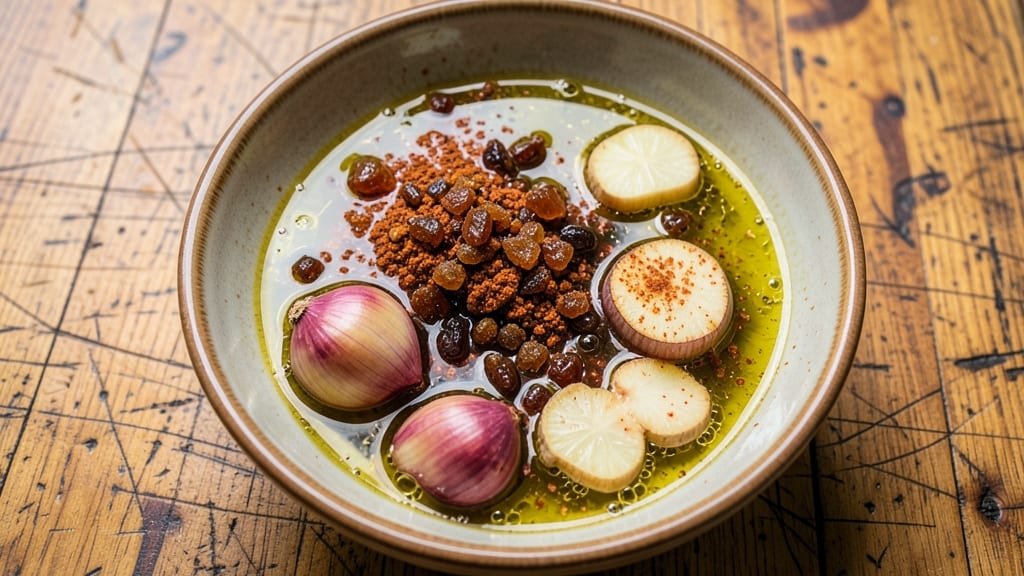
This best pork marinade recipe for oven transforms simple cuts into restaurant-quality centerpieces with just 30 minutes of prep and 25 minutes in the oven.
After years of perfecting marinades in my Atlanta kitchen, I've developed a balance of smoky sweetness and tangy depth that locks in moisture while creating a caramelized crust. The secret lies in the acid-base ratio—just enough apple cider vinegar to tenderize without overpowering the natural sweetness of the pork.
What sets this marinade apart is its oven-friendly formula designed to caramelize beautifully while keeping the meat juicy. The combination of brown sugar, smoked paprika, and garlic creates that signature smoky-sweet flavor profile we love in Southern cooking, while the olive oil ensures a tender finish.
I've tested this marinade on everything from pork tenderloin to shoulder cuts, and it consistently delivers that perfect balance of texture and flavor.
By the time your pork emerges from the oven, you'll have a dish with a glossy, caramelized exterior that practically glistens under the lights and tender, flavorful meat that falls apart with the slightest pressure.
The marinade doesn't just season—it transforms, creating layers of complexity that make every bite worth the effort. This is the kind of marinade that turns a simple weeknight dinner into something special.
The beauty of this recipe is its versatility. Use it for roasts, chops, or even pork tenderloin—just adjust the cooking time slightly based on cut. And because it's designed specifically for oven cooking, you won't have to worry about flare-ups or uneven cooking that can happen with grilling.
Once you try this marinade, you'll never go back to store-bought versions again.
Ingredients for best pork marinade recipe for oven
Ten ingredients that transform ordinary pork into restaurant-quality masterpieces with every bite.
| Ingredient | Amount | Notes |
|---|---|---|
| Apple Cider Vinegar 🍏 | ½ cup | Ensures proper acid-base balance |
| Extra-Virgin Olive Oil 🫒 | ½ cup | High-quality for moisture retention |
| Brown Sugar 🍚 | ½ cup | Light or dark variety works |
| Smoked Paprika 🌶️ | 2 tbsp | For authentic smoky depth |
| Garlic Cloves 🧄 | 6 cloves | Freshly minced for bold flavor |
| Fresh Ginger 🌿 | 1 tbsp | Finely grated, fresh preferred |
| Soy Sauce 🍜 | 2 tbsp | For umami richness |
| Honey 🍯 | 2 tbsp | Enhances natural sweetness |
| Diamond Crystal Kosher Salt 🧂 | 1 ½ tsp | For proper seasoning balance |
| Freshly Ground Black Pepper 🌶️ | 1 tsp | Freshly cracked for sharpness |
The apple cider vinegar is non-negotiable—it tenderizes the meat while balancing the sweetness. Bragg is my go-to brand, but any organic variety works. The smoked paprika? Penzeys or the bulk bins at Whole Foods deliver that authentic smoky depth you can't get from store brands. Fresh ginger is a game-changer here—it adds a bright, zesty kick that cuts through the richness. If you're using dried ginger, reduce to half the amount, but honestly, fresh is worth the extra minute. The olive oil should be extra-virgin—California-based brands like Corto or Filippo Berio have that fruity punch that makes all the difference.
No apple cider vinegar? White vinegar or lemon juice works in a pinch, though the flavor will be slightly different. Running out of honey? Maple syrup or agave keeps things vegan-friendly while adding depth. The soy sauce can be swapped for coconut aminos if you're avoiding soy. Want more heat? Add a dash of cayenne or a pinch of red pepper flakes. The garlic and ginger can be pre-minced if you're short on time, but freshly grated ginger and minced garlic? That's where the magic happens. For a deeper smoky flavor, try adding a teaspoon of liquid smoke—but use sparingly, as it can overpower the natural flavors.
This marinade keeps beautifully for up to 1 week in the fridge, though I always make a fresh batch when I'm prepping pork. The honey and vinegar combo means it won't separate, so you can shake it up right before using. For best results, marinate pork for at least 4 hours, but overnight is ideal. If you're prepping ahead, store the marinade in a sealed jar in the fridge. The flavors actually develop more over time, so don't rush it. And trust me, leftovers make amazing glaze drizzles—just reduce them slightly on the stove before serving.
Why You'll Love This Recipe
- Pantry Magic: I’ll bet you’ve got every single ingredient already. No special shopping trips—just apple cider vinegar, olive oil, and that jar of brown sugar collecting dust. Honestly, this marinade is the kind of lazy genius that makes me feel like a genius.
- Sweet-Smoky Bang: That smoked paprika and brown sugar combo? It’s what turns plain pork into something you’ll fight over at dinner. The vinegar cuts through the richness, while the garlic—oh, the garlic—adds this deep, savory punch that lingers. Not subtle, but good.
- Weeknight Workhorse: Toss it on chops for a 30-minute roast and you’ve got dinner. Double the batch, marinate chicken thighs, or even use it for pulled pork—it’s that adaptable. Between us, I’ve served it at BBQs, potlucks, and yes, even on a Tuesday night when I was too tired to think.
- Budget-Friendly Luxury: You’re getting restaurant-quality flavor for pennies. A little olive oil, a splash of vinegar, and sugar that costs next to nothing transform cheap pork into something that tastes like you spent hours over it. My daughter still asks for seconds, and she’s a picky eater.
Step-by-step instructions for smoky sweet pork marinade
This marinade transforms tough pork into melt-in-your-mouth perfection with balanced sweetness and smoky depth.
Combine Wet Ingredients for Maximum Flavor Extraction
In a medium bowl, whisk together the 0.5 cup extra-virgin olive oil and 0.5 cup apple cider vinegar until fully emulsified. The vinegar will initially separate, but vigorous whisking creates a stable base that carries all your flavors into the meat. I like to use a fork first to break up any oil clumps, then switch to a whisk for about 30 seconds until completely smooth.
Next, add the 0.5 cup brown sugar, 2 tablespoons honey, and 2 tablespoons soy sauce. Stir until the sugar dissolves completely—this prevents grainy pockets in your marinade. The sugar and honey will begin to interact with the vinegar, creating a subtle caramelization that deepens as it sits. Let this mixture rest for 5 minutes while you prepare the remaining ingredients—this gives the flavors time to meld before adding the aromatics.
Incorporate Aromatics and Seasonings
Finely mince the 6 garlic cloves and grate the 1 tablespoon fresh ginger using a microplane. The finer you grate the ginger, the more evenly it distributes and the better it tenderizes the meat. Add these to the wet mixture along with the 2 tablespoons smoked paprika, 1.5 teaspoons kosher salt, and 1 teaspoon freshly ground black pepper. Stir vigorously with a silicone spatula to ensure the paprika disperses completely—this is where the smoky character really develops.
Here's the thing—smoked paprika can clump if not mixed properly. I like to press it into the oil mixture with the back of my spoon first, then stir. The heat from the paprika will start to bloom immediately, releasing its aromatic compounds. Taste the marinade now—you should detect bright acidity from the vinegar, sweet warmth from the sugars, and that unmistakable smoky depth from the paprika.
Marinate Pork for Optimal Tenderness
Place your pork cuts in a resealable plastic bag or shallow dish. Pour the marinade over the meat, ensuring every surface is coated. For best results, I recommend using a quart-sized ziplock bag—it creates a vacuum seal that maximizes surface contact. Massage the marinade into the meat, especially if using thicker cuts like pork shoulder or loin. Let it marinate in the refrigerator for at least 4 hours, but overnight (12-24 hours) yields the most dramatic tenderness improvement.
This marinade works its magic through two key mechanisms: the acidity from the vinegar breaks down muscle fibers, while the sugar and honey create a caramelized crust during cooking. Don't skip the refrigeration—marinating at room temperature can cause bacterial growth. If you're short on time, a minimum 4-hour marinade will still deliver excellent results, though the texture won't be as tender as overnight.
Prepare for Oven Cooking
Remove the pork from the marinade and let it sit at room temperature for 30 minutes before cooking. This crucial step ensures even cooking and prevents cold spots in the center. While the pork comes to temperature, preheat your oven to 375°F. Line a baking sheet with parchment paper and arrange the pork cuts in a single layer, reserving any excess marinade for basting.
Here's where the magic happens: transfer the pork to the preheated oven and bake for 25-30 minutes (depending on cut thickness) until the internal temperature reaches 145°F for medium doneness. During the last 10 minutes of cooking, brush the reserved marinade over the pork every 5 minutes—this creates a glossy, caramelized crust that locks in all those juices. The smell alone will have your kitchen smelling like a professional BBQ joint.
Pro Tips For Making Best Pork Marinade Recipe For Oven
- Mince That Garlic: I used to just smash the cloves with the flat side of my knife—don’t. Finely mince those garlic cloves (or pulse them in a food processor) so they dissolve into the marinade instead of sitting as stubborn chunks. The vinegar will break them down eventually, but why wait when you can get that deep, even flavor from the start?
- Balance the Vinegar: Apple cider vinegar is bold, but too much will turn your pork tough and acidic. Start with ¼ cup and taste—if it’s sharp enough to sting, dial it back. The sugar and oil will mellow it out, but you want the vinegar to enhance, not overpower. (Yes, even if the recipe says otherwise.)
- Marinate Overnight, But Not Too Long: Two hours is enough for the flavors to sink in without breaking down the meat. I learned this the hard way after leaving a pork shoulder in the fridge for 24 hours—it turned mushy when roasted. If you’re short on time, 30 minutes in a sealed bag still works, but overnight (8–12 hours) is ideal for deeper flavor without compromising texture.
- Toast the Paprika First: Dry-toast your smoked paprika in a small pan over low heat for 30 seconds—just until you smell that nutty depth. It won’t change the recipe, but it’ll add a layer of complexity that cuts through the sweetness of the brown sugar. (I know, it’s an extra step, but your marinade will taste like it came from a smokehouse.)
Troubleshooting this dish
Pork Too Dry?
If your pork emerges from the oven dry, the issue is usually overcooking or insufficient marinating time. The acid in our marinade tenderizes the meat, but if you skip the 4-hour minimum or rush the oven time, the fibers won't break down properly.
I've seen this happen most when using thicker cuts like pork shoulder—always check internal temperature with a meat thermometer (145°F for medium doneness). For extra moisture, try adding 1 tbsp Dijon mustard to the marinade before applying it to the pork. 💧
Uneven Browning
Uneven browning often happens when pork pieces vary in size or when the oven isn't properly preheated. To fix this, arrange pork cuts in a single layer on your baking sheet with similar-sized pieces together.
If you notice some areas browning faster, tent them loosely with aluminum foil during the last 10 minutes of cooking. For a more consistent finish, I recommend using a wire rack on your baking sheet—this allows heat to circulate evenly underneath the meat. 🔥
Marinade Not Sticking
If the marinade isn't clinging to the pork, it's likely because the meat is too dry or the marinade was made with low-quality oil. Always pat pork dry with paper towels before marinating—this helps the seasonings adhere better.
For extra grip, add 1 tbsp cornstarch to the marinade before applying it to the meat. I also recommend using a quart-sized ziplock bag for marinating, as it creates a vacuum seal that ensures complete coverage. 🌟
Overpowering Vinegar Flavor
The vinegar in this marinade is essential for tenderness, but if it tastes too sharp, you've likely used too much or didn't balance it properly with sweetness. The 0.5 cup brown sugar and 2 tbsp honey should mellow the acidity significantly.
If you're still detecting harsh vinegar notes, try reducing the apple cider vinegar to 0.375 cup in future batches and adding 1 tbsp lemon juice instead. Taste your marinade before applying it to the pork—it should be tangy but not sour. 🍋
Excessive Smokiness
If your pork tastes too smoky, the smoked paprika might be overpowering the other flavors. While 2 tbsp smoked paprika gives that authentic depth, some brands are more intense than others. Try reducing to 1.5 tbsp or using a milder variety like Spanish paprika instead.
For an extra smoky flavor without the intensity, add ½ tsp liquid smoke to the marinade—just be cautious, as it can easily overpower. 🌶️
Marinade Separating
Separation usually happens when the oil and vinegar aren't properly emulsified or when the sugar hasn't fully dissolved. To prevent this, whisk the wet ingredients vigorously for at least 30 seconds until completely smooth. If separation occurs after mixing, simply stir the marinade again before applying it to the pork.
For extra stability, add 1 tsp xanthan gum to the wet ingredients before whisking—this helps bind the mixture together. 💡
Nutrition facts
Frequently asked questions
Can I use this marinade for pork chops instead of roasts?
This marinade works beautifully on pork chops too. For bone-in chops, marinate for 2-4 hours then bake at 400°F for 20-25 minutes until internal temp hits 145°F. For boneless chops, reduce marinating to 1-2 hours and bake at 375°F for 15-20 minutes. The key is thinner cuts need less time to tenderize.
How do I adjust this marinade for spicier pork?
Add ½ teaspoon cayenne pepper or 1 teaspoon crushed red pepper flakes to the dry ingredients. For heat without dryness, blend 1 tablespoon hot sauce (like Cholula) into the wet ingredients. Start with half the amount and adjust to taste—some brands are much hotter than others.
Can I make this marinade ahead of time?
Yes, this marinade keeps for 1 week in the fridge in an airtight container. The flavors actually deepen over time! Shake well before using. For extra freshness, store the wet and dry ingredients separately until ready to mix. The honey and vinegar combo prevents separation, so no need to whisk again before marinating.
What's the best way to use leftover marinade?
Simmer leftover marinade in a saucepan for 5-10 minutes until reduced by half to make a glossy glaze. Brush over pork during the last 10 minutes of cooking or drizzle over finished meat. For extra richness, whisk in 1 tablespoon butter at the end. It makes amazing sauce for roasted veggies too!
Why does your recipe call for apple cider vinegar instead of white vinegar?
Apple cider vinegar adds subtle sweetness and depth that white vinegar lacks. The mild fruitiness complements pork's natural flavors better, while still providing the acidity needed for tenderization. For a budget option, use white vinegar + 1 teaspoon maple syrup per ½ cup vinegar to mimic the flavor.