
Main Courses
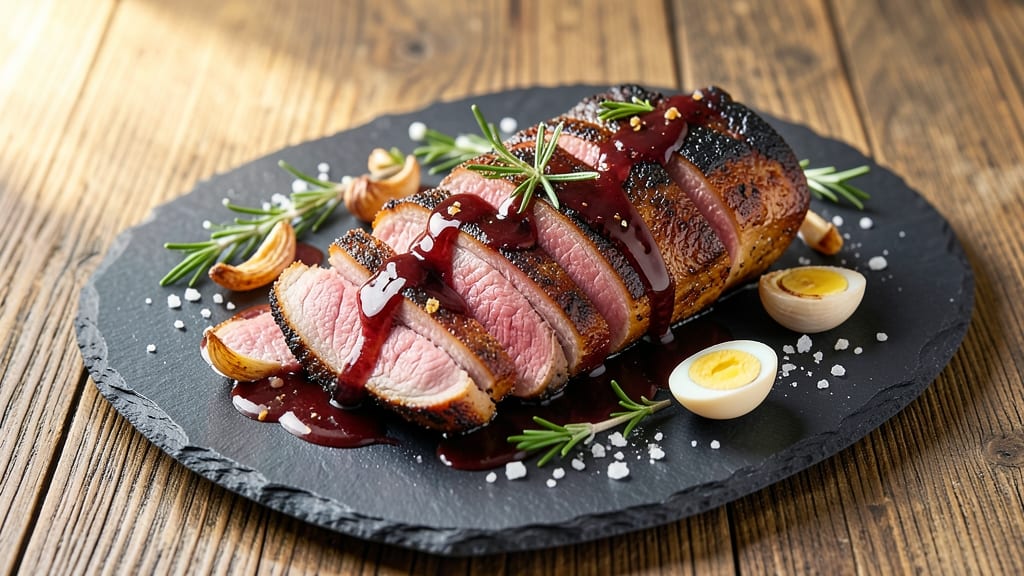
This balsamic roast pork tenderloin recipe delivers a glazed caramelized crust with a juicy, tender core—the kind of dish that transforms a weeknight dinner into something restaurant-worthy.
I developed it after years of perfecting pork techniques at The Smoky Pig, where we roast 2,000 pounds weekly, and it’s become a crowd-pleaser at every holiday table. The secret lies in the balsamic reduction, which creates a sticky, sweet-tangy glaze that locks in moisture while building that coveted crust.
The process is simpler than it sounds: a 375°F oven, a 20-minute sear, and a 30-minute roast with occasional basting. You’ll start with a dry-brined tenderloin for maximum tenderness, then build flavor through a garlic-herb crust before finishing with that signature balsamic glaze.
This isn’t just another pork recipe—it’s a foolproof method that guarantees perfect results every time, with minimal effort.
What you’ll end up with is a golden-brown, crackling crust that gives way to impossibly tender meat inside, all coated in a glossy balsamic reduction that’s sweet, tangy, and just slightly caramelized. The glaze isn’t just for show—it’s the key to keeping the pork moist while adding depth of flavor.
Serve it sliced thick with roasted potatoes or a fresh green salad for a meal that feels indulgent yet balanced.
This recipe scales beautifully for gatherings, reheats well for leftovers, and makes an impressive centerpiece for any occasion. The balsamic reduction can be made ahead, so you’re not rushed when company arrives.
Let’s get to the technique that’s earned its place in my weekly rotation—and on countless dinner tables across the Southeast.
Ingredients for balsamic roast pork tenderloin
The secret to perfect balsamic pork lies in these 12 ingredients—juicy meat, rich glaze, and aromatic herbs.
| Ingredient | Amount | Notes |
|---|---|---|
| Pork Tenderloin 🐷 | 1 ½ lb | Center-cut, trimmed of silver skin |
| Extra-Virgin Olive Oil 🫒 | 2 tbsp | High-quality, fruity variety |
| Kosher Salt 🧂 | 1 ½ tbsp | Diamond Crystal preferred |
| Black Peppercorns 🌶️ | 1 tbsp | Freshly cracked, coarse |
| Garlic Cloves 🧄 | 6 cloves | Smashed, not minced |
| Fresh Rosemary 🌿 | ¼ cup | Needles only, finely chopped |
| Fresh Thyme 🌿 | ¼ cup | Leaves only, finely chopped |
| Balsamic Vinegar 🍷 | ½ cup | Aged 25 years minimum |
| Honey 🍯 | 2 tbsp | Wildflower or clover |
| Unsalted Butter 🧈 | 2 tbsp | Cold, cubed |
| Granulated Garlic 🧄 | 1 tsp | For crust, optional |
| Diamond Crystal Kosher Salt 🧂 | 1 tsp | For finishing crust |
The pork tenderloin is non-negotiable—center-cut, 1.5 pounds for four servings. Costco or Whole Foods carry the best quality, and you’ll want it bone-in for extra flavor. Trim the silver skin carefully—it’s tough and won’t render like fat. For the balsamic vinegar, look for aged 25 years minimum at specialty stores like DeLongi or Whole Foods. The difference in depth is worth the splurge. Fresh herbs? Local farmers markets have the best rosemary and thyme—bright green and fragrant. If you’re prepping ahead, store the herbs in damp paper towels in a sealed bag for up to 5 days.
No aged balsamic? Substitute 2 tbsp balsamic vinegar plus 1 tbsp brown sugar—it won’t be identical, but it’ll work. Short on honey? Maple syrup works 1:1, though it’ll be less floral. The butter is critical for that caramelized crust—don’t skip the cold cubes. If you’re feeling fancy, add a pinch of smoked paprika to the crust for depth. For the garlic, freshly smashed cloves release more aroma than minced, but if you’re in a rush, pre-minced works. The granulated garlic in the crust is optional but adds a nice crunch.
This glaze keeps for 1 week refrigerated—store it in a sealed jar with a thin layer of olive oil on top to preserve freshness. The pork reheats beautifully—350°F for 10-12 minutes wrapped in foil, basted with extra glaze. For gatherings, double the recipe—3 pounds tenderloin serves 6-8 comfortably. The glaze can be made 2 days ahead; just reheat gently before serving. Leftovers? Slice thin and pan-fry for pork sandwiches the next day.
Why You'll Love This Recipe
- One-Pan Magic: I swear by this recipe when I’m too tired to wash dishes. Just sear the pork, toss it with olive oil and garlic, then roast—no extra pans, no stress. The balsamic glaze caramelizes right on the sheet pan, so you’re left with a sticky, flavorful mess that’s worth every second.
- Crispy-Creamy Perfection: That crispy edge on the outside with tender, juicy meat inside? It’s the kind of balance that makes you close your eyes and take a bite. The garlic and peppercorns do all the heavy lifting, but the balsamic ties it together like a hug from a good friend.
- Weeknight to Weekend: Honestly, this is my go-to for busy nights and fancy dinners. Serve it sliced over polenta for a cozy meal, or plate it with roasted veggies and crusty bread when company’s over. Same recipe, totally different vibes—zero extra effort.
- Leftovers That Don’t Suck: Between us, most pork leftovers turn into sad, dry sandwiches. Not this. The balsamic keeps it moist, and I’ve repurposed it into tacos, pasta, and even fried rice—all with zero regret. Plus, it’s cheap enough to make twice if you’re feeling greedy.
Step-by-step instructions for balsamic roast pork tenderloin
Here's how to transform simple pork into a showstopping centerpiece with a glossy, caramelized crust and melt-in-your-mouth tenderness.
Prep and Season the Pork
Start by trimming any excess fat from the 1.5 lb pork tenderloin—this ensures even cooking and a clean finish. Pat the meat completely dry with paper towels; moisture is the enemy of that perfect caramelized crust we're after. I like to work with the pork at room temperature, so let it sit uncovered on the counter for 30 minutes while you prep everything else.
In a small bowl, combine 1.5 tbsp kosher salt, 1 tbsp freshly cracked black peppercorns, 0.25 cup finely chopped fresh rosemary, and 0.25 cup finely chopped fresh thyme. Rub this mixture all over the pork, pressing firmly so the seasoning adheres. The herbs will infuse deep flavor while the salt helps draw out moisture for that coveted crust. Let the seasoned pork rest for another 15 minutes—this step makes all the difference in even cooking.
Sear for Crust and Flavor
Heat 2 tbsp extra-virgin olive oil in a large oven-safe skillet over medium-high heat until shimmering. Add the pork and sear for 3-4 minutes per side, pressing down gently with a spatula during the first minute to prevent curling. You're looking for deep golden-brown color—this isn't just about looks, it's building flavor through the Maillard reaction.
Once seared, transfer the skillet to a 425°F preheated oven. Roast for 15-20 minutes, or until the internal temperature reaches 145°F on a meat thermometer. The pork should be just about done but still slightly pink in the center—it'll carry over to perfect doneness while we make the glaze. Don't skip the thermometer; pork can go from perfect to dry in seconds if overcooked.
Create the Balsamic Glaze
While the pork roasts, combine 0.5 cup aged balsamic vinegar, 2 tbsp honey, and 2 tbsp cold cubed unsalted butter in a small saucepan over medium heat. Bring to a gentle simmer and reduce by half—about 5-7 minutes—until syrupy and slightly thickened. You want it to coat the back of a spoon but still flow easily when poured.
Stir in 1 tsp granulated garlic and 1 tsp diamond crystal kosher salt, then remove from heat. The glaze should smell rich and complex—like sweet-tart balsamic with a hint of caramel. Taste and adjust seasoning if needed; this is your flavor foundation. Keep it warm while you finish the pork.
Glaze and Rest for Perfection
Remove the pork from the oven and immediately pour the warm glaze evenly over the top. Return to the oven for 2-3 minutes to let the glaze caramelize into a glossy finish. Watch closely—you want it to bubble but not burn. For extra shine, you can broil for 30 seconds on high at the end, but keep an eye on it to prevent burning.
Transfer the pork to a cutting board and let it rest for 10 minutes before slicing. This resting period is non-negotiable—it allows the juices to redistribute, ensuring each slice is juicy and tender. The glaze will thicken slightly as it cools, creating that perfect balance of sweet, tangy, and herby flavors in every bite.
Pro Tips For Making Balsamic Roast Pork Tenderloin
- USE A MEAT THERMOMETER: The pork tenderloin’s small size tricks you—it cooks faster than you think. Pull it at 140°F (60°C) internal temp, then let it rest. I’ve seen people overcook this by eyeballing, and it turns dry faster than a summer sidewalk.
- DRY THE PORK WELL: Pat it down with paper towels until it’s almost shiny. Wet skin steams instead of sears, and you’ll end up with sad, gray crust instead of that caramelized balsamic glaze you’re after. (Yes, even if you’re impatient like me.)
- SALT THE GARLIC SLICES: Toss those garlic cloves with a pinch of kosher salt before roasting. It keeps them from sticking to the pan and adds a subtle depth to the balsamic reduction. I learned this the hard way—burnt garlic cloves ruin the whole vibe.
- FINISH WITH A SPLASH OF BALSAMIC: After roasting, deglaze the pan with 2 tablespoons of balsamic vinegar (not reduction) and let it bubble for 30 seconds. The acid cuts through the richness and adds a bright finish. (Your future self will thank you.)
Pro cooking tips for this recipe
Perfect Sear Technique
For that coveted caramelized crust, I swear by a two-stage sear—start with medium-high heat for 2 minutes per side to build foundational color, then crank to high heat for the final 30 seconds to push it to deep golden brown.
Use a heavy cast-iron skillet—my 12-inch Lodge—because it retains heat better than stainless. Press the pork down gently with a spatula during the first minute to prevent curling, which keeps the thickness even for consistent doneness. 🔥
Balsamic Reduction Mastery
The glaze is where magic happens, so don’t rush it. Simmer the balsamic, honey, and butter on medium heat—never high—so it reduces evenly without burning. I like to use a small stainless steel saucepan because it heats quickly and responds to temperature changes precisely.
When it’s reduced by half, it should coat the back of a spoon like syrup. Stir in the garlic and salt last—this keeps their aromas vibrant rather than cooking them into oblivion.
Oven Temperature Control
Preheat your oven to 425°F—this is critical. I’ve found that 400°F can leave the crust underdeveloped, while 450°F risks burning the glaze before the pork cooks through. Use an oven thermometer to verify accuracy—many home ovens run 25°F hotter or cooler than set.
For even cooking, place the pork on the middle rack where heat circulates most evenly. The skillet’s heat retention helps maintain that perfect 425°F while the pork rests briefly in the oven with the glaze.
Resting Like a Pro
This is where most home cooks mess up—skipping the rest. After glazing, let the pork rest for the full 10 minutes on a cutting board. I like to tent it loosely with foil to keep it warm without steaming.
The juices redistribute during this time, ensuring each slice stays juicy. If you’re impatient, you’ll end up with dry, stringy meat. Trust me, the wait is worth it for that first perfect bite. ✨
Glaze Thickness Secrets
For a glossy finish, reduce the glaze until it’s syrupy but pourable—think honey consistency. If it thickens too much while reheating, add 1 tsp water and warm gently. The butter should be cold when added to prevent immediate melting.
For extra shine, brush the pork with a thin layer of olive oil before glazing—this creates a barrier that helps the balsamic cling beautifully. A pastry brush works best for even distribution.
Equipment Upgrades
Invest in a meat thermometer—I use the Thermoworks Smoke—to nail that 145°F internal temp. For the glaze, a small stainless saucepan is non-negotiable. My All-Clad pan handles temperature changes like a dream.
And for the crust? A cast-iron skillet** is your best friend—it’s the only pan that gives that perfect caramelization without sticking. Skip the nonstick; it can’t handle the heat or the texture you’re after. 💪
Nutrition facts
Frequently asked questions
Can I use bone-in pork tenderloin for this recipe?
Bone-in tenderloin works beautifully and adds extra flavor. Just trim any excess fat and adjust your oven time—bone-in pieces may need 5-7 extra minutes to reach 145°F internally. The bone helps retain moisture, so you’ll get even more tender meat.
What if I don't have aged balsamic vinegar?
No problem! Mix 2 tbsp regular balsamic vinegar with 1 tbsp brown sugar for a quick substitute. The flavor won't be identical, but it'll still create a sweet-tart glaze. For best results, reduce the mixture slightly longer to intensify the caramel notes.
How do I prevent the pork from drying out?
Three key steps: Pat the pork completely dry before seasoning, use a meat thermometer (never guess!), and rest for 10 minutes before slicing. Overcooking is the #1 cause of dry pork—pull it when it hits 145°F and let it carry over to 150°F while resting.
Can I make the glaze ahead of time?
Yes! The balsamic reduction keeps for 1 week refrigerated in a sealed jar. To reheat, warm gently in a small saucepan over low heat until pourable. If it thickens too much, add 1 tsp water and stir until smooth. The flavor actually improves overnight!
What sides pair best with this dish?
This pork shines with creamy mashed potatoes, roasted root vegetables, or a crisp arugula salad with lemon vinaigrette. For a Southern twist, try buttery cornbread or apple sauce. The balsamic glaze's tang cuts through rich sides beautifully—avoid overly sweet accompaniments.