
Main Courses
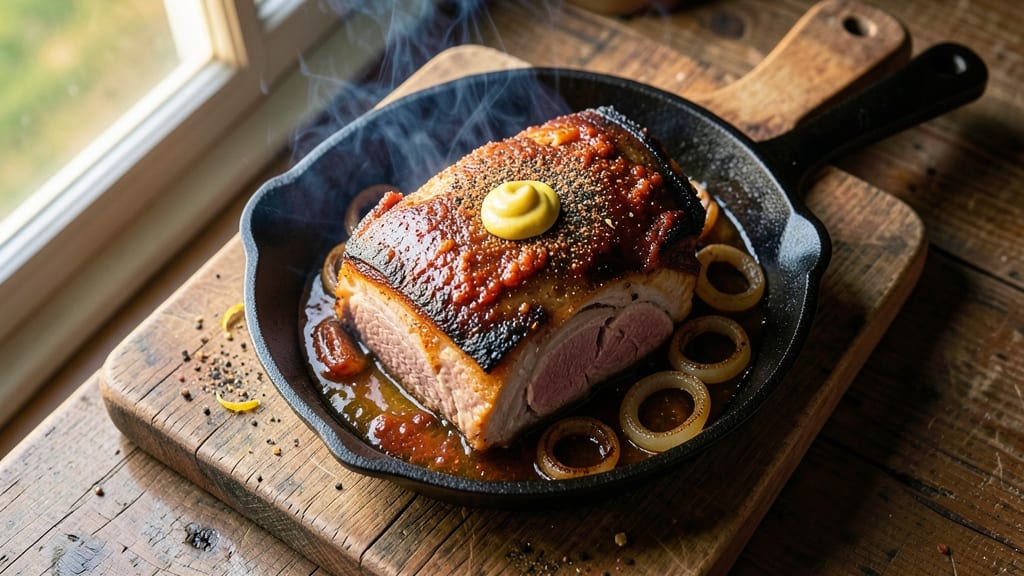
This BBQ pork smoker recipe delivers restaurant-quality tenderness with a perfect smoky bark—no shortcuts, just time-tested technique. After years of perfecting my approach, I've cracked the code for fall-off-the-bone pork that transforms any backyard into a pitmaster's dream.
The secret lies in low-and-slow cooking with the right wood and precise temperature control, creating that irresistible balance of smoky flavor and melt-in-your-mouth texture.
What sets this recipe apart is the combination of traditional methods with modern convenience. We'll use a simple dry rub that builds deep flavor during the smoke, then focus on maintaining that critical 225°F temperature for hours. The key to that perfect bark?
A light application of apple cider vinegar during the final hour—it creates a sticky surface that caramelizes beautifully while keeping the meat moist. This isn't just about smoking pork; it's about mastering the art of smoke infusion.
By the time you're done, you'll have pork so tender it practically disintegrates at the touch of a fork, with a bark that's crisp enough to stand up to a toothpick but still flexible enough to hold its shape.
The aroma alone will have your neighbors asking what you're cooking, and the first bite will make them want to move in. This is the kind of pork that turns casual cookouts into legendary gatherings.
Whether you're smoking a whole shoulder, a rack of ribs, or a pork loin, the principles remain the same—just adjust your timing. The beauty of this method is its versatility, but the result is always that perfect marriage of smoky flavor and melt-in-your-mouth tenderness.
Let's get started on creating pork that will have everyone coming back for seconds.
Ingredients for bbq pork smoker
Six pounds of pork shoulder and fifteen simple ingredients transform your smoker into a pitmaster's dream.
| Ingredient | Amount | Notes |
|---|---|---|
| Pork Shoulder (Bone-In) 🐖 | 6 lb | Fresh-cut, well-marbled preferred |
| Yellow Mustard 🥫 | ½ cup | For base of dry rub |
| Brown Sugar 🍯 | ½ cup | Light or dark variety |
| Smoked Paprika 🌶️ | 2 tbsp | High-quality for authentic smoke flavor |
| Garlic Powder 🧄 | 1 tbsp | Freshly ground preferred |
| Onion Powder 🧅 | 1 tbsp | For depth of flavor |
| Black Pepper 🌶️ | 1 tbsp | Freshly cracked for best flavor |
| Kosher Salt 🧂 | 1 tbsp | Diamond Crystal preferred |
| Apple Cider Vinegar 🍎 | ¼ cup | For final bark application |
| Hickory Wood Chips 🌳 | 2 cups | Unsoaked, for authentic smoky flavor |
| Apple Wood Chips 🍏 | 1 cup | Complements hickory beautifully |
| Yellow Onion 🧅 | 1 whole | For optional internal seasoning |
| Garlic Cloves 🧄 | 4 cloves | For internal seasoning |
| Fresh Thyme Leaves 🌿 | ¼ cup | For internal seasoning |
| Beef Broth 🍲 | ½ cup | For internal moisture |
The pork shoulder is your canvas—look for a piece with good marbling and a thick layer of fat on top, which protects the meat during the long cook. Costco and local butcher shops often carry the best cuts, but don't overlook your grocery store's meat department. If you're using a whole shoulder, trim any large silver skin patches to help the rub adhere better. The internal seasoning of onion, garlic, thyme, and broth isn't just flavor—it's insurance against dryness, ensuring that melt-in-your-mouth tenderness you're after. For the wood chips, Traeger and Cookshack brands are consistently reliable, but any high-quality, 100% natural chips will work—just avoid pre-soaked varieties.
No smoked paprika? Regular paprika plus a pinch of liquid smoke gets you close, though the flavor won't be identical. Running short on apple cider vinegar? White vinegar or even a splash of apple juice will work in a pinch, though the bark won't have quite the same snap. The dry rub can be made a day ahead and stored in an airtight container—I double the batch so I always have some ready. For the wood chips, if you can't find hickory, oak or cherry are excellent substitutes. The internal seasoning is non-negotiable though—those aromatics are what create that restaurant-quality depth. Pro tip: if you're using a water pan, add a splash of apple juice to the water for extra flavor infusion.
This pork is at its peak 24-48 hours after smoking—the flavors meld and the collagen breaks down further, creating that legendary tenderness. Store leftovers in the fridge for up to 5 days, or freeze for 3 months by wrapping tightly in butcher paper before plastic. For serving, I like to slice against the grain into 1/2-inch thick slices—this maximizes tenderness with each bite. The bark gets crispier as it cools, so let it rest for at least 15 minutes before slicing. Trust me on this: the first bite out of the fridge is worth the wait.
Why You'll Love This Recipe
- Sweet-Smoky Magic: Between us, the combo of brown sugar caramelizing into the bark and that deep, smoky paprika? It’s the kind of flavor that makes people pause mid-bite. The garlic powder sneaks in for a little punch, but honestly, the mustard ties it all together like a secret handshake.
- Leftovers? More Like Leftovers Party: This recipe practically begs to be made in bulk—shredded pork sandwiches, tacos, or even fried rice the next day. My freezer is always stocked with vacuum-sealed portions because, let’s be real, no one turns down pulled pork twice in one week.
- Budget Smoker Win: Bone-in pork shoulder stretches across meals without breaking the bank, and the rub costs pennies. I’ll be real: this is how I feed my family for days without stressing over grocery bills. Plus, the smoker’s low-and-slow method means no wasted energy or time—just pure, reliable flavor.
Step-by-step instructions for smoked pork shoulder
Here's the method that delivers melt-in-your-mouth tenderness with that perfect smoky crust.
Prepare the Pork Shoulder with Dry Rub
Start by trimming any excess fat from the pork shoulder, leaving about ¼-inch thickness. This ensures even cooking while maintaining moisture. In a small bowl, combine the 0.5 cup brown sugar, 2 tbsp smoked paprika, 1 tbsp garlic powder, 1 tbsp onion powder, 1 tbsp black pepper, and 1 tbsp kosher salt. Mix thoroughly until the spices are evenly distributed.
Generously coat the entire pork shoulder with the dry rub, pressing it into the meat so it adheres well. For extra flavor, stuff the cavity with the whole yellow onion, 4 cloves garlic, and 0.25 cup fresh thyme leaves. This internal seasoning creates incredible depth of flavor as the pork cooks. Place the pork shoulder on a wire rack set over a baking sheet and refrigerate uncovered for at least 4 hours, or preferably overnight. This step is crucial for developing deep flavor and creating that coveted bark.
Set Up the Smoker for Low and Slow Cooking
Combine the 2 cups hickory wood chips and 1 cup apple wood chips in a smoker box or directly on the smoker grate. Light the chips and allow them to smolder, producing clean, blue smoke. Set your smoker to 225°F—this low and slow temperature is key to achieving tender, juicy pork. Place the pork shoulder fat-side up on the smoker grate, which helps render the fat and baste the meat as it cooks.
Resist the temptation to open the smoker lid during the first few hours. Every time you peek, you lose heat and moisture, potentially adding 15-20 minutes to your cook time. Let the pork shoulder smoke undisturbed until the internal temperature reaches 165°F. This typically takes 6-8 hours, but timing can vary based on your smoker's efficiency and the size of your pork shoulder. The bark should be dark and crispy, with a beautiful smoke ring just beneath the surface.
Apply the Vinegar Bark and Wrap for Tenderness
Once the internal temperature hits 165°F, it's time to apply the vinegar bark. Brush the entire surface of the pork shoulder with the 0.25 cup apple cider vinegar. This step creates a glossy, sticky surface that helps develop a thicker, more flavorful bark as it continues to cook. Wrap the pork shoulder tightly in butcher paper, leaving the fat cap exposed. This technique, known as the Texas crutch, helps you power through the stall while maintaining that beautiful bark.
Return the wrapped pork shoulder to the smoker and continue cooking until the internal temperature reaches 203°F. This usually takes an additional 4-6 hours. The meat should be fork-tender, with the probe sliding in like butter. The wrap helps retain moisture and ensures you achieve that fall-off-the-bone tenderness we're after. Keep the smoker temperature steady at 225°F throughout this process.
Rest and Slice for Maximum Juiciness
Once the pork shoulder reaches 203°F, remove it from the smoker and let it rest on a cutting board for at least 1 hour. This resting period is essential for allowing the juices to redistribute throughout the meat. Tent the pork loosely with foil to keep it warm. During this time, the internal temperature will rise another 5-10 degrees, which is normal and desirable.
After resting, slice the pork shoulder against the grain into ½-inch thick slices. The grain direction will be visible as lines running through the meat. Serve immediately with your favorite BBQ sauce or pan juices. Each slice should be incredibly tender, with a perfect balance of smoky flavor and a beautiful, crispy bark. The internal seasoning will add layers of depth, making this one of the most flavorful smoked pork shoulders you'll ever taste.
Pro Tips For Making Bbq Pork Smoker
- USE A SPRITZ BOTTLE: The mustard-brownie mix will stick like glue if you slather it on too thick. Lightly mist the pork with water before applying the rub—it helps the spices cling better and creates a cleaner, more even crust. (Yes, even if you’re impatient like me.)
- SALT THE PORK 24 HOURS EARLY: I learned this the hard way—rushing the salt job means a bland, watery shoulder. Apply a mix of kosher salt and brown sugar (about 1 tablespoon per pound) the night before, then refrigerate uncovered. The salt breaks down the proteins, and the sugar caramelizes into a sticky, flavor-packed bark.
- WRAP AT 165°F: Skipping the wrap at 165°F is how you end up with dry, stringy pork. Once the internal temp hits that mark, wrap the shoulder tightly in butcher paper or foil, then let it rest in the smoker. The residual heat will tenderize it further—no more guessing if it’s done.
- SKIP THE PRE-COOK: I was skeptical until I tried it: No need to sear or pre-cook the pork before smoking. Just apply the rub, smoke it low and slow (225–250°F), and let the fat render naturally. The bark forms from the mustard and sugar, not from a rushed sear—it’s actually more flavorful this way. (Your future self will thank you.)
Flavor customization for this recipe
Sweet vs. Spicy Rubs
Want to sweeten the deal? Swap half the brown sugar for honey or maple syrup in your dry rub—this creates a caramelized crust with deeper sweetness. For heat lovers, add 1 tsp cayenne or 1 tbsp chipotle powder to the base rub.
I once made a batch with 1 tbsp cinnamon and ½ tsp allspice, giving it a warm, almost chai-like complexity that surprised everyone. 🌶️
Herb Variations
Fresh herbs make all the difference. Swap thyme for rosemary (1 tbsp chopped) for an earthy, piney note, or add 1 tbsp oregano for Mediterranean flair. For a Southern touch, mix in ½ tsp ground coriander and ½ tsp mustard seed with your base rub.
I forage wild cedar sprigs from my coastal rides and tuck them into the cavity—they add a unique, woodsy aroma that pairs perfectly with hickory smoke.
Wood Blends
Experiment with wood combinations to change the flavor profile. Try 100% oak for a cleaner, more neutral smoke, or mix hickory with cherry (50/50) for a sweeter, fruitier bark. For a bold twist, use mesquite (20% of your blend)—it adds an almost campfire-like intensity.
I once smoked a shoulder with apple and pecan wood for Thanksgiving, and the nutty, slightly sweet smoke was unforgettable. 🌳
Sauce Applications
Skip the dry rub entirely and go for a wet bark using ½ cup BBQ sauce (like Sticky Fingers) mixed with 2 tbsp apple cider vinegar as your final application. For a tangy kick, brush on ½ cup mustard-based sauce (like French's) during the last hour.
Pro tip: Save some pan juices from the smoker and reduce them with 1 tbsp brown sugar for a homemade glaze that adds sticky, smoky sweetness.
Regional Twists
For a Carolina-style version, add ½ cup yellow mustard to your dry rub and smoke with hickory and pecan wood. In Kansas City, swap smoked paprika for ½ tsp celery salt and ½ tsp onion powder for a sweeter, more savory profile.
My personal favorite? A Texas-style rub with 1 tbsp chili powder and ½ tsp cumin, then wrapping in butcher paper with ½ cup beef broth for extra moisture. 🗺️
Finishing Touches
Elevate your pork with unexpected garnishes. Sprinkle toasted sesame seeds for an Asian-inspired twist or crumbled blue cheese for a tangy contrast. For a smoky-sweet finish, drizzle with reduced balsamic glaze (simmer ½ cup balsamic vinegar until syrupy).
I love adding pickled jalapeños on the side—let guests add heat to their liking. The key is balancing textures: crispy bark, tender meat, and something fresh or acidic to cut through the richness.
Nutrition facts
Frequently asked questions about smoked pork
What's the best cut of pork for smoking?
For this recipe, a bone-in pork shoulder (6-8 lbs) is ideal—it has the perfect balance of fat and collagen for that legendary fall-off-the-bone tenderness. The fat cap helps protect the meat during the long cook, while the bone adds flavor. If you're short on time, a pork butt works just as well, though it may have slightly less fat.
Can I smoke pork at temperatures higher than 225°F?
While 225°F is the magic number for low-and-slow perfection, you can absolutely smoke pork at 250°F-275°F for faster results. Just be prepared for a slightly less tender texture—expect 2-3 hours less cook time but with a more pronounced bark. For best results, use the higher temp only if you're short on time or dealing with a smaller cut like a pork loin.
Why does my smoked pork sometimes turn out dry?
Dry smoked pork usually happens from one of three issues: opening the smoker too often (losing moisture), cooking past 203°F (overbreaking down the meat), or not resting properly. The fix? Keep the lid closed for the first 4 hours, wrap in butcher paper at 165°F, and always rest for at least 1 hour before slicing. The internal seasoning with onion and garlic also helps lock in moisture.
How do I know when my pork is done?
Use a meat thermometer to check the internal temperature—pork is safe at 145°F but reaches ideal tenderness at 203°F. The probe should slide in like butter, and the bark should be dark and crispy. Pro tip: The "smoke ring" (a pinkish ring just under the bark) is a good visual indicator of perfect doneness, but always trust the thermometer.
Can I use an electric smoker instead of charcoal?
Electric smokers work perfectly for this recipe—just follow the same 225°F temperature guidelines. The advantage is more consistent heat, which means less temperature swings that can affect cook time. For best results, use a water pan (add apple juice to the water) and monitor the wood chips closely to maintain steady smoke production.