
Main Courses
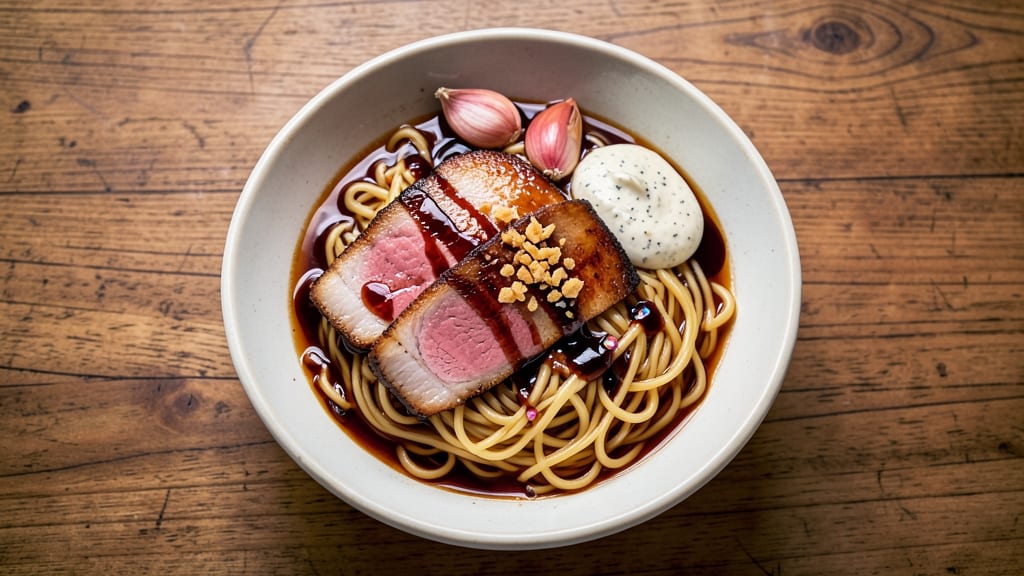
This pork loin ramen recipe transforms a simple weeknight dinner into a restaurant-worthy experience with a smoky garlic butter sear and silky broth that clings to every noodle.
The secret lies in balancing rich, umami-packed broth with tender pork that practically melts in your mouth—no shortcuts, just layers of flavor built through slow cooking and precise searing techniques.
What sets this recipe apart is the dual-texture approach: crispy, caramelized edges on the pork loin from the garlic butter sear, contrasted with the velvety, aromatic broth that simmers for hours.
We're using a shoyu-based foundation (soy sauce-infused) for depth, then elevating it with miso for complexity and a touch of honey to balance the saltiness—no artificial ingredients, just pure, developed flavor.
The result is a plated ramen experience where each component plays its part: al dente noodles soaking up the broth, perfectly sliced pork loin that stays tender, and an array of garnishes (soft-boiled egg, mushrooms, and green onions) that add color and texture.
This isn’t just ramen—it’s a complete, satisfying meal that feels luxurious without requiring hours of prep.
Whether you're serving this for a date night or a casual family dinner, the smoky aroma alone will have everyone gathered around the table. The best part? Every bite delivers that perfect harmony of textures and flavors—crispy, creamy, savory, and umami-rich—all in one spoonful. Let’s get cooking.
Ingredients for pork loin ramen
Balancing rich pork sear and silky shoyu broth requires these fourteen precision ingredients.
| Ingredient | Amount | Notes |
|---|---|---|
| Pork Loin 🐖 | 1 ½ lb | Center-cut, bone-in preferred |
| Fresh Garlic Cloves 🧄 | 12 cloves | Minced for sear and broth |
| Unsalted Butter 🧈 | ½ cup | Cold, cubed for sear |
| Shoyu Ramen Noodles 🍜 | 2 packages | 8 oz each, al dente cooked |
| Japanese Soy Sauce (Shoyu) 🍶 | ½ cup | Kikkoman preferred |
| White Miso Paste 🧈 | 2 tbsp | Aged 1-2 years for depth |
| Honey 🍯 | 1 tbsp | Wildflower preferred |
| Dashi Powder 🍵 | 1 tbsp | Instant or homemade |
| Dried Shiitake Mushrooms 🍄 | 4 whole | Rehydrated for broth |
| Fresh Green Onions 🧅 | 4 whole | Sliced for garnish |
| Soft-Boiled Eggs 🥚 | 2 whole | 6-minute cook |
| Vegetable Oil 🫒 | 2 tbsp | High smoke point |
| Ground Black Pepper 🌶️ | ½ tsp | Freshly cracked |
| Diamond Crystal Kosher Salt 🧂 | 1 ½ tsp | Adjust to taste |
The pork loin is non-negotiable—center-cut bone-in delivers maximum flavor and texture contrast. Source from Whole Foods or your local butcher for the best marbling, as lean cuts won't develop that coveted caramelized crust. If using pre-sliced pork loin, ask for 1-inch thick slices to ensure proper searing. The garlic should be freshly minced just before cooking to preserve its volatile oils, which carry that signature smoky aroma. For the butter, European-style unsalted (like Plugrá) has higher fat content for superior searing performance.
No shoyu? Japanese-style soy sauce with 15% salt content works in a pinch, though it lacks the delicate sweetness of true shoyu. The miso paste must be white—red miso will overpower the broth's delicate balance. Substituting honey? Maple syrup at a 1:1 ratio maintains the same viscosity but with earthier notes. For the dashi, Hondashi powder dissolves completely, while homemade versions require straining. The shiitake mushrooms should be rehydrated in hot broth (not cold water) to preserve their umami intensity. If you can't find dried shiitake, cremini mushrooms work but lack the same depth of flavor**.
Pork loin slices should rest 10 minutes post-sear before slicing to retain juices. Store cooked pork in airtight containers with broth for up to 3 days—the flavors meld beautifully overnight. The miso paste freezes well for 6 months, while dried shiitake keep indefinitely in a cool, dark pantry. For meal prep, cook noodles al dente, rinse in cold water, and store separately to prevent sogginess. Reheat broth components first, then noodles—never microwave ramen directly, as it turns mushy.
Why You'll Love This Recipe
- Garlic Butter Magic: I slice that pork loin thin, sear it in butter with garlic until it’s golden and caramelized—that rich aroma alone makes the whole kitchen smell like a ramen shop. The butter clings to the meat, and the garlic? It’s the secret weapon here, turning simple noodles into something deeply savory.
- Weeknight Hero: Honestly, this is my go-to when I’m too tired to think. Toss the pre-boiled noodles in the same pan as the pork, splash in a little shoyu, and boom—dinner’s done. No chopping mountains of veggies, no fancy techniques, just warm, satisfying bites in under 25 minutes.
- Leftover Goldmine: Between us, this ramen begs for seconds, and the leftovers? Even better the next day. The pork stays tender, the broth (if you make one) deepens, and I’ll often repurpose it into fried rice or a quick stir-fry. Zero waste, all flavor.
- Budget-Friendly Luxury: Pork loin might sound fancy, but it stretches further than you’d think when sliced thin. A single loin feeds four, and the shoyu and butter keep costs low while making it taste like you splurged. Plus, ramen noodles are cheap—this recipe feels indulgent without breaking the bank.
Step-by-step instructions for smoky garlic butter pork loin ramen
Master this technique and you'll transform simple ramen into a restaurant-worthy dish.
Sear the Pork Loin with Garlic Butter
Pat the 1.5 lb pork loin completely dry with paper towels. Season generously with 1.5 tsp diamond crystal kosher salt and 0.5 tsp ground black pepper on all sides. Let it sit at room temperature for 15 minutes while you prepare the sear.
Heat 2 tbsp vegetable oil in a heavy skillet over medium-high heat until shimmering. Add the pork loin and sear for 4-5 minutes per side until deeply browned with a crisp exterior. Remove and set aside, reserving the rendered fat in the pan.
In the same pan, add the 0.5 cup cold, cubed unsalted butter and 12 cloves minced fresh garlic cloves. Cook for 1-2 minutes until the garlic becomes fragrant but doesn't brown. This butter-garlic mixture will become the flavor base for your ramen.
Build the Umami-Packed Broth
Increase heat to medium-high and add 0.5 cup Japanese soy sauce (shoyu), 2 tbsp white miso paste, 1 tbsp honey, and 1 tbsp dashi powder. Stir vigorously to scrape up any browned bits from the pan - these contain concentrated flavor. Let the mixture simmer for 3-4 minutes until slightly reduced and glossy.
While the sauce reduces, prepare the 4 whole dried shiitake mushrooms by soaking them in 2 cups hot water for 20 minutes. Strain the mushrooms, reserving the soaking liquid. Add the mushrooms to the pan and cook for 2 minutes to infuse their earthy flavor into the broth.
Strain the broth through a fine-mesh sieve into a clean pot, pressing on the mushrooms to extract maximum flavor. Return the strained broth to the pan and simmer gently for 5 minutes to meld all the flavors. The broth should be deep amber with a rich aroma.
Cook the Ramen Noodles and Prepare Garnishes
Bring a separate pot of water to a rolling boil and cook the 2 packages shoyu ramen noodles for 2 minutes less than package instructions. They'll finish cooking in the broth. Drain and set aside, reserving 1 cup of pasta water.
Prepare the garnishes: slice the 4 whole fresh green onions into ¼-inch pieces. For the 2 whole soft-boiled eggs, prepare them by boiling for 6 minutes in simmering water, then shocking in ice water before peeling and halving lengthwise.
Assemble and Finish the Ramen
Divide the cooked ramen noodles among 4 bowls. Ladle the hot broth over the noodles until each bowl is ¾ full. The noodles should be fully submerged in the aromatic liquid.
Return the seared pork loin to the pan and slice it into ¼-inch thick pieces against the grain. Divide the pork evenly among the bowls, then top each serving with ½ of a soft-boiled egg, 1 tbsp green onions, and a generous drizzle of the reserved garlic butter from the pork sear.
To finish, add 1-2 tablespoons of reserved pasta water to each bowl to adjust consistency. The final ramen should have silky broth, tender pork, and perfectly balanced umami-sweet-spicy flavors in every bite. Serve immediately while hot.
Pro Tips For Making Pork Loin Ramen
- Sear the Pork First: Hit that pork loin with a screaming-hot pan—no butter yet—until it’s deep golden, not just pink. I used to rush this and ended up with bland slices; a proper crust locks in flavor when it hits the broth later.
- Mince Garlic Like Snow: Finely chop those cloves into a paste with the flat side of your knife—no need for a press. Raw, uneven garlic burns instantly in butter and ruins the whole dish; this way, it melts into silk.
- Don’t Boil the Noodles: Shock the ramen in ice water immediately after cooking—even if it’s just 2 minutes in boiling water. Overcooked noodles turn mushy, and no one wants sad, limp ramen in their bowl.
- Finish with Butter: Toss the cooked pork and noodles in a splash of hot broth, then swirl in that unsalted butter with a spoon. It coats everything like a rich, velvety hug—skip this, and you’re missing the soul of the dish.
Troubleshooting perfect results
Broth Too Salty?
If your broth tastes overly salty, don't panic—this happens more often than you'd think with shoyu and miso. The easiest fix is to add 1-2 tbsp of cold water to each bowl before serving. The heat will help dilute the saltiness while keeping the broth silky.
For a more dramatic adjustment, reduce the broth by 25% on the stovetop (simmer uncovered) to concentrate flavors naturally. Remember, pork loin absorbs broth, so the actual saltiness per bite is often milder than it seems at first taste. 💡
Pork Loin Dry?
Over-searing or slicing too thin are the usual culprits for dry pork loin. To prevent this, sear just until the exterior reaches 145°F internal temperature—not until it's deeply browned all the way through.
Let it rest for 10 minutes before slicing, and cut against the grain into ¼-inch slices. If it's already dry, try this trick: add 2 tbsp of the reserved garlic butter to the pork slices in the bowl. The fat will help tenderize them slightly and add moisture. 🌟
Broth Too Thin?
A thin broth usually means the miso or shoyu didn't meld properly. The fix is simple: simmer the broth uncovered for an extra 10-15 minutes to reduce it by 20-30%.
For an instant upgrade, stir in 1 tsp of cornstarch mixed with 2 tbsp cold water and cook for 1 minute—this thickens without altering flavor.
If you're short on time, add ¼ cup of reserved pasta water (from cooking the noodles) to each bowl to create a richer mouthfeel. ⚡
Noodles Mushy?
Overcooking noodles is a classic ramen mistake, but it's easily avoided. Cook them for 2 minutes less than package instructions, then finish them in the hot broth. If they're already too soft, drain them and rinse briefly in cold water, then toss with 1 tsp vegetable oil to prevent sticking.
For extra texture, add 1 tbsp of toasted sesame seeds to each bowl—they'll add crunch and balance the silky broth. 💛
Garlic Burnt?
Burnt garlic ruins the delicate balance of flavors in this recipe. To avoid this, keep the heat at medium-low when cooking the garlic butter. If it does burn, immediately remove the pan from heat and strain out the burnt pieces.
Replace the flavor by adding ½ tsp of garlic powder and ½ tsp of smoked paprika to the broth. For a natural fix, stir in 1 tsp of honey to mellow the bitterness. The key is to cook garlic just until fragrant—about 1-2 minutes**—never until golden. 🔥
Nutrition facts
Frequently asked questions
Can I substitute pork loin with another cut?
Yes! For a richer flavor, use pork belly (sear until crispy) or pork shoulder (slow-cook until tender). Bone-in cuts add depth, but boneless works too—just reduce cooking time by 5-10 minutes. Avoid lean cuts like tenderloin, as they lack the fat needed for flavorful broth.
How do I make this vegetarian?
Replace pork loin with shiitake mushrooms (sautéed with garlic butter) or tofu (pressed and pan-seared). Boost umami by adding 1 tbsp soy sauce + 1 tsp mushroom powder to the broth. For extra protein, top with marinated tempeh instead of soft-boiled eggs. The broth remains the star!
Can I prep this ahead of time?
Cook the broth and pork loin 1 day ahead—store separately in airtight containers. Reheat broth gently, then add noodles fresh. Garnishes (eggs, green onions) should be prepped last minute. For a shortcut, freeze cooked pork in broth for up to 3 months. Just thaw overnight before serving.
What if I don’t have shoyu ramen noodles?
Use egg noodles or udon for a chewier texture. For authentic flavor, add 1 tsp sesame oil to the broth. Avoid wheat-based noodles—they’ll overpower the delicate pork and garlic butter balance. Cook fresh noodles 1 minute less than package instructions.
How spicy should this be?
The recipe is designed to be mildly savory, but you can add heat! Stir in ½ tsp gochujang (Korean chili paste) or 1 tsp sriracha when assembling bowls. For smoky spice, top with chili oil or crispy fried shallots. Adjust to taste—everyone’s spice tolerance differs!