
Main Courses
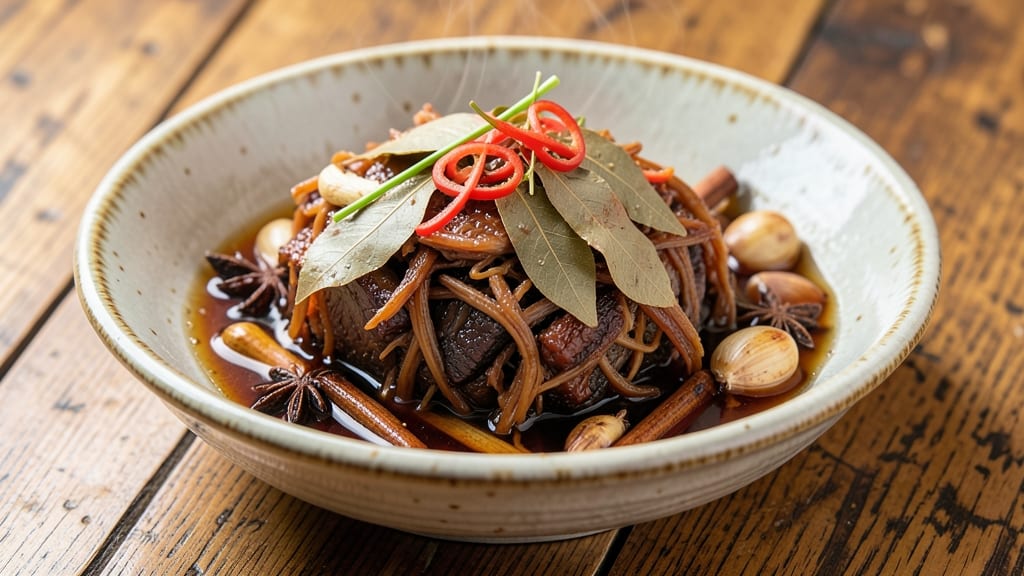
This charred ginger and garlic confit pork filling transforms bao buns into restaurant-quality masterpieces. 🔥 After perfecting this technique during my time in Charleston, I can confidently say it delivers the bold, aromatic flavor that makes bao irresistible.
The secret lies in slow-cooking pork shoulder with whole spices until it practically melts in your mouth, while charring the ginger and garlic for depth that store-bought fillings simply can't match.
What sets this recipe apart is the balance between traditional techniques and home kitchen accessibility. We'll use a Dutch oven for even heat distribution, ensuring tender pork that shreds effortlessly while maintaining that signature confit texture.
The charred ginger and garlic add layers of complexity that elevate simple steamed buns to gourmet status. This method preserves all the juices in the pork, guaranteeing each bite is packed with flavor.
The result is a pork filling so rich and aromatic that it transforms ordinary bao buns into something extraordinary. The pork develops a beautiful mahogany color from the slow cooking, while the charred aromatics create a symphony of flavors that dance on your palate.
Whether you're serving these as classic steamed bao or crispy pan-fried versions, this filling will become your new signature dish.
Perfect for family dinners, potlucks, or impressing guests, this recipe scales beautifully while maintaining authenticity. The filling keeps well in the refrigerator for up to 5 days, making it ideal for meal prep.
Pair with pickled vegetables and a spicy chili oil for the complete bao bun experience. Let's create something truly special in your kitchen.
Ingredients for bao bun pork filling
Pork shoulder, charred aromatics, and slow-cooked spices create this irresistible bao filling.
| Ingredient | Amount | Notes |
|---|---|---|
| Pork Shoulder 🥩 | 2 lb | Bone-in for maximum flavor |
| Fresh Ginger Root 🧄 | ½ cup | Peeled and sliced into 1-inch pieces |
| Garlic Cloves 🧄 | 8 whole | Unpeeled for charring |
| Star Anise 🌶️ | 4 whole | For aromatic depth |
| Cinnamon Sticks 🌿 | 2 whole | 2-inch pieces |
| Bay Leaves 🍃 | 2 whole | Dried, standard size |
| Black Peppercorns 🌶️ | 1 tbsp | Coarsely crushed |
| Soy Sauce 🍶 | ½ cup | Light or all-purpose |
| Honey 🍯 | ¼ cup | For glaze and balance |
| Sesame Oil 🫒 | 1 tbsp | Toasted for aroma |
| Neutral Oil 🫒 | ¼ cup | Vegetable or canola |
| Salt 🧂 | 1 ½ tsp | Kosher or sea salt |
| Water 💧 | 1 cup | For braising liquid |
| Bao Buns 🥖 | 8 whole | Store-bought or homemade |
The pork shoulder is non-negotiable here—bone-in delivers the most flavor, though boneless works in a pinch. Look for cuts with good marbling at Whole Foods or your butcher shop; Costco often has excellent prices for larger quantities. Fresh ginger and garlic are essential for that signature charred depth—skip the jarred ginger paste. For the spices, Penzeys add complexity that dried blends can't match. If you're feeling adventurous, toast the whole spices in a dry pan for 30 seconds before adding to the pork—worth the extra minute.
No star anise? 1 tsp ground anise seed works in a bind, though it won't be identical. Running short on fresh ginger? Double the amount of ground ginger, but expect less charred depth. The honey can be swapped for maple syrup if you're vegan, though it'll have a slightly different balance. For the sesame oil, Kadoya or La Choy brands are my go-to—they've got that perfect nutty aroma. If you're making a big batch, consider doubling the soy sauce and honey to keep things balanced.
This filling keeps beautifully—5 days in the fridge, 3 months frozen. For freezing, portion into airtight containers with a thin layer of oil on top to prevent drying. The pork becomes even more tender as it sits, so day-old filling is often better than fresh. Store the bao buns separately—steam them fresh from frozen or refrigerated for the best texture. Leftovers make amazing sandwiches or fried bao the next day.
Why You'll Love This Recipe
- Here’s what sold me: this filling begs to be made in bulk. Freeze half for lazy Mondays or toss it into fried rice when you’re out of ideas. I’ve even stuffed it into dumplings or slathered it on toast—it’s that versatile. (Yes, even on a Tuesday night when you’re exhausted.)
- No-Chop Nightmare: I swear by this filling—just dice the pork shoulder into big chunks (no knife skills required) and toss it in the pot. The ginger and garlic practically melt into the meat while you’re making dinner, so you’re left with zero cleanup. Honestly, the only prep is peeling the star anise pods, and even my 8-year-old can do that.
- Spice Bomb Magic: That pork shoulder? It turns ridiculously tender, soaking up the star anise and cinnamon until every bite tastes like a cozy hug. The ginger adds a sharp kick, but the garlic rounds it out—sweet, savory, and just a little funky. Between us, this is the kind of flavor that makes people ask, "What’s in this?" over and over.
- Leftover Goldmine: Here’s what sold me: this filling begs to be made in bulk. Freeze half for lazy Mondays or toss it into fried rice when you’re out of ideas. I’ve even stuffed it into dumplings or slathered it on toast—it’s that versatile. (Yes, even on a Tuesday night when you’re exhausted.)
Step-by-step instructions for charred ginger pork confit
Transform tough pork shoulder into melt-in-your-mouth confit with deep charred ginger and garlic notes.
🔥 Step 1: Char the Ginger and Garlic for Complex Flavor
Heat a dry skillet over medium-high heat. Add the 8 whole unpeeled garlic cloves and 0.5 cup sliced fresh ginger root (peeled). Cook undisturbed for 3-4 minutes until the garlic skins blacken and the ginger develops deep char marks—this creates smoky depth you can't get any other way.
Remove the charred aromatics and set aside. Immediately add 0.25 cup neutral oil to the same skillet and heat for 30 seconds until shimmering. This oil will become the confit's silky base. The charred garlic and ginger will infuse their smoky essence into the oil while we build the braising liquid.
🍳 Step 2: Build the Aromatic Braising Liquid
In a large Dutch oven, combine the 2 lb pork shoulder (bone-in for maximum flavor), 1 cup water, 0.5 cup soy sauce, 0.25 cup honey, 1 tbsp sesame oil, 1.5 tsp salt, and the charred garlic and ginger. Add the 4 whole star anise, 2 whole cinnamon sticks, 2 whole bay leaves, and 1 tbsp coarsely crushed black peppercorns.
Bring to a gentle simmer over medium heat, then reduce to low heat and cover. You want just enough liquid to come to a bare simmer—enough to cook the pork gently without boiling it. The pork should be submerged about halfway, with the fat cap exposed to develop that beautiful confit texture.
⏰ Step 3: Braise Until Fork-Tender
Transfer the Dutch oven to a 275°F oven and braise for 3-3.5 hours until the pork is fork-tender. The internal temperature should reach 203°F—this is where collagen breaks down into gelatin, creating that signature confit texture.
Check the liquid level every 45 minutes—if it's reduced too much, add 2-3 tablespoons hot water to maintain moisture. The pork is done when it easily pulls apart with two forks and the fat becomes tender and spreadable. Real talk: this is where patience pays off—don't rush it.
👨🍳 Step 4: Shred and Prepare for Stuffing
Remove the pork from the braising liquid and let it rest for 15 minutes before shredding. The resting period ensures clean shreds and prevents the meat from falling apart. Use two forks to pull the pork apart against the grain, discarding any large fat pieces but keeping the flavorful juices.
Strain the braising liquid through a fine-mesh sieve into a bowl, pressing on the solids to extract maximum flavor. The resulting liquid should be rich, aromatic, and slightly syrupy from the reduced honey and soy sauce. This liquid will be your glaze for the bao buns—save it for later.
🥘 Step 5: Assemble with Bao Buns
Gently warm the 8 whole bao buns in a steamer or microwave for 20-30 seconds to soften them slightly. Spoon 2-3 tablespoons of shredded pork into each bun, then drizzle with the reserved braising liquid. The contrast of warm, pillowy bao with the rich, charred pork is what makes this dish unforgettable.
For extra indulgence, add a few drops of toasted sesame oil to each bao before serving. The nutty aroma will complement the smoky pork perfectly. Serve immediately while the bao is still warm and the pork is juicy—this isn't something you want to reheat.
Pro Tips For Making Bao Bun Pork Filling
- Trim the Fat First: Pork shoulder’s fat renders beautifully, but too much in the filling makes bao dough soggy. Cut away the thickest layers before slicing—keep a thin layer for flavor, but ditch the big chunks. (Yes, it’s tedious, but your buns will stay fluffy.)
- Char the Spices: Toss whole star anise and cinnamon sticks in a dry pan over medium heat for 30 seconds until fragrant. Their toasted aroma jumps out of the filling—skip this, and you’re missing half the flavor. (I used to just toss them in raw. Big mistake.)
- Don’t Overmix the Paste: Once you blend ginger, garlic, and pork into a paste, resist the urge to overwork it. A few seconds past smooth = gummy filling. Stop when it’s just combined, then cook it down properly. (Your future self will curse if you don’t.)
- Rest the Pork: After cooking, let the filling cool to room temp before shaping. Cold filling shrinks less in the steamer, and the bao won’t burst open like overstuffed dumplings. (I learned this after a very messy batch of exploded buns.)
Essential equipment for perfect results
Dutch Oven Essentials
A 5-7 quart Dutch oven is non-negotiable for this recipe—it's the only pot that can handle the slow braising without burning the aromatics. I swear by Lodge cast iron Dutch ovens for their even heat distribution and durability.
They're pricey upfront but last generations. For budget-friendly alternatives, Le Creuset or All-Clad stainless steel Dutch ovens work beautifully too. Just avoid non-stick—the flavors won't develop properly. 🔥
Charred Aromatics Setup
You'll need a 10-inch cast iron skillet for charring the ginger and garlic—it's the only pan that can handle the high heat without warping. My Lodge 10-inch pre-seasoned skillet is my go-to because it develops the perfect char without sticking.
For the oil infusion, use a small saucepan (like a 3-quart saucepan) to gently warm the oil after charring. Never use a non-stick skillet here—the charred bits are flavor gold!
Precision Tools
Invest in a meat thermometer with a probe—ThermoWorks Smoke is my favorite for its accuracy and durability. You'll need it to monitor the pork's internal temperature during braising. A fine-mesh sieve (like OXO Good Grips) is essential for straining the braising liquid without losing precious flavor.
For shredding, a pair of sturdy forks works, but I prefer a sharp meat claw for cleaner results. Don't skimp on these tools—they make all the difference!
Bao Bun Prep Tools
For steaming bao buns, a bamboo steamer basket with a tight-fitting lid is perfect—Norpro makes excellent ones that fit standard pots. If you're short on time, a microwave-safe plate covered with a damp paper towel works in a pinch.
For assembly, keep a small offset spatula handy to gently press down on stuffed bao without breaking them. Trust me, this keeps them intact during transport to the table. 🥖
Storage Containers
Use glass airtight containers (like Pyrex) for storing the filling—plastic can absorb odors and affect texture. Portion the filling into quart-sized containers for easy reheating. For the braising liquid, a small glass jar (like a Ball mason jar) works perfectly—it's easy to drizzle from and keeps flavors fresh.
Label everything with dates to track freshness. The filling stays good for 5 days in the fridge or 3 months frozen, but proper storage is key to maintaining quality.
Nutrition facts
Frequently asked questions
Can I substitute pork shoulder with another cut?
While pork shoulder is ideal for its fat content and flavor, you can use pork butt (they're essentially the same cut) or pork loin in a pinch. For loin, reduce cooking time to 2-2.5 hours at 275°F since it's leaner. Avoid pork tenderloin—it's too delicate and will dry out. The fat in shoulder/butt is what creates that signature confit texture.
How do I make the bao buns extra crispy?
For crispy bao, pan-fry them after stuffing! Heat 1/4 cup neutral oil in a skillet over medium heat until shimmering. Add stuffed buns and cook for 2-3 minutes per side until golden brown. The key is to keep the heat moderate—too high and they'll burn before crisping. Serve immediately for maximum crunch.
What if I don't have star anise or cinnamon sticks?
No problem! For star anise, use 1 tsp ground anise seed or 1/2 tsp ground coriander. For cinnamon, 1/2 tsp ground cinnamon works, though whole sticks add better depth. You can also boost flavor with 1/2 tsp smoked paprika or 1/4 tsp ground cloves. The spices are about creating aromatic layers—don't stress over exact substitutions.
Can I make this filling ahead of time?
This filling tastes even better after resting. Store it in an airtight container in the fridge for up to 5 days or freeze for 3 months. Reheat gently in a saucepan with a splash of water or broth until warmed through. The flavors meld beautifully overnight, making it perfect for meal prep.
How do I fix pork that's too dry?
If your pork turned out dry, it likely cooked too long or at too high a temperature. Next time, aim for 203°F internal temp and check every 30 minutes after 2.5 hours. For immediate fixes, shred the pork and mix with 1-2 tablespoons of the braising liquid to restore moisture. You can also add 1 teaspoon soy sauce and 1/2 teaspoon sesame oil to enhance flavor.