
Main Courses
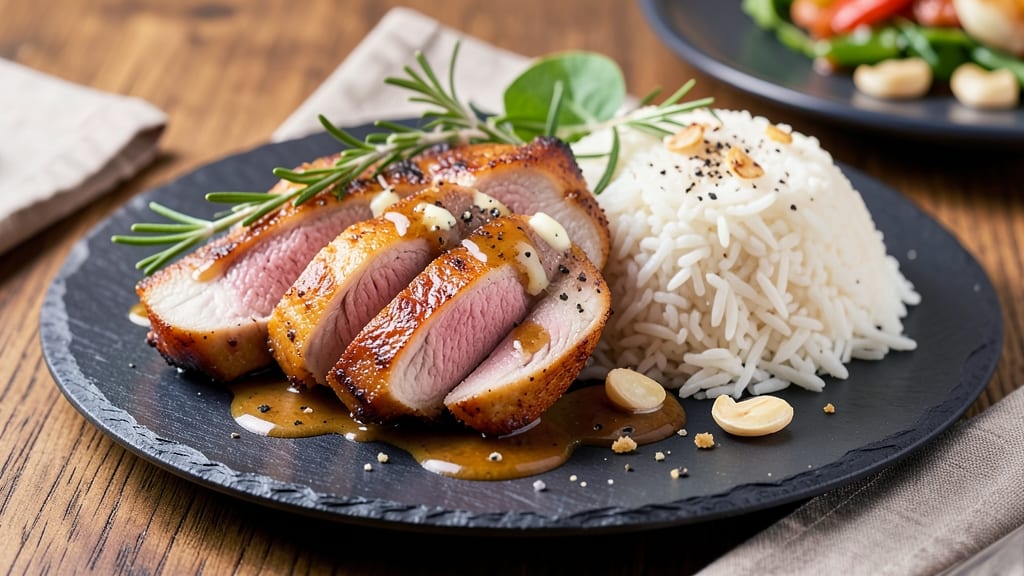
This pork tenderloin and rice recipe delivers restaurant-quality tenderness in just 45 minutes using a simple one-pan technique that transforms lean pork into melt-in-your-mouth perfection.
The secret lies in searing the meat first to lock in juices, then finishing it with garlic butter while the rice steams below—no cross-contamination, no extra dishes. I developed this method after years of battling dry pork, and it never fails to impress, even with the pickiest eaters.
The beauty of this recipe is its versatility—you can use white, brown, or jasmine rice, and the garlic butter infuses the grains with rich, savory flavor while they cook.
For extra depth, I recommend a quick sear on the pork before roasting, which creates a golden crust that contrasts beautifully with the tender interior. The dish pairs effortlessly with roasted vegetables or a simple green salad, making it perfect for weeknight dinners or special occasions.
By the time you're done, you'll have perfectly cooked pork tenderloin—juicy, flavorful, and foolproof—paired with aromatic rice that's infused with garlic and butter. The one-pan approach ensures minimal cleanup, while the technique guarantees tender meat every time.
This is the kind of meal that makes cooking feel like a triumph, not a chore.
Serve with a drizzle of pan juices and fresh herbs for a restaurant-worthy finish. Whether you're feeding a family or treating yourself to a special meal, this recipe delivers consistent, impressive results with minimal effort. Let's get cooking!
Ingredients for pork tenderloin and rice
Pantry staples plus a few fresh herbs—this one-pan combo delivers restaurant-quality pork every time.
| Ingredient | Amount | Notes |
|---|---|---|
| Pork Tenderloin 🥩 | 1 ½ lb | Trimmed of silver skin |
| Long-Grain White Rice 🍚 | 1 ½ cups | Uncooked, any variety |
| Unsalted Butter 🧈 | ½ cup | Cold for searing |
| Garlic Cloves 🧄 | 6 whole | Minced for butter sauce |
| Chicken Broth 💧 | 1 ½ cups | Low-sodium preferred |
| Fresh Rosemary 🌿 | ¼ cup | Chopped, or dried substitute |
| Fresh Thyme 🌿 | ¼ cup | Leaves only, chopped |
| Salt 🧂 | 1 ½ tsp | Kosher or sea salt |
| Ground Black Pepper 🌶️ | 1 tsp | Freshly ground preferred |
| Olive Oil 🫒 | 2 tbsp | For searing pork |
| Lemon Juice 🍋 | 1 tbsp | Freshly squeezed |
| Fresh Parsley 🌿 | ¼ cup | Chopped, for garnish |
The pork tenderloin is your star here. Look for even-sized pieces—thicker cuts need extra time to cook through. Most grocery stores carry it pre-trimmed, but if you're buying whole, ask the butcher to remove the silver skin—it's tough and unappetizing. I always grab mine from Costco when I'm doing a big batch, but the regular supermarket stuff works just fine for this. The rice? White, brown, or jasmine—whatever you've got. Just make sure it's not pre-cooked or instant, or the one-pan technique won't work right. For the herbs, fresh is ideal, but dried rosemary and thyme at half the amount won't ruin the dish if you're in a pinch.
No fresh rosemary? Dried works in a pinch, but trust me—fresh makes all the difference. The butter matters here too. Use unsalted so you control the seasoning, and let it sit at room temperature for 30 minutes before using. For the garlic, I always grab extra—half goes in the butter, half gets minced for the rice. No chicken broth? Vegetable broth works perfectly, just check the sodium. The olive oil is just for searing—don't skimp on quality here. That's where the flavor starts. And if you're feeling fancy, swap the parsley for cilantro or chives at the end.
This dish reheats beautifully—honestly tastes better the next day once everything melds. Store leftovers in an airtight container for up to 4 days in the fridge. For longer storage, freeze portions for 3 months. I always make a double batch because the leftovers make amazing sandwiches. The pork stays juicy when reheated, and the rice soaks up all the garlic butter goodness. Pro tip: save the pan drippings—they're perfect for a quick sauce or to deglaze for another meal.
Why You'll Love This Recipe
- One-Pan Magic: I swear by this for nights when I’d rather not wash a million dishes. Sear the pork in butter, toss the rice and broth in the same pan, and let it all simmer together. Boom—one pan, zero stress, and a meal that actually feels intentional.
- Garlic Butter Love: That moment when you slice into tender pork, still juicy, with crispy edges kissed by garlic and butter? It’s the kind of flavor that makes you pause mid-bite. Honestly, the broth reduces into a glossy sauce that coats every grain of rice—no extra work, just pure satisfaction.
- Leftovers I Actually Crave: Between us, this recipe makes way more than I need for dinner. The pork stays tender for days, and the rice doesn’t turn to mush—it’s the kind of leftovers I’ll eat cold for lunch or reheat with a fried egg on top. (Yes, even on a Tuesday.)
- Budget Meal, Restaurant Feel: Pork tenderloin is lean but packed with flavor, and long-grain rice stretches further than you’d think. I’ve fed four people for under $15 with this, and no one ever guesses it’s not takeout. The butter and garlic make it feel fancy without breaking the bank.
Step-by-step instructions for one-pan garlic butter magic
This method delivers perfectly tender pork with fluffy rice—all in one pan with minimal cleanup.
Sear the Pork Tenderloin for Maximum Flavor
Pat the 1.5 lb pork tenderloin completely dry with paper towels—this is crucial for that golden crust. Heat a large oven-safe skillet over medium-high heat and add the 2 tablespoons olive oil. Once hot, add the pork and sear for 4-5 minutes per side until it develops a deep golden brown color.
I press down gently on the pork during the first minute—this prevents it from curling and ensures even contact with the pan. The pork should release easily when ready to flip. Remove it from the pan and set aside on a plate. Don't walk away—this is when the magic starts building in that skillet.
Sauté Aromatics and Toast the Rice
In the same skillet (no need to wipe it clean—those browned bits are flavor gold), add the 0.5 cup cold unsalted butter and let it melt over medium heat. Once melted, add the 6 minced garlic cloves, 0.25 cup chopped fresh rosemary, and 0.25 cup chopped fresh thyme. Sauté for 1-2 minutes until the garlic is fragrant but not browned—burnt garlic tastes bitter, and we're going for flavor, not medicine.
Add the 1.5 cups long-grain white rice and stir to coat it evenly in the butter and aromatics. Cook for 2 minutes, stirring constantly, until the rice turns translucent at the edges. This step toasts the rice, giving it a nutty depth that plain rice lacks. If the butter starts to brown too quickly, reduce the heat slightly.
Deglaze and Simmer the Pork
Pour in the 1.5 cups chicken broth and scrape up all those delicious browned bits from the bottom of the pan with a wooden spoon. Return the pork to the skillet, nestling it into the rice. Sprinkle with 1.5 teaspoons salt and 1 teaspoon ground black pepper, then add the 1 tablespoon lemon juice. The acidity will brighten the flavors and help tenderize the meat.
Bring everything to a gentle simmer, then cover the skillet with a tight-fitting lid. The goal here is to cook the pork and rice slowly and evenly. Transfer the skillet to a preheated 375°F oven and cook for 25-30 minutes. You'll know it's done when the pork reaches an internal temperature of 145°F and the rice is tender but still has a slight bite.
Rest and Garnish for Presentation
Remove the skillet from the oven and let everything rest, covered, for 10 minutes. This resting period allows the pork to retain its juices instead of releasing them onto the cutting board. If you're impatient (I know the smell will be torturing you), just wait—trust me, it's worth it.
Once rested, use a fork to fluff the rice gently, then sprinkle with the 0.25 cup chopped fresh parsley. The parsley adds a pop of color and freshness that cuts through the richness of the garlic butter. Serve the pork sliced over the rice, letting that delicious pan sauce coat everything. Each bite should deliver tender pork, fluffy rice, and layers of aromatic garlic butter.
Pro Tips For Making Pork Tenderloin And Rice
- USE A MEAT THERMOMETER: Pork tenderloin is lean and dries out fast—pull it at 140°F internal temp, not 160°F. I learned this the hard way after serving a batch that was technically "done" but tasted like shoe leather.
- MINCE THAT GARLIC FINE: Skip the crushed cloves—grate or finely mince the garlic so it dissolves into the butter instead of sitting in stubborn chunks. Your rice will taste like it came from a restaurant, not a shortcut.
- DON’T SKIP THE BUTTER BATH: After searing the pork, deglaze the pan with broth and add a pat of cold butter at the end. The butter emulsifies into the sauce, making it silky instead of thin—this is the thing that matters most for flavor.
- COOK RICE IN BROTH, NOT WATER: Use half chicken broth, half water for the rice—it adds depth without making the grains mushy. And for heaven’s sake, don’t stir it after the initial boil, or you’ll end up with glue.
Troubleshooting great pork tenderloin and rice
Pork Too Dry?
Overcooking is the #1 cause of dry pork. Use a meat thermometer—remove the tenderloin when it hits 140°F (it'll rise to 145°F while resting). I've ruined pork by ignoring this rule, so don't make my mistake!
If your pork feels dry after cooking, try this fix: Place it in a warm oven (200°F) for 10 minutes with a splash of broth or water to rehydrate.
Rice Undercooked?
If your rice isn't tender after 25-30 minutes, it likely needs more moisture. Add ¼ cup hot water or broth, cover, and return to the oven for 10 more minutes.
For next time, use 1.75 cups rice instead of 1.5 cups—this gives a little extra buffer for absorption. I always test my rice by pressing a grain with my fork; it should be soft but not mushy.
Butter Burning?
Cold butter is your friend here. If your butter starts browning too quickly, reduce heat to medium-low and let it melt gradually. I've seen people rush this step and end up with burnt garlic butter—trust me, it's not worth it.
For extra insurance, melt the butter in a separate pan first, then pour it into the skillet with the pork.
Uneven Cooking?
If your pork and rice cook unevenly, it's likely because the pan wasn't hot enough initially. Make sure your skillet is properly preheated before adding the pork. Also, stir the rice occasionally during the 2-minute toasting step to prevent sticking.
I like to use a 12-inch cast iron skillet—it distributes heat more evenly than nonstick pans.
Lid Not Sealing?
A loose lid causes steam to escape, leading to dry rice and pork. If your lid doesn't fit snugly, try this trick: Place a damp paper towel around the edges before covering. This creates an airtight seal.
For extra insurance, press down firmly on the lid when transferring to the oven. I've had to improvise with foil when my lids were too small—just make sure it's tight!
Flavor Too Mild?
If your dish lacks depth, boost the aromatics. Add ½ teaspoon smoked paprika when sautéing the garlic, or finish with 1 teaspoon fish sauce (trust me, it adds umami magic).
For extra richness, stir in 1 tablespoon heavy cream during the final 5 minutes of cooking. I've found that a pinch of red pepper flakes adds warmth without overpowering.
Nutrition facts
Frequently asked questions
Can I use brown rice instead of white rice in this recipe?
Yes, but you'll need to adjust the cooking time. Brown rice takes about 10-15 minutes longer than white rice to fully cook. Start checking for doneness after 35 minutes in the oven, and add ¼ cup extra broth if needed. The one-pan method still works beautifully—just be patient!
How do I keep the pork tenderloin from drying out?
Never cook it past 145°F internal temperature—use a meat thermometer! The secret is searing first to lock in juices, then finishing gently in the oven. If you're worried, slice the pork thinner (½-inch thick) for quicker, even cooking. A splash of broth during resting also helps revive any dryness.
What's the best way to reheat leftovers?
Reheat gently in the oven at 300°F for 10-15 minutes covered with foil—this keeps the pork moist. For rice-only leftovers, add 1 tablespoon water per cup of rice and microwave for 90 seconds. The flavors actually improve overnight, so leftovers taste even better!
Can I make this recipe without fresh herbs?
Use ½ teaspoon dried rosemary and ½ teaspoon dried thyme instead of fresh. Just toast them in the pan for 30 seconds before adding the rice to release their flavors. For garnish, try ½ teaspoon dried parsley or a pinch of smoked paprika for color.
What sides pair well with this dish?
Roasted Brussels sprouts with bacon, garlic green beans, or a simple arugula salad with lemon vinaigrette all complement this perfectly. For something heartier, try creamy mashed sweet potatoes or sautéed mushrooms. The garlic butter flavor works especially well with roasted carrots or asparagus!