
Main Courses
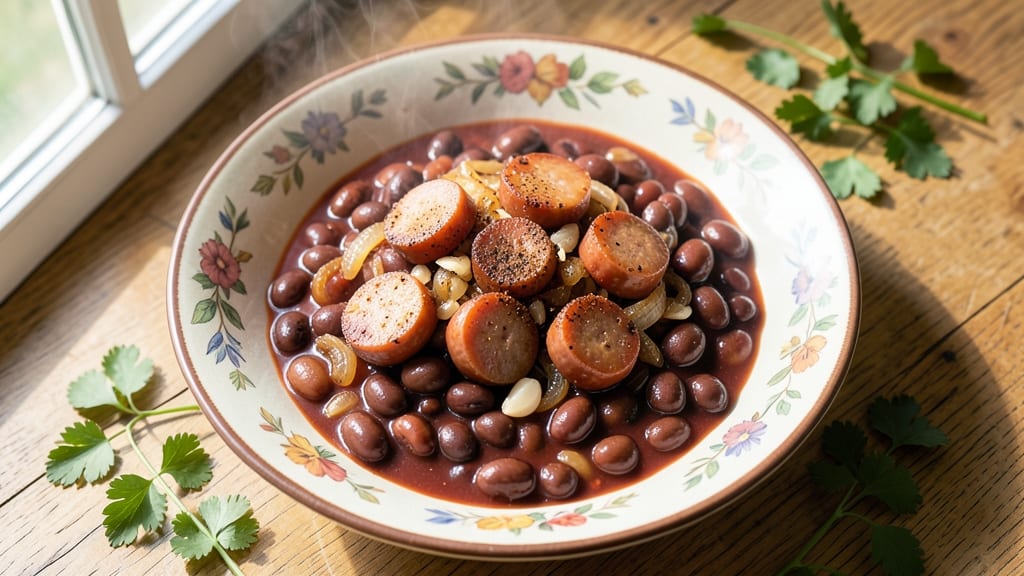
This baked beans with pork sausage recipe delivers the soul-soothing combination of tender pork and rich, smoky beans that's been a Sunday supper staple for generations.
Growing up in small-town Georgia, I learned that the secret to perfect baked beans lies in slow cooking—allowing flavors to meld and develop that deep, caramelized sweetness that makes every bite irresistible.
The magic happens when you brown the pork sausage first, locking in those savory notes before letting everything simmer together for hours. This isn't just a side dish—it's a hearty main course that transforms simple ingredients into something restaurant-quality.
The beans become tender and glossy, while the sausage stays juicy and packed with flavor, creating a harmony that's impossible to resist.
What makes this recipe truly special is its versatility—it works equally well for a family dinner or a crowd-pleasing potluck. The slow-cooked method means you can prepare it ahead of time, letting the flavors deepen even more over time.
Serve it with cornbread for the full Southern experience, or pair it with greens for a complete meal.
I've perfected this recipe over years of cooking for my family and at The Smoky Pig, where we serve hundreds of pounds of pork weekly.
The technique is simple but effective: brown the sausage, layer everything in a Dutch oven, and let it cook low and slow until the beans are tender and the sauce is rich and glossy. Trust me, once you try this version, you'll never go back to canned beans again.
Ingredients for baked beans with pork sausage
Nine simple ingredients transform into a rich, smoky-sweet masterpiece that's perfect for feeding a crowd.
| Ingredient | Amount | Notes |
|---|---|---|
| Dry Navy Beans 🌱 | 2 cups | Uncooked, soaked overnight |
| Pork Sausage Links 🥓 | 1 ½ lb | Kielbasa or smoked preferred |
| Onion 🧅 | 1 whole | Yellow or sweet, chopped |
| Garlic Cloves 🧄 | 4 cloves | Fresh, minced |
| Tomato Paste 🍅 | ½ cup | Smooth, no sugar added |
| Ketchup 🍅 | ½ cup | Heinz preferred |
| Apple Cider Vinegar 🍏 | ¼ cup | For tangy depth |
| Brown Sugar 🍬 | ½ cup | Packed, light or dark |
| Molasses 🍯 | ¼ cup | Unsulphured preferred |
| Mustard 🌶️ | 2 tbsp | Dijon or yellow |
| Smoked Paprika 🌶️ | 1 tbsp | For smoky depth |
| Ground Black Pepper 🌶️ | ½ tsp | Freshly cracked |
| Salt 🧂 | 1 ½ tsp | Kosher or sea salt |
| Vegetable Oil 🫒 | 2 tbsp | For browning sausage |
| Bay Leaves 🌿 | 2 whole | Fresh if possible |
The beans are the heart of this dish, so don't skimp on quality. Dry navy beans are the classic choice—they hold up perfectly to slow cooking and develop that signature creamy texture. Soak them overnight to cut cooking time (trust me, it's worth the extra minute). For the sausage, Kielbasa or smoked links add that deep, smoky flavor, but any pork sausage will work. I always grab mine from Costco when I'm feeding a crowd—they've got the best prices on bulk packages. If you're using pre-cooked sausage, brown it first to render the fat and build flavor. That's where the magic starts.
No smoked paprika? Regular paprika plus a pinch of liquid smoke gets you close. Short on molasses? Maple syrup at half the amount works in a pinch, though it won't be quite as rich. The tomato paste can be the squeeze-tube kind from Trader Joe's—it's perfect for this recipe and lasts forever. If you're making this ahead, the flavors actually get better over time. I've made this for potlucks up to 5 days in advance, and it's always the first dish to disappear. The key is keeping it covered and letting it come to room temperature before serving—no one wants cold, sad baked beans.
This reheats beautifully—just pop it in the oven at 350°F for 20 minutes to warm through. Keeps for 5 days in the fridge, and freezes for 3 months if you portion it into containers. I always make a double batch. One for dinner, one for leftovers that magically disappear. The cornbread pairing? Store-bought is fine, but homemade with jalapeños takes it to the next level. And if you've got extra, freeze portions in single servings—perfect for quick lunches or tailgating.
Why You'll Love This Recipe
- One-Pot Magic: I swear by this recipe when I’m too tired to scrub pots—just toss everything in one dish, cover it, and walk away. The navy beans soften perfectly while the sausage links crisp up, and honestly? The cleanup is just wiping one pan. No stress, no fuss.
- Savory-Sweet Crunch: That caramelized onion and garlic base? Chef’s kiss. The tomato paste deepens the flavor, and the sausage adds a smoky richness that makes every bite feel like a hug. Plus, the beans hold their shape—no mushy disappointment here.
- Tailgate or Tuesday: Between us, this is my go-to for game days and lazy nights. Serve it straight from the oven with cornbread, or pack it in a thermos for a picnic. (Yes, even on a Tuesday.) It’s hearty enough for a crowd but simple enough for two.
- Budget-Friendly Leftovers: Dry beans stretch my grocery budget, and this recipe makes enough for three meals. The sausage adds protein without breaking the bank, and the flavors only get better the next day. Freezer-friendly too—just reheat and enjoy.
Step-by-step instructions for smoky-sweet baked beans with pork sausage
Here's how to create a rich, slow-cooked masterpiece that balances smoky sausage with sweet molasses and tangy vinegar.
Soak and Prepare the Beans
Place the 2 cups dry navy beans in a large bowl and cover them with plenty of cold water—at least 8 cups. Soak overnight or for a minimum of 8 hours. This step is crucial because it dramatically reduces cooking time and ensures tender beans. After soaking, drain and rinse them thoroughly under cold water.
While the beans soak, chop the 1 whole onion into small dice and mince the 4 cloves garlic. I like to use a food processor for the onion to get an even, fine texture that dissolves beautifully into the beans. Keep these aromatics covered in the fridge until you're ready to use them.
Brown the Sausage and Build the Base
Heat the 2 tablespoons vegetable oil in a large Dutch oven over medium-high heat. Add the 1.5 lb pork sausage links and cook until they're deeply browned on all sides, about 8-10 minutes. This browning creates incredible flavor through the Maillard reaction—don't skip it. Remove the sausage and set aside on a plate.
In the same pot, add the chopped onion and cook for 5 minutes until softened. Stir in the minced garlic and cook for another 30 seconds until fragrant. Add the 0.5 cup tomato paste and cook for 2 minutes, stirring constantly to prevent burning. This creates a rich, flavorful base for your beans.
Combine All Ingredients for Slow Cooking
Return the browned sausage to the pot. Add the drained navy beans, 0.5 cup ketchup, 0.25 cup apple cider vinegar, 0.5 cup brown sugar, 0.25 cup molasses, 2 tablespoons mustard, 1 tablespoon smoked paprika, 0.5 teaspoon ground black pepper, and 1.5 teaspoons salt. Stir everything together until well combined.
Add 4 cups of fresh water to the pot and bring to a gentle boil. Once boiling, reduce heat to low, cover with a tight-fitting lid, and let it simmer for 2 hours. The beans should be tender but still have a slight bite. Add the 2 whole bay leaves now—they'll infuse subtle earthy notes as the beans cook.
Simmer to Perfect Texture
After the initial 2 hours, check the beans for doneness. They should be tender enough to mash slightly with a fork but still hold their shape. If they need more time, continue simmering uncovered for another 30-60 minutes, stirring occasionally and adding a splash of water if the mixture becomes too thick.
Here's where the magic happens: the sauce should coat the back of a spoon and have a glossy sheen. If it's too thick, add 1-2 tablespoons of water at a time until you reach the perfect consistency. The beans should be fall-apart tender with a rich, smoky-sweet sauce that clings beautifully.
Rest and Serve Warm
Once the beans reach perfect tenderness, remove the bay leaves and adjust seasoning if needed. For extra richness, you can mash some of the beans lightly with a fork to thicken the sauce. Let the beans rest for 10 minutes before serving—this allows all the flavors to meld together beautifully.
Serve warm with crusty bread or cornbread to soak up every last bit of that smoky-sweet sauce. The contrast of the tender beans with the crispy sausage and rich molasses-ketchup glaze makes this dish unforgettable. Store any leftovers in the refrigerator for up to 5 days, or freeze for up to 3 months for quick meals later.
Pro Tips For Making Baked Beans With Pork Sausage
- SOAK BEANS OVERNIGHT: I learned this the hard way—skipping the soak and relying on quick soaks leaves your beans mealy, no matter how long you bake them. Toss dry navy beans in a bowl, cover with plenty of cold water (about 3 inches above them), and let them sit 12+ hours. The longer they soak, the creamier the finished texture.
- BROWN SAUSAGES FIRST: Don’t just toss raw sausage links into the pot—browning them first makes a real difference. Slice them into ½-inch rounds, sear in a dry skillet over medium-high heat for 3-4 minutes until golden, then drain on paper towels. That crispy edge carries flavor through the whole dish.
- SWEAT ONIONS LOW: After draining the soaked beans, sauté your onions and garlic in the same pot—just don’t rush it. Keep the heat at medium-low for 8-10 minutes until the onions are translucent and the garlic smells just fragrant, not burned. I know, I know, but trust the process—this prevents that bitter, charred taste that ruins everything.
- STIR IN TOMATO PASTE LAST: Add the tomato paste when the beans are nearly done, not at the start. Mix it into the liquid with a splash of water first to dissolve, then fold it in during the final 20 minutes of baking. This keeps the color vibrant and the sweetness from overpowering the porky richness. (Yes, even if you’re impatient like me.)
Essential equipment for this recipe
Dutch Oven Essentials
Your Dutch oven is the workhorse of this recipe—it's where all the magic happens. I swear by my Lodge 5.5-quart cast iron Dutch oven because it distributes heat evenly and retains it beautifully for that slow simmer.
If you don't have one, a heavy-bottomed stainless steel pot works too, but cast iron gives you that deep, caramelized flavor you just can't get elsewhere. 🔥
Before using, make sure your Dutch oven is properly seasoned—this prevents sticking and adds subtle flavor. I like to use flaxseed oil for seasoning because it has a high smoke point and creates a durable layer. If your pot is new, give it a few coats before your first use.
For easy cleanup, I always add a splash of water to the pot while cooking to create steam—this helps prevent beans from sticking to the bottom.
Precision Thermometer
A meat thermometer isn't strictly necessary for beans, but I recommend one anyway—it gives you confidence in the doneness of your sausage and beans. I use a ThermoWorks Smoke thermometer because it's accurate and has a handy probe that lets me check temps without opening the lid.
For this recipe, aim for the sausage to reach 160°F internal temperature when browning, and the beans should be tender at 205°F (they'll continue cooking as they rest).
If you're cooking on the stovetop, a kitchen timer is your best friend. Set it for the 2-hour simmer time and check periodically to ensure the beans are cooking evenly.
I also keep a small bowl of water nearby—adding a splash if the mixture gets too thick helps maintain the perfect consistency. 💡
Vintage Cast Iron
As someone who collects vintage cast iron, I can tell you that older pieces often have better heat retention than modern ones. Look for Dutch ovens with three layers of cast iron—these are the gold standard for slow-cooked dishes.
My 1940s Griswold Dutch oven has become my most-used piece of cookware because of its ability to maintain even heat throughout long cooking processes.
If you're new to cast iron, take the time to properly clean and maintain it. After cooking, let your Dutch oven cool completely, then scrub with a stiff brush and hot water.
Avoid soap—it strips the seasoning. Dry it thoroughly and rub with a thin layer of oil before storing. This keeps your pot in top condition for years of delicious baking. 💪
Slow Cooker Shortcut
Don't have a Dutch oven? No problem—a 6-quart slow cooker works perfectly for this recipe and saves you from monitoring the stove. Simply follow the same steps for browning the sausage (use a skillet first), then transfer everything to your slow cooker.
Cook on low for 6-8 hours or high for 3-4 hours until the beans are tender. I love my Hamilton Beach 6-Quart Programmable Slow Cooker for its consistent performance.
The beauty of the slow cooker is that you can set it and forget it—ideal for busy weeknights or when you're hosting. Just
Nutrition facts
Frequently asked questions
Can I use canned beans instead of dry beans for this recipe?
You can, but the texture and flavor won't be the same. Canned beans save time, but they lack the rich, developed flavor from slow-cooking dry beans. If using canned, drain and rinse them well, then simmer for 30-45 minutes to blend flavors. For best results, stick with soaked dry beans—they absorb all that smoky-sweet sauce perfectly.
What's the best way to reheat leftover baked beans?
Reheat gently in the oven at 350°F for 20-25 minutes to maintain the perfect texture. Avoid microwaving—it makes the sauce watery. For extra richness, add a splash of water or broth while reheating. If the beans seem dry, cover with foil for the first 10 minutes, then uncover to thicken the sauce.
Can I make this recipe vegetarian?
Swap the pork sausage for smoked tofu or vegetarian sausage links (like Beyond Meat's smoked variety). For extra depth, add 1 tablespoon liquid smoke or a pinch of smoked paprika. The molasses-ketchup glaze still works beautifully—just ensure your meat substitute has good smoky flavor to complement the beans.
Why do my beans turn out mushy instead of creamy?
Mushy beans usually mean overcooking or too much liquid. Check your beans after 2 hours—they should be tender but still hold their shape. If they're mushy, you likely added too much water. For creamy texture, reduce the simmering time slightly and adjust liquid as needed. Also, make sure you're using the right bean-to-liquid ratio (about 1:3 beans to water).
How can I make this recipe ahead of time for a party?
This dish actually tastes better the next day! Cook it fully, then refrigerate for up to 5 days or freeze for 3 months. For serving, reheat in the oven at 325°F for 30 minutes to warm through gently. Pro tip: Keep the beans covered while reheating to prevent drying. I always double the batch—one for dinner, one for potluck leftovers that disappear fast!