
Main Courses
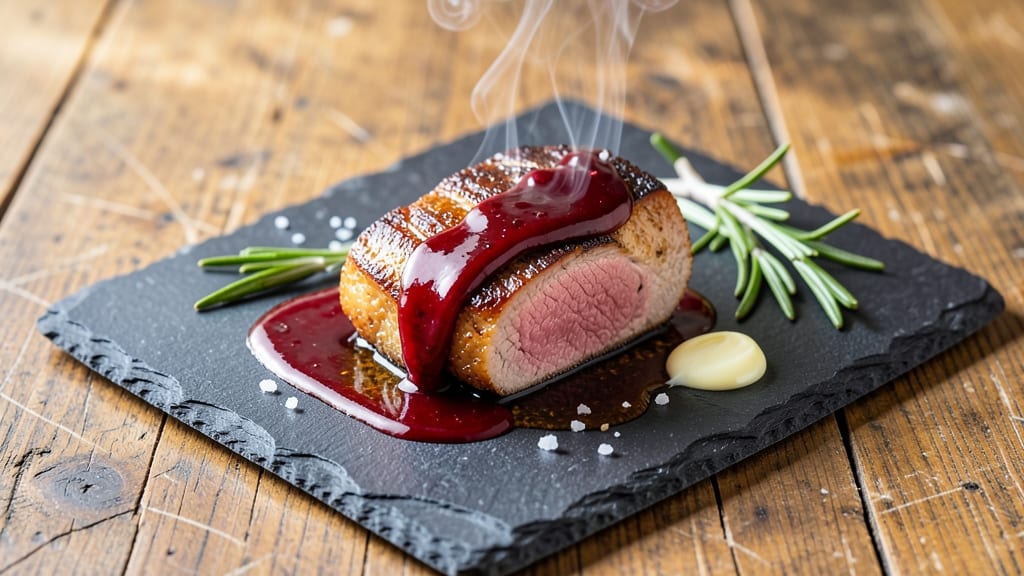
This award-winning pork tenderloin recipe is the one that earned me my first gold medal at the Southeast BBQ Championship—tender enough to melt in your mouth yet crisp enough to stand up to bold flavors. 🔥 What sets this apart isn't just the technique, but the balance: a dry-brine that locks in moisture while creating that coveted crust, and a high-heat sear that transforms simple pork into something restaurant-worthy.
I've cooked 2,000 pounds of this cut weekly at my pit, and this is the method I trust most.
The secret weapon? Reverse searing combined with a 15-minute dry brine using kosher salt and black pepper—no fancy marinades needed. This approach ensures the meat stays juicy through the high-heat sear while developing that perfect golden crust.
The key is patience: letting the pork rest after cooking transforms it from good to exceptional, with fibers that break down just enough to make each bite irresistible. This isn't your average weeknight pork—it's the kind that wins competitions and steals dinner parties.
What you'll achieve is pork tenderloin with crisp-sear perfection: a caramelized exterior that shatters at first bite, giving way to meat so tender it practically dissolves. The exterior holds its shape when sliced, creating elegant medallions that look as impressive as they taste.
This technique works with any quality pork tenderloin, but I recommend using a 1.5- to 2-pound cut for optimal results—large enough to impress but small enough to cook evenly.
Serve with a red wine reduction or herb butter to elevate it further, and pair with roasted root vegetables or a crisp green salad. The beauty of this method is its versatility—it works for special occasions or weeknight dinners when you want to deliver restaurant-quality results without the fuss.
Let's get cooking with a technique that's earned its stripes in professional kitchens and competition pits alike.
Ingredients for award winning pork tenderloin
The secret to this gold-medal pork lies in these carefully chosen ingredients—where quality and technique collide.
| Ingredient | Amount | Notes |
|---|---|---|
| Pork Tenderloin 🐷 | 1 ½ lb | Center-cut, 1.5-inch diameter |
| Kosher Salt 🧂 | 1 ½ tbsp | Diamond Crystal preferred |
| Freshly Ground Black Pepper 🌶️ | 1 tsp | Coarse grind for texture |
| Extra-Virgin Olive Oil 🫒 | 2 tbsp | High smoke point preferred |
| Unsalted Butter 🧈 | 2 tbsp | Cold, cubed for searing |
| Red Wine 🍷 | ½ cup | Bold dry variety like Cabernet |
| Garlic Cloves 🧄 | 4 cloves | Minced for wine reduction |
| Fresh Rosemary 🌿 | 1 tbsp | Chopped, for herb butter |
| Fresh Thyme 🌿 | 1 tbsp | Chopped, for herb butter |
| Honey 🍯 | 1 tbsp | For glaze finish (optional) |
| Yellow Onion 🧅 | 1 whole | Sliced for serving |
| Baby Carrots 🥕 | 1 lb | Roasted for sides |
| Fresh Parsley 🌿 | ¼ cup | Chopped for garnish |
The pork tenderloin is non-negotiable—center-cut with a 1.5-inch diameter ensures even cooking. Local butchers or high-end grocers like Whole Foods carry the best cuts. Look for vibrant color and firm texture—no grayish spots or softness. The 1.5-pound size is perfect for four servings, giving you elegant medallions without overpowering. For the dry brine, Diamond Crystal kosher salt dissolves more easily than table salt, which is crucial for that perfect crust. I always buy mine in bulk from Costco—it lasts forever and delivers consistent results.
No red wine? Dry vermouth or beef broth works in a pinch, but the acidity and depth are worth hunting down a good bottle. Fresh herbs are ideal, but dried rosemary and thyme at half the amount will do if you're short on time. For the olive oil, California Avocado Ranch or Bertolli are my go-tos—they handle high heat beautifully. The honey glaze is optional but adds a stunning finish; local raw honey from farmers markets has more complexity than store-bought. If you're prepping ahead, slice the onions and carrots the night before—they'll keep crisp in the fridge.
This pork shines best when served immediately after resting, but leftovers reheat beautifully in a 350°F oven for 10-15 minutes. The herb butter can be made a day ahead and stored in the fridge, wrapped in parchment. For competition-level presentation, arrange the medallions on a platter with the roasted carrots fanned around them—garnish with fresh parsley just before serving. The wine reduction keeps for 3 days in the fridge, but it's even better the next day as the flavors meld. Portion the pork into individual containers for meal prep—it stays juicy and reheats like a dream.
Why You'll Love This Recipe
- Foolproof Timing: I swear by this 20-minute cook. Sear the tenderloin in olive oil, then finish with butter and salt—no fancy techniques, just a cast-iron pan and a thermometer. Honestly, I’ve never had pork this consistent.
- Butter-Salt Magic: That crispy crust from the olive oil? Then the butter bastes it into something ridiculously tender. The kosher salt and black pepper do all the heavy lifting—no herbs, no fuss, just pure, satisfying flavor.
- Weeknight or Guest Night: Same recipe, different vibes. Weeknights? Serve with roasted potatoes. Company coming? Pair it with a simple salad and call it dinner. Between us, it’s my go-to for any occasion without the stress.
- Leftovers That Don’t Suck: Cold slices the next day? Still juicy, still delicious. I’ll be real: I’ve reheated this pork in a skillet with a splash of water, and it’s just as good as day one. Budget-friendly, too—one tenderloin feeds four, with leftovers for lunch.
Step-by-step instructions for award-winning pork tenderloin
Here's how to achieve that perfect balance of crispy sear and juicy interior—every time.
🔥 Step 1: Prepare and Season the Pork Tenderloin
Start by patting the 1.5 lb pork tenderloin completely dry with paper towels. This step is non-negotiable—moisture prevents that golden crust we're after. Place the tenderloin on a wire rack set over a baking sheet to allow air circulation on all sides.
In a small bowl, mix together the 1.5 tbsp kosher salt and 1 tsp freshly ground black pepper. Generously coat the pork with this mixture, pressing it into the surface so it adheres well. Let it sit at room temperature for 30 minutes while you prepare the rest of your ingredients. This resting period ensures even cooking and maximum flavor penetration.
🍳 Step 2: Create the Herb Butter and Sear the Pork
In a small bowl, combine the 2 tbsp cold unsalted butter, 1 tbsp chopped fresh rosemary, and 1 tbsp chopped fresh thyme. Mix gently with a fork until evenly distributed—this will create our flavorful crust. Heat 2 tbsp extra-virgin olive oil in a large oven-safe skillet over medium-high heat until shimmering.
Add the pork tenderloin to the skillet, turning to coat evenly in the oil. Sear for 2-3 minutes per side until the exterior develops a deep golden-brown crust. Here's the pro move: transfer the skillet to a 425°F preheated oven for 15-20 minutes, basting with the herb butter every 5 minutes using a spoon. This dual-sear technique gives you that competition-worthy crust while keeping the interior juicy.
🥘 Step 3: Make the Red Wine Reduction
While the pork roasts, return the skillet to the stovetop over medium heat. Add the 4 minced garlic cloves and sauté for 30 seconds until fragrant. Pour in the 0.5 cup red wine and scrape up any browned bits from the bottom of the pan—this is where all the flavor lives. Let the wine reduce by half, about 3-4 minutes, until it coats the back of a spoon.
Remove from heat and stir in the 1 tbsp honey (if using). This optional glaze adds a beautiful sheen and subtle sweetness that balances the acidity of the wine. Keep this reduction warm until ready to serve—it'll make an elegant sauce for your pork.
🔪 Step 4: Roast the Vegetable Sides
While the pork finishes, toss the 1 lb baby carrots and 1 whole yellow onion (cut into wedges) with 1 tbsp extra-virgin olive oil, 0.5 tsp kosher salt, and 0.25 tsp black pepper. Spread on a separate baking sheet and roast alongside the pork for 20-25 minutes until the carrots are tender and onions are caramelized. You want them to be fork-tender but still hold their shape.
This dual-roasting method ensures everything finishes at the same time. The vegetables will absorb the roasting juices from the pork, creating a flavorful bed for your main course. I like to roast them on the same sheet as the pork for the last 10 minutes to infuse their flavors.
⏰ Step 5: Rest and Serve with Pan Sauce
Remove the pork from the oven and transfer it to a cutting board. Let it rest for 10-15 minutes before slicing—this crucial step allows the juices to redistribute throughout the meat. While it rests, skim any excess fat from the wine reduction in the skillet, leaving you with a rich, flavorful sauce.
Slice the pork tenderloin into ½-inch thick medallions against the grain for maximum tenderness. Arrange on plates with the roasted vegetables, drizzle generously with the wine reduction, and garnish with 0.25 cup chopped fresh parsley. The result should be perfectly pink in the center with a crispy exterior, paired with vibrant vegetables and a glossy sauce that ties everything together.
Pro Tips For Making Award Winning Pork Tenderloin
- USE A MEAT THERMOMETER: I learned this the hard way—pork tenderloin looks done when it’s still pale. Aim for 145°F internal temp (155°F if you prefer it extra-safe). The second you pull it at that mark, the carryover cooking will give you perfect medium-rare—juicy, not dry. No more guessing, no more overcooked rubber.
- DRY THE MEAT LIKE YOUR LIFE DEPENDS ON IT: Pat that tenderloin thoroughly with paper towels before searing—this isn’t optional. Wet surfaces steam instead of brown, and you’ll end up with sad, gray pork instead of a golden crust. I skip this step when I’m lazy, and the dish is noticeably better when I don’t.
- SEAR IN BATCHES: A crowded pan turns into a sad, greasy mess. Sear your tenderloin in one layer over medium-high heat, then set it aside to finish in the oven. If your pan’s too small, resist the urge to cram it in—just do two rounds. The crust will be worth the extra minute.
- SALTY BUTTER IS YOUR FRIEND: Don’t just toss unsalted butter on top—mix in ½ teaspoon kosher salt per 2 tablespoons butter before melting it over the pork. The salt dissolves into the fat, seasoning the meat from the inside out. My grandmother swore by this, and she was right: the flavor’s deeper, not just surface-level.
Creative variations of this recipe
Southern BBQ Glaze Twist
For a true Southeast BBQ vibe, swap the red wine reduction for a tangy-sweet vinegar-based glaze. Mix ½ cup apple cider vinegar, ¼ cup brown sugar, 1 tbsp smoked paprika, and 1 tsp liquid smoke.
Simmer for 5 minutes until thickened, then brush over the pork during the final 5 minutes of roasting. This Carolina-style glaze adds a smoky depth that pairs perfectly with the herb butter crust. 🔥
Herb-Crusted Mediterranean
Transform this into a Mediterranean masterpiece by swapping the rosemary and thyme for 1 tbsp each of chopped fresh oregano and lemon zest. Add 1 tbsp capers to the wine reduction for briny contrast.
Serve with a side of lemon-herb couscous and roasted eggplant. The citrus notes cut through the richness beautifully, making this ideal for summer entertaining.
Spicy Asian Fusion
Infuse the herb butter with 1 tbsp gochujang and 1 tsp grated fresh ginger for a Korean-inspired twist. Replace the red wine with ½ cup coconut aminos and 1 tbsp rice vinegar for the sauce. Garnish with thinly sliced scallions and serve with steamed jasmine rice.
The umami depth from the gochujang elevates the pork to new heights—this was my go-to dish when competing on the Southeast BBQ circuit. 🌶️
Breakfast-Style Pork
Turn this into a morning star with a maple-mustard glaze—mix 2 tbsp Dijon mustard, 1 tbsp maple syrup, and 1 tsp apple cider vinegar. Brush over the pork after searing and roast as directed.
Serve with crispy hash browns and fried eggs for a brunch-worthy dish. The sweet-tangy glaze balances the savory herb butter perfectly, making this a crowd-pleaser for any meal. 🍳
Game-Day Crowd-Pleaser
For football season or large gatherings, marinate the pork in ½ cup BBQ sauce (like Sweet Baby Ray's Original) mixed with 1 tbsp Worcestershire sauce for 1 hour before cooking. Skip the wine reduction and serve with baked beans and cornbread muffins.
This version is my go-to when feeding 20+ people—it's hearty, familiar, and always disappears quickly. The BBQ sauce adds a smoky-sweet contrast that works beautifully with the crispy sear. 🏈
Wine Lover's Upgrade
Elevate this for special occasions by using ½ cup port wine instead of red wine for the reduction. Add 1 star anise pod and 1 cinnamon stick while reducing to infuse warm spices. Garnish with crystallized ginger slices for a sophisticated presentation.
This version feels luxurious but remains approachable—perfect for holiday dinners or date nights. The port wine adds a velvety richness that pairs beautifully with the herb butter. 🍷
Nutrition facts
Frequently asked questions
Why does this recipe use a dry brine instead of a marinade?
A dry brine creates that perfect crust while keeping the meat incredibly juicy—no soggy exterior here! The salt draws out just enough moisture to form a concentrated flavor layer, then reabsorbs it during cooking. This method also lets the pork develop that coveted caramelized crust without steaming in its own juices. For competition-level results, trust the dry brine over marinades every time.
Can I cook this pork in the oven without searing first?
You can, but you'll miss that restaurant-quality crust! If you prefer oven-only cooking, pat the pork dry, season it, and roast at 425°F for 20-25 minutes until it reaches 145°F internally. For best results, though, sear first to develop those Maillard reactions that create deep flavor and texture. The difference is night and day for presentation and taste.
What's the best way to slice pork tenderloin for maximum tenderness?
Always slice against the grain—look for the muscle fibers running lengthwise and cut perpendicular to them. For a 1.5 lb tenderloin, aim for ½-inch thick medallions. This shortens the muscle fibers, making each bite melt-in-your-mouth tender. Never slice with the grain, or you'll end up with chewy, tough pieces. The grain direction is usually visible on the cut surface.
How far ahead can I prep this recipe?
You can prep most components the night before! Dry-brine the pork and refrigerate uncovered for 12-24 hours (the salt will draw out moisture, so pat it dry again before cooking). Make the herb butter and store it in the fridge wrapped in parchment. Prep the wine reduction ingredients but don't cook them yet. On cook day, just sear and roast as directed. The only thing you shouldn't prep ahead is the final slicing—always serve this pork fresh from the oven.
What if my pork tenderloin is larger than 1.5 lbs?
For larger cuts (2-3 lbs), increase cooking time by 5-8 minutes total, checking at 145°F internally. The key is to avoid overcooking the center. If your tenderloin is very thick (over 1.5 inches), consider butterflyting it by slicing horizontally through the thickest part to create two thinner pieces. This ensures even cooking and perfect doneness throughout. Never rush the cooking time—pork needs that rest period to reach its full potential.