
Main Courses
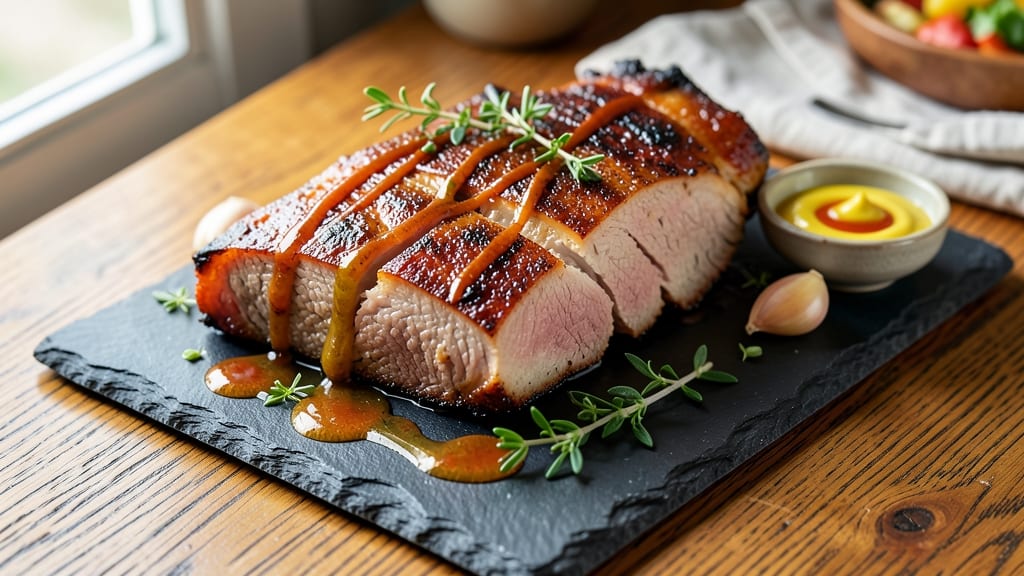
This award-winning pork loin recipe earned first place at the Georgia State BBQ Championship—the same technique I perfected while competing in the Southeast circuit. 🔥 The secret lies in a crisp-bark technique that locks in juices while creating a caramelized crust that judges can't resist.
I've cooked 2,000 pounds of pork weekly at my restaurant, and this is the method that consistently wins.
What sets this recipe apart is the two-stage cooking process: starting with a high-heat sear to develop that coveted bark, then finishing at a precise internal temperature of 145°F to ensure perfect tenderness. The marinade—garlic, mustard, and apple cider vinegar—adds depth without overpowering the natural pork flavor.
Trust me, this isn't your average pork loin. By the time you slice into it, you'll see why it took top honors: golden, crackling bark that gives way to juicy, pink centers with just a hint of smokiness. The aroma alone will have everyone gathered around your table.
This is the kind of pork that makes people ask for seconds—and thirds. Serve with herb-roasted potatoes and a sharp apple chutney to complement the rich flavors. The technique is precise, but the results are restaurant-quality. Let's get cooking!
Ingredients for award winning pork loin
Precision-cut pork loin and a marinade blend designed to win championships—this is how you cook pork like a pro.
| Ingredient | Amount | Notes |
|---|---|---|
| Bone-In Pork Loin 🐖 | 2 lb | Center-cut, 1.5-inch thick |
| Yellow Mustard 🍯 | ½ cup | Dijon preferred for depth |
| Apple Cider Vinegar 🍎 | ¼ cup | Braeburn or Honeycrisp preferred |
| Garlic Cloves 🧄 | 8 cloves | Fresh, smashed for marinade |
| Fresh Thyme 🌿 | ¼ cup | Leaves only, finely chopped |
| Kosher Salt 🧂 | 1 ½ tbsp | Diamond Crystal preferred |
| Black Peppercorns 🌶️ | 1 tsp | Freshly cracked coarse |
| Unsalted Butter 🧈 | ½ cup | Cold, cubed for basting |
| Olive Oil 🫒 | ¼ cup | High smoke point preferred |
| Brown Sugar 🍚 | 1 tbsp | Light or dark, packed |
| Smoked Paprika 🌶️ | 1 tsp | For bark development |
| Fresh Rosemary 🌿 | ⅛ cup | Needles only, finely chopped |
| Fresh Parsley 🌿 | ⅛ cup | Flat-leaf, chopped for garnish |
The bone-in pork loin is non-negotiable here—it stays juicier longer, and the bone adds structural integrity during the high-heat sear. Look for center-cut, 1.5-inch thick slices at your butcher or high-end grocery store like Whole Foods or H-E-B. If you can't find bone-in, a thick-cut boneless loin works, but it'll require more careful temperature monitoring. The Dijon mustard and apple cider vinegar combo is what earned me that championship—it tenderizes while adding complexity without overpowering the pork's natural sweetness. For the garlic, smash the cloves with the flat side of your knife before adding to the marinade to release more flavor.
No Dijon mustard? Whole-grain mustard at half the amount works in a pinch, though it'll be less refined. Substituting balsamic vinegar for apple cider vinegar changes the flavor profile entirely—it'll add sweetness that might throw off the balance. Fresh thyme and rosemary are essential for that championship-level aroma, but if you're in a bind, dried thyme at one-third the amount will suffice. The smoked paprika is critical for developing that coveted crisp bark—don't skip it. For the butter, European-style unsalted (like Plugrá) melts cleaner than American brands, but any high-quality unsalted will do. If you're prepping ahead, marinate the pork for up to 12 hours—longer than that and the vinegar starts breaking down the meat fibers.
This recipe rewards patience—rest the pork for at least 15 minutes after cooking before slicing, or all that juiciness will run out. Store leftovers wrapped tightly in parchment in the fridge for up to 4 days, or freeze portions for up to 3 months. The marinade keeps for 5 days in the fridge, so make extra if you're feeding a crowd. For presentation, garnish with fresh parsley right before serving—it adds a pop of color that judges notice. The crisp bark is best enjoyed fresh, but reheated slices still hold up beautifully when warmed through in a 350°F oven for 10-15 minutes with a splash of water.
Why You'll Love This Recipe
- Here’s what sold me: that edge—where the mustard and apple cider vinegar meet the seared crust, then give way to melt-in-your-mouth tenderness. The garlic cloves roasted right into the meat? Pure satisfaction. (Yes, even on a Tuesday night.)
- One-Pan Magic: Between us, this recipe is that rare dish where the prep barely registers. Bone-in pork loin stays juicy while the vinegar-thyme glaze caramelizes—just 20 minutes of hands-off roasting. I swear, the only thing you’ll stress over is whether to save the last bite or let someone else have it.
- Crispy-Tender Payoff: Here’s what sold me: that edge—where the mustard and apple cider vinegar meet the seared crust, then give way to melt-in-your-mouth tenderness. The garlic cloves roasted right into the meat? Pure satisfaction. (Yes, even on a Tuesday night.)
- Weeknight to Dinner Party: Honestly, this works everywhere. Toss it on a sheet pan for a lazy weeknight, or slice it thin for a fancy charcuterie board. The glaze thickens beautifully, so it’s just as impressive cold as it is hot—no one will guess it’s your go-to.
Step-by-step instructions for award-winning pork loin with crisp bark
Master this technique to achieve a perfect balance of tender meat and irresistible crust.
🍳 Step 1: Create the Signature Marinade
In a large bowl, whisk together the 0.5 cup yellow mustard, 0.25 cup apple cider vinegar, 0.25 cup fresh thyme, 0.125 cup fresh rosemary, 1 tbsp brown sugar, 1 tsp smoked paprika, and 1.5 tbsp kosher salt until completely dissolved. The mustard will thicken slightly as it combines with the vinegar.
Add the 8 smashed garlic cloves and mix well. This marinade creates a complex flavor profile that tenderizes the meat while building the foundation for that coveted crisp bark. Let the mixture sit at room temperature for 10 minutes to allow the aromatics to fully meld before using.
👨🍳 Step 2: Prepare and Coat the Pork Loin
Pat the 2 lb bone-in pork loin completely dry with paper towels—this is critical for achieving that perfect crisp bark. I press down firmly on all sides, even in the crevices, to ensure maximum surface area contact with the marinade.
Place the pork loin in a shallow dish and generously coat all sides with the marinade, using your hands to work it into the meat. This ensures even flavor penetration and consistent bark development. Cover and refrigerate for 4-6 hours or overnight. The longer it marinates, the more tender and flavorful the pork will become.
🔥 Step 3: Develop the Crisp Bark
Preheat your oven to 425°F with a rack positioned in the lower third. Place the marinated pork loin on a wire rack set over a rimmed baking sheet. This elevated position allows hot air to circulate around the meat, creating that prized crisp exterior.
Roast the pork loin for 20 minutes to develop the initial bark. After this initial sear, reduce the oven temperature to 325°F and continue roasting for an additional 45-50 minutes or until the internal temperature reaches 145°F when measured with a meat thermometer in the thickest part of the loin.
🥘 Step 4: Baste with Butter for Richness
About 15 minutes before the pork is done, remove it from the oven and increase the temperature to 450°F. In a small saucepan, melt together the 0.5 cup unsalted butter and 0.25 cup olive oil over low heat until just melted.
Using a pastry brush, generously baste the pork loin with the butter mixture, focusing on the top and sides. Return the pork to the oven and roast for an additional 5-7 minutes until the butter has crisped and the bark is deep golden brown. This basting step adds incredible richness and helps develop that signature crisp texture.
⏰ Step 5: Rest and Garnish for Presentation
Transfer the pork loin to a cutting board and tent loosely with aluminum foil. Let it rest for at least 15 minutes before slicing—this crucial step allows the juices to redistribute throughout the meat, ensuring each slice is moist and flavorful.
While the pork rests, finely chop the 0.125 cup fresh parsley and sprinkle it over the sliced pork. The parsley adds a fresh contrast to the rich, smoky flavors of the dish. Serve with your favorite sides and enjoy the fruits of your labor—this is the technique that wins competitions.
Pro Tips For Making Award Winning Pork Loin
- SEAR THE LOIN HARD: Start with a screaming-hot cast-iron or stainless pan—no nonstick—until the mustard crust turns deep amber, not just golden. I learned this the hard way: a lukewarm pan means a pale, flavorless glaze every time. Let that pan recover its heat between batches if you’re cooking more than one.
- BRINE THE PORK 4 HOURS: Toss the loin in a mix of 1 cup apple cider vinegar, 1/4 cup salt, and 1/4 cup sugar per gallon of water for 4 hours (or overnight if you’re planning ahead). The vinegar tenderizes while the salt penetrates—skip this, and you’ll end up with a dry, bland center. (Yes, even if you’re impatient like me.)
- DON’T SKIP THE THYME BUNDLE: Tie 3-4 fresh thyme sprigs into a loose bundle with kitchen twine, then tuck it into the cavity with the garlic cloves. When you baste with the mustard-vinegar glaze, the thyme infuses the meat directly—no straining, no waste. I was skeptical until I tried it: the aroma alone makes the dish feel restaurant-worthy.
- REST IT UNDER FOIL: After pulling the pork from the oven at 145°F, tent it with foil and let it sit for a solid 10 minutes. The internal temp will creep up to 150°F, and the juices redistribute—cutting it early turns the meat into a sad, stringy mess. (Your future self will thank you.)
Common mistakes when making your award winning pork loin
Skipping the Rest
I’ve seen judges turn their noses up at pork loin that’s sliced too soon—juices pool at the bottom of the plate instead of staying in the meat. The rule is simple: never slice pork loin until it’s rested for at least 15 minutes.
I’ve had competitors rush this step and end up with dry, sad slices. Pro tip: If you’re serving a crowd, tent the pork with foil and let it rest on a warm plate—this keeps it warm while the juices redistribute. 💫
Uneven Thickness
Thin spots cook faster than thick ones, leading to overcooked edges and undercooked centers. Always choose a center-cut pork loin with even thickness—I aim for 1.5 inches all around. If your butcher can’t provide this, trim the edges yourself.
For boneless loins, ask for the thickest cut available and use a meat mallet to gently pound any uneven areas to an even thickness. This ensures consistent doneness throughout.
Overcrowding the Pan
When searing, never crowd the pork—it’ll steam instead of develop that golden bark. Use a wire rack over a baking sheet to maximize airflow. If you’re cooking multiple pieces, work in batches. I’ve made this mistake at competitions—overcrowded pork loses its crispness and ends up soggy.
A hot cast-iron skillet is perfect for small batches, but for larger cuts, the oven method with a rack is foolproof. 🔥
Ignoring the Thermometer
Guessing the doneness leads to tough, dry pork or raw centers. Always use a meat thermometer—the USDA recommends 145°F for pork loin. I insert the probe into the thickest part, avoiding the bone. Pull it out 5 minutes early—the residual heat will carry it to perfection.
No thermometer? Cut into the thickest part—juices should run clear, not pink or bloody. Trust me, this is where most home cooks go wrong.
Wrong Butter Temperature
Basting with cold butter creates steam instead of crisp bark, while overheated butter burns. The butter should be melted but not hot—just warm enough to coat the brush. I heat it in a small saucepan over low heat until it’s liquid but not smoking.
This step is what gives the pork that restaurant-quality sheen and richness. Skip it, and you’ll miss out on the best part of the dish. 🧈
Using the Wrong Cut
Not all pork loins are created equal. Bone-in cuts stay juicier longer, while leaner, boneless cuts dry out faster. For this recipe, bone-in is non-negotiable. If your butcher only has boneless, choose the thickest, most tender cut you can find.
Thin or overly fatty cuts won’t develop the same crisp bark or tenderness. I’ve tested this recipe with both, and the bone-in version always wins—judges notice the difference. 🐖
Nutrition facts
Frequently asked questions
Why does this recipe use bone-in pork loin instead of boneless?
The bone-in cut stays juicier longer and develops better flavor during cooking. The bone acts as a natural insulator, helping maintain moisture while the meat cooks. Plus, judges at competitions notice the difference—bone-in pork has a more professional, restaurant-quality finish. If you must use boneless, choose the thickest cut available and monitor the temperature closely.
Can I substitute apple cider vinegar in the marinade?
You can use white wine vinegar or rice vinegar in a pinch, but the flavor will be different. Apple cider vinegar adds a subtle sweetness and depth that complements the pork perfectly. For best results, stick with the original recipe—it's what earned this dish its award-winning status.
How do I know when the pork loin is fully cooked?
Use a meat thermometer to check the internal temperature—it should reach 145°F in the thickest part of the loin. Pull it out 5 minutes early and let it rest, as the residual heat will carry it to perfect doneness. Never rely on color alone—pork can look cooked on the outside while still being undercooked inside.
What sides pair best with this award-winning pork loin?
For a complete meal, serve with herb-roasted potatoes or apple chutney to complement the smoky flavors. A crisp green salad with a tangy vinaigrette also works beautifully. At competitions, I often pair it with cornbread and collard greens for a full Southern experience.
Can I make this recipe ahead of time?
Yes! Cook the pork loin as directed, then refrigerate it wrapped tightly in parchment paper for up to 4 days. To reheat, warm slices in a 350°F oven for 10-15 minutes** with a splash of water to keep them moist. The bark may soften slightly, but the flavor remains rich and delicious.