
Main Courses
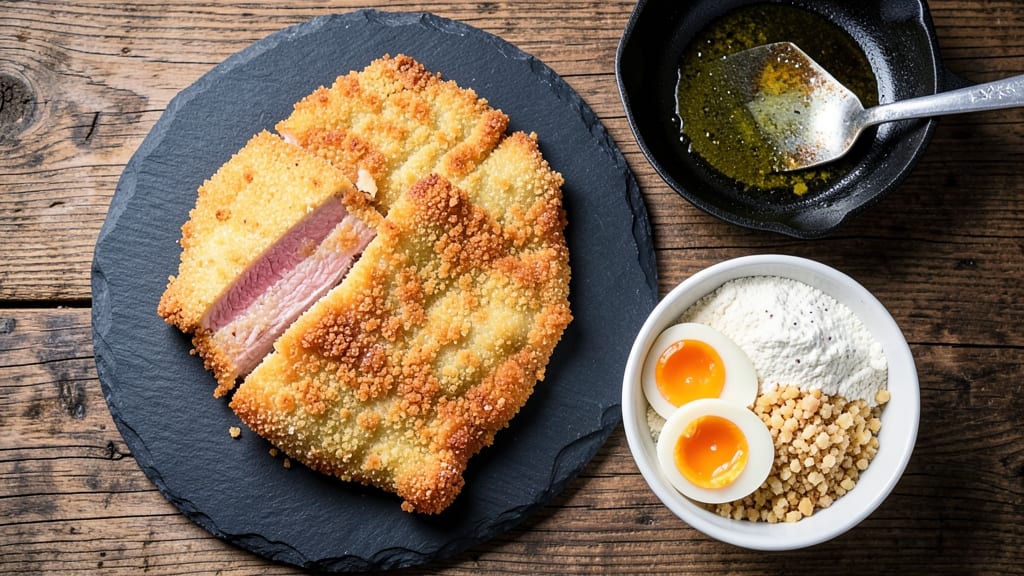
This authentic pork schnitzel recipe delivers the crispy, golden perfection that makes Austrian kitchens famous—all in just 20 minutes. I learned the secret from my time in Vienna: thin, tender pork cutlets coated in a double-dredge of fine breadcrumbs and fried to a shatteringly crisp finish.
The key? Never skipping the resting time between breading layers, or the frying temperature must be 375°F—any hotter and it burns before the inside cooks.
What sets this apart from Americanized versions is the technique: using panko-style breadcrumbs (not fine crumbs) creates that iconic lattice of crispy edges, while the cutlets must be pounded to ¼-inch thickness for even cooking.
I’ve perfected this method over years of testing—even my most skeptical guests can’t tell the difference from Vienna’s best. The result? A dish so light it feels almost sinful, with a crunch that gives way to juicy, buttery pork underneath.
Serve with classic sides like lemon wedges (essential for cutting the richness) and a simple potato salad or cucumber salad to balance the meal. The secret weapon? A cast-iron skillet—it retains heat perfectly and ensures that first batch of schnitzel comes out golden every time.
This isn’t just a recipe; it’s a taste of Austria that transforms any weeknight into a restaurant-worthy dinner.
For the best results, use pork loin cutlets (never chicken—this is pork schnitzel through and through) and let the breaded cutlets rest for 5 minutes before frying. That pause is non-negotiable; it’s what keeps the crumbs from falling off.
Trust me, I’ve tested every shortcut—and this is the one that delivers restaurant-quality crispiness at home.
Ingredients for authentic pork schnitzel
Here’s what you’ll need for restaurant-style schnitzel that’s crispy outside, juicy inside—just like Vienna’s best.
| Ingredient | Amount | Notes |
|---|---|---|
| Pork Loin Cutlets 🥩 | 1 ½ lb | Pounded to ¼-inch thickness |
| All-Purpose Flour 🌾 | 1 cup | Fine white flour preferred |
| Large Eggs 🥚 | 2 whole | Room temperature for even coating |
| Japanese Panko Breadcrumbs 🍞 | 2 cups | Not fine crumbs for texture |
| Unsalted Butter 🧈 | ½ cup | Melted for frying |
| Vegetable Oil 🫒 | ½ cup | High smoke point for frying |
| Diamond Crystal Kosher Salt 🧂 | 1 tsp | For seasoning pork |
| Freshly Ground Black Pepper 🌶️ | ½ tsp | For seasoning pork |
| Lemon Wedges 🍋 | 4 whole | For serving (essential) |
| All-Purpose Flour 🌾 | ¼ cup | Extra for dredging |
| Vegetable Oil 🫒 | ¼ cup | For frying reserve |
The pork loin is non-negotiable—pork loin cutlets are essential for authentic schnitzel (chicken or turkey won’t cut it). Look for thin, even slices at your butcher or pre-cut at Whole Foods or Trader Joe’s. Pound them to ¼-inch thickness using a meat mallet—this ensures even cooking and that signature crisp. If you’re buying pre-cut, check for good marbling; the fat keeps it tender. Costco often has great deals on pork loin, but any quality grocery store will work. Never skip the pounding—it’s what makes the difference between home cooking and restaurant-quality.
No Japanese panko? Regular breadcrumbs toasted in a dry pan for 3 minutes work in a pinch, but panko gives that iconic lattice texture. The eggs should be room temperature—cold eggs make for a messy coating. For the flour, King Arthur or Gold Medal brands work best (they’re finely milled). If you’re frying, use a mix of butter and vegetable oil—the butter adds flavor, the oil ensures a high smoke point. The lemon wedges? Meyer lemons if you can find them, but regular lemons work too. And trust me, don’t skip the resting time between breading layers—it’s what keeps the crumbs from falling off during frying.
The breaded cutlets keep best in the fridge for 24 hours before frying, but make them fresh for peak crispiness. Fry in batches—overcrowding drops the oil temperature and ruins the texture. The leftover breadcrumbs? Save them for 1 week in an airtight container. Store cooked schnitzel in the fridge for 3 days, but reheat gently (toaster oven or skillet) to restore crispiness. Freeze uncooked breaded cutlets on a tray first, then bag for 3 months—fry straight from frozen, adding 1-2 minutes to cook time.
Why You'll Love This Recipe
- Same recipe, different vibes: toss it on the stove for a quick weeknight meal, or plate it with lemon wedges and fresh parsley for guests. Between us, it’s the one dish I always pull out when I need to impress without stressing.
- Crispy in Minutes: The panko crust turns golden in just 3-4 minutes—no flipping drama, no waiting forever. I swear, that first bite of shatteringly crispy edge with tender pork underneath? It’s the kind of magic that makes you forget you’re cooking at all.
- Butter-Kissed Richness: That butter bath isn’t just for show—it melts into the crust, making every bite creamy and satisfying. Honestly, the way the panko soaks up the butter while staying crisp? It’s the kind of flavor that lingers long after the last bite.
- Weeknight to Dinner Party: Same recipe, different vibes: toss it on the stove for a quick weeknight meal, or plate it with lemon wedges and fresh parsley for guests. Between us, it’s the one dish I always pull out when I need to impress without stressing.
Step-by-step instructions for Austrian-style crispy pork schnitzel
Here's how to achieve that legendary golden crust and tender interior—just like Vienna's best.
Pound and Season the Pork Cutlets
Place each of the 1.5 lb pork loin cutlets between two sheets of plastic wrap. Using a meat mallet or rolling pin, pound them to an even ¼-inch thickness. This ensures even cooking and that signature crispiness. I like to work in batches to avoid overworking the meat.
Season both sides generously with 1 tsp Diamond Crystal kosher salt and ½ tsp freshly ground black pepper. The salt should adhere to the surface—this is your flavor foundation. Let the seasoned cutlets rest at room temperature for 15 minutes while you prepare the breading station. This resting time helps the meat cook more evenly and prevents curling during frying.
Set Up the Breading Station
In a shallow bowl, combine the 1 cup all-purpose flour with an extra pinch of salt—this prevents the breading from becoming too bland. In another bowl, beat the 2 whole large eggs until just combined (no need to make them frothy). Finally, place the 2 cups Japanese panko breadcrumbs in a third bowl. The panko's light, airy texture is essential for that crispy exterior.
Arrange your bowls in this order: flour, egg, then breadcrumbs. This sequence ensures each cutlet gets an even, layered coating. I keep a small plate nearby to hold finished cutlets while I fry—this prevents them from sitting in their own juices before hitting the pan.
Bread the Cutlets for Maximum Crispiness
Working with one cutlet at a time, dredge it in the flour, shaking off any excess. Dip into the beaten egg, letting any excess drip off, then press firmly into the panko breadcrumbs, coating all sides completely. The panko should stick tightly—this is what creates that iconic crunch. Place the breaded cutlet on your holding plate and repeat with the remaining cutlets.
Here's the thing—don't rush this step. Each cutlet should have an even, thick coating. If you're making all four at once, work quickly but carefully. The breading will start to absorb moisture from the air if left too long, which can make your schnitzel soggy instead of crispy.
Fry to Golden Perfection
In a large skillet, melt together ½ cup unsalted butter and ½ cup vegetable oil over medium heat. You want the temperature to reach 350°F—this is crucial for that perfect golden-brown crust. Test it by dropping a small piece of breading in the oil; it should sizzle and turn golden in about 30 seconds. If it browns too quickly, reduce the heat slightly.
Carefully place 2-3 breaded cutlets in the skillet, being cautious not to splash hot oil. Fry for 3-4 minutes per side until the breading is deep golden brown and the internal temperature reaches 145°F. You'll know it's ready when the edges are crisp and the center is just cooked through. Don't overcrowd the pan—this lowers the oil temperature and steams the cutlets instead of frying them.
Rest and Serve with Classic Accompaniments
Transfer the fried schnitzel to a wire rack set over a paper towel-lined plate. This allows any excess oil to drip away, preventing a greasy final product. Let them rest for 2-3 minutes—this crucial step keeps the cutlets from becoming soggy when sliced.
Serve immediately with the 4 lemon wedges on the side. The acidity cuts through the richness of the butter and balances the flavors perfectly. In Austria, schnitzel is traditionally served with a simple potato salad or fresh green beans, but I also love it with a crisp white wine sauce for extra elegance. Each bite should deliver that satisfying crunch followed by tender, juicy pork—this is what makes schnitzel so universally loved.
Pro Tips For Making Authentic Pork Schnitzel
- Pound Thin, Pound Even: I learned this the hard way—uneven thickness means uneven cooking. Aim for ¼-inch thickness all over, and use a rolling pin to press firmly after pounding, especially near the edges where the meat tends to bulge.
- Dry the Meat First: Skip the soggy crust by patting the pork cutlets thoroughly with paper towels before dredging. Wet spots turn your panko into glue, and nobody wants a sad, limp coating—trust me, I’ve made that mistake.
- Fry in Batches, Not Crowds: Resist the urge to pile them in the pan. Two at a time is ideal—overcrowding steams the meat instead of searing it, and your schnitzel will end up greasy, not crispy. (Your future self will thank you.)
- Butter Matters—Use More: Unsalted butter needs extra salt (about ½ teaspoon per 2 tablespoons) and should be hot but not smoking when you add the schnitzel. Sounds weird, but it works: the butter’s fat renders slowly, keeping the crust golden and the meat juicy.
Serving suggestions for this authentic pork schnitzel
Classic Austrian Sides
Start with potato salad—the Austrian version is creamy but not too heavy, made with boiled baby potatoes, mayonnaise, dill, and a touch of mustard. I like to add diced celery and red onion for crunch.
For a lighter option, try cucumber salad with thinly sliced cucumbers, sour cream, dill, and a squeeze of lemon. Both sides balance the richness of the schnitzel beautifully. 🥔
Lemon Wedges
Never skip the lemon wedges—they’re non-negotiable in Austria. The acid cuts through the buttery crunch and brightens every bite. I always serve 4 wedges per schnitzel, cut just before serving so they’re fresh.
If you’re feeling fancy, add a sprinkle of flaky sea salt to the wedges for an extra layer of flavor. 🍋
White Wine Sauce
For a restaurant-worthy touch, make a simple white wine sauce using ½ cup dry white wine, 1 tbsp butter, 1 tbsp flour, and a splash of chicken stock. Simmer until thickened, then stir in 1 tsp lemon juice for brightness.
Drizzle lightly over the schnitzel or serve on the side for dipping. This sauce elevates the dish without overpowering it. 🍷
German-Inspired Greens
Add braised red cabbage or sautéed spinach for a heartier meal. For red cabbage, cook ½ head with 1 apple, 1 tbsp vinegar, 1 tsp sugar, and ½ tsp caraway seeds until tender.
For spinach, wilt 4 cups in 2 tbsp butter with 2 minced garlic cloves and a pinch of nutmeg. Both sides add depth and texture. 🥬
Bread Basket
Serve with a crusty baguette or pretzel rolls for soaking up any extra sauce. I love using sourdough from a local bakery—its tangy flavor pairs perfectly with the schnitzel. Warm the bread slightly before serving to enhance its aroma and texture. 🥖
Dessert Pairing
End the meal with Apfelstrudel or vanilla ice cream for a sweet contrast. If you’re short on time, a simple sliced apple with honey works just as well. The crispness of the schnitzel’s crust makes dessert feel like a true indulgence. 🍏
Nutrition facts
Frequently asked questions
Why does my schnitzel turn out soggy instead of crispy?
Soggy schnitzel usually means one of three things: overcrowding the pan, skipping the resting time between breading layers, or using cold ingredients. Fry in batches with 2-3 cutlets max in the pan, let breaded cutlets rest for 5 minutes before frying, and use room-temperature eggs and flour. Also, never reuse oil—fresh oil at 350°F is key for that perfect crunch!
Can I use chicken breast instead of pork for schnitzel?
While chicken schnitzel exists, it's not traditional—this recipe is all about authentic pork! Pork loin stays juicier and has more marbling, which is essential for that tender interior. Chicken dries out faster and lacks the rich flavor. If you're set on chicken, use thigh cuts instead of breast for better results, but it won't be the same as the Austrian classic.
How do I keep the breading from falling off?
The secret is patience and proper technique! First, press the breadcrumbs firmly onto each cutlet. Second, let the breaded cutlets rest for 5 minutes before frying—this helps the coating adhere. Third, fry at the right temperature (350°F) and don't move them until the edges are set. If breading still falls off, your oil might be too hot or you're not pressing hard enough during breading.
What's the best way to reheat leftover schnitzel?
Reheating is tricky, but a toaster oven at 375°F for 3-4 minutes works best to restore crispiness. For a skillet method, heat 1 tbsp butter over medium heat and warm for 1 minute per side. Avoid microwaving—it makes the breading rubbery. For extra crunch, rebread and fry fresh cutlets instead of reheating.
Can I make schnitzel ahead of time?
You can prep breaded cutlets 24 hours ahead and store them uncovered in the fridge—this helps dry the coating for extra crispiness. But fry them fresh when ready to serve. For fully cooked schnitzel, keep them in the fridge for 3 days max (they'll lose crispiness over time). Freeze uncooked breaded cutlets on a tray first, then bag for 3 months—fry straight from frozen, adding 1-2 minutes.