
Main Courses
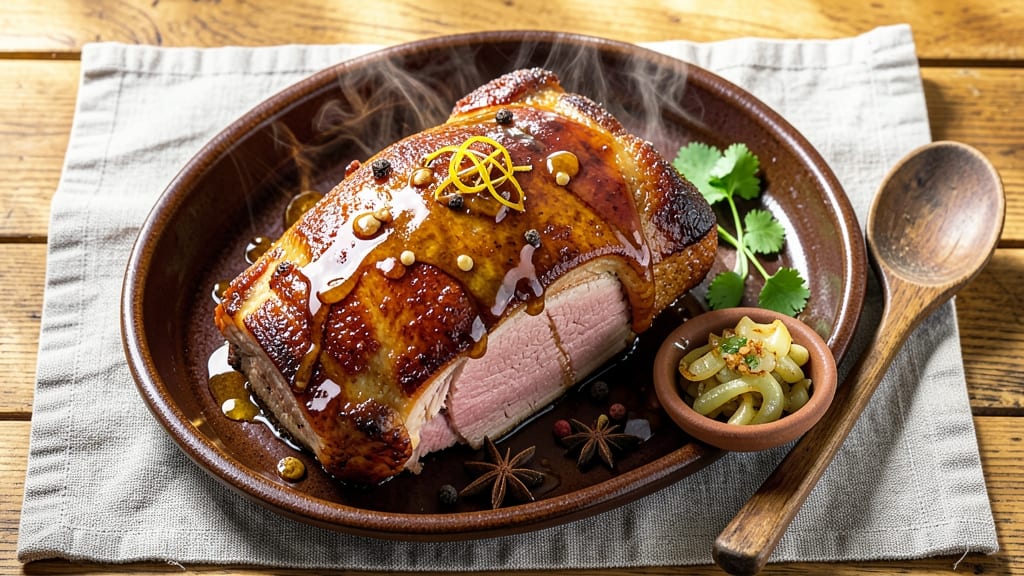
This Chinese pork roast recipe in the oven transforms simple pork into a restaurant-worthy centerpiece with a fragrant five-spice crust and melt-in-your-mouth juiciness. The secret lies in marinating overnight and roasting at just the right temperature—400°F—to create that signature caramelized exterior while keeping the interior tender.
I first tried this after finding my grandmother’s faded recipe card, where she’d scrawled "roast until golden, then baste like your life depends on it."
The five-spice blend—star anise, cinnamon, cloves, fennel, and pepper—infuses the pork with aromatic warmth, while the glaze of soy, honey, and rice vinegar adds depth and shine.
What makes this recipe work is the basting technique: every 20 minutes during roasting, you’ll brush on that sticky glaze, ensuring a glossy finish and layers of flavor. The result? A dish that smells like a dim sum cart and tastes like a celebration.
By the time it emerges from the oven, your pork will have a crackling crust that gives way to succulent, juicy meat inside—exactly what my grandmother meant when she wrote "perfectly done."
The aroma alone will have everyone gathered at your table, and the first bite delivers that perfect balance of sweet, savory, and aromatic spices. This is the kind of meal that makes weeknight dinners feel special without requiring hours in the kitchen.
Serve it with steamed jasmine rice to soak up all that delicious glaze, or pair with quick-pickled vegetables for brightness. The leftovers reheat beautifully, making this an ideal recipe for feeding a crowd or prepping ahead. Let’s get started—your kitchen is about to smell like home.
Ingredients for chinese pork roast recipe oven
Six aromatic ingredients transform simple pork into a fragrant, juicy roast with a golden crust.
| Ingredient | Amount | Notes |
|---|---|---|
| Pork Shoulder Roast 🐖 | 4 lb | Bone-in, skin-on preferred |
| Soy Sauce 🍶 | ½ cup | Low-sodium preferred |
| Honey 🍯 | ⅓ cup | Wildflower or clover |
| Rice Vinegar 🍶 | ¼ cup | Seasoned preferred |
| Garlic Cloves 🧄 | 6 cloves | Minced, fresh preferred |
| Fresh Ginger 🌿 | ½ cup | Finely grated, peeled |
| Five-Spice Powder 🌶️ | 2 tbsp | Homemade or store-bought |
| Sesame Oil 🫒 | 1 tbsp | Toasted, for aroma |
| All-Purpose Flour 🌾 | ¼ cup | For dredging crust |
| Jasmine Rice 🍚 | 3 cups | Uncooked, for serving |
| Salt 🧂 | 1 ½ tsp | Kosher or sea salt |
| Black Pepper 🌶️ | 1 tsp | Freshly ground |
| Vegetable Oil 🫒 | 2 tbsp | For basting |
The pork shoulder is the star—bone-in, skin-on for maximum flavor and juiciness. Costco or Trader Joe's usually have great deals on whole roasts, but any grocery store will carry it. Look for good marbling and vibrant color—pale or grayish pork means it’s past its prime. The five-spice powder is non-negotiable here; Penzeys or bulk bins at Asian markets have the best blends. If you can’t find it pre-mixed, combine 1 tsp each of star anise, cinnamon, cloves, fennel seeds, and black pepper—it’s worth the effort for that authentic aroma. Fresh ginger and garlic are key too—don’t use powdered substitutes. For the honey, Manuka adds a floral depth, but any good-quality honey works.
No five-spice powder? Substitute with 1 tsp cinnamon, 0.5 tsp each cloves and fennel seeds, and 0.25 tsp black pepper. Running low on rice vinegar? Apple cider vinegar works in a pinch, but it’ll taste slightly different. The honey can be swapped for maple syrup if you’re avoiding it, though the flavor will shift toward earthier notes. For a deeper glaze, add 1 tbsp of hoisin sauce—it balances the sweetness perfectly. If you’re prepping ahead, marinate the pork overnight (or at least 4 hours) for maximum tenderness. The crust? Dredge the pork in flour after the first hour of roasting for that crispy texture—don’t skip this step—it’s what makes this dish feel restaurant-quality.
This roast reheats beautifully—even better the next day, once all the flavors meld. Store leftovers in the fridge for up to 4 days, or freeze for 3 months. I always make a double batch because it’s perfect for meal prep: slice the leftovers thinly for sandwiches or stir-fries. The jasmine rice? Cook it in advance and reheat with a splash of water—it’ll be fluffier than if you cook it fresh later. For extra shine on the crust, brush with a mix of 1 tbsp water and 1 tsp cornstarch before serving. Trust me, it’s worth the extra minute.
Why You'll Love This Recipe
- One-Pan Magic: This recipe lives on a single sheet pan—no chopping boards, no extra pots, just pork, garlic, and a sticky-sweet glaze that practically cooks itself. I swear, I’ve made it while scrolling through my phone (not that I recommend it, but it happens).
- Sweet-Savory Balance: That honey-soy glaze? It’s where the magic happens—caramelized edges from the oven, tender meat inside, and a tangy kick from rice vinegar that cuts through the richness. Honestly, my kids fight over the last slice, and I’m not even kidding.
- Weeknight Workhorse: Throw it in the oven before work, and by dinner, the house smells like a Chinese takeout spot. It’s my go-to for lazy nights, potlucks, or when I need to feed a crowd without stressing. (Yes, even on a Tuesday night.)
- Leftovers That Don’t Suck: The best part? This roast tastes even better the next day—shred it for stir-fries, sandwiches, or just reheat it straight up. Between us, I’ve eaten it cold in wraps three times this month, and I’m not ashamed.
Step-by-step instructions for Chinese pork roast with five-spice glaze
Here's how to transform a simple pork shoulder into a restaurant-worthy roast with crispy edges and melt-in-your-mouth tenderness.
Marinate the Pork Shoulder for Maximum Flavor
In a large bowl, combine the 0.5 cup soy sauce, 0.33 cup honey, 0.25 cup rice vinegar, 6 cloves minced garlic, 0.5 cup finely grated fresh ginger, 2 tbsp five-spice powder, and 1 tbsp sesame oil. Mix until the five-spice powder dissolves completely—this ensures even flavor distribution throughout the meat.
Place the 4 lb pork shoulder roast in a resealable plastic bag and pour the marinade over it. Gently massage the marinade into the meat, coating every surface. Seal the bag and refrigerate for at least 4 hours, or preferably overnight. The longer it marinates, the deeper the flavor penetration. If you're short on time, marinate for at least 2 hours—just don't skip this step entirely. The marinade not only flavors the meat but also helps tenderize it, ensuring that juicy center we're after.
Create the Crispy Flour Crust
Remove the pork from the refrigerator and let it sit at room temperature for 30 minutes before cooking. This ensures even cooking throughout. Pat the pork dry with paper towels—this is crucial for getting that crispy crust. Any moisture on the surface will prevent the flour from sticking properly.
In a shallow dish, combine 0.25 cup all-purpose flour, 1.5 tsp salt, and 1 tsp black pepper. Roll the pork shoulder in the flour mixture, pressing gently to adhere the coating evenly. The flour will create a golden-brown crust when roasted, adding texture contrast to the tender meat. Place the coated pork on a rack set inside a roasting pan to allow air circulation on all sides.
Roast to Juicy Perfection
Preheat your oven to 325°F. This lower temperature is key for slow-roasting the pork shoulder, which allows the connective tissues to break down and render fat, resulting in that irresistibly juicy texture. Place the pork shoulder in the preheated oven and roast for 3 hours. After the initial 3 hours, increase the oven temperature to 375°F and continue roasting for another 30-45 minutes until the internal temperature reaches 195-205°F on a meat thermometer.
During the last 30 minutes of roasting, baste the pork with its own rendered juices every 15 minutes using a basting brush. This keeps the meat moist and adds extra flavor. The pork is done when it's fork-tender and pulls apart easily. If the crust isn't golden brown enough, broil it for 2-3 minutes at the end, watching closely to avoid burning.
Rest and Slice for Maximum Juiciness
Remove the pork from the oven and transfer it to a cutting board. Tent loosely with aluminum foil and let it rest for 20-30 minutes. This resting period is absolutely critical—it allows the juices to redistribute throughout the meat, preventing them from pooling on the cutting board. If you skip this step, you'll end up with dry slices.
Slice the pork shoulder against the grain into ¼-inch thick slices. The grain direction will be visible as lines running through the meat. Serve immediately with 3 cups cooked jasmine rice on the side. The pork should be incredibly tender, with a crispy exterior that gives way to succulent, flavorful meat in every bite. The five-spice glaze adds a warm, aromatic complexity that makes this dish truly special.
Pro Tips For Making Chinese Pork Roast Recipe Oven
- CRANK UP THE HEAT FIRST: Start your pork shoulder roast in a screaming-hot oven (425°F/220°C) for the first 20 minutes—no skirting around this. The initial sear locks in juices and builds that caramelized crust the Chinese-style roast needs. I used to low-and-slow it from the get-go, and the exterior always tasted bland by comparison.
- SLICE THE GARLIC THIN: Smash those garlic cloves flat with the side of your knife before mincing into tiny slivers—think confit texture, not chunks. Thin garlic burns faster and infuses the pork with flavor without turning bitter. (Yes, even if you’re impatient like me, don’t rush this part.)
- DON’T DROWN THE PAN: When deglazing the seared pork with soy sauce and rice vinegar, use just enough liquid to loosen the browned bits—about ¼ cup total. Too much turns your glaze into a watery mess that steams the pork instead of caramelizing. I learned this the hard way after making a soggy disaster.
- LET IT REST (UNDER FOIL): After pulling the pork from the oven, tent it loosely with foil and let it sit for 10–15 minutes. This keeps the meat juicy while you finish the glaze—no one wants a slice that oozes grease everywhere. (Your future self will thank you for not cutting into it immediately.)
Dietary considerations for these flavors
Gluten-Free Adaptations
This recipe is naturally gluten-free except for the flour crust! Swap the all-purpose flour for gluten-free all-purpose flour blend like Bob's Red Mill 1-to-1—it works perfectly for dredging. For extra crispiness, I've found that ground chickpea flour (besan) creates a delightful nutty texture while maintaining the golden crust.
Just use the same ¼ cup measurement and coat the pork evenly before roasting. 🌾
Low-Sodium Options
The original recipe uses low-sodium soy sauce, but if you need even less sodium, reduce it to ¼ cup and add ¼ cup coconut aminos—it has a similar umami depth without the extra salt.
For the marinade, I also cut the salt to 1 tsp instead of 1.5 tsp and compensate with an extra ½ tsp black pepper for flavor. The five-spice powder already adds aromatic complexity, so you won't miss the salt.
Dairy-Free Considerations
This recipe is completely dairy-free, but if you're watching fats, reduce the sesame oil to ½ tbsp and replace it with ½ tbsp neutral oil like avocado or light olive oil.
The honey in the marinade can be swapped for agave syrup or maple syrup for vegan diets—just remember it'll add a slightly different sweetness profile. The crust remains crispy and flavorful without any dairy components.
Allergen-Friendly Swaps
For nut allergies, avoid sesame oil and replace it with toasted coconut oil or avocado oil—both work beautifully in the marinade. If you're avoiding honey, I recommend blackstrap molasses for its deep, caramel-like flavor, though it has a stronger taste.
For egg allergies, no adjustments are needed since this recipe doesn't include any eggs. Always double-check your five-spice powder for cross-contamination warnings if severe allergies are a concern.
Protein Variations
While pork shoulder is ideal, you can adapt this technique for chicken thighs (reduce cooking time to 45 minutes at 375°F) or beef chuck roast (increase to 4 hours at 325°F). For chicken, use 3 lbs bone-in thighs and reduce the marinade by half.
The five-spice blend works beautifully on both proteins, though beef will need more time to tenderize. The flour crust technique remains the same across all variations. 🐖
Nutrition facts
Frequently asked questions
Can I use a different cut of pork instead of shoulder?
Pork shoulder is ideal for its fat content and tenderness, but you can use pork loin if needed. For a 3 lb pork loin, reduce the marinade by half and roast at 375°F for 45-50 minutes instead of slow-roasting. The crust will be thinner, so broil for 2-3 minutes at the end for extra crispiness.
How do I make this recipe less sweet?
Reduce the honey to 0.25 cup and add 1 tbsp extra rice vinegar to balance flavors. For a tangier profile, increase the soy sauce to 0.6 cup—this deepens the umami without adding sweetness. The five-spice powder already provides warmth, so no adjustments are needed there.
Why is my pork still tough after roasting?
Tough pork usually means it wasn't slow-roasted long enough or rested properly. For pork shoulder, aim for an internal temp of 195-205°F—this breaks down collagen. Always rest for 20-30 minutes before slicing. If using pork loin, cook to 145°F and slice immediately against the grain.
Can I prepare this ahead of time?
Marinate the pork overnight for maximum flavor. For make-ahead roasting, cook the pork completely (it reheats beautifully), then refrigerate. Reheat in a 300°F oven for 20-25 minutes with a splash of water or broth to keep it moist. The flavors actually improve overnight as they meld.
What's the best way to reheat leftovers?
Slice leftovers thinly and reheat in a skillet over medium-low heat with 1 tbsp water or broth for 5-7 minutes until warmed through. For oven reheating, wrap slices in foil and bake at 325°F for 10 minutes. Avoid microwaving—it makes the pork rubbery.