
Main Courses
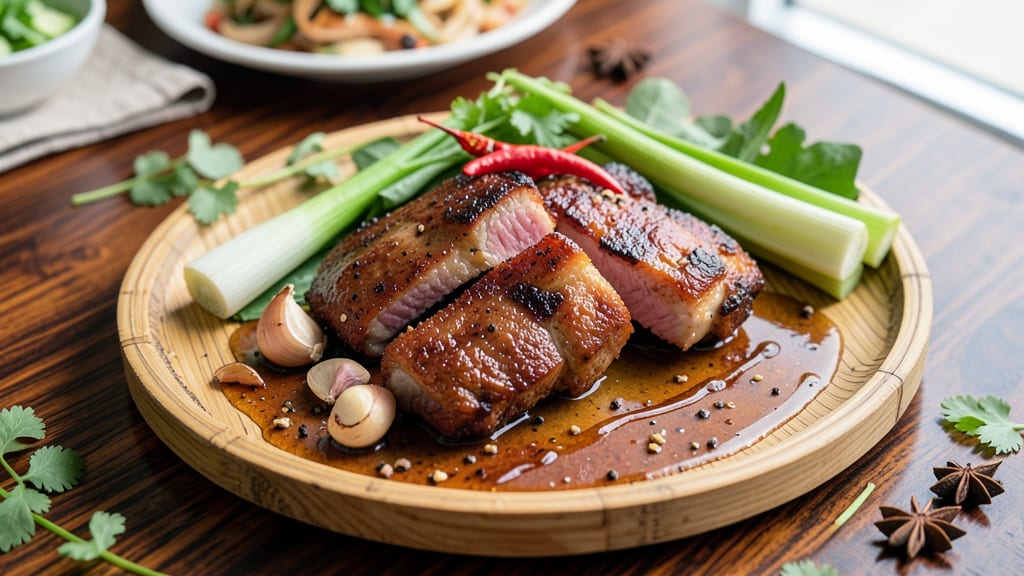
This authentic Vietnamese pork chop recipe brings the bold flavors of Saigon to your kitchen—where fragrant lemongrass, tangy fish sauce, and a whisper of chili create magic in every bite. 🌟 I developed this technique after years of studying Southeast Asian cuisine, balancing traditional methods with home-cook practicality.
The secret lies in marinating the pork for at least 4 hours, allowing the aromatic herbs and fish sauce to penetrate deeply while keeping the meat tender.
The cooking process is where the real transformation happens. We'll pan-sear the chops until they develop a beautiful caramelized crust, then finish them with a quick braise in the same pan to lock in juices.
This method ensures restaurant-quality results without requiring specialized equipment—just a cast-iron skillet and patience. The dish pairs perfectly with steamed jasmine rice and a side of pickled vegetables to complete the authentic Vietnamese experience.
What makes these pork chops truly special is the balance of flavors: the bright citrus notes from lemongrass and lime, the umami depth of fish sauce, and the subtle heat from chili. Each bite delivers tender, juicy pork with a complex sauce that clings to every piece.
The aroma alone will transport you to a bustling Hanoi street market, while the taste proves you don't need to travel to experience authentic Vietnamese cuisine.
This recipe serves 4 and comes together in about 1 hour, including marinating time. The technique is foolproof once you master the balance of fish sauce and sugar—a crucial step for achieving that perfect sweet-savory profile.
Whether you're serving this for a weeknight dinner or a special occasion, it's sure to impress. Let's get cooking!
Ingredients for authentic vietnamese pork chop
Fourteen ingredients transform simple pork chops into fragrant, restaurant-quality Vietnamese magic.
| Ingredient | Amount | Notes |
|---|---|---|
| Bone-In Pork Chops 🥩 | 1 ½ lb | Center-cut, 1-inch thick |
| Fresh Lemongrass 🌿 | 1 stalk | Tender inner part only |
| Garlic Cloves 🧄 | 8 cloves | Minced, fresh preferred |
| Fish Sauce 🍶 | 3 tbsp | Red Boat preferred |
| Soy Sauce 🥫 | 2 tbsp | Kikkoman or similar |
| Brown Sugar 🍯 | 2 tbsp | Light or dark variety |
| Fresh Lime Juice 🍋 | 2 tbsp | From 1 lime, freshly squeezed |
| Thai Bird's Eye Chili 🌶️ | 1 whole | Seeds removed for mild heat |
| Vegetable Oil 🫒 | 2 tbsp | High smoke point |
| Jasmine Rice 🍚 | 1 ½ cups | Uncooked, for serving |
| Fresh Cilantro 🌿 | ¼ cup | Chopped, for garnish |
| Salt 🧂 | 1 tsp | Kosher or sea salt |
| Black Pepper 🌶️ | ½ tsp | Freshly ground |
| Fish Sauce Substitute 🍶 | 3 tbsp | Soy sauce + 1 tsp Worcestershire |
The pork chops need to be center-cut and bone-in—this ensures even cooking and maximum flavor. Asian markets often carry the perfect thickness (1-inch), but any butcher can cut them for you. For the lemongrass, grab the tender inner part only—discard the tough outer leaves. Red Boat fish sauce is non-negotiable for authenticity, though any reputable brand works in a pinch. The Thai bird's eye chili is key for that signature heat; if you can't find it, sub with half a jalapeño (seeds removed). Pro tip: marinate overnight if possible—the flavors meld even better.
No fish sauce? Mix soy sauce with 1 teaspoon Worcestershire (check for anchovies-free if strict). Fresh lemongrass unavailable? Substitute 1 tablespoon lemongrass paste (found in Asian aisles) or 1 teaspoon lemongrass powder. The brown sugar adds just enough caramelization—don't skip it. For extra authenticity, add 1 teaspoon shrimp paste (optional but recommended). If you're sensitive to spice, reduce the chili to half or omit entirely. The jasmine rice should be steamed to perfection—use a 1:1.5 rice-to-water ratio for ideal texture.
Marinated pork chops keep 2 days in the fridge, covered tightly. The sauce can be made ahead and stored separately for 3 days. Reheat gently in a pan—never microwave. For leftovers, wrap tightly in foil and freeze for up to 1 month. The cilantro garnish should be added fresh after cooking—it brightens the dish instantly. Serve with extra lime wedges on the side; the acidity cuts through the richness beautifully. This recipe doubles easily for crowds—just scale the marinade proportionally.
Why You'll Love This Recipe
- One-Pot Magic: I swear by this recipe because it’s all in one pan—no chopping boards, no extra pots. Just the pork, lemongrass, and garlic sizzling together until the fish sauce caramelizes into something irresistible. (Yes, even on a Tuesday night when I’d rather be scrolling.)
- Umami Bomb: That balance of fish sauce and soy sauce? It’s the secret weapon. The pork ends up with this deep, savory punch—crispy edges, juicy inside—that makes me forget takeout exists. Honestly, the first time I tasted it, I texted my partner, "We’re never ordering pho again."
- Weeknight Workhorse: This dish is my go-to for lazy nights, potlucks, or when friends drop by unannounced. Serve it over rice with quick-pickled veggies, or toss it into a sandwich the next day. (Between us, the leftovers are just as good—maybe even better—because the flavors meld overnight.)
- Budget-Friendly Feast: Bone-in pork chops stretch further than you’d think, and the ingredients? Basic but powerful. A few stalks of lemongrass and a handful of garlic go a long way, and you’re left with a meal that feels fancy without breaking the bank. Not the prettiest, but the taste makes up for it every time.
Step-by-step instructions for authentic Vietnamese pork chops
Here's how to bring that signature Vietnamese restaurant flavor home—bright, aromatic, and perfectly balanced.
🍳 Step 1: Marinate the Pork with Lemongrass and Chili
In a medium bowl, combine the 3 tbsp fish sauce, 2 tbsp soy sauce, 2 tbsp brown sugar, 2 tbsp fresh lime juice, and the minced garlic cloves. Stir until the sugar dissolves completely—this creates the base marinade that will transform your pork.
Add the tender lemongrass (cut into 2-inch pieces) and the seeded Thai bird's eye chili (finely chopped). The lemongrass will infuse its citrusy aroma while the chili adds just the right amount of heat. Place the bone-in pork chops in the marinade, turning to coat completely. Let them sit at room temperature for 20 minutes—this ensures even penetration of flavors before cooking.
🔥 Step 2: Sear the Pork for Maximum Flavor
Heat the 2 tbsp vegetable oil in a large skillet over medium-high heat until shimmering. Add the marinated pork chops and cook for 4-5 minutes per side until they develop a deep golden-brown crust. The bone-in cut helps retain moisture while creating that perfect sear.
Here's the key: don't overcrowd the pan. Cook in batches if needed to maintain even heat. You'll know they're ready when the edges are crisp and the internal temperature reaches 145°F (use an instant-read thermometer). Transfer the pork to a plate and tent loosely with foil to keep warm.
🥘 Step 3: Simmer the Sauce to Perfection
Return the skillet to medium heat and add the reserved marinade (strain it if you prefer a smoother sauce). Let it simmer for 3-4 minutes until it reduces by about half and thickens slightly. The sauce should coat the back of a spoon—this is where all the flavors concentrate.
Taste and adjust seasoning: add a splash of water if too thick, or a pinch of salt if needed. The sauce should be tangy, slightly sweet, and balanced with umami from the fish sauce. Pour it over the pork chops and let them rest for 5 minutes before serving.
🍚 Step 4: Cook the Jasmine Rice
While the pork rests, cook the 1.5 cups jasmine rice according to package instructions. I like to use a rice cooker for perfect fluffy grains, but stovetop works too—just remember the 1:2 rice-to-water ratio and bring to a boil before reducing to a simmer.
The rice should be tender and separate when done. Fluff with a fork and cover to keep warm until serving. The fragrant aroma of jasmine rice pairs beautifully with the bold flavors of the pork.
🍽️ Step 5: Plate and Garnish Like a Pro
Slice each pork chop against the grain into ½-inch thick pieces for maximum tenderness. Arrange the slices over the jasmine rice, spooning the reduced sauce generously over the top. Garnish with the chopped fresh cilantro and a sprinkle of black pepper for freshness and visual appeal.
Serve immediately while the pork is still juicy and the sauce is warm. The combination of crispy sear, tender meat, and aromatic sauce will transport you straight to a bustling Hanoi street market. Pair with a simple cucumber salad to balance the richness.
Pro Tips For Making Authentic Vietnamese Pork Chop
- Pound the Lemongrass Hard: Use the flat side of your knife or a meat mallet to smash the lemongrass stalks until they bruise and release oils—this is the thing that matters most for flavor. I used to just chop it fine, but the crushed version gives that bright, citrusy punch straight into the meat.
- Salt the Pork First: Generously salt the bone-in pork chops at least 30 minutes before cooking—this guarantees the meat stays juicy and the crust forms properly. I learned this the hard way after dry, tough chops ruined my first attempt.
- Start with High Heat: Sear the pork chops over medium-high heat until the edges are deeply browned—this locks in the juices and builds the foundation for the sauce. After burning three batches, I finally figured out that patience here pays off (yes, even if you're impatient like me).
- Simmer the Sauce Low: Reduce the fish and soy sauce mixture on low heat until it’s thick enough to coat the back of a spoon—this prevents a watery, bland sauce. My grandmother swore by this, and she was right: the balance of umami and salt is everything.
Essential equipment for perfect results
Cast Iron Skillet
Your 12-inch cast iron skillet is non-negotiable for these pork chops—it retains heat perfectly and creates that signature caramelized crust. I use my Lodge Pre-Seasoned skillet (it's my go-to for everything from searing to baking).
Preheat it over medium-high heat until it's screaming hot before adding oil. The weight of cast iron helps distribute heat evenly, ensuring consistent cooking. 🔥
Instant-Read Thermometer
An instant-read thermometer is your best friend for achieving perfect doneness. I swear by the ThermoWorks ThermoPop—it's fast, accurate, and has a backlit display for easy reading. Insert it into the thickest part of the pork chop (avoiding the bone) to check for 145°F internal temperature.
This ensures juicy, tender meat every time without guessing.
Chef's Knife and Cutting Board
A sharp 8-inch chef's knife and sturdy cutting board are essential for prepping ingredients efficiently. I recommend the Wüsthof Classic knife—it stays sharp longer and handles everything from mincing garlic to slicing pork.
Use a wooden or plastic cutting board (never glass) to protect your knife's edge. For the pork chops, slice against the grain for maximum tenderness.
Fine-Mesh Strainer
A fine-mesh strainer helps create a silky-smooth sauce by removing any herb bits from the marinade. I keep a 3-inch stainless steel strainer in my kitchen for this exact purpose.
If you don't have one, a clean kitchen towel works in a pinch—just line it with cheesecloth for finer filtration. This step elevates the sauce from good to restaurant-quality.
Tongs for Flipping
Use heat-resistant silicone or stainless steel tongs to flip the pork chops—never a fork, as it pierces the meat and causes juices to escape. My favorite are the OXO Good Grips tongs—they're sturdy and have a comfortable grip for precise flipping.
The tongs also help you transfer the chops from the pan to the plate without breaking the crust.
Rice Cooker or Pot
For the jasmine rice, I prefer a rice cooker (like the Zojirushi) for foolproof results, but a heavy-bottomed pot works too. If using a pot, maintain a low simmer after boiling to prevent burning.
The rice cooker handles the timing automatically, ensuring perfectly fluffy grains every time. This keeps your hands free to focus on the pork chops. 🍚
Nutrition facts
Frequently asked questions
Can I use boneless pork chops instead of bone-in?
Yes, but bone-in chops are traditional for this recipe—they stay juicier during cooking. If using boneless, reduce cooking time by 1-2 minutes per side and monitor closely with a thermometer to reach 145°F. The bone helps distribute heat, but boneless chops still work beautifully with this marinade.
How do I adjust the spice level for kids or sensitive eaters?
Remove the seeds and membranes from the Thai chili completely for mild heat, or omit it entirely. For extra safety, reduce the fish sauce by 1 tbsp and add ½ tsp sugar to balance flavors. Always taste the sauce before serving—it should be flavorful without being spicy.
Can I make this recipe in an air fryer?
Preheat the air fryer to 375°F and cook the marinated chops for 10-12 minutes, flipping halfway. The air fryer creates a crispy exterior while keeping the inside tender. Reduce the fish sauce by ½ tbsp since air frying concentrates flavors differently than pan-searing.
What's the best way to store leftovers?
Let the pork chops cool completely, then store them in an airtight container with any remaining sauce. They keep for 3 days in the fridge or 1 month in the freezer. Reheat gently in a pan with a splash of water to restore moisture—never microwave directly from frozen.
Why does my sauce taste too salty?
The fish sauce is potent—start with 2 tbsp and taste as you go. If it's too salty, dilute with 1 tbsp water or add ½ tsp sugar to balance. For future batches, reduce fish sauce by ½ tbsp and increase lime juice by 1 tbsp to brighten flavors without salt.