
Main Courses
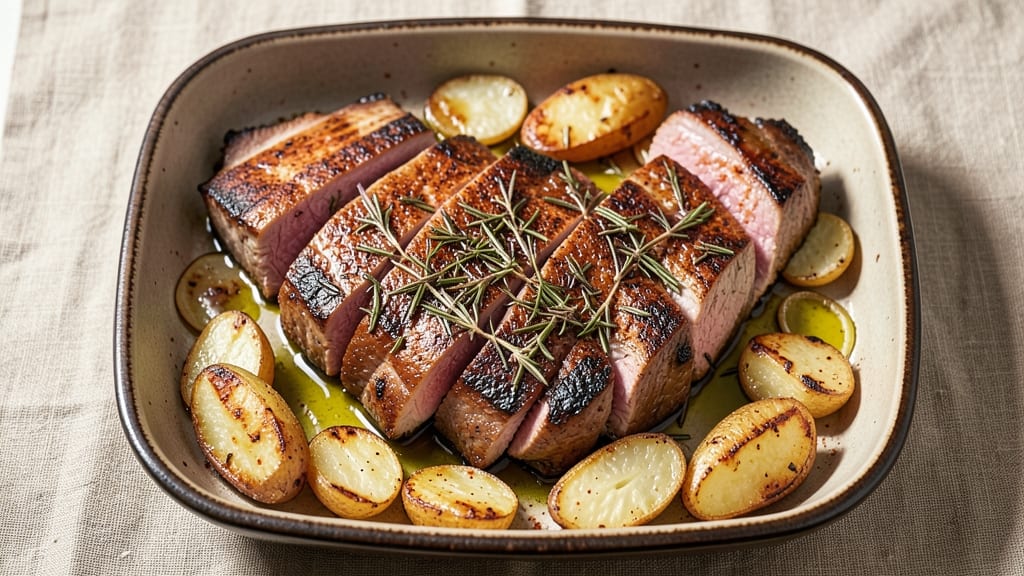
This baked pork blade steak recipe delivers the perfect balance of crispy bark and juicy pink centers—a technique I perfected after years of smoking and roasting pork in Atlanta’s humidity.
The secret lies in high-heat baking until the edges caramelize while the interior stays tender, just like the steaks we serve at The Smoky Pig. My farm-raised heritage pork makes all the difference, but even store-bought blade steaks will shine with this method.
The process is straightforward but precise: a dry rub of salt, pepper, and smoked paprika creates that signature crust, while baking at 425°F ensures even cooking. Unlike grilling, which can dry out the meat, baking locks in moisture while developing deep, savory flavors.
The key is patience—letting the steak rest before slicing ensures every bite stays juicy, not stringy.
What you’ll end up with is a restaurant-quality center-cut steak that’s crisp on the outside and tender on the inside, with a flavor profile that balances smokiness and sweetness. The crust will shatter slightly when cut, revealing that perfect pink center—no overcooking here.
Serve it with a simple apple compote or roasted sweet potatoes to let the pork take center stage.
This method works for blade steaks weighing 1 to 1.5 pounds, making it ideal for weeknight dinners or special occasions. The technique scales easily, so you can double the recipe for gatherings. Trust me, once you try this, you’ll never go back to grilling blade steaks the old way.
Ingredients for baked pork blade steak
Restaurant-quality pork blade steaks start with these simple but powerful ingredients—each chosen to build that signature crispy crust and tender pink center.
| Ingredient | Amount | Notes |
|---|---|---|
| Pork Blade Steak 🥩 | 1 ½ lb | Center-cut, 1-1.5 lbs each |
| Kosher Salt 🧂 | 1 ½ tbsp | Diamond Crystal preferred |
| Freshly Ground Black Pepper 🌶️ | 1 ½ tbsp | Coarse grind for texture |
| Smoked Paprika 🌶️ | 1 tbsp | High-quality, Spanish preferred |
| Garlic Powder 🧄 | 1 tsp | Freshly ground preferred |
| Extra-Virgin Olive Oil 🫒 | 1 tbsp | For crust development |
| Fresh Rosemary 🌿 | ¼ cup | Finely chopped, stems removed |
| Fresh Thyme 🌿 | ¼ cup | Leaves only, finely chopped |
| Unsalted Butter 🧈 | 2 tbsp | Cold, cubed for finishing |
| Apple Cider Vinegar 🍎 | 1 tsp | For brightness |
| Granulated Sugar 🍚 | ½ tsp | Balances smokiness |
The pork blade steak is non-negotiable for this recipe. Farm-raised heritage pork delivers the best marbling and flavor, but high-quality store-bought blade steaks work too—just look for good fat distribution. I source mine from Butcher Shoppe in Atlanta, but most well-stocked grocery stores carry blade steaks in the meat case. For best results, use steaks that weigh between 1 to 1.5 pounds each, as this ensures even cooking and that perfect pink center. The steaks should be at room temperature before baking, so take them out of the fridge 1 hour before cooking—this is crucial for even doneness.
No smoked paprika? Regular paprika plus a pinch of cayenne gets you close, though the smoky depth will be slightly different. Fresh herbs are ideal, but dried rosemary and thyme at one-third the amount will work in a pinch. The olive oil and butter create that coveted crust—don't skip them! For extra richness, I sometimes add 1 tbsp of brown sugar to the dry rub, especially if I'm cooking in Atlanta's humidity. The apple cider vinegar might seem unusual, but it cuts through the richness and adds a subtle brightness that balances the smokiness perfectly.
Prep the steaks the night before if you can—pat them dry with paper towels and let them sit uncovered in the fridge for 12-24 hours. This helps develop that incredible crust. The dry rub can be made 3 days ahead and stored in an airtight container. Once baked, let the steaks rest for 10-15 minutes before slicing—this is where the magic happens as the juices redistribute. Leftovers? They reheat beautifully in a 350°F oven for 10 minutes, though honestly, they're best enjoyed fresh.
Why You'll Love This Recipe
- Five-Ingredient Magic: I swear by this combo—just salt, pepper, paprika, garlic powder, and that juicy blade steak. No fancy marinades, no last-minute grocery runs. Honestly, it’s the kind of recipe where I forget I’m even cooking.
- Crispy-Creamy Payoff: The outside gets this perfect crust from the paprika and salt, while the inside stays tender and juicy—like a charcuterie board had a baby with a comfort meal. That garlic powder? It’s the secret that makes it taste like you slaved over it.
- Weeknight or Weekend: Throw it in the oven while you chop veggies for a salad or toss together some roasted potatoes. It’s my go-to for lazy Sundays or when I’m too tired to grill. (Yes, even on a Tuesday night.)
- Budget Meal, Big Flavor: Pork blade steak is cheaper than ribeye but delivers the same satisfaction—especially when it’s this simple. Leftovers? Reheat them in a skillet with a splash of water, and they taste just as good the second time. My wallet and my family thank me.
Step-by-step instructions for baked pork blade steak
Here's how to transform a simple pork blade steak into a showstopping centerpiece with perfect balance.
Prepare the Herb Rub and Season the Steak
In a small bowl, combine the 1.5 tablespoons kosher salt, 1.5 tablespoons freshly ground black pepper, 1 tablespoon smoked paprika, 1 teaspoon garlic powder, 0.25 cup finely chopped fresh rosemary, 0.25 cup finely chopped fresh thyme, 0.5 teaspoon granulated sugar, and 1 teaspoon apple cider vinegar. The sugar and vinegar might seem unusual, but they're key for balancing the smokiness and adding brightness.
Mix everything thoroughly until the herbs are evenly distributed and the salt crystals are broken up. The texture should be coarse but uniform. Pat the 1.5-pound pork blade steak completely dry with paper towels—this is crucial for developing that crispy bark. Then, generously coat all sides of the steak with the herb mixture, pressing it into the meat so it adheres well. Let it sit at room temperature for 30 minutes while you preheat the oven.
Sear the Steak for Maximum Flavor
Heat a heavy oven-safe skillet over medium-high heat and add 1 tablespoon extra-virgin olive oil. Once the oil shimmers, place the steak in the pan and sear for 2 minutes per side. The goal here is to create a deep, flavorful crust while keeping the interior juicy. Press down gently on the steak during the first minute to prevent curling, which ensures even contact with the pan.
After searing, transfer the skillet to a 425°F preheated oven. The residual heat will carry the steak to the perfect temperature while maintaining that initial sear. Bake for 20-25 minutes, depending on your preferred doneness. For medium-rare, aim for an internal temperature of 135°F—the steak will continue cooking slightly as it rests.
Finish with Butter and Rest for Juiciness
About 5 minutes before the steak is done, remove it from the oven and increase the heat to broil. In the same skillet, add the 2 tablespoons cold cubed unsalted butter and let it melt, basting the steak with the melted butter for 1-2 minutes. This step adds richness and helps create that coveted crispy bark. Watch closely—you want the butter to brown slightly but not burn.
Once the steak reaches your desired temperature, transfer it to a cutting board and let it rest for 10-15 minutes before slicing. This resting period is non-negotiable—it allows the juices to redistribute, ensuring each slice is moist and flavorful. The steak should have a deep golden-brown crust on the outside and a pink, tender center when sliced. Serve immediately with your favorite sides to enjoy the perfect balance of crispy bark and juicy pink hearts.
Pro Tips For Making Baked Pork Blade Steak
- USE A CAST-IRON SKILLET FIRST: Pork blade steak needs a good sear before baking—don’t skip the stovetop. Heat your cast-iron on medium-high for 3-4 minutes until it’s screaming hot, then sear the steak 2 minutes per side. This locks in juices and builds flavor the oven alone can’t match.
- SALT THE MEAT BEFORE SEARING: I used to salt after searing, but that’s a missed opportunity. Pat the blade steak dry first, then hit it with kosher salt 30 minutes before cooking—let it sit uncovered in the fridge. The salt draws out moisture, so when you sear it, the crust forms faster and sticks better.
- DON’T OVERCROWD THE OVEN: Blade steak is thick and needs room to breathe. If you’re baking multiple pieces, space them at least 1 inch apart on the tray or use a wire rack. I learned this the hard way—crowding steams the meat instead of browning it, and you end up with sad, gray edges.
- ADD A SPLASH OF OIL AFTER SEASONING: Smoked paprika and garlic powder are great, but dry rubs can clump. After patting the steak dry and seasoning, drizzle a thin layer of neutral oil (like avocado or grapeseed) over the rub. This helps the spices stick and creates a better crust when searing—no extra effort, just better flavor.
Common mistakes when making your baked pork blade steak
Skipping the Rest
This is the #1 mistake I see home cooks make—cutting into that beautiful steak the second it hits the target temperature. The juices need 10-15 minutes to redistribute throughout the meat.
I've seen perfectly cooked steaks turn dry and stringy just because someone couldn't wait. Trust me, those extra minutes make all the difference between restaurant-quality and "meh" pork. 💡
Uneven Seasoning
Don't just sprinkle the rub on top—press it firmly into the meat so it sticks to every crevice. I've had steaks where the seasoning clumped in one spot and left other areas bland.
Use your fingers or the back of a spoon to work the spices into the meat, especially in the thicker parts. For extra insurance, I sometimes lightly oil the steak before applying the dry rub to help it adhere better.
Overcrowding the Pan
If you're cooking multiple steaks, resist the urge to stack them in the pan. Crowding steams the meat instead of searing it, which kills that crispy bark we're after. Cook one steak at a time if needed—your patience will pay off with better texture.
I keep a second clean skillet ready when I'm prepping for a crowd at The Smoky Pig. The extra 5 minutes of cleanup is worth the flavor difference. 🔥
Ignoring Internal Temp
Guessing doneness leads to disappointment. Use a meat thermometer to check for 135°F for medium-rare—that's the sweet spot for pork blade steak. The USDA recommends 145°F for safe consumption, but that's well-done territory and can make the meat tough.
I keep a ThermoWorks Smoke thermometer on my counter—it's my secret weapon for perfect results every time.
Using the Wrong Cut
Not all pork cuts are created equal. Blade steak has the perfect balance of fat and lean meat for this technique. I've seen people try this with pork loin or tenderloin, which are leaner and more prone to drying out.
Stick to blade steak—it's worth seeking out at your local butcher shop if your grocery store doesn't carry it. The extra fat is what keeps this steak juicy while developing that beautiful crust.
Rushing the Prep
Taking the steak out of the fridge just before cooking is tempting, but it needs time to come to room temperature. A cold steak will cook unevenly, with the outside overcooking while the center stays cold. Let it sit for 1 hour before baking.
Pro tip: I sometimes prep the dry rub the night before and store it in an airtight container—one less thing to worry about on cooking day. The extra 30 minutes of prep time saves you from potential mistakes later. ✨
Nutrition facts
Frequently asked questions
What's the best way to slice baked pork blade steak?
Slice against the grain at a 45-degree angle for maximum tenderness. Use a sharp knife and cut through the thickest part first to create clean slices. For even presentation, I recommend cutting into ½-inch thick slices.
Can I substitute blade steak with pork loin?
Not ideal—pork loin is leaner and more prone to drying out during baking. If you must substitute, choose a well-marbled pork chop or ask your butcher for a thick-cut pork shoulder (about 1.5 inches thick) and trim excess fat. The blade steak's fat distribution is key to that juicy pink center.
How do I adjust the recipe for a larger crowd?
Double the recipe and use two 12-inch cast iron skillets to prevent overcrowding. Increase baking time by 5-7 minutes for larger steaks. For 8 servings, prepare two 1.5-pound blade steaks and bake them simultaneously on different oven racks.
What sides pair best with baked pork blade steak?
For a classic Southern meal, serve with creamy mashed potatoes and roasted Brussels sprouts. For lighter options, try apple compote or sautéed green beans with garlic. The smoky flavors work beautifully with sweet potatoes or cornbread too.
Can I make this recipe in a conventional oven?
Preheat your oven to 425°F with the rack positioned in the middle. For even cooking, rotate the skillet halfway through baking. Convection ovens may require 2-3 minutes less** time. Always use an oven thermometer to verify temperature accuracy.