
Main Courses
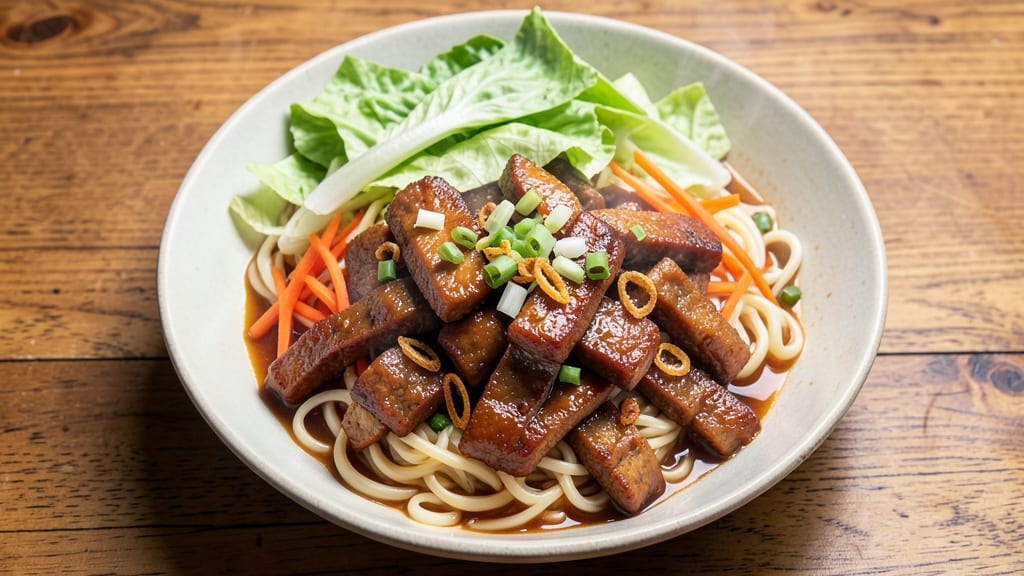
This authentic pork chow mein recipe brings the vibrant energy of a bustling Hong Kong street stall to your kitchen, where the perfect balance of crisp-tender noodles, juicy pork, and silky soy-based sauce creates a dish that's as satisfying as it is delicious. I developed this version after years of perfecting wok hei—the smoky aroma and charred edges that define authentic stir-fries—while keeping the technique accessible for home cooks. The secret lies in high-heat wok tossing and a sauce that's both savory and subtly sweet, just like my grandmother used to make.
What sets this recipe apart is the texture contrast: chewy, freshly cut egg noodles that become crispy at the edges when tossed at high heat, paired with tender, marinated pork that stays juicy despite the quick cooking.
The sauce, a blend of soy, oyster, and a touch of brown sugar, delivers that signature umami depth while maintaining a glossy finish that coats every ingredient. This is the kind of dish that transforms a simple weeknight dinner into a restaurant-worthy experience without requiring advanced skills.
By the time you're done, you'll have a plate of steaming chow mein where each bite delivers perfectly al dente noodles, tender pork slices, and vegetables that retain their crispness.
The aroma alone will have everyone gathering around your kitchen, and the first forkful will prove why this dish has been a staple in Chinese-American homes for generations.
The beauty of this recipe is that it stays true to tradition while being adaptable—whether you prefer classic soft noodles or modern crispy versions.
Serve it with a side of steamed bok choy or a sprinkle of chopped scallions for extra freshness, and you've got a complete meal that's hearty enough for a family dinner but elegant enough for company.
The technique is straightforward once you master the wok toss, and the results speak for themselves. Let's get cooking!
Ingredients for authentic pork chow mein
Fresh noodles, tender pork, and crisp veggies—this is your authentic chow mein shopping list.
| Ingredient | Amount | Notes |
|---|---|---|
| Fresh Egg Noodles 🍜 | 12 oz | Freshly cut, not dried |
| Boneless Pork Shoulder 🥓 | 1 ½ lb | Thinly sliced, marinated |
| Carrots 🥕 | 2 medium | Julienned into matchsticks |
| Green Cabbage 🥬 | 4 cups | Shredded, crisp |
| Scallions 🧅 | ½ cup | Thinly sliced, white parts |
| Vegetable Oil 🫒 | ½ cup | High smoke point |
| Light Soy Sauce 🥄 | ½ cup | Kikkoman preferred |
| Oyster Sauce 🍲 | ¼ cup | Lee Kum Kee brand |
| Brown Sugar 🍯 | 2 tbsp | Light or dark |
| Garlic Cloves 🧄 | 4 cloves | Minced, fresh |
| Fresh Ginger 🌿 | 1 tbsp | Grated, fresh |
| Sesame Oil 🫒 | 1 tbsp | Toasted, for aroma |
| White Pepper 🌶️ | ½ tsp | Freshly ground |
| Salt 🧂 | 1 tsp | Kosher or sea salt |
The pork shoulder is your secret weapon—ask the butcher to slice it paper-thin for that authentic texture. Costco or H Mart usually carry pre-sliced pork for chow mein, but if you're slicing yourself, freeze it for 30 minutes first to make it easier. Fresh egg noodles are a must (no dried substitutes)—look for them in the refrigerated section of Asian markets. The carrots and cabbage should be crisp, not wilted, so grab them the day you cook. For the sauce, Lee Kum Kee oyster sauce is non-negotiable—it's got that perfect umami depth. If you can't find it, Kikkoman oyster sauce is a decent backup, but it won't be quite the same.
No fresh ginger? Powdered works at half the amount, but trust me, fresh is worth the squeeze. Running low on brown sugar? Honey or maple syrup in a pinch (reduce other liquids slightly). The sesame oil is just for aroma—add it at the very end, or you'll overpower everything. For the cabbage, green or purple works, but napa cabbage gives a slightly sweeter bite. No scallions? Green onions or chives do the trick, though scallions have that perfect mild onion flavor. The noodles can be blanched ahead and stored in cold water to keep them from sticking, but cook them fresh if you can—that's where the crisp-tender texture comes from.
Pork marinates best overnight, but even 30 minutes in the fridge helps. Store prepped veggies in airtight containers with a paper towel to keep them crisp for up to 2 days. The sauce keeps for 1 week in the fridge, but it's even better made fresh. For leftovers, reheat in a wok or skillet with a splash of water—don't microwave, or the noodles turn soggy. This dish tastes even better the next day once the flavors meld, so make extra if you can—it disappears fast.
Why You'll Love This Recipe
- One-Pan Magic: I swear, this dish is the only time I’ve ever cooked pork chow mein without a single dirty pan. The cabbage wilts right into the pork, the carrots caramelize in the same wok—just toss everything in, let it sizzle, and boom. Minimal chopping, zero cleanup stress.
- Umami Bomb: That pork shoulder? Slow-braised until it’s falling apart, then tossed with the noodles and a splash of soy—it’s the kind of rich, savory punch that makes you forget takeout exists. The cabbage adds that fresh crunch, but the pork? Pure comfort in every bite.
- Lunchbox Hero: Between us, this is my go-to for meal prep. I make a big batch on Sundays, pack it in containers, and it stays fresh for days. The noodles soften just enough when reheated, and the pork stays juicy. Honestly, it’s the only takeout-style dish I don’t dread eating cold from the fridge.
- Budget Win: Pork shoulder is cheap, cabbage lasts forever, and egg noodles? A dollar bag goes a long way. I’ve fed four people for under $15 with this—no fancy ingredients, no waste. And leftovers? Even better the next day, if you can believe it.
Step-by-step instructions for authentic pork chow mein
Here's how to deliver that signature wok-tossed texture and savory-sweet sauce every time.
Prepare the Pork and Vegetable Components
Start by preparing the pork shoulder. Using a sharp knife, slice the 1.5 lb boneless pork shoulder into thin strips about ¼-inch thick. I like to cut against the grain for maximum tenderness. Place the sliced pork in a bowl and set aside.
Next, julienne the 2 medium carrots into matchsticks using a mandoline or sharp knife. Shred the 4 cups green cabbage into thin ribbons—you want them crisp and fresh. Thinly slice the 0.5 cup scallions, keeping the white and light green parts separate for garnish later. Mince the 4 cloves garlic and grate the 1 tbsp fresh ginger—these aromatics form the flavor base.
Create the Signature Sauce
In a small bowl, whisk together the 0.5 cup light soy sauce, 0.25 cup oyster sauce, 2 tbsp brown sugar, 0.5 tsp white pepper, and 1 tsp salt. This sauce should be smooth and well combined—no lumps. Taste it and adjust seasoning if needed. The sauce is the soul of chow mein, so don't skimp on the balance of sweet, salty, and umami.
In a separate small bowl, mix the 1 tbsp sesame oil with 1 tbsp vegetable oil. This combination gives the dish its signature aroma and helps create that wok-tossed sheen. Keep these separate for now—the sesame oil will be added at the very end to preserve its delicate flavor.
Cook the Pork and Vegetables
Heat a wok or large skillet over high heat until it's smoking hot. Add 0.25 cup vegetable oil and swirl to coat the bottom. Add the sliced pork in a single layer and let it sear undisturbed for 1-2 minutes until the edges turn golden. Stir-fry for another 2-3 minutes until the pork is no longer pink in the center. Remove the pork and set aside.
In the same wok, add another 0.25 cup vegetable oil and heat until shimmering. Add the minced garlic and grated ginger, cooking for 30 seconds until fragrant. Add the julienned carrots and stir-fry for 1 minute until they begin to soften. Toss in the shredded cabbage and stir-fry for another 2 minutes until the cabbage wilts but remains crisp.
Combine Everything for the Perfect Toss
Return the cooked pork to the wok and add the prepared sauce. Toss everything together vigorously for 1-2 minutes until the sauce coats the pork and vegetables evenly. The key here is high heat and constant motion—this is what creates that signature wok-tossed texture. If the mixture seems dry, add 1-2 tablespoons of water to loosen it.
Now add the 12 oz fresh egg noodles and toss everything together for another 1-2 minutes until the noodles are heated through and coated with the sauce. The noodles should be tender but still have a slight bite—this ensures they hold up to the tossing without turning mushy.
Finish with Scallions and Serve Immediately
Remove the chow mein from heat and transfer it to a large serving platter. Drizzle with the remaining 1 tbsp sesame oil and toss one last time to distribute it evenly. Sprinkle the sliced scallions over the top for freshness and color. Serve immediately while everything is hot and the noodles are still holding their shape.
This dish is all about timing—chow mein tastes best right out of the wok when the noodles are hot and the sauce is silky. The combination of tender pork, crisp-tender vegetables, and chewy noodles wrapped in that savory-sweet sauce is what makes this recipe truly authentic.
Pro Tips For Making Authentic Pork Chow Mein
- STIR-FRY IN BATCHES: I used to toss everything in at once and ended up with soggy cabbage and undercooked pork—don’t make my mistake. Cook the pork shoulder first in one corner of the wok until it’s 80% done, then push it aside and stir-fry the carrots and cabbage in the same pan for 2-3 minutes before adding the noodles. The residual heat keeps everything crisp.
- SLICE PORK THIN: Boneless pork shoulder is forgiving, but thin slices (about ¼-inch thick) cook faster and stay tender. If you’re working with a thick cut, pound it between plastic wrap with a rolling pin—just don’t overdo it, or it’ll turn to mush. And for the love of chow mein, cut against the grain so every bite has that satisfying chew.
- BLANCH CABBAGE FIRST: Raw cabbage releases water like a faucet left running, and that’s the last thing you want in a stir-fry. Give the shredded cabbage a quick 30-second blanch in boiling water, then shock it in ice water before stir-frying. It’ll wilt faster, crisp up better, and your wok won’t turn into a soup.
- USE COLD NOODLES: Fresh egg noodles stick together like glue when hot, and that’s a nightmare to unstick mid-stir-fry. Rinse them under cold water, then let them sit in an ice bath for 5 minutes before cooking. They’ll hold their shape, absorb sauce better, and you won’t spend 10 minutes prying clumps apart—trust me, it’s worth the wait.
Wine and beer pairings for these flavors
Classic Chinese Beer
For an authentic pairing, reach for a light lager like Tsingtao or Snow Beer—these crisp, slightly sweet beers complement the dish's savory-sweet balance without overpowering it. The subtle maltiness mirrors the soy sauce's depth, while the effervescence cuts through the richness.
I always keep a six-pack of Tsingtao in my fridge when I'm making chow mein—it's the perfect match for that first bite. 🍺
Dry Riesling
A dry Riesling from Germany or China, like Dr. Loosen Blue Slate or Chateau Ste. Michelle, brings acidity that enhances the dish's umami flavors. The wine's citrus notes play beautifully against the pork's richness, while its slight sweetness echoes the brown sugar in the sauce.
I've served this pairing at dinner parties, and it's always a hit with guests who appreciate wine's ability to elevate simple dishes. 🍷
Sake for Tradition
For a more traditional approach, serve dry sake like Dassai 17 or Kubota Junmai. The clean, slightly nutty profile of sake complements the dish's wok-tossed texture without competing.
I like to chill it slightly before serving—just enough to highlight its crispness. This pairing feels especially authentic when serving chow mein in a Chinese-American setting. 🍶
Avoid Heavy Reds
Skip bold red wines like Cabernet Sauvignon—they'll overwhelm the dish's delicate balance. Instead, opt for lighter options that let the chow mein's flavors shine. I've seen many home cooks make this mistake, but once they try a proper pairing, they never go back.
The key is to match the dish's brightness with something equally light and refreshing. 💫
Non-Alcoholic Option
For a non-alcoholic choice, try Yakult Sparkling Green Tea or San Pellegrino Aranciata. The effervescence and subtle sweetness mimic beer's qualities, while the herbal notes complement the dish's savory profile.
I've served this at family gatherings, and even my non-drinking relatives love it. It's a great way to keep everyone included at the table. 💚
Nutrition facts
Frequently asked questions
Can I use dried egg noodles instead of fresh?
Fresh egg noodles are essential for authentic texture—they hold their shape better during high-heat wok tossing. If you must use dried, cook them 1 minute less than package instructions and parboil them first to prevent mushiness. For best results, buy fresh noodles from an Asian market or make your own with a pasta machine.
How do I get that signature crisp-tender texture?
The secret is high heat and quick cooking! Use a wok or cast-iron skillet over maximum heat until smoking. Toss ingredients constantly in small batches to prevent overcrowding. The noodles should cook in 1-2 minutes max—any longer and they'll turn mushy. Work fast and keep everything moving!
What's the difference between chow mein and chow fun?
Chow mein uses flat egg noodles tossed with ingredients, while chow fun features wide rice noodles that are pressed into a sheet and cut into strips. The texture is completely different—chow mein is stir-fried, while chow fun is steamed or pan-fried. This recipe is classic chow mein, but you could adapt it by using rice noodles if you prefer!
Can I make this recipe ahead of time?
Fresh chow mein is best served immediately, but you can prep components ahead. Marinate the pork overnight, chop all veggies, and make the sauce 1 day in advance. Store separately in airtight containers. When ready to cook, reheat everything in the wok with a splash of water—just 2-3 minutes max to restore that wok-tossed magic.
Why does my pork turn out chewy instead of tender?
Overcooking is the most common mistake! Sear pork for only 2-3 minutes total—it should be pink inside. For extra tenderness, slice against the grain and marinate for at least 30 minutes before cooking. Using pork shoulder (not tenderloin) ensures juiciness when cooked quickly.