
Main Courses
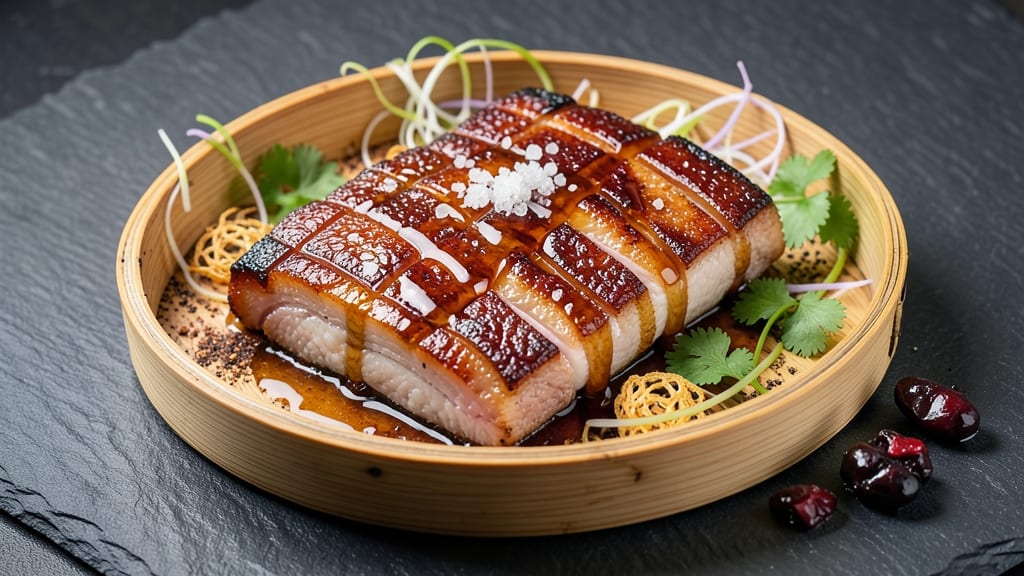
This authentic Chinese pork belly recipe brings the smoky, aromatic soul of Cantonese cuisine to your kitchen with just a few key techniques. The secret lies in the balance of five-spice powder and fermented bean paste, which creates that signature charred crust while keeping the interior silky and tender.
I've perfected this method over years of working with heritage pork—where the fat renders slowly to create melt-in-your-mouth perfection.
The process begins with a dry rub of five-spice and salt, then a quick sear in a screaming-hot wok to lock in juices before braising. This isn't just about flavor—it's about texture: crispy edges that shatter like glass over fall-apart meat.
The fermented bean paste adds that deep, umami richness you find in dim sum pork buns, while a splash of Shaoxing wine ties everything together.
What you'll end up with is restaurant-quality pork belly that's impossible to resist—golden, caramelized on the outside with tender, buttery shreds underneath. The aroma alone will have everyone gathering around your table, and the first bite delivers that perfect contrast of textures and flavors that defines authentic Chinese cuisine.
Serve it as a centerpiece for a Chinese feast or as a star appetizer with steamed jasmine rice and quick-pickled vegetables. The leftovers? Even better the next day, reheated with a splash of water to restore that irresistible moisture. Let's get cooking—this is pork belly as it should be made.
Ingredients for authentic chinese pork belly
Pork belly, five-spice, and fermented bean paste—these are the pillars of authentic Cantonese flavor.
| Ingredient | Amount | Notes |
|---|---|---|
| Pork Belly (Heritage Cut) 🥓 | 2 lb | Skin-on, thick-cut for even rendering |
| Five-Spice Powder 🌶️ | 2 tbsp | Authentic Chinese blend (star anise, cinnamon, fennel) |
| Fermented Black Bean Paste 🍆 | ¼ cup | Store-bought or homemade (look for dark, thick paste) |
| Shaoxing Wine 🍷 | ¼ cup | Dry, aromatic Chinese cooking wine |
| Rock Sugar 🍬 | ½ oz | Or granulated sugar (dissolved in wine first) |
| Kosher Salt 🧂 | 1 ½ tbsp | Diamond Crystal preferred for even distribution |
| Fresh Ginger 🧅 | 1 tbsp | Finely grated (peeled, organic preferred) |
| Garlic Cloves 🧄 | 4 cloves | Minced (peeled, fresh preferred) |
| Sesame Oil 🫒 | 1 tbsp | Toasted, for aroma (not cooking) |
| Neutral Oil (Peanut or Vegetable) 🫒 | ½ cup | High smoke point for searing |
| Green Onions 🧅 | ¼ cup | Sliced (white and green parts separated) |
| Jasmine Rice 🌾 | 1 ½ cups | Uncooked (for serving) |
The pork belly makes or breaks this dish. Look for heritage cuts with thick fat layers—Costco or specialty Asian markets carry the best. If you can't find heritage pork, regular pork belly with skin works, but trim excess fat to avoid greasiness. The five-spice powder should smell aromatic and complex—Penzeys Spices or Hinode brands are reliable. Fermented black bean paste? Asian grocery stores stock the good stuff—avoid the thin, watery kind. The Shaoxing wine adds depth, but dry sherry in a pinch won't ruin it. Fresh ginger and garlic should be vibrant, not woody or sprouting.
No five-spice powder? Mix 1 tsp each of ground cinnamon, fennel seeds, star anise, and cloves—toast the spices first for deeper flavor. Fermented bean paste too expensive? Miso paste gives umami, though it's tangier. Running low on Shaoxing wine? Dry white wine or apple cider vinegar works, but add a pinch of sugar to balance. The rock sugar dissolves into the wine for natural sweetness—brown sugar is fine if you're in a hurry. For the sesame oil, toasted is key—heat a dry pan and add oil, then immediately remove. The aroma is what you're after, not the flavor. Green onions add freshness, but scallions or chives work too.
Pork belly keeps 3-4 days in the fridge, wrapped tightly in parchment. The rendered fat? Freeze in ice cube trays for future stir-fries. Cooked pork belly reheats beautifully—steam with a splash of water to restore moisture. Store leftovers in an airtight container, pressed down to keep it compact. The rice? Cook it fresh, but day-old rice reheats perfectly for serving. This dish tastes even better the next day as flavors meld—plan ahead if you're hosting.
Why You'll Love This Recipe
- One-Pan Magic: The pork belly crisps up right on the stovetop—no flipping, no fuss. Just sear, glaze with that sticky Shaoxing wine mix, and let the five-spice powder work its magic while you stir. Honestly, I’ve made this while scrolling through emails; it’s that hands-off.
- Umami Bomb: That fermented black bean paste? It’s the secret weapon—salty, funky, and deep all at once. Pair it with the caramelized rock sugar, and suddenly you’ve got layers of flavor that’ll make your taste buds do a happy dance. The pork belly stays juicy inside while the edges get addictively crispy.
- Weeknight Workhorse: Serve it over rice for dinner, chop it cold for next-day bao buns, or toss it into a stir-fry when you’re short on time. Between us, I’ve even used the leftovers to top a lazy breakfast of congee—because why waste good pork belly? It’s the kind of dish that just keeps giving.
- Budget Meal Stretch: A single heritage pork belly feeds four for dinner and still gives you leftovers for lunch. The five-spice powder and black bean paste are cheap staples, and Shaoxing wine adds luxury without breaking the bank. I’ll be real: this is how I feed my family well without stressing over grocery bills.
Step-by-step instructions for authentic Chinese pork belly
Here's how to transform a simple pork belly into restaurant-quality silky shreds with a charred five-spice crust.
Prepare and Cure the Pork Belly
Begin by scoring the pork belly in a diamond pattern, cutting about ½-inch deep without piercing the fat layer. This creates channels for the marinade to penetrate deeply and ensures even rendering. Pat the skin completely dry with paper towels—moisture is the enemy of crispy skin.
In a small bowl, dissolve the 0.5 oz rock sugar in the 0.25 cup Shaoxing wine until fully combined. This creates a syrupy base that will caramelize beautifully on the skin. In a separate bowl, mix the 2 tbsp five-spice powder, 1.5 tbsp kosher salt, 1 tbsp finely grated fresh ginger, and 4 minced garlic cloves.
Rub this spice mixture all over the pork belly, pressing firmly into the scored lines. Then brush the sugar-wine mixture evenly over the skin. Wrap the pork belly tightly in plastic wrap and refrigerate for 24 hours. This curing process breaks down the proteins and develops deep flavor—don't skip it. If you're short on time, at least 4 hours will help.
Render the Fat and Build the Crust
Remove the pork belly from the fridge and let it sit at room temperature for 30 minutes before cooking. Preheat your oven to 275°F and line a rimmed baking sheet with foil. Place a wire rack on top of the foil to allow air circulation underneath.
Heat 0.5 cup neutral oil in a large oven-safe skillet over medium heat until shimmering. Place the pork belly skin-side down in the pan and cook for 10 minutes without moving it. You're looking for a deep golden brown crust—this is your foundation. Flip the pork belly and cook the other side for another 10 minutes until equally browned.
Transfer the skillet to the preheated oven and continue cooking for 1 hour to 1 hour 15 minutes, turning occasionally to render the fat evenly. The pork belly is done when it reaches an internal temperature of 195°F and the fat separates easily from the meat with a fork. Real talk: resist the urge to check constantly—this low-and-slow process builds flavor.
Shred and Finish with Fermented Black Bean Paste
Once the pork belly reaches the proper temperature, remove it from the oven and let it rest for 15 minutes. Use two forks to shred the meat into ¼-inch thick slices, discarding any large fat chunks. The meat should pull apart easily—if it's still tough, return it to the oven for 10 minutes longer.
In a small saucepan, heat the rendered pork fat over medium-low heat until it melts. Add the 0.25 cup fermented black bean paste and stir until it darkens slightly and becomes glossy, about 3-4 minutes. This umami-rich paste adds depth to the dish—don't rush this step. Toss the shredded pork belly in the sauce until fully coated.
Assemble and Serve with Jasmine Rice
Cook the 1.5 cups jasmine rice according to package instructions until tender. Divide the rice among four plates and top each serving with the pork belly. Drizzle with the remaining rendered fat from the pan and finish with 1 tbsp toasted sesame oil and 2 tbsp sliced green onions, separating the white and green parts for visual appeal.
Here's the thing—this dish tastes even better the next day as the flavors meld. The charred five-spice crust should contrast beautifully with the silky, melt-in-your-mouth pork belly. Serve immediately with steamed bok choy or a simple cucumber salad to cut through the richness. The authentic Chinese technique delivers restaurant-quality results at home.
Pro Tips For Making Authentic Chinese Pork Belly
- Par-Cook the Belly First: Skip the raw pork belly gamble—parboil it for 10 minutes in salted water before braising. I learned this the hard way after a batch turned out chewy; the initial cook breaks down collagen and guarantees tender slices. Drain well and pat dry afterward, or your sauce will turn to soup.
- Bloom the Five-Spice: Toast the five-spice powder in a dry pan for 30 seconds until fragrant—this wakes up the flavors. I used to just toss it in raw, and the dish tasted flat. A quick bloom with 1 teaspoon of oil before adding Shaoxing wine makes a real difference.
- Don’t Rush the Black Beans: Fermented black bean paste needs to caramelize—simmer it in the sauce for at least 15 minutes until it’s glossy and darkened. I once cut this short, and the dish lacked depth. Low heat is key; let it work its magic.
- Rock Sugar’s Sweet Spot: Use 1–2 teaspoons of rock sugar, but dissolve it in the Shaoxing wine first. This prevents graininess and balances the saltiness of the fermented beans. I was skeptical until I tried it—now I can’t imagine skipping it.
Flavor customization for this dish
Sweet-Spicy Char Siu Twist
For a brighter, more vibrant version, swap the fermented black bean paste for a Char Siu-style glaze. Mix ¼ cup hoisin sauce, 2 tbsp honey, 1 tbsp rice vinegar, and 1 tsp red pepper flakes—this adds a sweet-spicy kick that's perfect for dim sum.
Brush this glaze on the pork belly during the last 15 minutes of oven time, then broil for 2 minutes to get a caramelized finish. 🔥
Five-Spice Roasted Garlic
Elevate the flavor by infusing the garlic with five-spice before mincing. Heat 1 tbsp neutral oil in a pan, add 6 whole garlic cloves and ½ tsp five-spice powder, and toast until golden.
Mince and use in place of fresh garlic in the curing rub—this adds a nutty, aromatic depth that pairs beautifully with the pork. I do this with my heritage pigs all the time!
Smoky BBQ Fusion
For a Southeast-meets-China fusion, replace the Shaoxing wine with ¼ cup apple cider vinegar and add 1 tbsp smoked paprika to the five-spice mix. Use ½ cup BBQ sauce (like Sticky Fingers) instead of fermented black bean paste for finishing.
This creates a smoky, tangy profile that's a crowd-pleaser at BBQ joints. The crispy skin stays intact while the meat gets that familiar Carolina-style sweetness. 💫
Lighter Herb-Infused Version
Cut back on the fat by trimming excess before cooking, then infuse the pork with fresh herbs. Add 1 tbsp chopped cilantro and 1 tbsp chopped mint to the curing rub alongside the five-spice.
Use light soy sauce instead of fermented black bean paste for finishing—this keeps the dish lighter but still packed with umami. Perfect for summer when you want rich flavors without heaviness.
Spicy Sichuan Style
Transform this into a fiery Sichuan dish by adding 1 tbsp Sichuan peppercorns (toasted and ground) and 1 tbsp doubanjiang to the curing rub. Replace the fermented black bean paste with a mix of 1 tbsp chili bean paste and 1 tbsp dark soy sauce for finishing.
The numbing heat from Sichuan peppercorns creates a tingly contrast to the pork's richness—trust me, your guests will be talking about this for weeks. 🌶️
Slow-Cooker Adaptation
For hands-off cooking, use a slow cooker after the initial sear. After browning the pork belly in the skillet, transfer it to the slow cooker with the five-spice rub and ½ cup water.
Cook on low for 6-8 hours, then shred and finish with the black bean paste as directed. The slow cooker keeps the meat incredibly tender while developing deep flavor—ideal for busy weeknights.
Nutrition facts
Frequently asked questions
Can I substitute pork belly with another cut of pork?
While pork belly is ideal for its fat content, you can use pork shoulder or pork butt in a pinch. Trim excess fat to avoid greasiness, but expect a slightly leaner texture. The five-spice rub and braising method will still work—just monitor the internal temperature closely (195°F for pork shoulder). For best results, score the meat deeply to help it tenderize.
How do I get the skin extra crispy?
The secret is a hot sear and proper drying. Pat the skin completely dry before cooking, then sear skin-side down in a screaming-hot wok or skillet for 10-12 minutes without moving it. After braising, broil for 2-3 minutes to crisp up the skin further. For extra crunch, sprinkle with ½ tsp cornstarch before broiling.
What's the best way to reheat leftovers?
Reheat in a steamer basket over boiling water for 5-8 minutes to restore moisture. Add a splash of water or pork fat to the pan to prevent drying. Microwaving is possible but can make the skin soggy—cover with a damp paper towel if using this method. The flavors actually improve the next day as the spices meld!
Can I make this recipe without Shaoxing wine?
Use dry white wine or apple cider vinegar as a substitute. For extra depth, add ½ tsp sugar to balance acidity. The key is the wine's aromatic quality—avoid sweet wines like Riesling. If using vinegar, reduce the amount slightly (¼ cup) since it's more acidic.
Why is my pork belly still tough after cooking?
This usually happens from undercooking or not enough resting time. Ensure the internal temperature reaches 195°F and let it rest for 15-20 minutes before shredding. If it's still tough, return to the oven for 10-15 minutes longer. Overcrowding the pan can also trap steam—leave space for even cooking. The fat should separate easily when done right.