
Main Courses
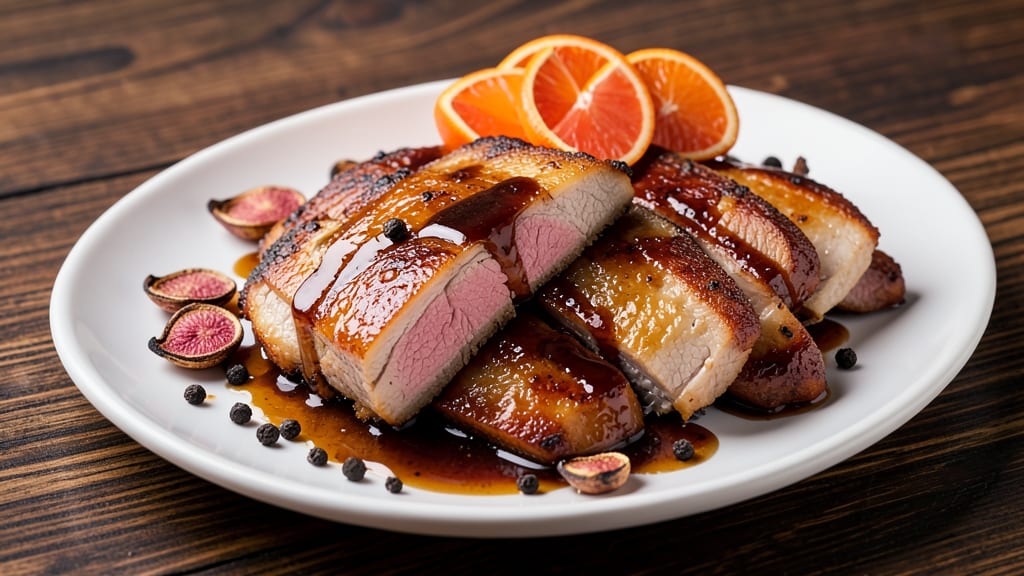
Filipino-style roasted pork belly delivers crispy bark that shatters at every bite, hiding tender, melt-in-your-mouth meat beneath.
I first tasted this dish at a local karinderia in Manila, where the aroma of garlic, soy, and calamansi filled the air—now I recreate it in my own kitchen with the same care my grandmother used for special occasions.
The secret lies in the marinade: a balance of soy sauce, calamansi (or lime), garlic, and brown sugar that tenderizes the meat while building deep, savory flavors. Roasting it uncovered at high heat creates that prized crackling bark, while the slow cook transforms tough belly into silky shreds.
This isn’t just a dish—it’s a celebration of Filipino home cooking.
What you’ll end up with is a centerpiece that commands attention—golden, crackling edges giving way to succulent meat that falls apart with a touch. The aroma alone will have everyone gathering at the table, and the first bite delivers that perfect contrast of textures and flavors.
This is comfort food at its finest, made even better by the fact that it’s easier than it looks.
Pair it with garlic rice and pickled vegetables to complete the meal, or serve it as-is when the pork belly deserves all the focus. The leftovers?
Even better the next day, reheated until that crispy bark returns. Let’s get cooking—this is the kind of dish that turns ordinary weeknights into special occasions.
Ingredients for roasted pork belly recipe filipino style
These ingredients transform simple pork belly into Filipino-style crispy, tender perfection.
| Ingredient | Amount | Notes |
|---|---|---|
| Pork Belly 🥓 | 2 lb | Skin-on, cut into 1-inch thick slabs |
| Soy Sauce 🥢 | ½ cup | Filipino or Japanese preferred |
| Calamansi Juice 🍋 | ¼ cup | Or substitute lime juice |
| Brown Sugar 🍚 | ¼ cup | Packed, light or dark |
| Garlic Cloves 🧄 | 8 cloves | Minced, fresh preferred |
| Black Peppercorns 🌶️ | 1 tbsp | Crushed, freshly ground |
| Ground White Pepper 🌶️ | ½ tsp | For subtle flavor |
| Olive Oil 🫒 | 2 tbsp | For coating meat |
| Fresh Ginger 🌿 | 1 tbsp | Grated, fresh preferred |
| Bay Leaves 🍃 | 2 whole | Dried, for aroma |
| Salt 🧂 | 1 ½ tsp | Kosher or sea salt |
| Water 💧 | ¼ cup | For marinade consistency |
The pork belly is the star—look for thick slabs with good fat marbling. Filipino markets or Asian grocery stores like 99 Ranch carry the best cuts, but your local butcher can trim it for you. If you can't find calamansi, lime juice works (it's the same citrus family). The soy sauce matters—Filipino brands like Silver Swan have that perfect balance of salt and umami. For the garlic, I always use elephant garlic if available—it's milder but more flavorful. Don't skip the peppercorns; crushing them fresh makes all the difference.
No calamansi? Lime juice plus a pinch of salt mimics the tang. Running short on soy sauce? Coconut aminos at a 1:1 ratio works in a pinch. The ginger can be swapped for 1 tsp ground ginger if fresh isn't available, but the texture won't be quite the same. Want extra crisp? Add 1 tbsp cornstarch to the marinade. The bay leaves are non-negotiable—they infuse that subtle, earthy aroma that's classic in Filipino cooking. If you're using pre-minced garlic, toast it first in olive oil to deepen the flavor.
Marinate the pork for at least 4 hours—overnight is ideal. The skin will release fat during roasting, so line your pan with foil for easy cleanup. Leftovers reheat beautifully—just 5 minutes at 350°F until the bark crisps again. Store in the fridge for 3 days or freeze for 3 months. I always make extra because it disappears fast—this is the kind of dish that gets passed around the table until nothing's left.
Why You'll Love This Recipe
- One-Pan Magic: I swear by this—just slice the pork belly, toss it with garlic and soy sauce, and let the oven do the work. No flipping, no fuss, and that caramelized crust? Worth every second.
- Tangy-Sweet Crunch: The calamansi juice cuts through the richness like a citrusy hug, while the brown sugar melts into a sticky, addictive glaze. That crispy exterior with the tender inside? My kind of balance.
- Leftover Goldmine: This keeps perfectly for days—slice it thin for quick lunches, toss it into fried rice, or serve it cold with rice. Honestly, I’ve eaten it straight from the fridge at 2 AM, and it’s still amazing.
- Budget Crowd-Pleaser: A single pork belly feeds my whole family (and usually leaves seconds). The ingredients are simple, the flavor’s bold, and it’s the kind of dish that makes people ask, “What’s this?” before begging for the recipe.
Step-by-step instructions for Filipino-style roasted pork belly
Here's how to transform simple ingredients into melt-in-your-mouth pork belly with perfect crispy bark.
Prepare the Pork Belly for Maximum Crisp
Pat the 2 lb pork belly slabs completely dry with paper towels—this is non-negotiable for crispy skin. I press down firmly on each slab to remove all moisture, especially in the crevices and under the skin. The drier the surface, the better the crust forms.
In a small bowl, combine the 0.5 cup soy sauce, 0.25 cup calamansi juice, 0.25 cup brown sugar, 1 tbsp black peppercorns, 0.5 tsp ground white pepper, 1 tbsp grated fresh ginger, 2 whole bay leaves, 1.5 tsp salt, and 0.25 cup water. Mix until the brown sugar dissolves completely. This marinade needs to be fully incorporated so every bite gets that perfect balance of sweet, salty, and peppery flavors.
Place the pork belly slabs in a shallow dish and pour the marinade over them, ensuring both sides are coated. Let them sit uncovered in the refrigerator for at least 4 hours—overnight is even better. The acid in the calamansi juice will tenderize the meat while the sugar and soy sauce caramelize for that irresistible bark.
Render the Fat and Build the Crust
Preheat your oven to 375°F. Remove the pork belly from the fridge and let it sit at room temperature for 30 minutes—this ensures even cooking. Line a baking sheet with aluminum foil and place a wire rack on top. This rack is crucial for crispy skin on all sides.
Place the pork belly slabs on the rack, fat-side up. Bake for 45 minutes, then flip them over to the meat-side up. Return to the oven and bake for another 45 minutes. Here's the thing—don't open the oven door during this time. Every time you peek, you lose heat and moisture, which means less crispy skin and more steamed meat.
After the second 45 minutes, flip the pork belly back fat-side up. You'll notice the fat has rendered significantly and the skin is starting to crisp. This is when the magic happens—those rendered fats baste the meat, creating that perfect balance of crispy exterior and tender interior.
Finish with Perfect Crisp and Rest
Increase the oven temperature to 425°F. This final step is all about achieving that deep, mahogany bark. Bake for an additional 20-25 minutes, flipping the pork belly once halfway through, until the skin is deep golden brown and the internal temperature reaches 195-200°F when measured with a meat thermometer.
You'll know it's done when the skin is so crispy it practically shatters, and the meat pulls apart easily with two forks. This high heat finish caramelizes the sugars in the marinade and creates that signature Filipino pork belly texture—crunchy on the outside, silky on the inside.
Transfer the pork belly to a cutting board and let it rest for 15 minutes before slicing. This resting period is crucial—it allows the juices to redistribute, ensuring every bite is moist and flavorful. During this time, you can use the rendered fat from the baking sheet to make a quick pan sauce by adding the 8 cloves minced garlic and sautéing until fragrant.
Slice and Serve with Confidence
Once rested, slice the pork belly against the grain into ¼-inch thick slices. The grain direction is visible as lines running through the meat—cutting against these lines makes each bite more tender. Arrange the slices on a platter and drizzle with any remaining rendered fat from the baking sheet for extra richness.
Serve immediately with the garlic-infused pan sauce on the side. Each bite should deliver a perfect harmony of crispy, caramelized skin and tender, juicy meat. The marinade's flavors—sweet, savory, and slightly peppery—will shine through in every mouthful. This is the kind of dish that makes you want to lick your fingers clean!
Pro Tips For Making Roasted Pork Belly Recipe Filipino Style
- CRISP THE SKIN FIRST: Before slathering the pork belly in marinade, sear the skin side down in a cold pan over medium heat—no oil needed. Let it render fat and crisp slightly (about 8-10 minutes) before flipping. I learned this the hard way: skipping this step means your skin stays chewy, no matter how long you roast later.
- USE CALAMANSI JUICE SPARINGLY: Fresh calamansi juice is tangy magic, but too much turns your pork belly into a sauce. Start with 2 tablespoons per pound of pork, then adjust after tasting. I was skeptical until I tried it—it brightens the soy and brown sugar without overpowering the meat.
- ROAST LOW AND SLOW AFTER SEARING: After the initial crisping, transfer the pork belly to a 300°F (150°C) oven for 1.5–2 hours, basting with its own rendered fat every 30 minutes. Sounds slow, but rushing this makes the meat dry. Trust me, your future self will notice the difference.
- MINCE GARLIC FINE (NO CHUNKS): For Filipino-style pork belly, finely minced garlic (almost paste-like) blends better into the marinade and caramelizes evenly during roasting. Whole cloves burn and leave bitter spots. I skip this when I’m lazy, but the dish is noticeably better when I don’t.
Serving suggestions for this dish
Garlic Rice Pairing
This dish practically begs for a bed of fragrant garlic rice to soak up every last bit of rendered pork fat. I use jasmine rice because it stays distinct yet absorbs flavors beautifully.
Sauté 4 cloves minced garlic in 1 tbsp butter until golden, then add 1 cup cooked rice and 2 tbsp pork fat from the roasting pan (trust me, it's liquid gold). Finish with a splash of soy sauce and 1 tbsp chopped scallions.
The rice should be warm through when you serve it—just reheat with a splash of water if needed. 🥘
Pickled Vegetables
Filipino-style atchara (pickled papaya salad) cuts through the richness perfectly. I make a quick version with 1 cup shredded green papaya, 1 carrot julienned, 1/4 cup vinegar, 1 tbsp sugar, and 1/2 tsp salt.
Let it sit for at least 30 minutes before serving. The tangy crunch balances the pork's sweetness and adds freshness to every bite. For extra authenticity, add 1/4 cup chopped cucumber and 1/2 tsp black pepper.
Simple Green Salad
A light mixed greens salad with a citrusy dressing keeps the meal balanced. Toss 4 cups butter lettuce with 1/4 cup sliced cucumber, 1/4 cup shredded cabbage, and 1 tbsp toasted sesame seeds.
For the dressing, whisk 2 tbsp rice vinegar, 1 tbsp soy sauce, 1 tsp honey, and 1 tsp sesame oil. The acidity cleanses the palate between rich bites of pork.
I like to serve it chilled but not ice-cold—just 30 minutes in the fridge does the trick. 🥗
Steamed Eggplant
Steamed eggplant with a sprinkle of salt and a drizzle of pork fat from the roasting pan is a classic Filipino side. Halve 2 small Japanese eggplants, sprinkle with 1/2 tsp salt, and steam for 10-12 minutes until tender.
The fat makes it irresistibly savory. For extra flavor, add 1/2 tsp sugar to the salt before steaming—it caramelizes slightly and adds depth. Serve warm alongside the pork belly. 🍆
Plating Like a Pro
Presentation matters in Filipino cooking—it's all about making the dish look as good as it tastes. Arrange the pork belly slices on a platter with the garlic rice in the center, creating a "sunburst" pattern. Scatter pickled vegetables and steamed eggplant around the edges.
Drizzle any remaining pork fat over the rice and pork for extra shine. Garnish with chopped scallions and sesame seeds for color contrast. The key is to keep it vibrant and inviting—this is comfort food that deserves to be celebrated. ✨
Leftovers Strategy
This dish tastes even better the next day, so plan ahead! Store components separately in airtight containers—pork belly, rice, and pickled vegetables each keep well for 3-4 days. To reheat, warm the pork belly in a 350°F oven for 10-15 minutes until the bark crisps again.
Reheat rice with a splash of water or broth, and warm pickled vegetables briefly (just 1-2 minutes in a dry pan). The flavors meld even more beautifully after resting overnight—this is the kind of meal that gets better with time. 💫
Nutrition facts
Frequently asked questions
How do I get the pork belly skin extra crispy?
Pat the skin completely dry before marinating—this is the #1 secret! Use a wire rack over a baking sheet to allow air circulation on all sides, and flip the pork belly fat-side up during the final 20 minutes at 425°F. The rendered fat from the skin will baste itself, creating that signature crackling texture. Don't skip the resting time—15 minutes before slicing keeps the juices inside for maximum crispiness.
Can I substitute calamansi juice with something else?
If you can't find calamansi, use lime juice plus a pinch of salt (it mimics the tang) or lemon juice with a splash of vinegar. The acidity is key for tenderizing the meat and balancing the sweetness. For extra authenticity, add 1/2 tsp sugar to the substitute juice to match the calamansi's natural sweet-tart profile.
What's the best way to store leftovers?
Store the pork belly in an airtight container with the fat-side up to preserve that crispy bark. It keeps well in the fridge for 3-4 days or frozen for 3 months. To reheat, warm at 350°F for 10-15 minutes until the skin crisps again. The rice and pickled vegetables can be stored separately—they'll stay fresh for 4-5 days in the fridge.
Why does my pork belly turn out tough instead of tender?
This usually happens from overcooking or not marinating long enough. The marinade needs at least 4 hours (overnight is ideal) to work its magic. Use a meat thermometer—pull it out when it hits 195-200°F internally. If it's still tough, try reheating it with a splash of water or broth in a covered pan at low heat for 10 minutes to restore moisture.
Can I make this in a slow cooker?
Not ideal for crispy skin, but you can adapt it! Brown the pork belly in a skillet first, then transfer to the slow cooker with the marinade. Cook on low for 6-8 hours until tender, then finish under a broiler for 5-7 minutes to crisp the skin. The texture won't be identical, but it's a great option for busy days. For best results, use the oven method for that authentic crackling bark.