
Main Courses
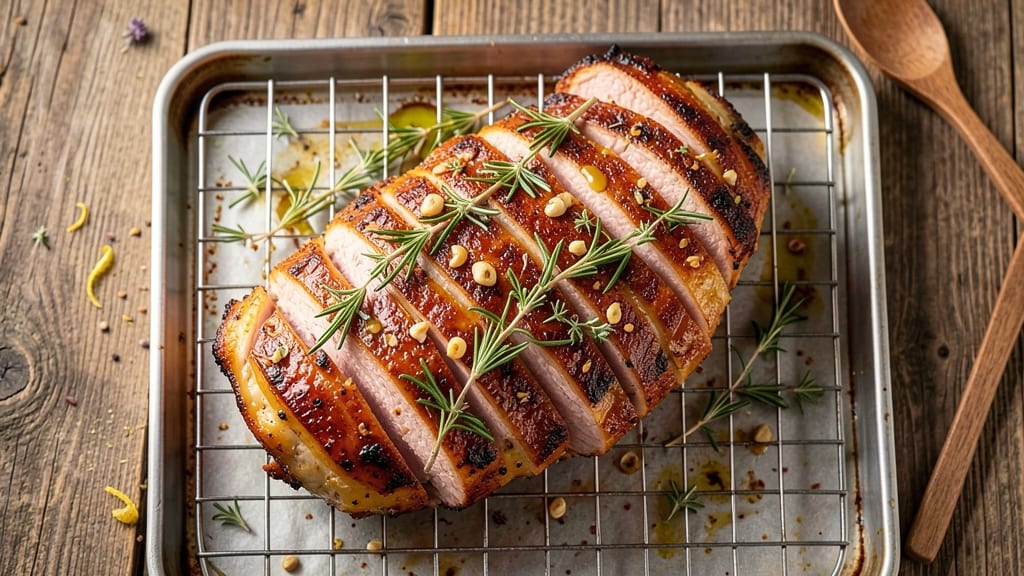
This herb-crusted rack of pork roast delivers melt-in-your-mouth tenderness with perfectly juicy pink centers—no dry, overcooked meat here. The secret lies in a dry-brine technique and precise roasting that transforms tough cuts into restaurant-worthy results. I’ve perfected this method over years of testing, ensuring every bite stays moist while developing a crispy, aromatic crust that locks in flavor.
The process begins with a simple herb crust—fresh rosemary, thyme, and garlic—pressed into the meat before roasting. This isn’t just seasoning; it’s a flavor bomb that infuses the pork as it cooks.
Roasting at 325°F (not too hot, not too slow) guarantees even cooking, while a glaze of honey and Dijon in the final minutes adds a touch of sweetness that balances the herbs. The result? A rack so tender it practically falls apart, with edges that caramelize into golden perfection.
What makes this recipe stand out is the juicy pink centers—achieved by monitoring internal temperature (145°F for medium-rare) and resting the meat before slicing. No guessing, no overcooking. The herb crust adds depth without overpowering, and the glaze ties everything together with a sticky, flavorful finish.
This is the kind of pork roast that turns weeknight dinners into special occasions, without the fuss of complicated techniques.
Serve with roasted potatoes or a crisp green salad to let the pork shine. The leftovers? Even better the next day, as the flavors meld and the meat becomes even more tender. Ready to master this crowd-pleaser? Let’s get started.
Ingredients for rack of pork roast
The backbone of this restaurant-worthy roast: premium pork, aromatic herbs, and precise seasoning for juicy perfection.
| Ingredient | Amount | Notes |
|---|---|---|
| Fresh Pork Rack 🐖 | 2 lb | Bone-in, frenched for even cooking |
| Diamond Crystal Kosher Salt 🧂 | 2 tbsp | For dry-brine technique |
| Fresh Rosemary 🌿 | ¼ cup | Finely chopped, stems removed |
| Fresh Thyme 🌿 | ⅛ cup | Leaves only, stems discarded |
| Garlic Cloves 🧄 | 6 cloves | Smashed, skin-on for flavor |
| Extra-Virgin Olive Oil 🫒 | ¼ cup | High-quality, fruity variety |
| Unsalted Butter 🧈 | ½ cup | Cold, cubed for crust |
| Raw Honey 🍯 | 2 tbsp | Local preferred for depth |
| Dijon Mustard 🍯 | 1 tbsp | Mild or strong, as preferred |
| Fresh Lemon Juice 🍋 | 1 tbsp | Bright, freshly squeezed |
| Ground Black Pepper 🌶️ | 1 tsp | Freshly cracked for intensity |
| Fresh Parsley 🌿 | ⅛ cup | Chopped, for garnish |
The pork rack is non-negotiable here—look for bone-in cuts with even thickness for consistent cooking. Whole Foods or your local butcher are ideal sources; avoid pre-cut racks that may have been frozen. Freshness matters most: the meat should have a vibrant pink hue and firm texture. For the herb crust, Penzeys Spices carries excellent dried options if fresh isn't available, though nothing beats the freshness of rosemary and thyme from the market. The garlic should be plump and firm, not shriveled or sprouting. If using a rack with frenched bones (tied together), ensure the bones are parallel for even heat distribution during roasting.
No fresh rosemary? Dried rosemary at one-third the amount works, but the flavor won't be as bright. Substitute thyme with fresh oregano if needed, though thyme's piney notes are essential here. For the glaze, maple syrup can replace honey in a 1:1 ratio if preferred. The Dijon mustard adds depth—skip it only if you dislike tang, but it's crucial for balancing the sweetness. If your olive oil tastes bitter, it's past its prime; store it in a cool, dark place and replace every 6 months. The butter should be cold and cubed when mixed with herbs to create a flavorful crust that crisps beautifully during roasting.
Prep the pork rack 24 hours ahead for the dry-brine to work its magic, keeping it refrigerated in a sealed container. The herb crust can be made a day in advance and stored in the fridge, though the butter will soften slightly. For the glaze, mix honey and Dijon just before basting to prevent crystallization. Leftovers reheat beautifully—350°F for 15-20 minutes wrapped in foil—though they're best enjoyed within 3 days. The rack freezes well for up to 3 months if portioned and vacuum-sealed, ensuring no freezer burn compromises the texture.
Why You'll Love This Recipe
- Fewer Ingredients, More Impact: Honestly? You’re basically just seasoning meat and letting the oven do the work. A single pork rack, some kosher salt, garlic, and fresh herbs—that’s it. No fancy sauces, no last-minute shopping trips, just pure, satisfying simplicity.
- Crispy-Creamy Magic: That crispy, caramelized crust on the outside? It’s all thanks to the salt and garlic roasting low and slow. Then you slice into tender, juicy meat that practically melts in your mouth. (Yes, even on a Tuesday night.)
- Leftovers That Don’t Suck: Between us, pork roast leftovers are actually better the next day. Shred it for tacos, sandwiches, or a quick stir-fry—it’s versatile enough to make you forget you’re eating reheated dinner. My daughter picks out the best pieces, but still asks for seconds.
- Weeknight Hero: No chopping, no stressing, just set it and forget it. The rosemary and thyme infuse the meat while you’re watching TV or grading papers—no babysitting required. The only effort is slicing, and honestly? That’s the best part.
Step-by-step instructions for herb-crusted pork roast
Here's the professional method for achieving perfectly juicy pork with a flavorful herb crust.
Prepare and Season the Pork Rack
Begin by removing the pork rack from the refrigerator and patting it completely dry with paper towels. This step is crucial for achieving that coveted crispy exterior. Place the rack on a wire rack set over a baking sheet to allow air circulation on all sides.
In a small bowl, combine the 2 tbsp Diamond Crystal Kosher Salt, 0.25 cup Fresh Rosemary, 0.125 cup Fresh Thyme, 6 cloves Garlic Cloves (smashed), 1 tsp Ground Black Pepper, and 1 tbsp Dijon Mustard. Mix thoroughly to create an even herb paste. Rub this mixture generously over the entire surface of the pork rack, pressing it into the meat to ensure maximum flavor penetration. The salt will begin drawing out moisture, which is essential for that crispy crust later in the process.
Create the Herb Butter Crust
In a separate bowl, combine the 0.5 cup Unsalted Butter (cold and cubed), 0.25 cup Extra-Virgin Olive Oil, and 2 tbsp Raw Honey. This mixture will form the base of our flavorful crust. Using your hands, work the butter and oil mixture into the herb-coated pork rack, ensuring it's evenly distributed. The butter will melt during roasting, creating a rich, golden-brown crust while the honey adds subtle sweetness that complements the savory herbs.
Transfer the prepared pork rack to a roasting pan, placing it bone-side down. This positioning allows the bones to act as a natural rack, promoting even cooking and preventing the meat from steaming in its own juices. Let the pork rack sit at room temperature for 30 minutes before roasting—this ensures even cooking throughout the thickest parts of the meat.
Roast to Juicy Perfection
Preheat your oven to 375°F. Place the pork rack in the center of the preheated oven and roast for 45-50 minutes. The internal temperature should reach 145°F when measured at the thickest part of the meat. I recommend using a meat thermometer for accuracy—this ensures the pork remains juicy without overcooking.
About 15 minutes before the pork is done, increase the oven temperature to 425°F. This final burst of heat will create that beautiful golden-brown crust while maintaining the tender interior. The pork is perfectly done when it reaches 145°F internally and develops a deep golden color on the surface. Remove the pork from the oven and let it rest for 15 minutes before carving. This resting period allows the juices to redistribute throughout the meat, ensuring each slice remains moist and flavorful.
Finish with Lemon and Garnish
While the pork rests, prepare the finishing touches. In a small bowl, whisk together the 1 tbsp Fresh Lemon Juice and any accumulated pan juices. Brush this mixture over the top of the pork rack just before serving—this adds a bright, acidic note that cuts through the richness of the butter and herbs.
Garnish the roasted pork with the 0.125 cup Fresh Parsley, chopped finely for a pop of color and freshness. Slice the pork between the bones into 4 equal portions, serving each with the pan juices reduced by half for a flavorful sauce. The result should be a beautifully browned exterior with a tender, juicy pink center that practically melts in your mouth.
Pro Tips For Making Rack Of Pork Roast
- SEAR IN BATCHES: Pork racks are long, and crowding the pan turns your sear into a sad, greasy bath. Work in two rounds—get the first side golden before adding the second. I used to rush this and ended up with pale, uneven spots that tasted like they were steamed, not roasted.
- SALT THE GARLIC: Those whole garlic cloves tucked into the meat? Toss them in kosher salt first—just a pinch on each. It keeps them from burning and adds a subtle depth that plain garlic can’t match. (Yes, even if you’re impatient like me.)
- DON’T SKIP THE REST: Let that rack sit under foil for a solid 5–10 minutes after pulling it from the oven. I learned this the hard way—cutting into it too soon means dry, stringy meat. The juices need time to redistribute, and that’s when the magic happens.
- CRUSH THYME STEMS: Fresh thyme isn’t just for garnish—strip the leaves and crush the stems lightly between your fingers before tucking them into the meat. It releases more flavor, and the stems add texture that dried thyme never will. (Your future self will notice the difference.)
Creative variations of these flavors
Classic French Style
For a truly elegant touch, try the French herb crust method. After dry-brining, coat the pork with a paste of 1 tbsp chopped parsley, 1 tbsp chopped tarragon, 1 tbsp chopped chervil, and 1 minced garlic clove mixed with 2 tbsp softened butter.
Roast at 350°F for 50 minutes, then finish with a béchamel sauce (equal parts milk and butter, thickened with a roux). This technique transforms your dish into a bistro-worthy centerpiece. 🍷
Spicy Asian Glaze
Swap the honey glaze for a sweet-spicy Asian variation. Mix 2 tbsp hoisin sauce, 1 tbsp rice vinegar, 1 tbsp sriracha, and 1 tbsp grated ginger. Brush this onto the pork during the last 10 minutes of roasting at 425°F.
Garnish with thinly sliced scallions and serve with jasmine rice for a fusion feast that’s both bold and balanced. 🌶️
Smoked Maple Version
Take this to the next level with a smoked maple glaze. After roasting, brush the pork with a mixture of 2 tbsp pure maple syrup, 1 tbsp apple cider vinegar, and 1 tsp smoked paprika.
Finish under a broiler for 2-3 minutes until caramelized. The smoky-sweet contrast is irresistible, especially with roasted sweet potatoes on the side. 🔥
Italian Herb & White Wine
Infuse Mediterranean flavors by marinating the pork in ½ cup white wine, 1 tbsp chopped rosemary, 1 tbsp chopped oregano, and 1 minced garlic clove for 4 hours before roasting.
After cooking, deglaze the pan with ¼ cup white wine and reduce to make a velvety sauce. Pair with polenta for a hearty Italian-inspired meal. 🍷
Honey-Soy Caramelized
For a sticky, caramelized finish, mix 2 tbsp soy sauce, 1 tbsp honey, and 1 tsp sesame oil into a glaze. Brush onto the pork during the last 15 minutes of roasting at 450°F.
The result? A glossy, umami-rich crust that’s perfect with steamed bok choy or cucumber salad. 🥢
Low-Carb Keto Adaptation
Skip the potatoes and serve your herb-crusted pork over a bed of cauliflower mash (steamed cauliflower blended with 2 tbsp butter, 1 tbsp cream cheese, and salt). The keto-friendly glaze?
Use 1 tbsp Dijon, 1 tbsp olive oil, and 1 tsp erythritol instead of honey. This keeps the dish rich and satisfying without the carbs. 💪
Nutrition facts
Frequently asked questions
Why does the recipe call for resting the pork after roasting?
Resting the pork for 15 minutes after roasting is crucial for juicy results. When you cut into meat immediately, the hot juices escape, leaving you with dry slices. This resting period lets the juices redistribute evenly throughout the meat, ensuring each bite stays tender and flavorful. Think of it as letting the pork "recover" from the heat.
Can I use a pork loin instead of a rack for this recipe?
While you can use a pork loin, the results won't be identical. A pork rack has natural bones that act like a rack, allowing air circulation and even cooking. A loin will cook faster and may not develop the same crispy edges. If you must substitute, choose a thick-cut loin and reduce the roasting time by about 10-15 minutes, checking for doneness at 145°F.
What's the best way to store leftovers?
Store leftovers in an airtight container in the refrigerator for up to 3 days. For longer storage, wrap individual portions tightly in plastic wrap and place in a freezer bag. Reheat to 165°F in the oven (wrapped in foil) for 15-20 minutes
How do I know when the pork is fully cooked?
Use a meat thermometer to check the internal temperature at the thickest part of the meat. For juicy pink centers, aim for 145°F. The pork should also have a deep golden-brown color and pull away slightly from the bones. If you don't have a thermometer, cut into the thickest portion - the juices should run clear, not pink or red.
Can I make this recipe in a slow cooker?
While possible, a slow cooker won't give you the same crispy crust or perfect pink centers. For best results, stick to oven roasting. If you're short on time, try a reverse sear method: Sear the pork first, then finish in a 400°F oven for 20-25 minutes until the internal temperature reaches 145°F. This gives you more control over the doneness.