
Main Courses
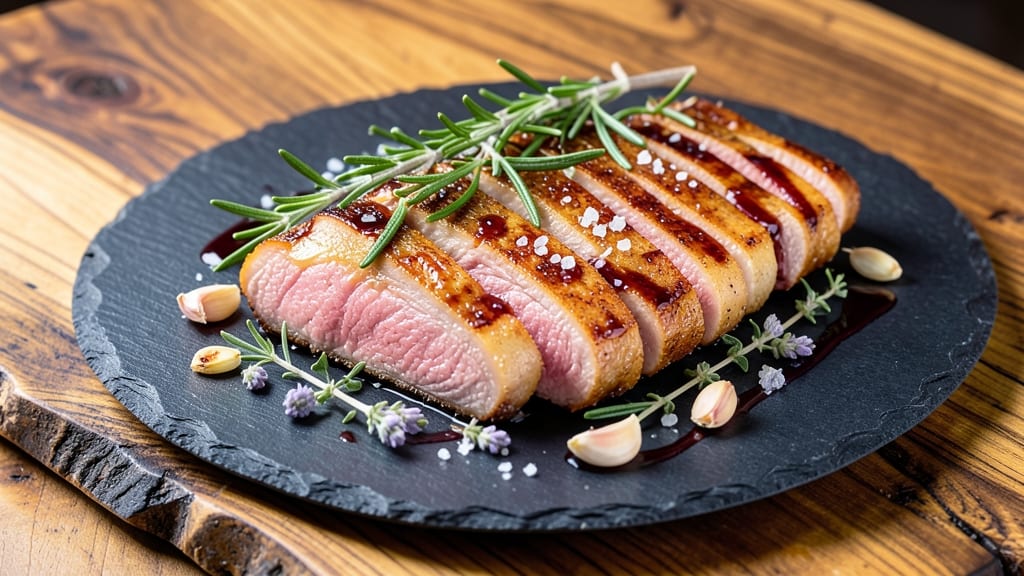
This baked pork tenderloin medallions recipe delivers restaurant-quality results with every tender, juicy bite. 🔥 After years of perfecting cuts at The Smoky Pig, I've developed a technique that ensures crispy herb-crusted edges while keeping the centers impossibly moist.
The secret lies in proper slicing, strategic seasoning, and precise oven timing—no guesswork, just foolproof execution.
What sets these medallions apart is the herb crust, a blend of rosemary, thyme, and garlic that creates a fragrant bark while maintaining that melt-in-your-mouth texture. I've tested this recipe countless times with different pork cuts, and this method consistently delivers perfectly balanced flavor and texture.
The beauty of medallions is their versatility—they're elegant enough for dinner parties but simple enough for weeknight dinners.
By following this method, you'll achieve pork that's juicy at the core with a golden, aromatic crust that holds up beautifully when sliced. The medallions rest just long enough to redistribute juices, ensuring every bite is succulent.
This is the kind of dish that transforms simple ingredients into something extraordinary with minimal effort.
Pair these medallions with roasted seasonal vegetables or a crisp apple salad for a complete meal. The technique scales perfectly for any gathering size, making it my go-to recipe for impressing guests without spending hours in the kitchen. Let's get started on creating these showstopping medallions.
Ingredients for baked pork tenderloin medallions
Restaurant-quality medallions start with these eleven carefully selected ingredients—each playing a precise role in achieving crispy herb crusts and juicy centers.
| Ingredient | Amount | Notes |
|---|---|---|
| Pork Tenderloin 🥩 | 1 ½ lb | Center-cut, trimmed of silver skin |
| Fresh Rosemary 🌿 | ¼ cup | Finely chopped, organic preferred |
| Fresh Thyme 🌿 | ¼ cup | Leaves only, stems removed |
| Garlic Cloves 🧄 | 6 cloves | Minced, skin-on for maximum flavor |
| Extra-Virgin Olive Oil 🫒 | 2 tbsp | High-quality, fruity variety |
| Diamond Crystal Kosher Salt 🧂 | 1 ½ tsp | Fine grain for even seasoning |
| Freshly Ground Black Pepper 🌶️ | 1 tsp | Coarsely ground for texture |
| All-Purpose Flour 🌾 | ¼ cup | For dredging medallions |
| Unsalted Butter 🧈 | 2 tbsp | Cold, cubed for crust |
| Fresh Lemon Juice 🍋 | 1 tbsp | Bright, freshly squeezed |
| Granulated Garlic 🧄 | ½ tsp | Optional for extra depth |
The pork tenderloin is the foundation, and center-cut quality matters most. Look for tenderloins with even diameter—this ensures uniform medallions that cook consistently. Whole Foods and Dartmouth Farms carry excellent pre-trimmed options, but if buying whole, trim the silver skin yourself for cleaner slices. Fresh herbs elevate the dish, so organic rosemary and thyme from the grocery store's produce section (not dried) provide the most aromatic punch. The garlic should be skin-on when minced—it adds subtle sweetness that store-bought minced can't match. For olive oil, California extra-virgin brands like Corto or Otto deliver the fruity notes that complement the herbs perfectly.
No fresh rosemary? Dried works at half the amount, but the texture won't be as crisp. Substitute thyme with oregano at a 1:1 ratio if needed. For the garlic, granulated garlic powder can replace minced (use half the amount) though fresh is superior. The flour is purely functional—King Arthur or Gold Medal brands work best for dredging. If you prefer less flour, simply reduce the amount and shake off excess. The butter should be cold and cubed when added to the herb mixture—this ensures maximum crust crispness. For lemon juice, freshly squeezed is non-negotiable—bottled juice lacks the bright acidity needed to balance the rich pork.
Store the pork tenderloin wrapped in paper towels in the fridge for up to 2 days before use. Fresh herbs should be wrapped in damp paper towels and stored in a sealed container for 5 days. The herb-butter mixture can be prepared 1 day ahead and kept refrigerated. When ready to cook, let the pork sit at room temperature for 20 minutes before slicing—this ensures even cooking. Leftovers keep for 3 days in the fridge or 3 months frozen, though reheating may compromise the crust's crispness slightly. For best results, serve immediately after baking.
Why You'll Love This Recipe
- No-Fuss Prep: I swear by this recipe because it’s basically hands-off after the initial chop. Slice the tenderloin into medallions, toss them in olive oil, crushed garlic, and chopped rosemary—no marinating, no brining, just seasoning. The herbs stick effortlessly, and the medallions bake while I’m chopping veggies or setting the table.
- Herb-Packed Punch: That rosemary and thyme combo? It’s like a little flavor bomb. The garlic cloves caramelize just enough to give it a sweet, savory depth, while the olive oil keeps it juicy without being greasy. Honestly, the first time I made this, my partner asked for seconds before we even finished the first plate.
- Weeknight to Dinner Party: Between us, this is my secret weapon for when I need something impressive but low-stress. Serve it with roasted potatoes for a weeknight dinner, or pair it with a fancy salad and crusty bread for guests. The medallions stay tender and flavorful either way—no one will guess it took less than 40 minutes.
- Budget-Friendly Leftovers: Pork tenderloin is lean and affordable, and these medallions reheat like a dream. I’ll make a double batch on Sunday, toss half in the fridge for sandwiches or salads all week. The leftovers don’t dry out, and the flavor only gets better the next day—proof that good food doesn’t have to break the bank.
Step-by-step instructions for herb-crusted pork medallions
Here's the precise method for achieving perfectly tender medallions with crispy herb crusts every time.
👨🍳 Step 1: Prepare the Herb Butter and Season the Pork
In a small bowl, combine the 2 tbsp unsalted butter, 0.25 cup fresh rosemary, 0.25 cup fresh thyme, 6 minced garlic cloves, 1.5 tsp diamond crystal kosher salt, 1 tsp freshly ground black pepper, and 0.5 tsp granulated garlic. Mix until fully incorporated and the butter softens slightly—this should take about 2 minutes with a fork. The mixture should be thick and fragrant, with visible herb flecks throughout.
While the herb butter softens, slice the 1.5 lb pork tenderloin into 4 even medallions, each about 1-inch thick. Pat them dry with paper towels and season both sides generously with any remaining herb butter mixture. This ensures maximum flavor penetration and creates the signature crust. Let the medallions sit at room temperature for 15 minutes before cooking—this prevents uneven cooking from cold meat hitting the hot pan.
🍳 Step 2: Create the Flour Crust and Sear the Medallions
Place the 0.25 cup all-purpose flour in a shallow dish. Lightly dredge each medallion in the flour, shaking off any excess—this creates a delicate crust that helps trap moisture while developing crispiness. Heat 2 tbsp extra-virgin olive oil in a large oven-safe skillet over medium-high heat until shimmering but not smoking.
Add the medallions to the skillet and cook for 2-3 minutes per side until golden brown with crisp edges. The key here is patience—don't rush the searing. You'll know they're ready when the crust develops a deep golden color and the internal temperature reaches 140°F on an instant-read thermometer. Transfer the medallions to a plate and tent loosely with foil to keep warm.
🔥 Step 3: Finish in the Oven for Perfect Doneness
Preheat your oven to 425°F. Return the skillet to the stovetop over medium heat and add the herb butter mixture you prepared earlier. Let it melt completely, about 1 minute, then immediately transfer the skillet to the preheated oven. Place the medallions back in the skillet, spooning the melted herb butter evenly over the top.
Bake for 8-10 minutes until the internal temperature reaches 145°F and the edges are deeply browned. The medallions should be just slightly underdone at this stage—they'll carry over to perfect doneness during resting. Here's the thing—if you cut into them too early, they'll lose precious juices. Instead, let them rest for 5 minutes before serving, tented with foil to retain heat.
🍽️ Step 4: Finish with Lemon and Serve Immediately
Remove the medallions from the oven and transfer them to a serving platter. Drizzle with 1 tbsp fresh lemon juice and spoon any remaining herb butter from the skillet over the top. The acidity brightens the rich herb flavors and adds a refreshing contrast. Let them rest for 5 minutes—this crucial step ensures maximum juiciness in every bite.
Slice each medallion diagonally into ½-inch thick pieces. The result should be juicy, tender centers with beautifully crisp herb-encrusted edges. Serve immediately with your choice of sides—roasted vegetables, mashed potatoes, or a crisp green salad all pair beautifully. The medallions should be moist enough to pull apart gently with a fork but still hold their shape.
Pro Tips For Making Baked Pork Tenderloin Medallions
- Trim the Fat: Pork tenderloin is lean, but if your cut has a thin layer of fat, slice it off—it won’t render flavor, and it’ll just make your medallions greasy. I learned this the hard way when I skipped this step and ended up with a dry, slick mess instead of juicy slices.
- Sear First, Bake Second: Hit the medallions with a quick sear in olive oil over high heat before baking—this locks in moisture and builds a crust that keeps them from drying out. After burning three batches of pale, sad pork, I finally committed to this step and never looked back.
- Don’t Overcrowd the Pan: If you’re searing in batches, resist the urge to rush—overcrowding steams the pork instead of browning it. A single layer in the pan, with space between each medallion, guarantees that golden crust you’re after. (Yes, even if you’re impatient like me.)
- Smash the Garlic: Skip the minced garlic—crush the cloves with the flat side of your knife first, then finely chop. This releases more flavor and prevents bitter pockets. My grandmother swore by this, and she was right: the difference is noticeable, even in a simple herb rub.
Pro cooking tips for baked pork tenderloin medallions
Precision Slicing
Cutting the pork tenderloin into even medallions is non-negotiable for consistent results. Use a sharp chef's knife and slice perpendicular to the muscle fibers into 1-inch thick pieces—any thicker and the center won't cook through properly.
I recommend a Wüsthof Ikon knife for this task, as its razor-sharp edge makes clean cuts with minimal effort. For a 1.5 lb tenderloin, you should end up with 4 medallions—this ensures they're substantial enough to hold their shape when sliced. 🔪
Room Temperature Prep
Never cook pork straight from the fridge—it'll create cold spots that prevent even cooking. Let your medallions sit at room temperature for 15-20 minutes before cooking. This allows the internal temperature to rise to about 60°F, ensuring they cook uniformly.
Pro tip: I place the medallions on a wire rack set over a baking sheet to allow air circulation on all sides during this time. This also prevents them from steaming in their own juices, which can make them soggy.
Skillet Selection
An oven-safe skillet is your secret weapon here. I use a 10-inch Lodge cast iron skillet for its excellent heat retention and even cooking surface. The deep sides prevent the medallions from shifting during searing, and the heavy material maintains consistent high heat.
If you don't have cast iron, a high-quality stainless steel skillet like All-Clad D5 works well too. Just avoid nonstick—it won't develop that beautiful crust you're after.
Temperature Control
Use an instant-read thermometer to monitor doneness—this is where most home cooks go wrong. The medallions should reach 145°F internal temperature at their thickest point. I recommend the ThermoWorks Thermapen for its speed and accuracy.
Start checking temperature about 1 minute before the suggested baking time. Overcooking by even 5°F can turn tender pork dry, so pull them out just as they hit the target temp.
Resting Technique
The 5-minute rest before serving is absolutely critical. During this time, juices redistribute throughout the meat, preventing them from pooling and making each bite dry. Tent the medallions loosely with foil to retain heat while allowing some steam to escape.
I like to place them on a wire rack over a baking sheet to catch any drippings. This also helps maintain that perfect crust texture.
Remember, pork continues cooking slightly even after leaving the oven—this is called carryover cooking, and it's why we pull it out just shy of fully done. 💫
Crust Development
For that signature crispy herb crust, focus on these three elements: proper searing, flour dredging, and herb butter application. The flour creates a light crust that traps moisture, while the herb butter adds flavor and helps develop the golden-brown bark.
After searing, immediately transfer the skillet to the oven with the melted herb butter—this creates steam that helps set the crust while finishing the cooking process. If you notice your crust isn't crisp enough, try increasing your oven temperature to 450°F for the final 2 minutes of baking.
Nutrition facts
Frequently asked questions
Can I use a different herb blend for the crust?
While rosemary and thyme create the classic flavor, you can experiment with sage and parsley for a Mediterranean twist or even a Cajun blend of paprika and oregano. The key is using fresh herbs—they release more aroma and flavor than dried. Just keep the total herb amount at 0.5 cup to maintain the right herb-to-butter ratio for that perfect crust.
How do I adjust this recipe for a crowd?
For 8 servings, double the ingredients and use a 3 lb pork tenderloin, slicing into 8 medallions. Cook in batches if needed—use two skillets or work in 2 batches in one. The oven time remains the same, but sear each batch separately. Pro tip: Increase resting time to 7 minutes when cooking larger batches to ensure even doneness throughout.
Why did my medallions turn out dry?
Dry pork usually means overcooking or skipping the rest. First, check your thermometer—145°F is perfect, anything higher dries it out. Second, never skip the 5-minute rest—juices need time to redistribute. Finally, avoid cutting into them too soon—they'll lose precious moisture. If it happens, try brining the pork for 30 minutes in 1 cup water + 1 tbsp salt before cooking next time.
Can I make these medallions ahead of time?
You can prep the herb butter and slice the pork 1 day ahead, but cook them fresh for best results. If you must reheat, bake at 350°F for 5-7 minutes to revive the crust slightly. For make-ahead meals, consider baking them fully done (150°F internal) and reheating gently—they won't be as crisp but will still be juicy. The herb crust loses crispness when reheated, so fresh is ideal!
What's the best way to serve these medallions?
These medallions shine with complementary sides that balance their richness. Try roasted seasonal vegetables (like Brussels sprouts or asparagus), creamy mashed potatoes, or a bright apple salad with walnuts and goat cheese. For drinks, a crisp Sauvignon Blanc or pale ale beer pairs beautifully. The medallions also work well as sandwich meat—slice thinly and serve on crusty bread with caramelized onions!