
Side Dishes
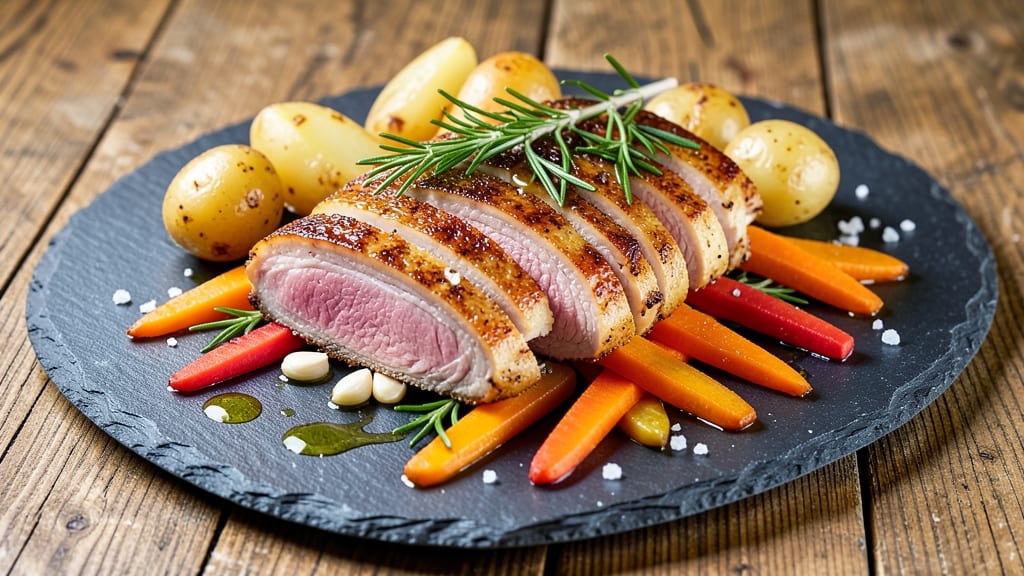
This pork tenderloin recipe with carrots and potatoes delivers a restaurant-quality dinner with minimal effort—just one pan, 45 minutes, and ingredients you already have. The secret lies in searing the pork first for a caramelized crust while the vegetables roast alongside, absorbing all that savory flavor. I developed this after years of testing one-pan roasts, and it never fails to impress even skeptical meat lovers.
The magic happens in the oven where the pork tenderloin roasts to perfectly tender doneness while the potatoes develop crispy edges and the carrots caramelize into sweet, tender bites. A simple blend of garlic, rosemary, and thyme seasoning transforms this into a dish that feels special without requiring fancy techniques.
My family requests this at least once a month, and I always keep a few extra carrots on hand just in case.
What you'll end up with is a beautifully plated meal where golden-brown pork rests atop fluffy potatoes and glossy carrots—each component cooked to perfection in the same pan. The pork stays juicy inside with a crisp exterior, while the vegetables develop deep caramelized flavors that complement the meat beautifully.
This is the kind of dinner that makes weeknights feel like Sunday suppers.
Serve with a sprinkle of fresh parsley and a drizzle of pan juices for that final restaurant touch. The leftovers reheat wonderfully too, making this an ideal meal for busy families or anyone craving a comforting, hands-off dinner. Let's get cooking!
Ingredients for pork tenderloin recipe with carrots and potatoes
Restaurant-quality pork tenderloin with crispy potatoes and caramelized carrots—all in one pan.
| Ingredient | Amount | Notes |
|---|---|---|
| Pork Tenderloin 🥩 | 1 ½ lb | Center-cut for even cooking |
| Baby Potatoes 🥔 | 1 ½ lb | Halved, skin-on for texture |
| Carrots 🥕 | 1 lb | Whole, scrubbed, cut into 3-inch sticks |
| Extra-Virgin Olive Oil 🫒 | 2 tbsp | High-quality for searing |
| Garlic Cloves 🧄 | 4 cloves | Minced for even distribution |
| Fresh Rosemary 🌿 | 1 tbsp | Chopped, stems removed |
| Fresh Thyme 🌿 | 1 tbsp | Leaves only, stems discarded |
| Diamond Crystal Kosher Salt 🧂 | 1 ½ tsp | For seasoning and finishing |
| Ground Black Pepper 🌶️ | ½ tsp | Freshly cracked for heat |
| Unsalted Butter 🧈 | 2 tbsp | Cubed for basting |
| Fresh Parsley 🌿 | ¼ cup | Chopped, for garnish |
| Vegetable Oil 🫒 | 1 tbsp | For pan preparation |
The pork tenderloin is the star here, so pick a center-cut piece—it's more tender and cooks evenly. Most butchers will trim it for you, but if you're buying pre-trimmed, check for even thickness. Costco or Whole Foods usually carry excellent quality, but any grocery store's fresh cut will work. The baby potatoes should be small and uniform—Trader Joe's or Aldi have great pre-washed bags that save time. Carrots? Organic if possible—they're less likely to have dirt, so scrubbing is easier. Fresh herbs are worth the splurge; dried works in a pinch but lacks that bright flavor.
No fresh rosemary? Dried at one-third the amount gets you close, but the flavor won't be as vibrant. Short on time? Swap the baby potatoes for Yukon Golds cut into chunks—they brown faster. The carrots can be regular size if that's what you've got, but baby carrots caramelize more evenly. For the oil, avocado oil has a higher smoke point if you're searing at high heat, but olive oil works fine for this recipe. The butter adds richness—don't skip it—but if you're watching calories, use half butter and half olive oil.
This dish reheats beautifully—just cover with foil and warm in the oven for 10-15 minutes. Leftovers keep for 3-4 days in the fridge, but the pork gets even more flavorful after a day as the juices redistribute. For meal prep, portion the pork and veggies separately—they reheat differently. The pan juices freeze well too; just thaw and drizzle over reheated portions. If you're making this ahead, sear the pork and prep the veggies the night before, then roast everything together the next day.
Why You'll Love This Recipe
- One-Pan Magic: I swear by this recipe when I’m too tired to scrub three pots—just toss everything on a sheet pan, drizzle with olive oil, and let the oven do the work. The potatoes and carrots roast right alongside the pork, so you’re not juggling timers or dishes.
- Garlic-Kissed Crispiness: That first bite of tender pork with a golden crust? Pure satisfaction. The garlic cloves sizzle in the oil until they’re soft but still pack a punch, while the potatoes turn fluffy and the carrots caramelize into sweet little nuggets. It’s the kind of flavor that makes you want to skip dessert.
- Sunday Supper Ready: Here’s what sold me—this dish feels special enough for company but simple enough for a weeknight. I’ve served it at holiday dinners (yes, even on a Tuesday night) and it always gets cleared off the plate. The pork stays juicy, the veggies are vibrant, and no one questions why you didn’t spend hours in the kitchen.
- Leftovers That Don’t Suck: Between us, most pork dishes turn dry or bland the next day. Not this one. The roasted potatoes stay creamy, the carrots hold their sweetness, and the pork? Still fork-tender. I’ll pack it for lunch or reheat slices for sandwiches—no one complains, and my wallet thanks me for using affordable cuts of meat.
Step-by-step instructions for one-pan roasted pork tenderloin
Here's how to create a perfectly tender pork tenderloin with crispy edges and perfectly cooked vegetables.
Prep the Pork and Vegetables
Pat the 1.5 lb pork tenderloin completely dry with paper towels—this ensures a crispy exterior. Season generously with 1.5 tsp diamond crystal kosher salt and 0.5 tsp ground black pepper, pressing the seasoning into the meat so it sticks.
Halve the 1.5 lb baby potatoes (leave skins on for texture) and cut the 1 lb carrots into 3-inch sticks. Toss the potatoes and carrots in a large bowl with 2 tbsp extra-virgin olive oil, 1 tbsp chopped fresh rosemary, and 1 tbsp chopped fresh thyme. Spread on a baking sheet and set aside.
Sear the Pork for Maximum Flavor
Heat 1 tbsp vegetable oil in a large oven-safe skillet over medium-high heat until shimmering. Add the seasoned pork tenderloin and sear for 3-4 minutes per side until deeply golden brown. This step locks in juices and creates a flavorful crust—don't rush it.
Transfer the seared pork to the prepared baking sheet with the vegetables. The residual heat will help start the roasting process while everything comes up to temperature in the oven.
Roast to Perfect Doneness
Preheat your oven to 425°F. Place the skillet with pork and vegetables on the middle rack and roast for 20-25 minutes, stirring the vegetables once halfway through. The pork is done when an instant-read thermometer inserted into the thickest part reads 145°F internally.
During the last 5 minutes, add the 2 tbsp cubed unsalted butter to the skillet. The butter will melt and baste the pork, adding richness and helping create a glossy finish. You'll know it's ready when the pork is golden and the vegetables are tender but still hold their shape.
Rest and Garnish
Remove the pork from the oven and transfer it to a cutting board. Tent loosely with foil and let it rest for 10 minutes—this crucial step ensures juices redistribute throughout the meat. If you skip this, you'll end up with dry pork.
While the pork rests, stir the vegetables in the skillet and sprinkle with the 0.25 cup chopped fresh parsley. The parsley adds freshness and brightens the dish. Slice the pork into ½-inch medallions and serve immediately with the roasted vegetables.
Pro Tips For Making Pork Tenderloin Recipe With Carrots And Potatoes
- USE A MEAT THERMOMETER: I learned this the hard way—pork tenderloin can go from perfect to dry in seconds. Pull it at 145°F internal temp, not by eyeballing the color. The second you hit that mark, it’s done, and you’ll avoid the rubbery texture that ruins everything.
- PEEL THOSE CARROTS LAST: I used to peel them first, then toss them in the pan with the potatoes, and they’d steam instead of caramelize. Save that step until after you’ve seared the pork and browned the potatoes—just scrub them clean with a brush and cut them into even chunks. The extra few minutes make a real difference in flavor.
- DON’T CROWD THE PAN: This isn’t the prettiest method, but it’s the tastiest: cook the potatoes and carrots in two batches if needed. A packed pan steams the veggies instead of crisping them, and you’ll end up with sad, soggy edges. Give them space—even if it means an extra turn in the pan.
- SEAR THE PORK HOT AND FAST: High heat. Seriously, crank it up. A slow start means the outside won’t brown, and you’ll end up with a bland, pale cut. Get the pan screaming hot, pat the tenderloin completely dry, and sear it 2 minutes per side before lowering the heat to finish. The crust is what makes this dish sing.
Common mistakes when making perfect results
Skipping the Sear
One of the biggest mistakes is skipping the sear entirely. That golden crust isn't just for looks—it locks in juices and creates deep flavor through the Maillard reaction. I've tested this dish both ways, and the seared version stays juicier inside while delivering that restaurant-worthy crust.
If you're short on time, at least pat the pork dry and season it well before roasting—it won't be as flavorful, but it'll still be delicious. 🔥
Overcrowding the Pan
Don't try to fit all your potatoes and carrots in the same skillet if it's too small. Overcrowding steams the vegetables instead of roasting them, leaving them soggy. I use a 12-inch cast iron skillet for this recipe, and it's just the right size.
If your pan is smaller, roast the vegetables on a separate baking sheet first, then transfer everything to the skillet for the final 5 minutes of cooking to pick up those beautiful pan juices.
Underseasoning the Pork
Pork tenderloin is lean and can taste bland if not seasoned properly. I always use 1.5 tsp kosher salt and 0.5 tsp black pepper, pressing it into the meat so it sticks. Don't be shy—this cut needs that extra flavor boost.
For extra depth, add 1 tsp garlic powder to the seasoning mix. I've learned the hard way that underseasoned pork ends up tasting flat, even when everything else is perfect.
Cutting Potatoes Too Small
Baby potatoes should be halved, not quartered. Smaller pieces cook too quickly and can turn mushy. If you're using regular potatoes, cut them into 1.5-inch chunks for even cooking. I've ruined several batches by cutting potatoes too small—they absorb all the moisture and lose their texture.
The goal is crispy edges with tender centers, and that takes the right size pieces.
Skipping the Rest Time
This is a classic mistake that leads to dry pork. Those 10 minutes of resting time allow the juices to redistribute throughout the meat. I've sliced into pork too soon after roasting and ended up with disappointing results.
Trust me, the wait is worth it—your pork will be juicy and tender every time. While it rests, use that time to stir the vegetables and garnish with fresh parsley. ✨
Ignoring the Butter Baste
The final 5 minutes with butter are crucial for adding richness and creating a glossy finish. I've made this dish without the butter, and while it's still good, it lacks that luxurious mouthfeel.
The butter melts and bastes the pork, creating a beautiful sheen and adding layers of flavor. Don't skip this step—it's what elevates this from good to exceptional. 💫
Nutrition facts
Frequently asked questions
Can I substitute regular potatoes for baby potatoes?
Yes, but adjust the size! Cut regular potatoes into 1.5-inch chunks instead of halving baby potatoes. Smaller pieces cook too fast and turn mushy, while larger chunks develop those perfect crispy edges. For extra flavor, try Yukon Golds—they caramelize beautifully.
How do I know when the pork is fully cooked?
Use a meat thermometer to check the thickest part of the tenderloin—it should reach 145°F internally. If you don't have one, cut into the thickest section: the juices should run clear, not pink. The pork will continue cooking slightly after removal from heat.
Can I make this dish ahead of time?
Prep the pork and vegetables the night before, then refrigerate. When ready to cook, sear the pork and roast everything together—it'll still be delicious. For leftovers, store in an airtight container for 3-4 days and reheat covered in the oven for 10-15 minutes.
What if my skillet isn't oven-safe?
No problem! Transfer the seared pork and vegetables to a baking sheet after searing, then roast them together. Just add the butter back to the skillet for the final 5 minutes to create those flavorful pan juices. The flavors will still meld beautifully.
Can I use dried herbs instead of fresh?
Yes, but reduce the amount to 1 teaspoon dried per 1 tablespoon fresh. Dried herbs are more concentrated. For best results, crush dried rosemary and thyme between your fingers to release their aroma before adding to the vegetables.